
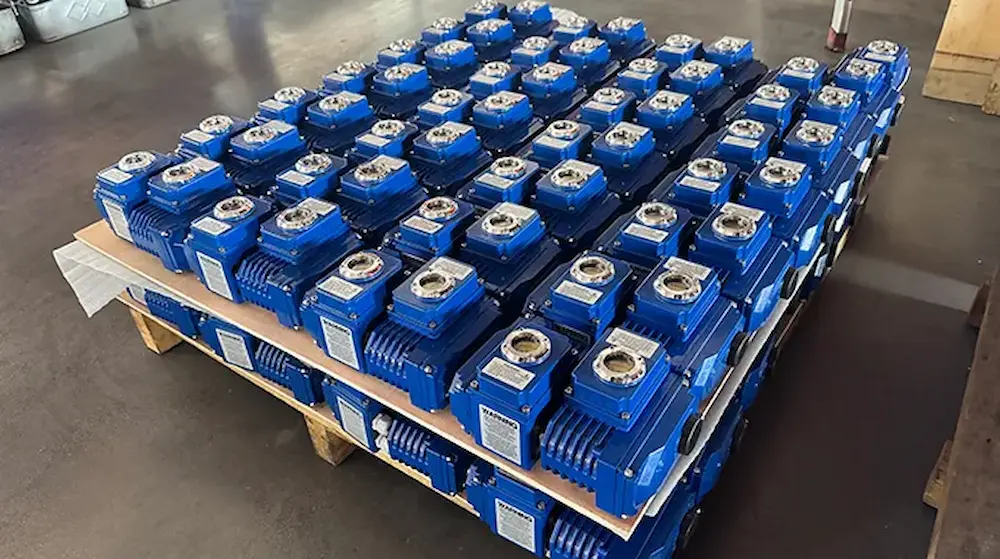
How to Choose Electric Valve Actuator Brands
Learn how to choose electric valve actuator models and brands by valve type, torque, control mode, duty cycle, IP rating, and application. This guide helps industrial buyers compare premium brands, OEM options, and cost-effective actuator configurations.
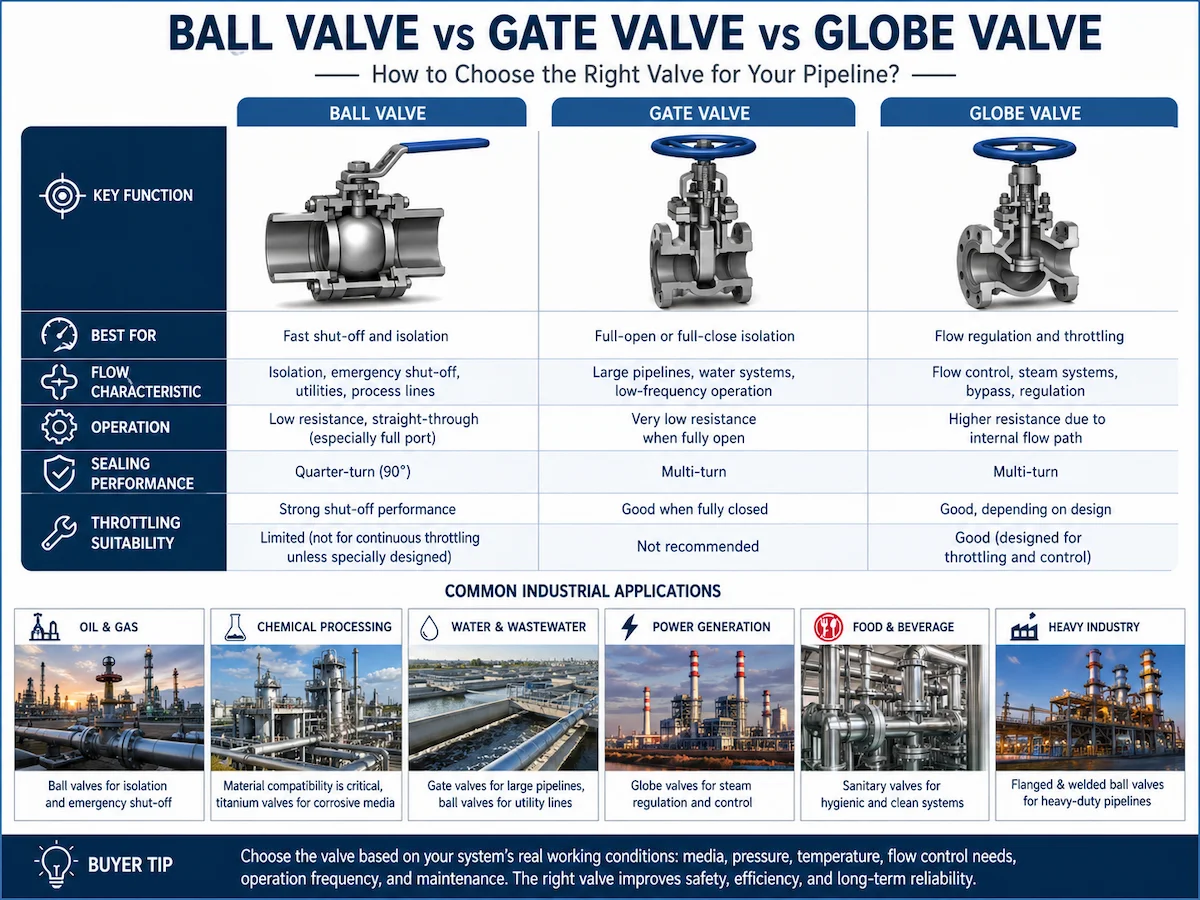
Ball Valve vs Gate Valve vs Globe Valve: Which One Should Industrial Buyers Choose?
Quick Summary: A ball valve is usually the better choice
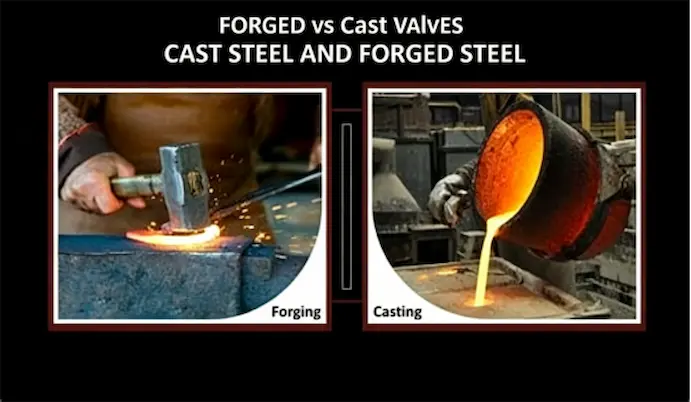
Forged vs Cast Valves: A Comprehensive Comparison for Industrial Applications
Learn the key differences between forged valves and cast valves, including strength, pressure performance, cost, size range, material integrity, and industrial application suitability.
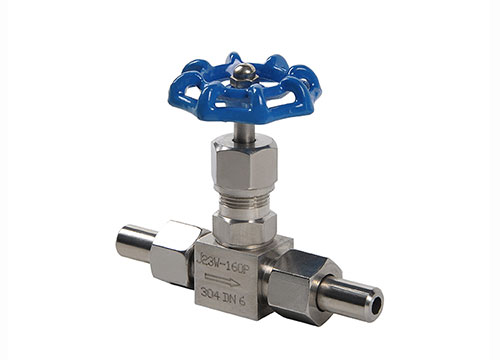
High-Performance Precision Needle Valves for Unmatched Flow Control Accuracy and Reliability
Discover high-precision needle valves for industrial, laboratory, and HVAC applications. Explore top-quality needle valve solutions for gas and liquid flow control.
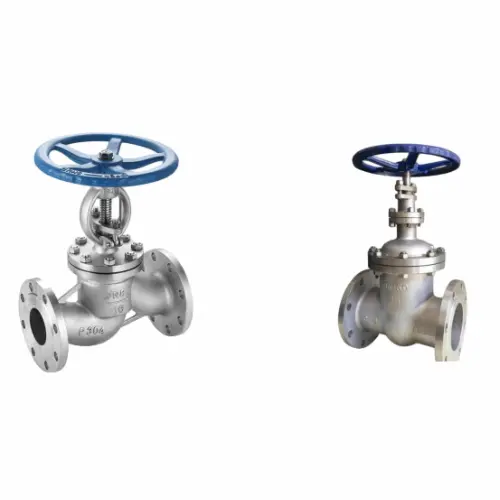
Different between gate valve and globe valve
Introduction Understanding the difference between gate valve and globe valve
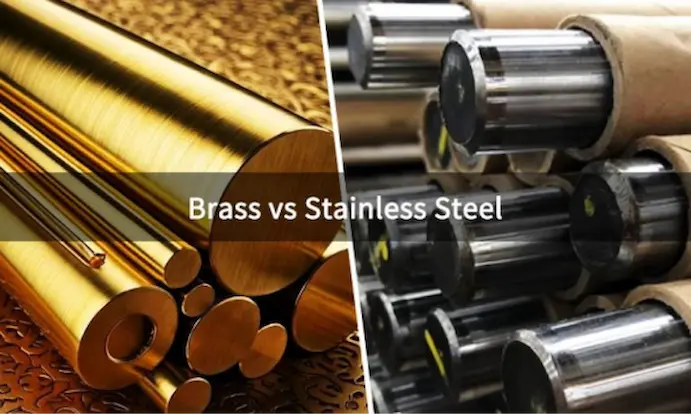
Brass vs Stainless Steel valves: What’s the Difference in Valves
Quick Overview When selecting materials for valves, brass vs stainless