
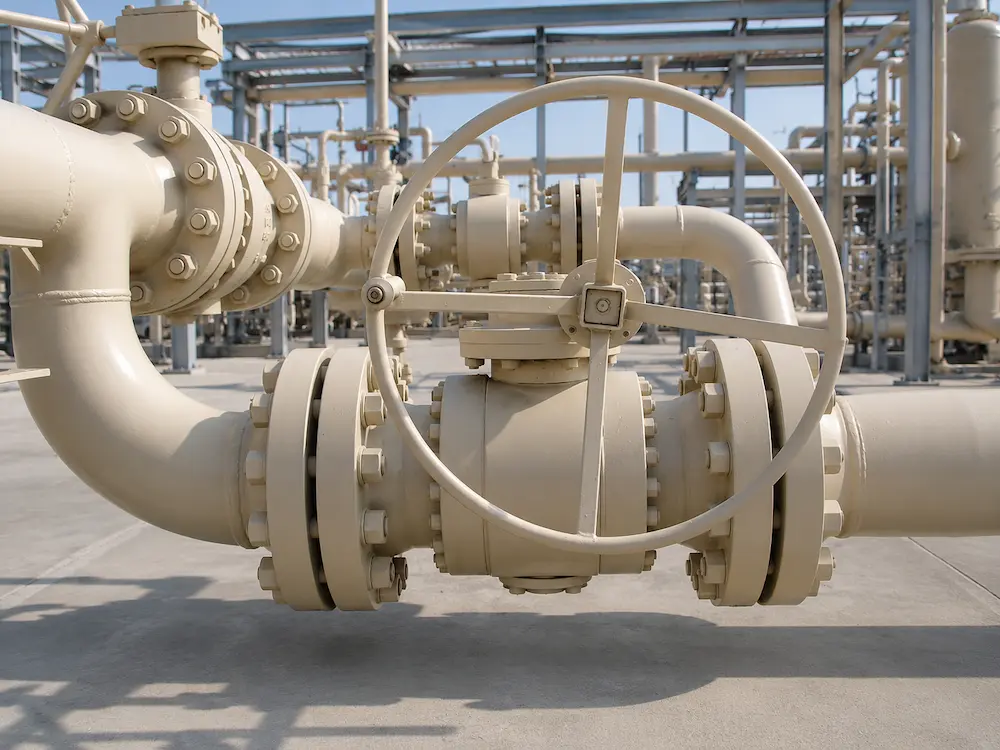
Ball Valve Applications: Water, Gas, Steam, Oil and Chemical Service
Learn common ball valve applications in water, gas, steam, oil, chemical, utility, and industrial process pipelines, including material, seat, pressure, and operation selection tips.
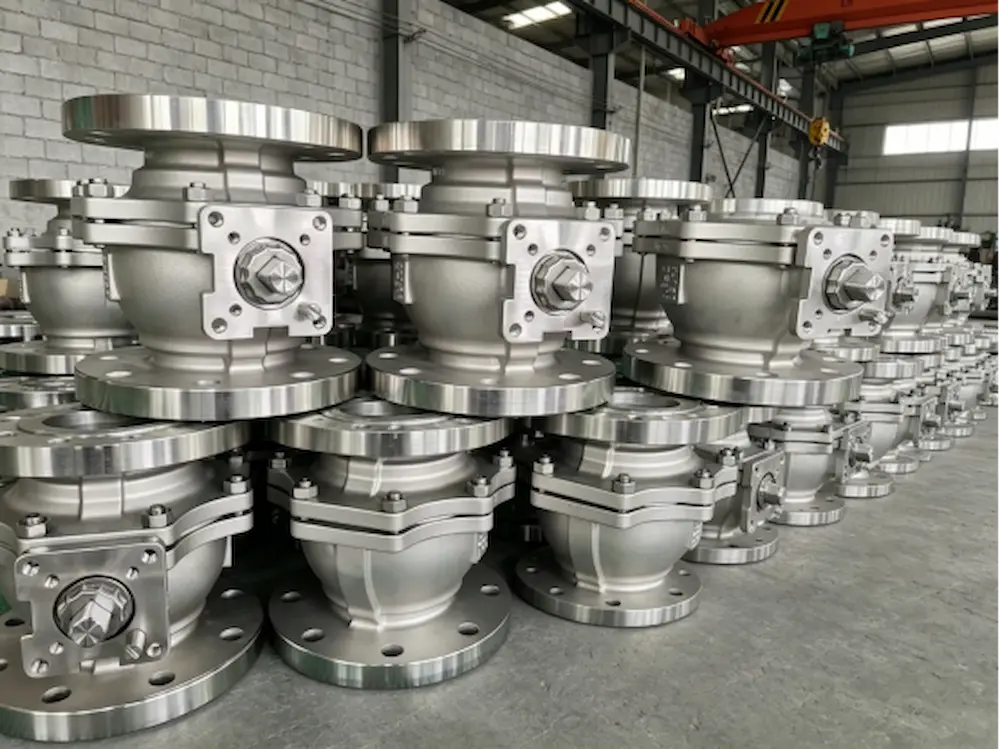
Stainless Steel Ball Valves for Industrial Applications: Selection Guide
Learn how to choose stainless steel ball valves for industrial applications by material grade, pressure, temperature, seat material, media compatibility, connection, and operation method.
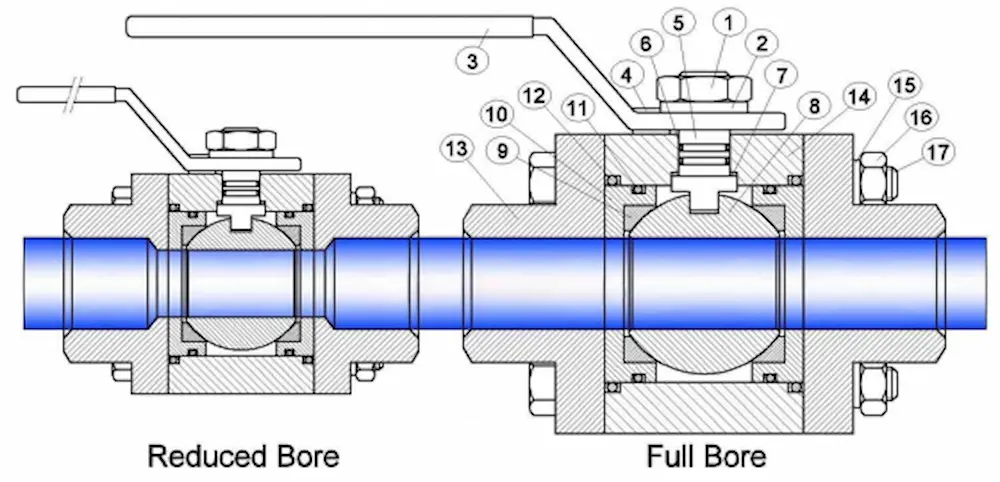
Full Port vs Reduced Port Ball Valve: What Is the Difference?
Compare full port and reduced port ball valves by bore size, flow capacity, pressure drop, cost, valve size, applications, and industrial selection requirements.
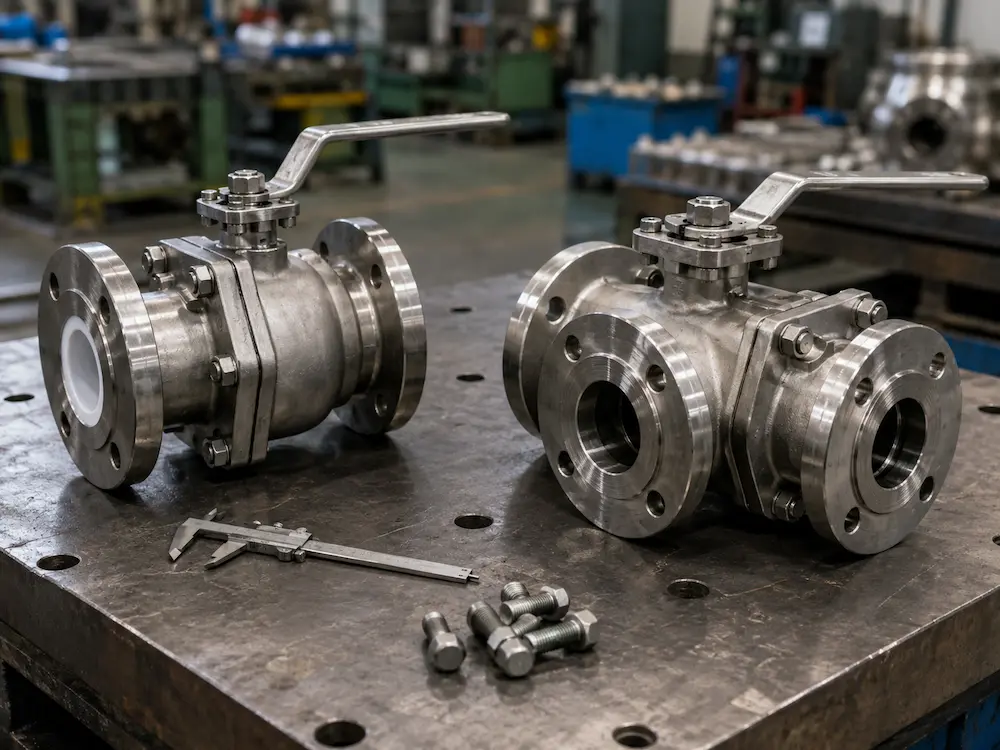
2-Way vs 3-Way Ball Valve: What Is the Difference?
Compare 2-way vs 3-way ball valves by structure, flow path, L-port and T-port design, shutoff function, flow routing, automation, applications, and selection requirements.
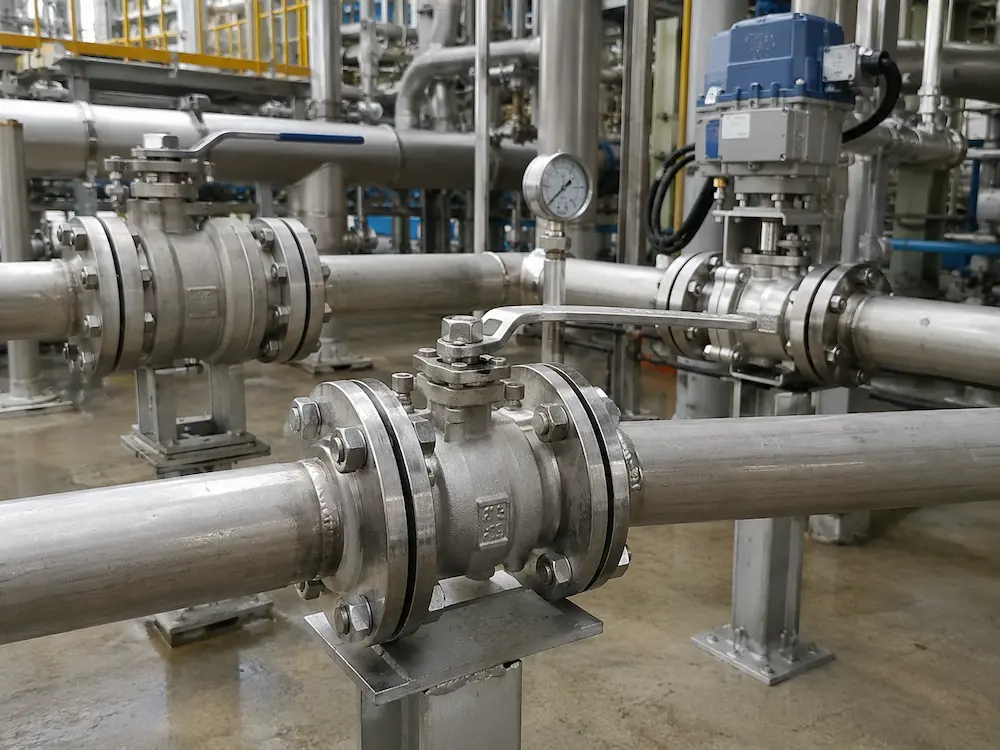
Industrial Ball Valves: 12 Best Types, Materials and Selection Tips
Learn how to choose industrial ball valves by valve type, material, seat design, port type, connection, pressure, temperature, media, automation, and application.
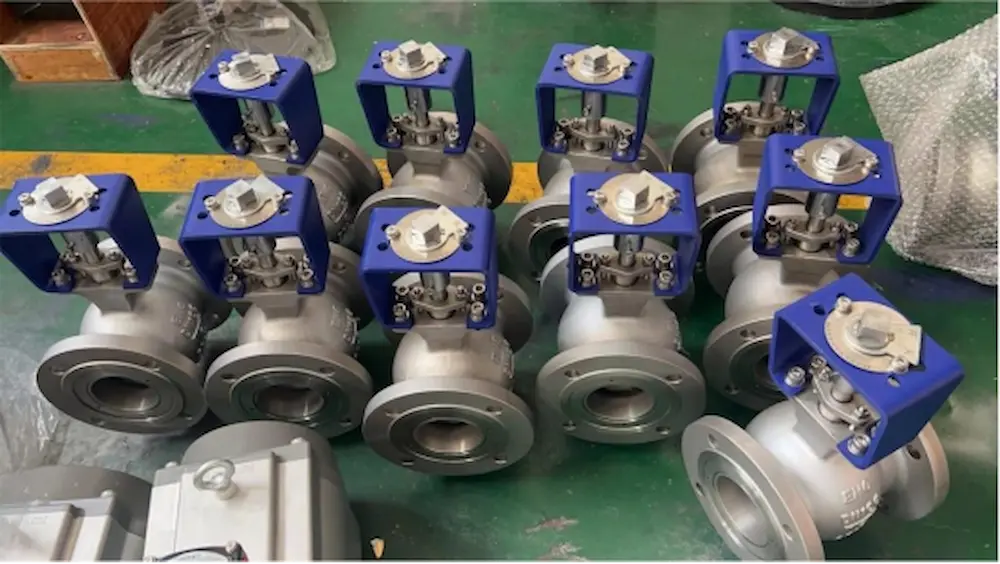
Electric Ball Valves in Chemical Plants: Automation, Safety and Flow Control
Learn how to choose electric ball valves for chemical plants by valve material, actuator torque, control signal, safety, corrosion resistance, and flow control needs.