
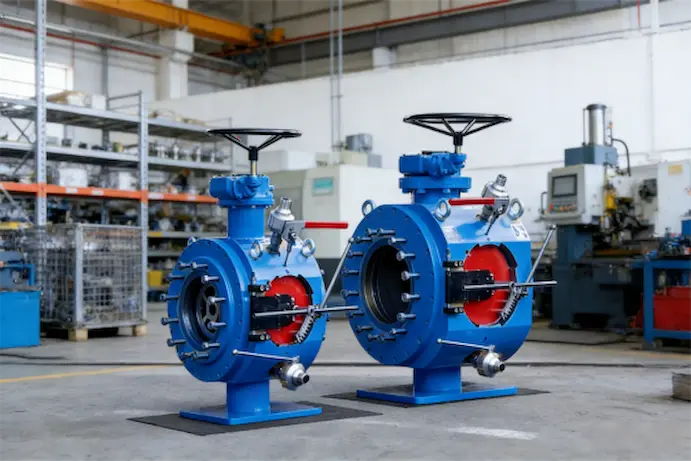
What is a Piggable Valve? Understanding Its Role in Pipeline Maintenance
Learn what a piggable valve is and how its full-bore, unobstructed flow path allows cleaning, inspection, and batching pigs to pass safely through a pipeline. The guide explains how piggable valves support pipeline cleaning, corrosion inspection, blockage prevention, reduced downtime, and more efficient maintenance in oil, gas, chemical, and water systems.
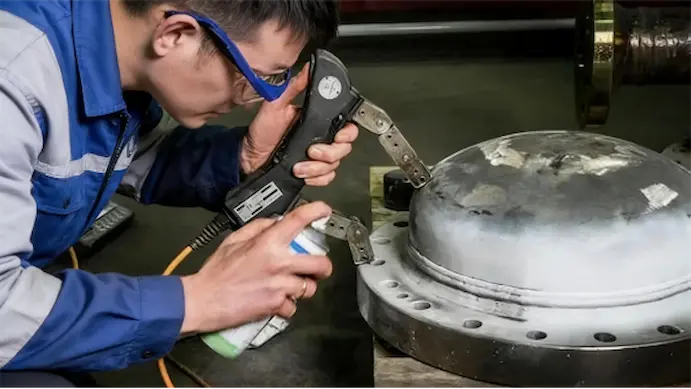
Magnetic Particle Inspection (MPI) for Valve Quality Assurance: A Comprehensive Guide
Learn how Magnetic Particle Inspection (MPI) detects surface and near-surface discontinuities in ferromagnetic valve components without damaging the parts. The guide explains the magnetisation, particle application, inspection, and demagnetisation process, while showing how MPI supports valve quality control, pressure integrity, operational safety, and early crack detection.
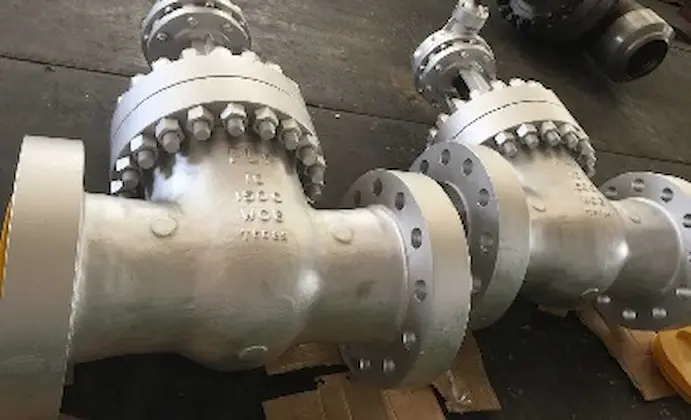
ASTM A217 Casting Valves for High-Temperature Service
Explore ASTM A217 alloy steel castings for valves used in high-temperature and pressure-containing service. The guide explains common material characteristics, heat and corrosion resistance, valve applications, and key considerations for selecting suitable grades according to operating temperature, pressure, thermal cycling, and applicable engineering codes.
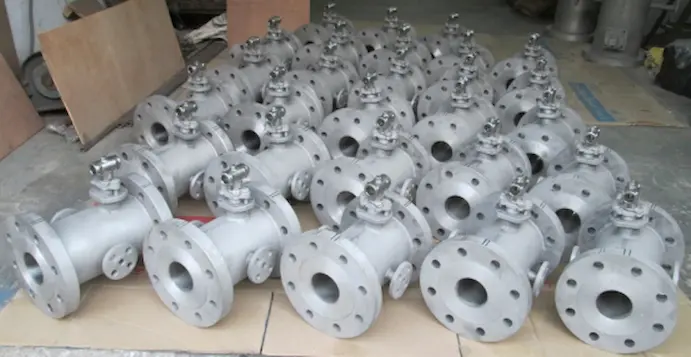
What Are Jacketed Valves? Applications and Benefits for Industrial Use
Learn how jacketed valves circulate steam, hot water, glycol, or another heat-transfer medium around the valve body to maintain process-fluid temperature and prevent solidification, crystallisation, and flow blockage. The guide explains their operating principle, key benefits, selection considerations, and applications in chemical processing, food production, pharmaceuticals, and other temperature-sensitive or high-viscosity services.
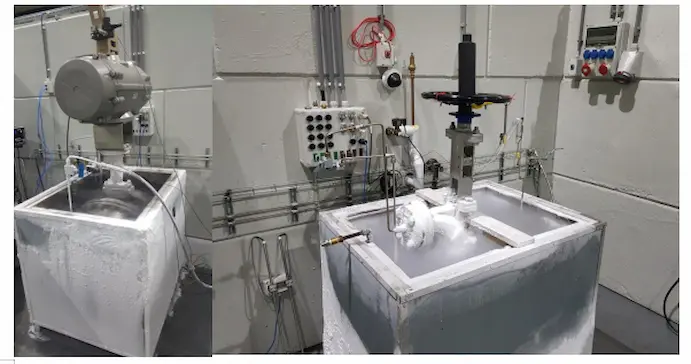
Installation Requirements for Cryogenic Valves: Best Practices and Tips
Learn the essential requirements for installing cryogenic valves in LNG, liquid oxygen, nitrogen, hydrogen, and other extremely low-temperature systems. The guide covers material and seal compatibility, valve orientation and pipeline alignment, leak and pressure testing, commissioning checks, and maintenance practices that help prevent leakage, cracking, operational failure, and premature valve damage.
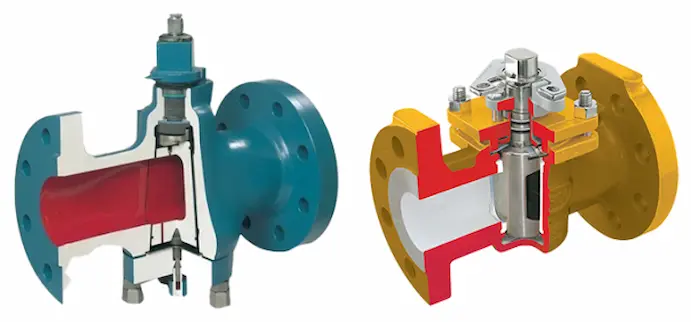
Non-Lubricated Plug Valve vs Lubricated Plug Valve: Which is Best for Your Application?
Compare non-lubricated and lubricated plug valves by sealing design, operating torque, pressure and temperature capability, maintenance, contamination risk, and application. Non-lubricated plug valves suit cleaner, low- to medium-pressure services where lubricant contamination is undesirable, while lubricated plug valves provide smoother operation and stronger sealing for demanding high-pressure and high-temperature industrial systems.