
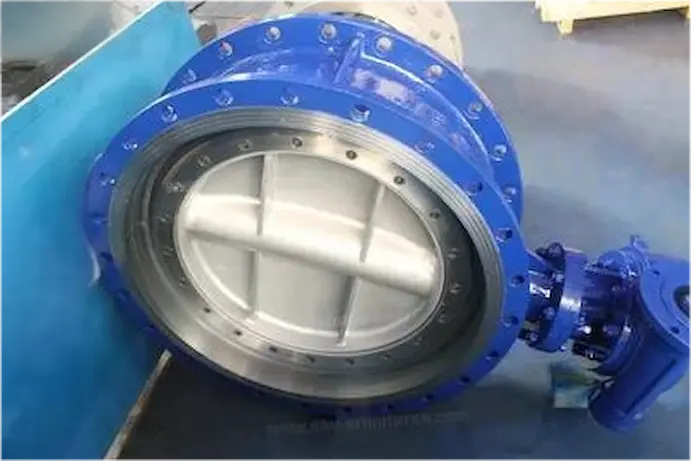
Gear Operated Butterfly Valve: Design & Applications
Quick Overview Our gear operated butterfly valve is a manually

Pneumatic Butterfly Valve: Actuator Types, Applications and Selection Guide
Learn how pneumatic butterfly valves combine a quarter-turn butterfly valve with a compressed-air actuator for fast and repeatable automated operation. The guide explains double-acting and spring-return actuator options, wafer and lug valve body selection, actuator torque matching, positioner and limit-switch accessories, air-supply requirements, throttling limitations, and key configuration factors for water, HVAC, chemical, food, oil and gas, and industrial automation systems.
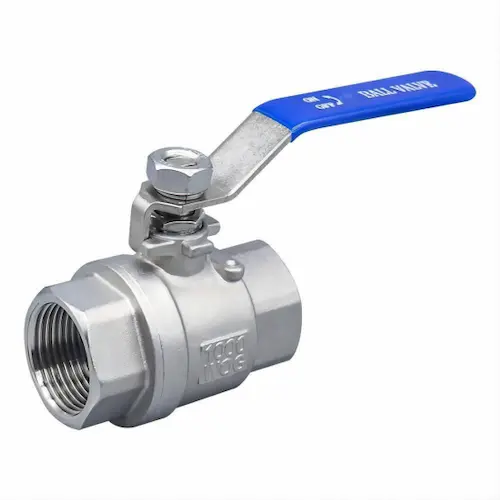
1/2 inch Mini Ball Valve: The Ultimate Guide for Compact, Reliable Flow Control
Quick Summary The 1/2 Inch Mini Ball Valve is a
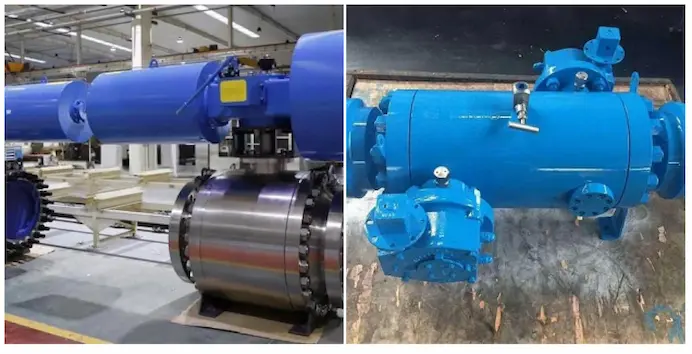
How DBB and DIB Valves Work: Key Differences Explained
Learn how Double Block and Bleed (DBB) and Double Isolation and Bleed (DIB) valves provide two sealing barriers with a bleed cavity for safer pipeline isolation. DBB valves offer compact, verifiable isolation for standard pipeline and manifold applications, while DIB valves provide independent bidirectional sealing for hazardous, high-pressure, and other critical services.
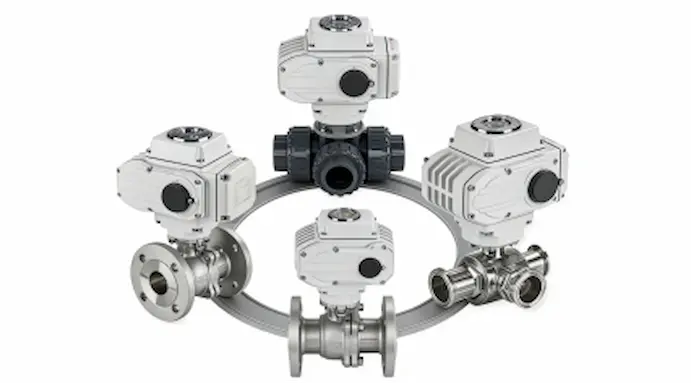
Actuated Ball Valves for Process Automation: Types, Selection and Control
Learn how actuated ball valves support process automation by combining quarter-turn ball valve shutoff with pneumatic, electric, or smart actuator control. The guide explains on/off and modulating configurations, actuator selection, torque verification, PLC/DCS/SCADA integration, feedback accessories, fail-safe options, hazardous-area considerations, and key application factors for oil and gas, chemical, water treatment, food, power, and manufacturing systems.
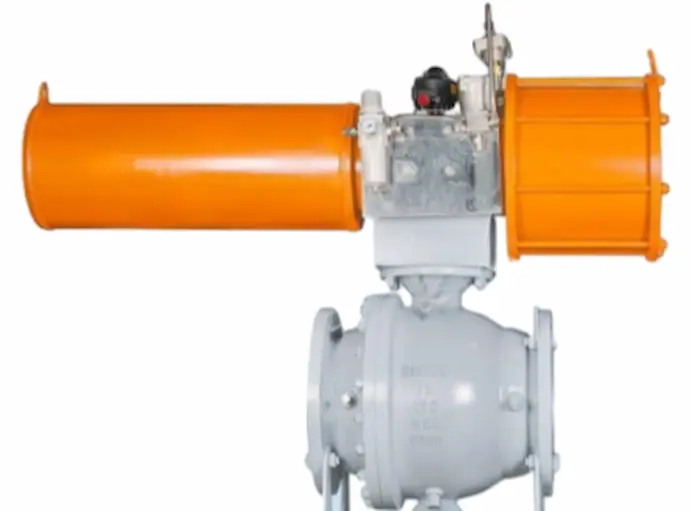
Low-Torque Ball Valves for Automation: Torque, Actuator Sizing and Selection
Learn why low-torque ball valves are important for pneumatic and electric automation systems. The guide explains how seat friction, ball surface finish, stem design, bearing support, pressure differential, media conditions, and torque consistency affect actuator sizing, air or power consumption, cycling reliability, positioning stability, and long-term performance in automated industrial valve packages.