
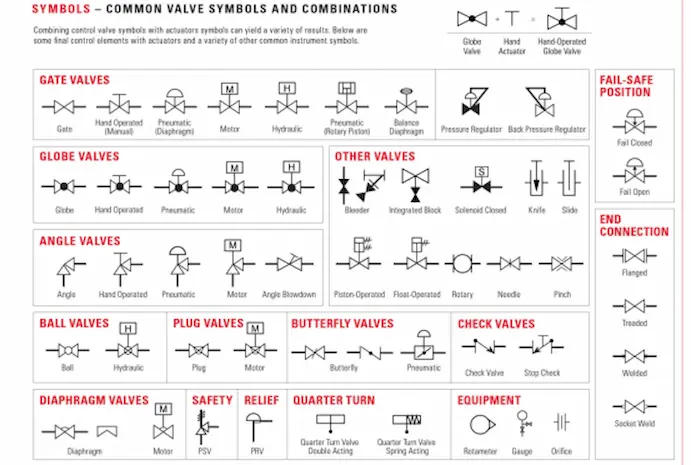
Valve Symbols Explained: Complete Guide & Chart
Learn how common valve symbols are represented and interpreted in P&ID and process flow drawings, including ball, gate, globe, check, and control valves. The guide explains each symbol’s basic function, highlights differences between ISO, ISA, and ANSI conventions, and shows how correct symbol interpretation helps prevent specification, procurement, installation, and commissioning errors.
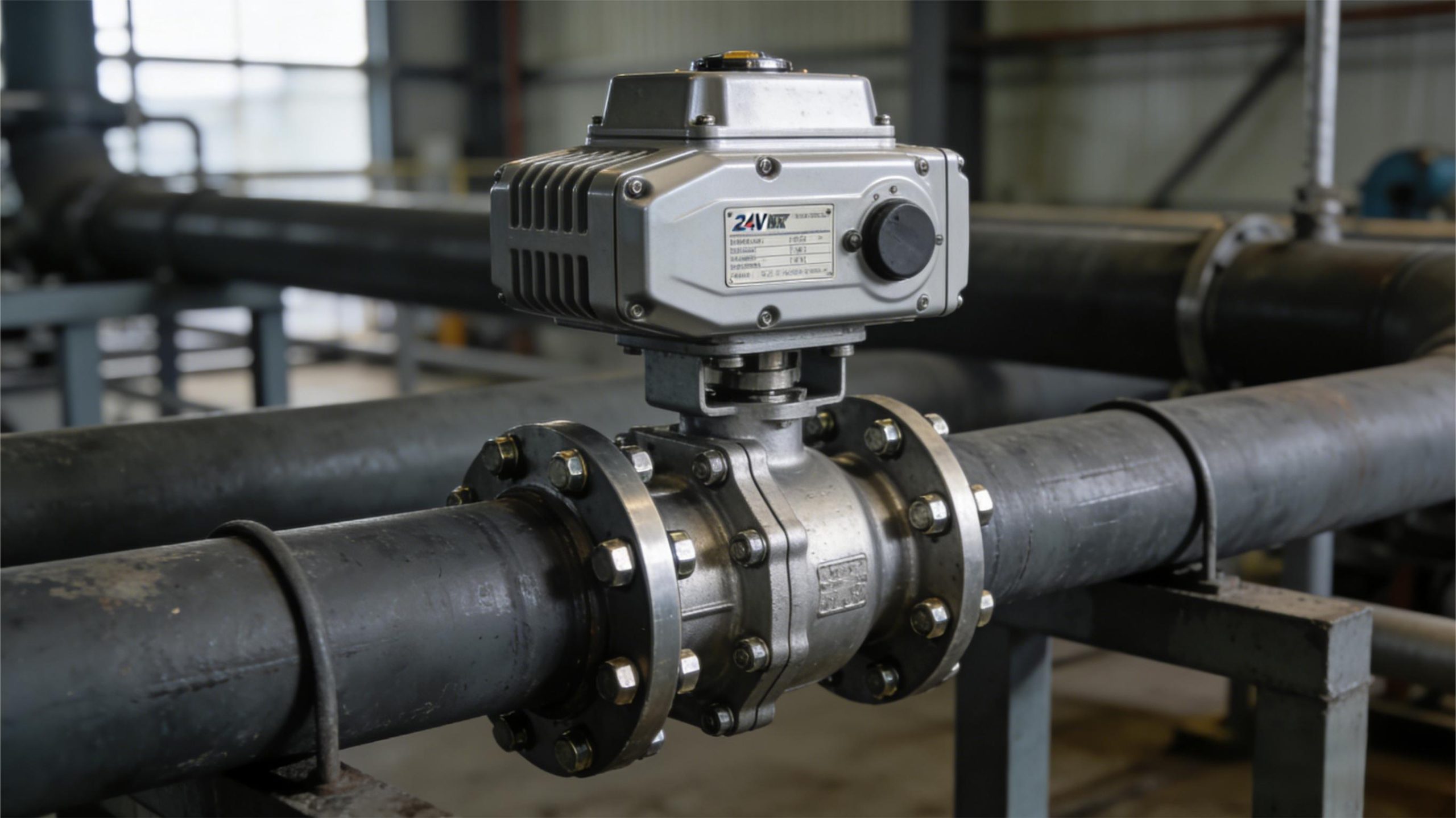
7 Key Reasons to Choose 24V DC Actuator Valves for Industrial Automation
Quick Summary 24V DC actuator valves are electromechanical devices that
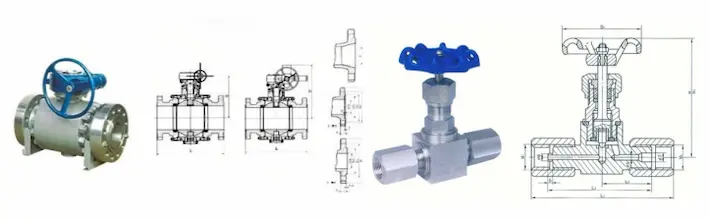
Needle Valve vs Ball Valve: Full Comparison Guide
Compare needle valves and ball valves by flow-control precision, pressure drop, operating method, shutoff performance, and application. Needle valves provide fine, gradual adjustment for instrumentation, calibration, sampling, and low-flow control systems, while ball valves offer rapid quarter-turn operation, low flow resistance, and reliable isolation for water, oil, gas, and general industrial pipelines.
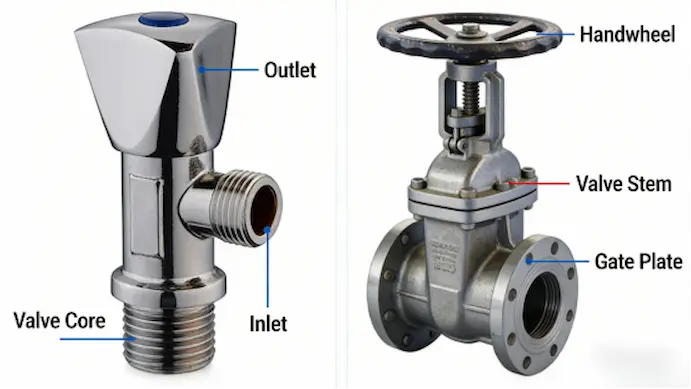
Angle Valve vs Gate Valve: Differences & Applications
Compare angle valves and gate valves by flow path, installation space, pressure drop, operating frequency, and application. Angle valves redirect flow by 90 degrees and provide compact local shutoff for plumbing fixtures, branch lines, and confined spaces, while gate valves provide straight-through, low-resistance isolation for main water and industrial pipelines.
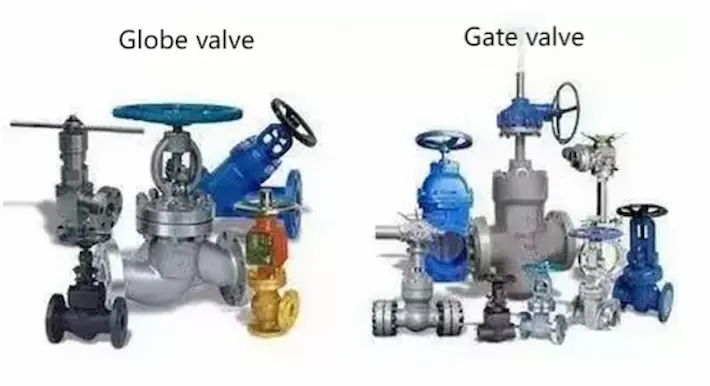
Globe Valves vs Gate Valves: Differences & Applications
Compare globe valves and gate valves by flow path, throttling performance, pressure loss, operating frequency, sealing, and application. Globe valves provide accurate flow regulation and frequent operation for steam, fuel, and process-control lines, while gate valves offer straight-through flow and minimal pressure loss for full-open or full-closed isolation in water, fire-protection, and transmission pipelines.
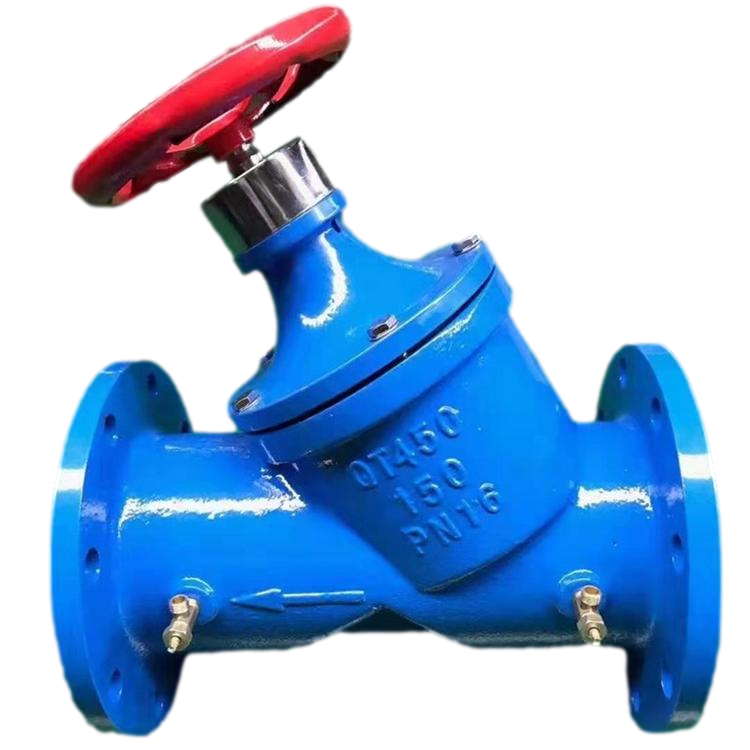
What are Balancing Valves? A Complete Guide for HVAC & Hydronic Systems
Quick Summary Balancing valves are critical components in fluid systems—especially