
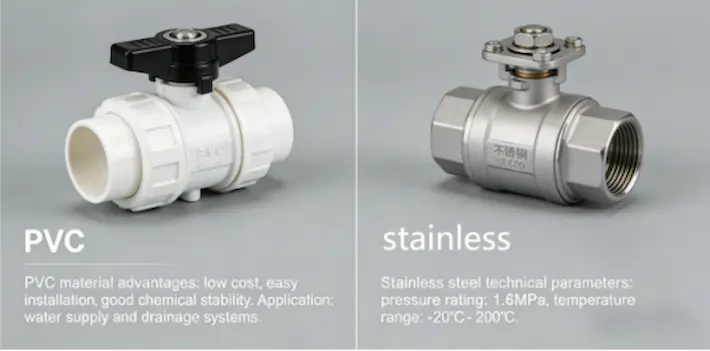
PVC Ball Valve vs Stainless Steel Ball Valve: Which One Should You Choose?
Compare PVC and stainless steel ball valves by pressure and temperature capability, corrosion resistance, mechanical strength, weight, cost, and media compatibility. PVC ball valves offer a lightweight and economical solution for cold water, irrigation, water treatment, and compatible low-temperature chemicals, while stainless steel ball valves provide greater strength and durability for high-pressure, high-temperature, steam, oil, gas, and demanding chemical applications.
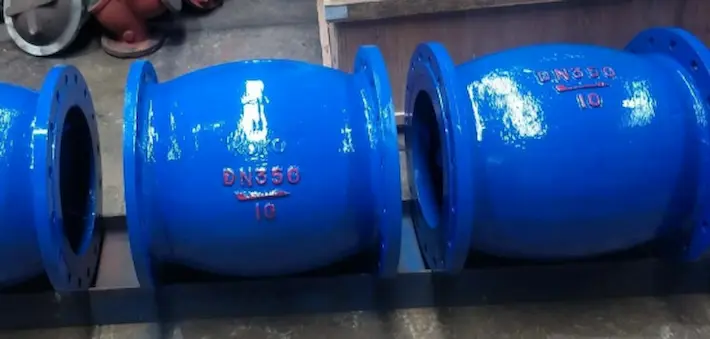
Sump Pump Check Valves: Types, Benefits & Applications
Learn how to select sump pump check valves for basement drainage, commercial sump systems, and pump discharge lines. The guide explains how swing, spring-loaded silent, flapper, and ball check valves help prevent backflow, reduce short cycling, limit discharge-pipe noise, and protect sump pumps, while covering installation position, material selection, debris tolerance, pressure and flow ratings, inspection access, and replacement considerations.
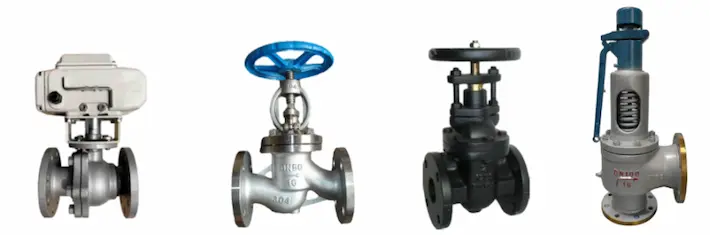
Types of Valves Used in Steam Applications | Complete Guide
Explore the main valve types used in steam systems, including globe, gate, ball, check, control, and safety valves. The guide explains how each valve supports steam regulation, isolation, backflow prevention, or overpressure protection, while highlighting key selection factors such as pressure-temperature rating, seat design, materials, condensate, thermal expansion, and installation position.
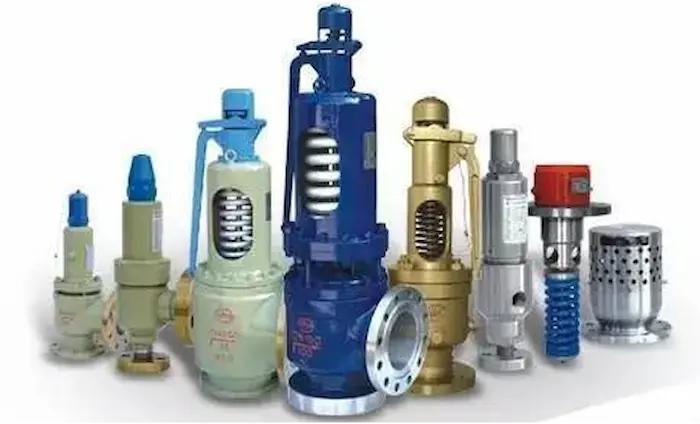
Thermostat Valve vs Safety Valve: Key Differences Explained
Compare thermostat valves and safety valves by control purpose, trigger mechanism, response speed, operating role, and application. Thermostat valves regulate flow gradually in response to temperature changes for HVAC, hot-water, and heat-exchanger systems, while safety valves open automatically at a preset pressure to protect boilers, pressure vessels, compressors, and industrial pipelines from overpressure.
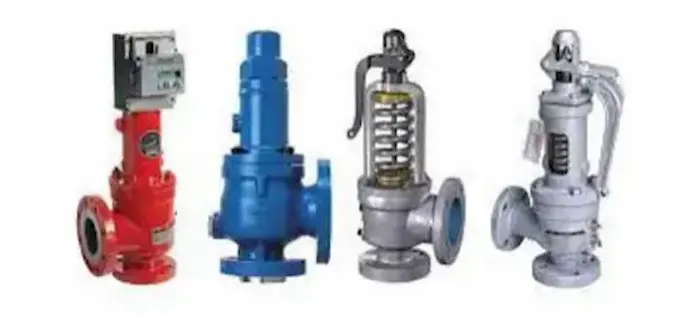
Pressure Relief Valves Explained: A Complete Guide for Industrial Safety
Learn how pressure relief valves protect pressurized equipment, pipelines, and process systems from unsafe overpressure conditions. The guide explains the differences between safety valves and relief valves, spring-loaded and pilot-operated designs, set pressure, relieving capacity, overpressure scenarios, installation precautions, inspection requirements, and key standards such as ASME and API for industrial steam, gas, liquid, chemical, and utility systems.
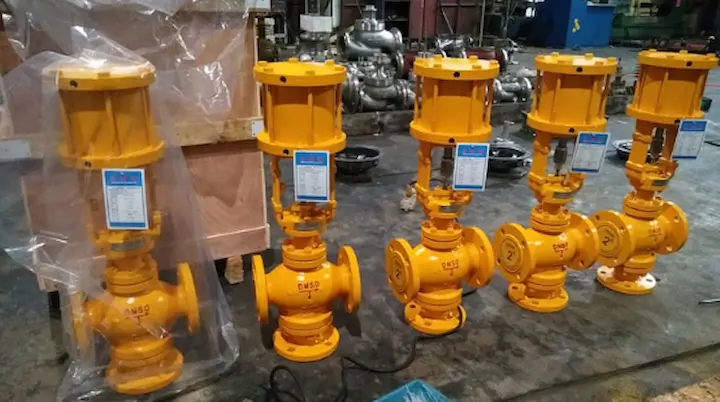
Why Are 2-Way and 3-Way Valves Necessary?
Compare 2-way and 3-way valves by port configuration, flow function, control capability, piping complexity, and application. Two-way valves are used for isolation and basic flow regulation, while three-way valves mix, divert, or bypass flow in HVAC, heat-exchange, cooling, and automated process-control systems.