
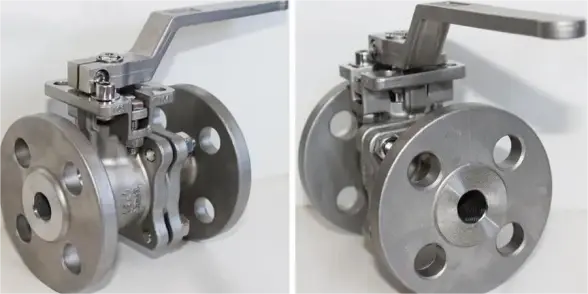
What Is a CF8M Ball Valve? Complete Industrial Guide
Learn what a CF8M ball valve is, including its ASTM A351 cast stainless steel composition, corrosion resistance, available valve designs, and industrial applications. CF8M is comparable to 316 stainless steel and contains molybdenum for improved resistance to chlorides, acids, and pitting, making these valves suitable for chemical processing, marine, oil and gas, food processing, and other corrosive services.
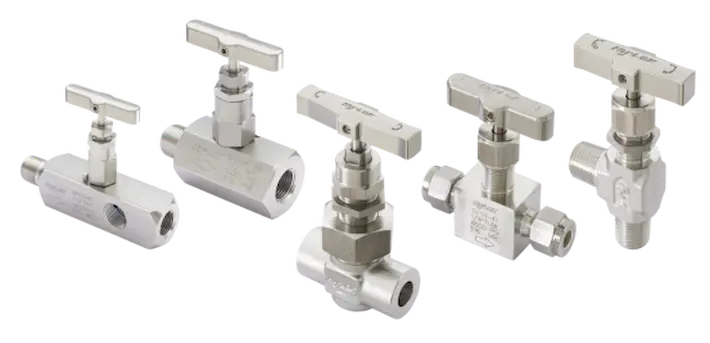
Needle Valve Guide: Working Principle, Applications and Selection Limits
Learn how needle valves provide fine flow adjustment in low-flow, instrumentation, calibration, dosing, hydraulic, pneumatic, and high-pressure fluid control systems. The guide explains needle valve working principles, tapered-stem design, straight and angle configurations, material selection, pressure-temperature ratings, sealing performance, flow capacity limits, and key selection factors for gases, liquids, chemical dosing, test systems, and industrial instrumentation lines.
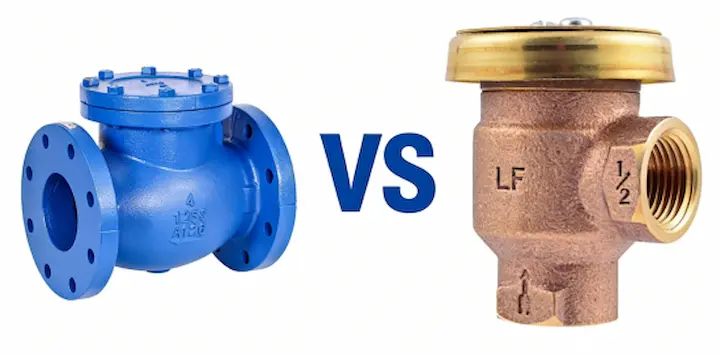
Vacuum Breaker vs Check Valve: Key Differences Explained
Learn the difference between a vacuum breaker and a check valve, including vacuum protection, siphon prevention, backflow control, installation points and selection checks.
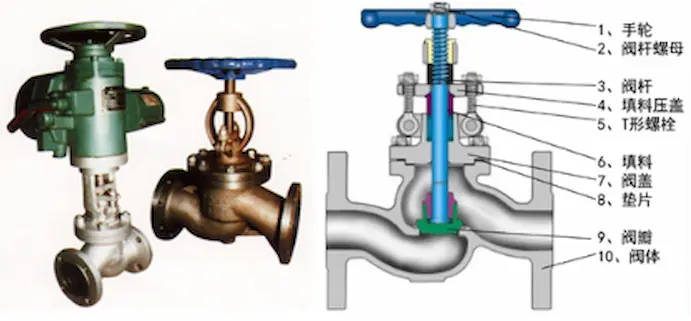
How to Tell If a Valve Is Open or Closed: Position Indicator Guide
Learn how to determine whether a valve is open, closed, or partially open by checking handle direction, stem position, handwheel travel, actuator indicators, position feedback, flow response, and operating records. The guide explains common valve position indicators for ball valves, gate valves, globe valves, check valves, and automated valves, while highlighting inspection, maintenance, lockout/tagout, and safety practices that help prevent misoperation in industrial, HVAC, plumbing, and process systems.
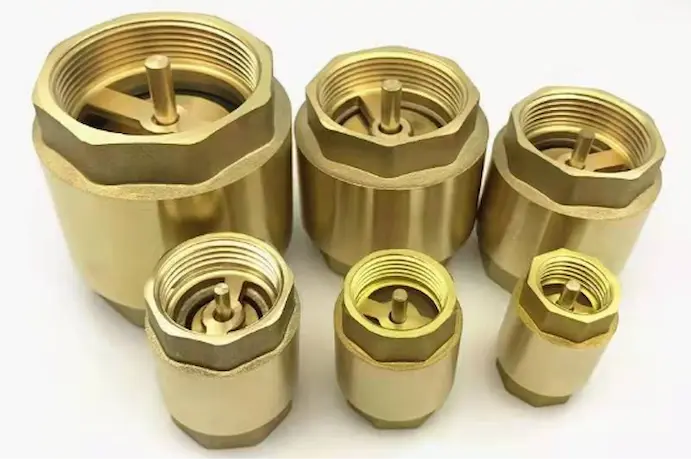
Brass Check Valve Guide: Types, Applications and Selection
Learn how brass check valves prevent reverse flow in water, HVAC, plumbing, gas, and light industrial piping systems. The guide explains swing, lift, ball, and spring-loaded check valve types, brass and lead-free brass material considerations, pressure-temperature ratings, flow direction, installation orientation, debris sensitivity, pressure drop, maintenance inspection, and key selection factors for reliable backflow prevention.
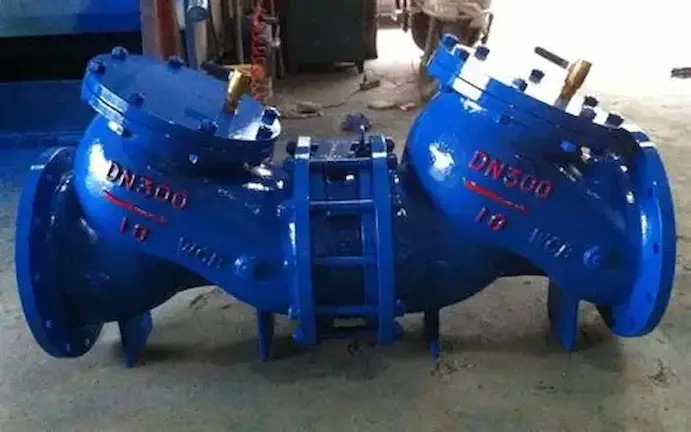
Backflow Preventer vs Check Valve: Which One is Right for You?
Compare backflow preventers and check valves by protection level, internal design, testing requirements, cost, and application. Backflow preventers use multiple protective components to safeguard potable water from backsiphonage and backpressure contamination, while check valves provide simpler one-way flow control for pumps, HVAC, fire protection, and general industrial pipelines.