Valve Design & Performance

Valve Design & Performance

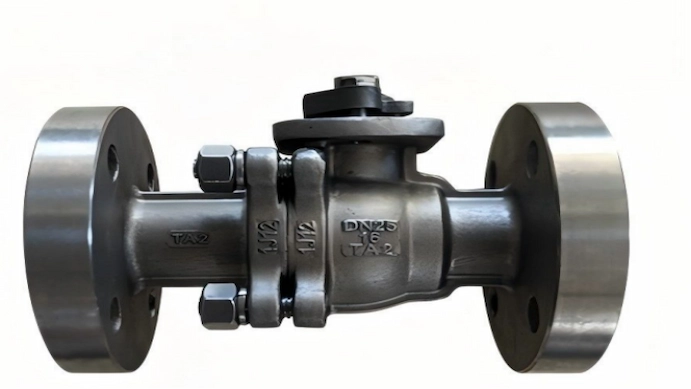
eccentric-half-ball-valve-vs-standard-ball-valve

Eccentric Half Ball Valve Design & Industrial Applications

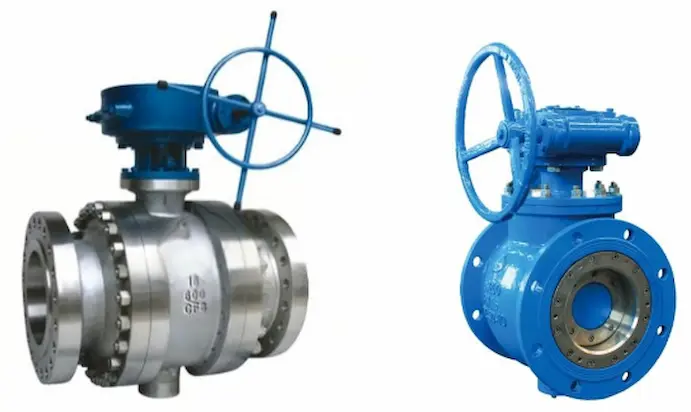
Learn how eccentric half-ball valves use an offset shaft and half-ball closure design to reduce seat rubbing, operating torque, and wear in abrasive, slurry, wastewater, pulp, ash, and solids-containing media. The guide explains the valve’s working principle, metal-seated sealing behavior, self-cleaning action, automation suitability, key selection factors, and differences from standard ball valves and butterfly valves in demanding industrial service.
Read More »
industrial-lift-check-valve-application-pipeline

Lift Check Valve Structure, Working Principle & Applications

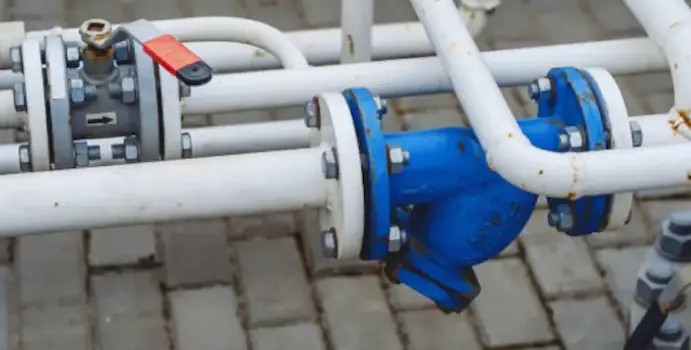
Learn how lift check valves use pressure differential, guided vertical disc movement, gravity, spring force, or back pressure to prevent reverse flow in pressurized pipeline systems. The guide explains lift check valve structure, working principle, horizontal and vertical installation requirements, flow stability, pressure-loss considerations, water-hammer limitations, and key selection factors for steam, oil, gas, boiler feed, refinery, and industrial process applications.

Read More »
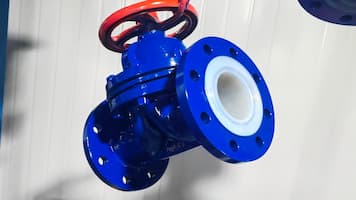
Valve-Symbols-Explained

Valve Symbols Explained: Complete Guide & Chart

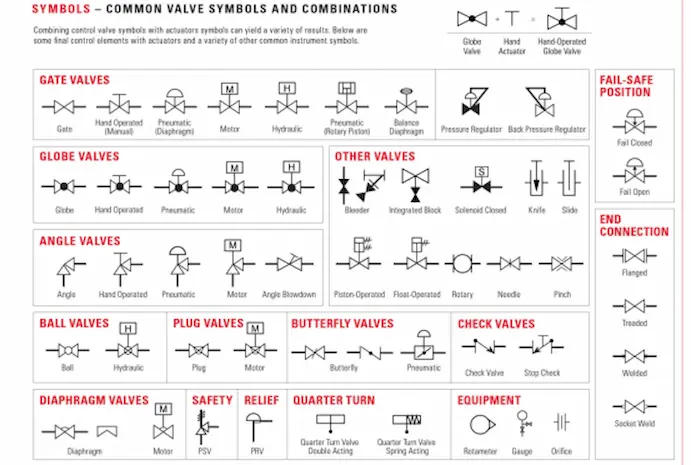
Learn how common valve symbols are represented and interpreted in P&ID and process flow drawings, including ball, gate, globe, check, and control valves. The guide explains each symbol’s basic function, highlights differences between ISO, ISA, and ANSI conventions, and shows how correct symbol interpretation helps prevent specification, procurement, installation, and commissioning errors.

Read More »
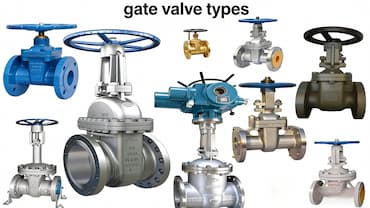
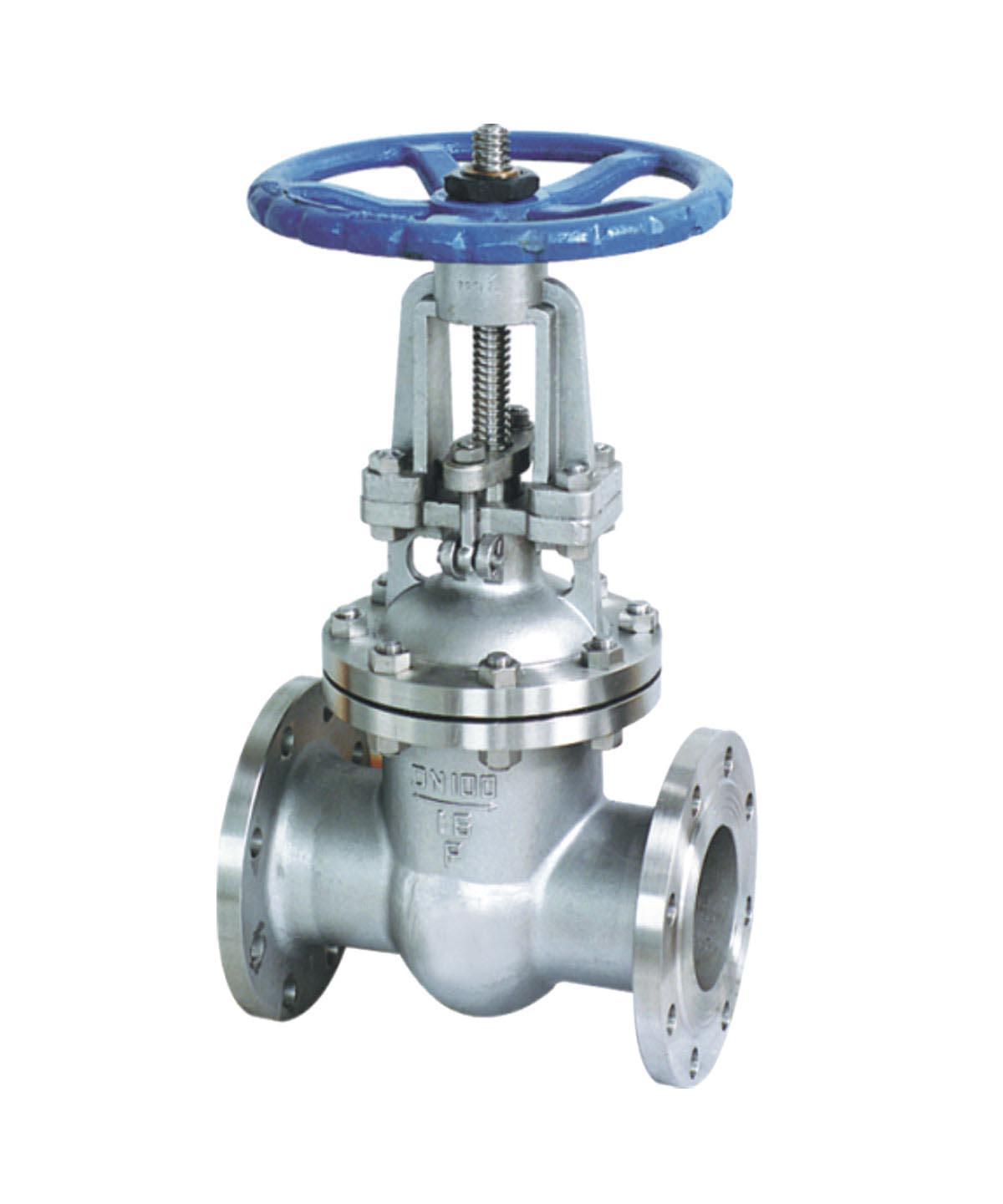
Gate valve types

Gate Valve: 5 Types, Parts, and Working Principle

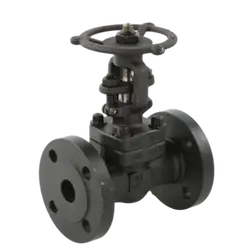
Explore the main gate valve types, components, and operating principle, including wedge, parallel-slide, resilient-seated, metal-seated, rising-stem, and non-rising-stem designs. The guide explains how gate valves provide full-open or full-closed pipeline isolation and highlights key selection factors such as seat construction, body material, pressure and temperature, media compatibility, actuation, maintenance, and applicable standards.

Read More »