Quick Summary
Valve materials for extreme temperature service should be selected by temperature range, pressure class, fluid chemistry, thermal cycling, seat material and packing design. Stainless steel, low-alloy steel, bronze, nickel alloys and titanium can all work, but each material solves a different problem. The safest RFQ starts with the actual operating temperature, minimum design temperature, pressure rating, medium, valve type and leakage requirement.
Valve Materials for Extreme Temperature: What Buyers Need to Confirm
Extreme temperature valve selection is not only a question of choosing a strong metal. A valve may have a suitable body material but still fail because the seat, stem, gasket or packing cannot tolerate heat, cryogenic shrinkage or chemical attack. For industrial projects, material selection should follow the pressure-temperature rating, medium compatibility and required shutoff performance.
For pressure-temperature ratings and construction rules, many valve specifications refer to ASME B16.34 valve requirements. For cast stainless pressure parts, buyers may also review ASTM A351/A351M stainless casting requirements. These standards do not replace project engineering, but they help define a clearer purchase specification.
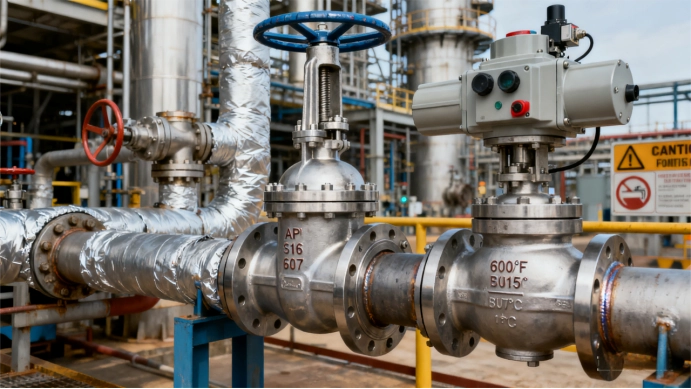
Selection Table: Body, Trim, Seat and Packing
| Valve Area | High Temperature Risk | Cryogenic Risk | What to Specify in RFQ |
|---|---|---|---|
| Body and bonnet | Strength loss, oxidation, thermal fatigue | Brittle fracture, contraction | Material grade, pressure class, design temperature |
| Disc, ball, gate or plug | Galling, deformation, coating failure | Clearance change, sealing instability | Trim material, hardfacing, operating frequency |
| Seats and seals | Soft seat degradation, leakage | Seat shrinkage, loss of contact stress | Metal seat, PTFE limit, graphite, PEEK or other seat material |
| Packing and gasket | Relaxation, extrusion, fugitive leakage | Thermal contraction, bolt load change | Graphite, PTFE, spiral wound gasket, emission requirement |
Common Material Choices and Where They Fit
1. Stainless Steel for Heat, Clean Service and Corrosion Balance
Stainless steel is often the first choice when the valve must resist moderate heat and corrosion at the same time. CF8, CF8M, 304 and 316 are common options, but they should not be treated as interchangeable. Chlorides, acid concentration and temperature can change the corrosion risk quickly. For a closer grade comparison, see our 304 vs 316 stainless steel valve guide.
Stainless steel works well for many steam, hot water, chemical and food-grade applications. For severe pressure or chloride service, duplex or super duplex may be more suitable than standard 304/316.
2. Low-Alloy and Alloy Steel for High Heat and Pressure
Alloy steel is used when the key requirement is strength at elevated temperature. It is common in power generation, refinery steam lines and thermal oil service. The buyer should confirm the exact ASTM grade, heat treatment, pressure class and whether the valve will see frequent temperature cycling.
Alloy steel may still need corrosion allowance or suitable trim if the medium is aggressive. Do not select it only by maximum temperature; pressure, start-stop cycles and external environment matter as well.
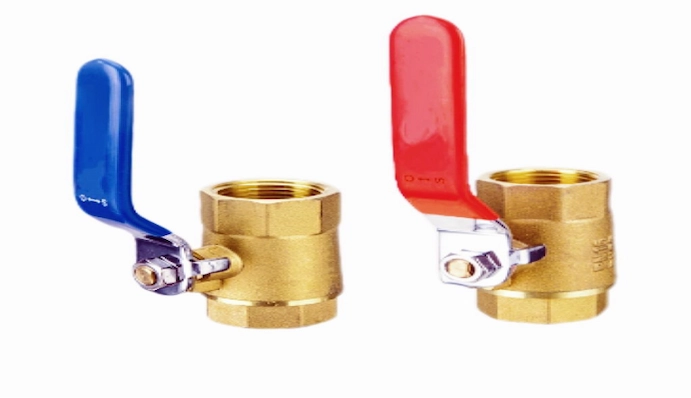
3. Bronze for Certain Low-Temperature and Marine Services
Bronze can be practical for selected low-temperature, seawater and utility applications because it offers good machinability and corrosion resistance in many water services. It is not a universal cryogenic material. The exact bronze grade and design temperature must be confirmed before use in LNG, oxygen or very low temperature systems.
For marine-related decisions, compare service medium and corrosion exposure with our bronze valves for marine engineers guide.
4. Nickel Alloys for Corrosion Plus Temperature
Nickel alloys such as Monel, Hastelloy and Inconel are selected when ordinary stainless steel cannot handle the combination of corrosion, heat or special media. They are more expensive, so they should be specified only after the fluid concentration, temperature, solids and cleaning process are known.
For highly corrosive media, the material decision may come down to a narrow compatibility window. Our Hastelloy vs titanium valve comparison explains how to think through that tradeoff.
5. Titanium for Specific Corrosive and Weight-Sensitive Duties
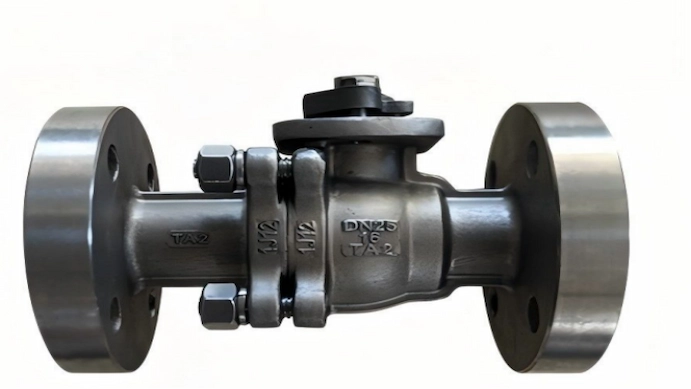
Titanium offers excellent corrosion resistance in many oxidizing media and seawater applications, but it is not the default answer for every high-temperature valve. It must be checked carefully against reducing acids, dry chlorine risk, temperature limits and galvanic compatibility with connected piping.
For severe projects, titanium selection should include material certificates, PMI, pressure testing and documentation requirements before the purchase order is released.
Do Not Ignore Seats, Seals and Packing
Many failures blamed on body material are actually caused by seats, seals or packing. PTFE may be excellent for clean chemical sealing, but it has temperature limits. Graphite is common for high-temperature packing and gaskets, but it must be matched with stem finish, bolting and emission requirements. Metal seated valves may be necessary for very hot, abrasive or fire-safe service.
If sealing performance is a critical point, review our valve sealing performance guide before finalizing the specification.
High Temperature vs Cryogenic Valve Material Checks
| Service Type | Main Risk | Better Questions to Ask |
|---|---|---|
| Steam and thermal oil | Strength reduction, packing leakage, oxidation | What is the continuous and peak temperature? Is metal seating required? |
| Cryogenic LNG or liquid gas | Brittle fracture, contraction, bonnet design | What is the minimum design temperature? Is an extended bonnet required? |
| Chemical heat service | Corrosion rate increases with temperature | What is the chemical concentration at operating temperature? |
| Thermal cycling | Fatigue, gasket relaxation, seat movement | How often does the valve cycle between cold and hot conditions? |
For LNG and very low temperature projects, the valve structure is just as important as material grade. See our cryogenic valves for LNG selection guide.
RFQ Checklist for Extreme Temperature Valves
To receive a practical quotation, send more than just the valve size and material name. For valve materials for extreme temperature service, include these details in the inquiry:
- Fluid name, concentration, solids content and cleaning medium.
- Normal, maximum and minimum design temperature.
- Pressure class, connection standard and pipeline size.
- Valve type, operation mode and cycle frequency.
- Required shutoff class, fire-safe requirement or emission requirement.
- Preferred body, trim, seat, gasket and packing material.
- Required certificates such as MTC, PMI, pressure test or inspection report.
For documentation expectations, our valve certificates and quality documents guide can help you prepare a clearer RFQ package.
Conclusion
The right material choice is the one that matches the complete service condition, not the one with the highest temperature number on a datasheet. Stainless steel, alloy steel, bronze, nickel alloys and titanium each have useful ranges, but valve design, trim, seat and packing must be checked together. Share your service data with Vcore Valve and we can help recommend a suitable material package for quotation.
FAQ
What are the most common valve materials for extreme temperature service?
Common options include stainless steel, alloy steel, bronze, nickel alloys and titanium. The right choice depends on temperature, pressure, medium, corrosion risk and sealing requirements.
Can PTFE seats be used in high-temperature valves?
PTFE seats are useful in many chemical services, but they have temperature limits. For higher temperatures, graphite, PEEK, metal seats or special sealing structures may be required.
Why do cryogenic valves need special material checks?
Cryogenic service can cause contraction, brittleness and sealing changes. The valve may need compatible materials, extended bonnet design and low-temperature testing.
Which standard is useful for valve pressure-temperature ratings?
ASME B16.34 is commonly referenced for pressure-temperature ratings and construction requirements for many industrial valves.