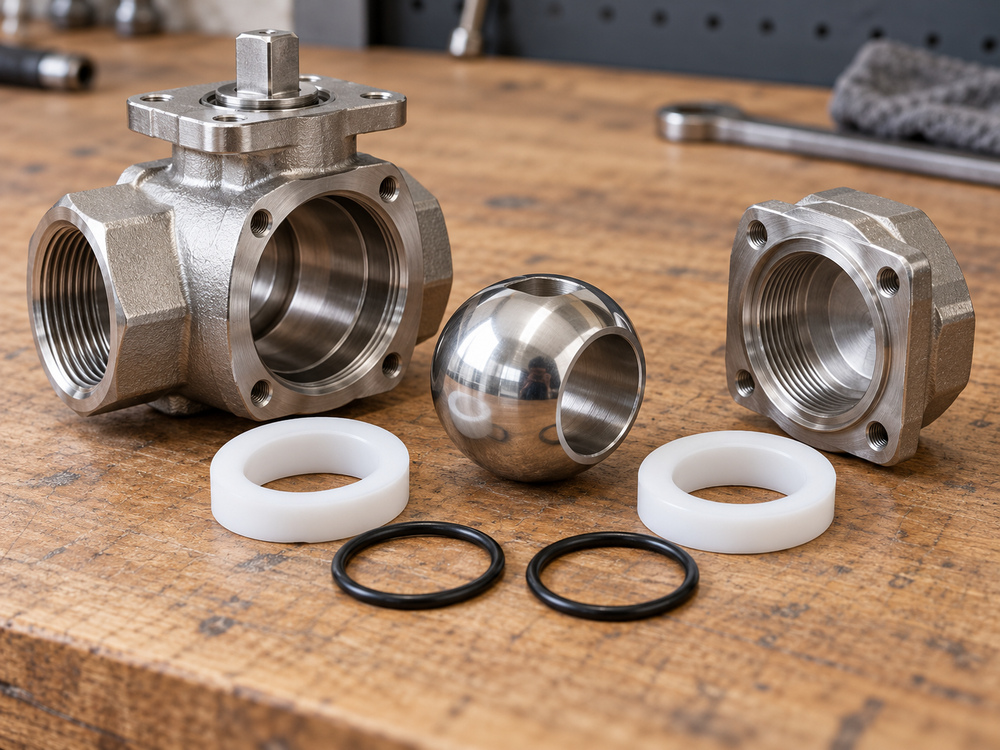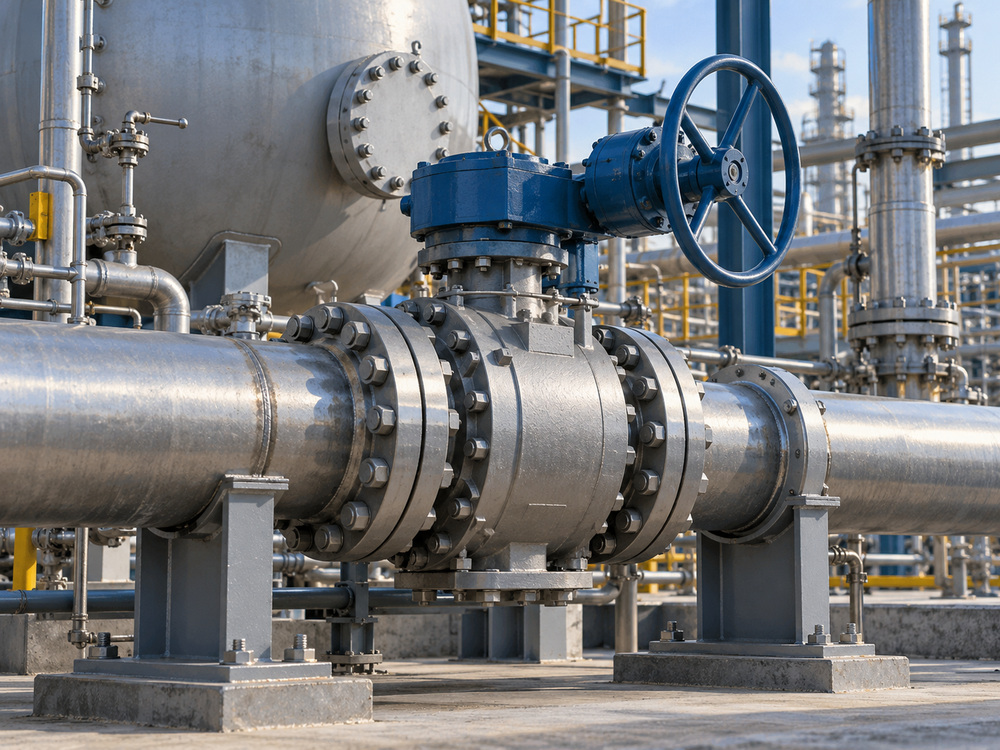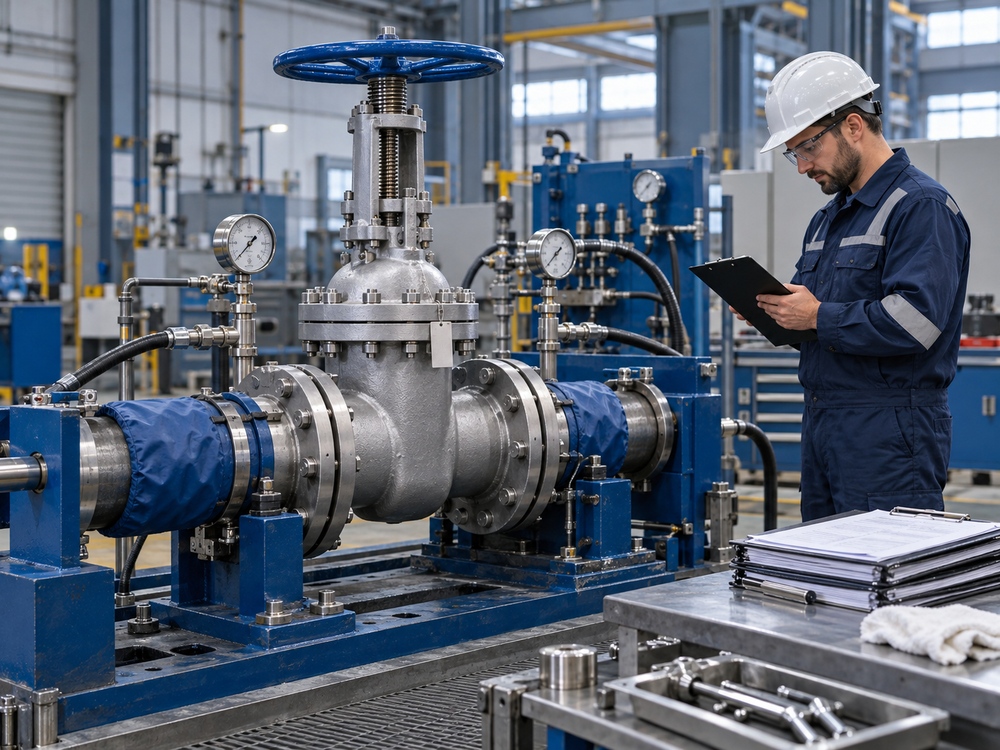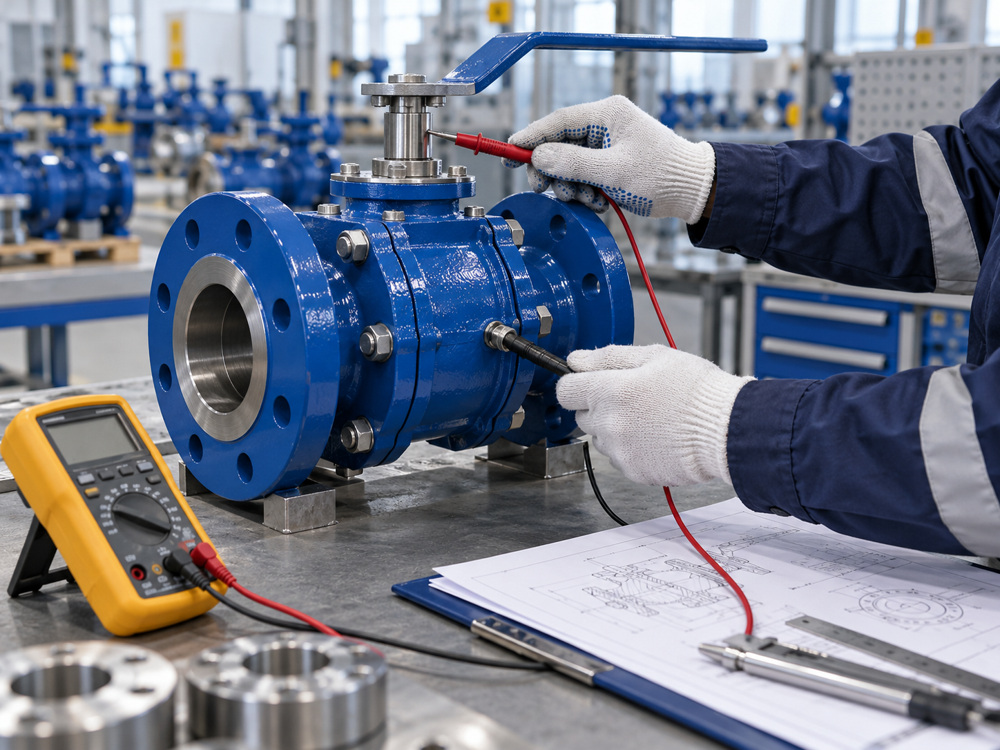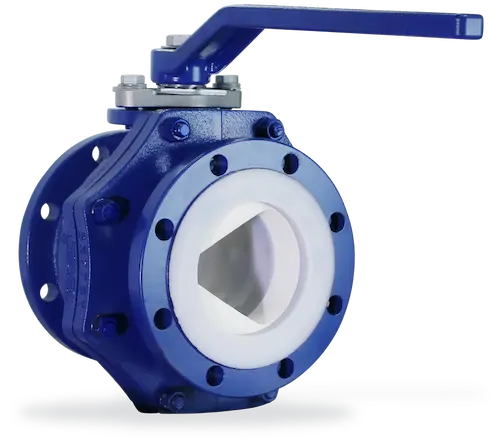
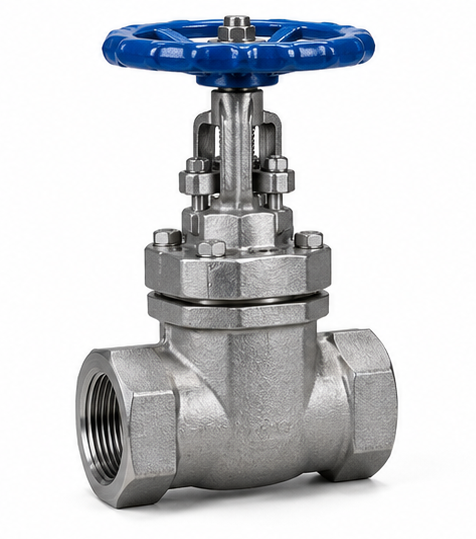
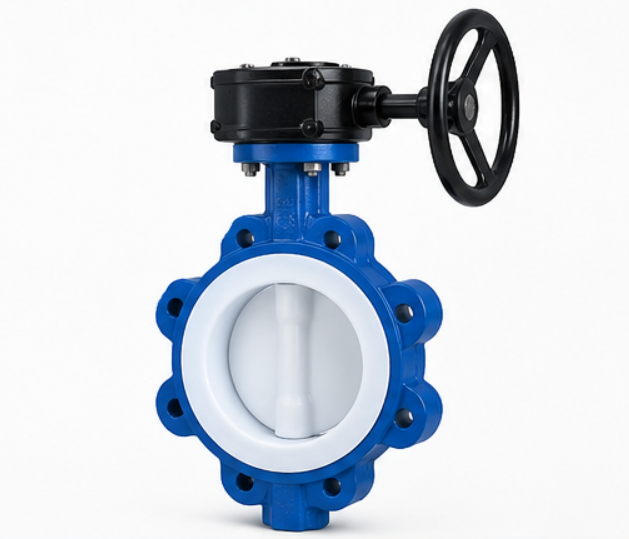
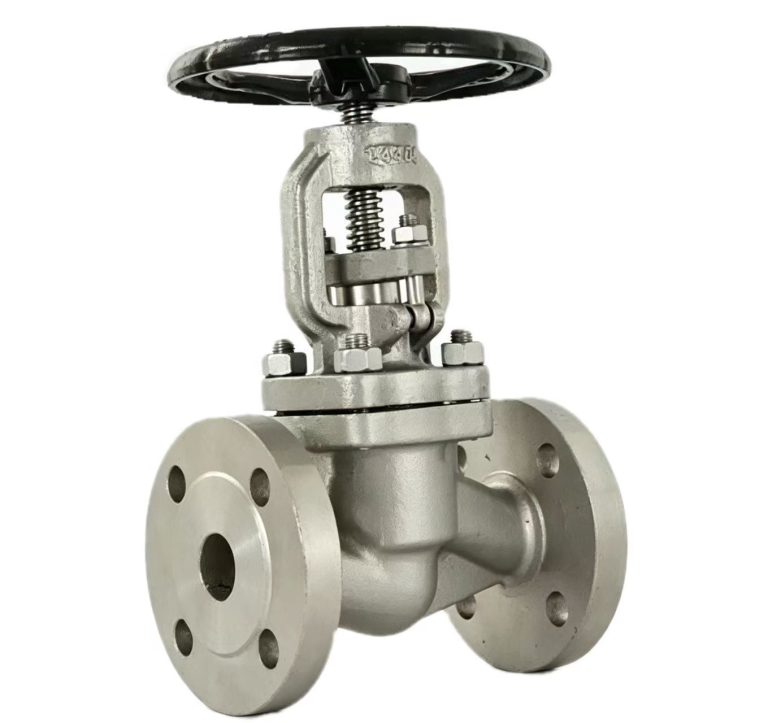
This page covers V port ball valve configurations rather than one fixed dimensional model. Depending on pipe size, pressure, medium, required flow range and control accuracy, the valve can be supplied with threaded, flanged or welded connections, manual operation, pneumatic actuator or electric actuator. Final selection should be confirmed from the required flow rate, pressure drop, medium condition and control method.
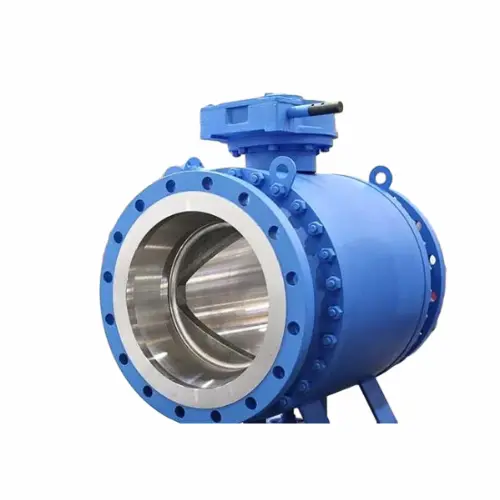
Key Product Features
- V-shaped ball opening for modulating and flow-control service
- More controlled throttling behavior than standard round-port ball valves
- Suitable for water, chemical, HVAC, process and utility media when properly selected
- Threaded, flanged or project-specific connection options
- Manual, pneumatic or electric actuation available
- PTFE, RPTFE, PEEK, metal seat or project-specific seat options
- Control signal options available for actuated valves
- Flow coefficient, pressure drop and actuator sizing should be confirmed before quotation
Product Configuration
| Configuration Item | Common Configuration | Project Options |
|---|---|---|
| Valve Type | V port ball valve / V notch ball valve | Manual or actuated modulating ball valve |
| Flow Characteristic | Characterized V-shaped ball opening | Different V-port angles according to control requirement |
| Connection | Threaded or flanged | Socket weld, butt weld or project-specific connection |
| Body Material | Stainless steel or carbon steel | 316 stainless steel, alloy steel or corrosion-resistant material |
| Seat | PTFE or RPTFE | PEEK, metal seat or special seat after service review |
| Operation | Manual lever or gear operation | Pneumatic or electric actuator with positioner |
Technical Specifications
| Specification Item | Typical / Available Options |
|---|---|
| Product Type | V port ball valve / V notch ball valve |
| Primary Function | Flow control, throttling and modulating service |
| Ball Design | V-shaped ball opening |
| V-Port Angle | According to selected product series and required flow characteristic |
| Size Range | According to selected threaded, flanged or actuated product series |
| Pressure Rating | According to body material, end connection, seat material and approved pressure-temperature rating |
| Body Material | CF8, CF8M, F304, F316, WCB, A105 or project-specified material |
| Ball Material | Stainless steel, coated stainless steel, alloy steel or project-specified material |
| Seat Material | PTFE, RPTFE, PEEK, metal seat or project-specific seat material |
| End Connection | NPT, BSP, flanged, socket weld, butt weld or project-specific connection |
| Operation | Manual, pneumatic actuator or electric actuator |
| Control Option | On-off, modulating actuator, positioner, 4–20 mA or project-specific control signal |
| Design Reference | ASME B16.34, API 608 or approved project specification where applicable |
| Testing Reference | API 598, EN 12266 or approved inspection specification where applicable |
| Typical Media | Water, compatible chemicals, HVAC water, process liquids, utility fluids and selected gas service |
Technical note: Do not publish fixed Cv, control accuracy, pressure drop, temperature range or standard compliance until the selected product series, actuator package and project conditions are confirmed.
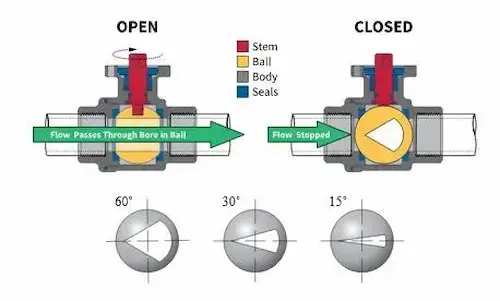
How the V Port Ball Design Works
A standard ball valve has a round port and is mainly used for fully open or fully closed isolation. A V port ball valve has a V-shaped cut in the ball. As the valve opens, the V-shaped opening gradually exposes the flow path, giving better throttling behavior than a standard round-port ball valve.
The V-port angle and ball geometry affect flow characteristic, controllable range, pressure drop and torque. For actuated control, the valve should be selected together with the actuator, positioner, control signal and process conditions.
V Port Ball Valve vs Standard Ball Valve
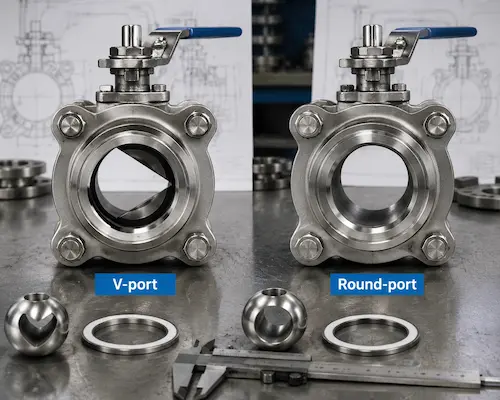
| Comparison Item | Standard Ball Valve | V Port Ball Valve |
|---|---|---|
| Main Function | On-off isolation | Flow control and modulating service |
| Ball Opening | Round bore | V-shaped opening |
| Throttling Behavior | Not recommended for continuous throttling | Better suited for controlled opening and flow adjustment |
| Control Accuracy | Limited | Depends on V-port design, actuator, positioner and process condition |
| Typical Use | Fully open or fully closed service | Dosing, balancing, flow regulation and process control |
Actuator and Control Options
For simple local adjustment, a manual V port ball valve may be sufficient. For automatic flow control, the valve usually requires a pneumatic or electric actuator with a positioner or modulating control signal. The actuator should be selected according to torque, pressure drop, valve size, cycling frequency and control response requirement.
- Manual operation: suitable for local flow adjustment and simple balancing.
- Pneumatic actuator: suitable for fast response and process automation where compressed air is available.
- Electric actuator: suitable for remote control where air supply is not available.
- Positioner: improves modulating control by matching valve position with control signal.
- Control signal: commonly specified as on-off, 4–20 mA, 0–10 V or project-specific signal.
For automatic shutoff and process automation, compare our Pneumatic Ball Valve and Electric Ball Valves in Chemical Plants guide.
V Port Ball Valve vs Globe Control Valve
A V port ball valve can be a compact and cost-effective solution for many modulating services, but it should not be presented as a universal replacement for a globe control valve. Globe control valves are still preferred in applications requiring higher control precision, severe pressure drop control, anti-cavitation trim or low-noise trim.
| Selection Point | V Port Ball Valve | Globe Control Valve |
|---|---|---|
| Structure | Quarter-turn rotary valve | Linear motion control valve |
| Main Advantage | Compact structure, high capacity and simple rotary actuation | Better suited for precise control and severe control trims |
| Pressure Drop Control | Suitable for selected moderate control conditions | Preferred for high pressure drop, cavitation or noise control |
| Maintenance | Simple rotary structure | More control-trim options but usually more complex |
| Typical Use | Water, chemical, HVAC and general process modulation | Precise process control, severe service and high differential pressure |
Typical Applications
V port ball valves are selected where stable flow adjustment is required but a full globe control valve may not be necessary. Common service areas include:
- Water treatment dosing and filtration flow adjustment
- Chemical process flow regulation with compatible media
- HVAC chilled water and hot water balancing
- Industrial utility and process water systems
- Tank inlet, outlet and transfer flow adjustment
- Skid-mounted equipment and compact process systems
- Low to moderate pressure-drop process modulation
- Automated flow adjustment using pneumatic or electric actuators
For broader chemical process selection, review our Industrial Valves for Chemical Processing guide. Additional ball valve structures are available in the Ball Valve category.
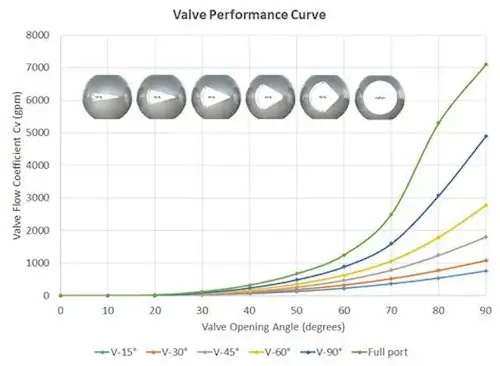
Application Limits
- A V port ball valve is suitable for selected throttling and modulating service, but not every control application.
- High differential pressure may cause cavitation, noise, vibration or seat damage.
- Slurry, solids or crystallizing media may damage the V-port edge and seats.
- Control accuracy depends on valve sizing, actuator, positioner and process stability.
- A V port ball valve should not be described as more precise than all globe control valves.
- Continuous throttling near the almost-closed position can increase local velocity and erosion.
- Seat material must be checked against temperature, chemical compatibility and pressure drop.
- Gas, steam or flashing service requires dedicated review before selection.
Inspection and Documentation
| Inspection / Document | Purpose |
|---|---|
| Material Test Certificate | Confirms body, ball, stem and pressure-containing component materials. |
| Dimensional Inspection | Checks connection dimensions, bore, V-port geometry and actuator interface. |
| Shell Pressure Test | Verifies pressure-containing body integrity. |
| Seat Leakage Test | Confirms shutoff performance under the agreed test condition. |
| Operation / Torque Test | Checks smooth movement and supports actuator sizing. |
| Actuator Functional Test | Checks open, close, modulating response, feedback and control signal when actuated. |
| PMI | Verifies alloy material chemistry when specified. |
| Final Data Book | Collects drawings, MTCs, inspection reports, pressure test records and certificates. |
Export packing should protect the V-shaped ball edge, seat surfaces, actuator interface, threaded ends, flange faces or weld ends. Actuated V port valves should be packed with actuator protection, moisture-resistant wrapping, foam separation and reinforced export cases according to valve size and transport method.
Information Required for Valve Selection
- Valve size and quantity
- Medium name, composition, concentration and phase
- Required flow rate: minimum, normal and maximum flow
- Inlet pressure, outlet pressure and pressure drop
- Operating temperature and design temperature
- Required Cv or flow coefficient if available
- Manual, pneumatic or electric operation
- Control signal: on-off, 4–20 mA, 0–10 V or project-specific signal
- Required flow characteristic and control accuracy
- Body, ball, seat, stem and seal materials
- Threaded, flanged, socket-weld or butt-weld connection
- Clean fluid, slurry, gas, steam, flashing or cavitation risk
- Testing, actuator inspection and documentation requirements
FAQ
1. What is a V port ball valve used for?
A V port ball valve is used for flow control, throttling and modulating service where a standard round-port ball valve is not suitable for stable adjustment. It is commonly used in water, chemical, HVAC and process systems.
2. How is a V port ball valve different from a standard ball valve?
A standard ball valve has a round bore and is mainly used for on-off isolation. A V port ball valve has a V-shaped opening that gradually exposes the flow path, making it more suitable for controlled flow adjustment.
3. Can a V port ball valve replace a globe control valve?
Not in every case. A V port ball valve can be suitable for many moderate flow-control duties, but globe control valves are usually preferred for severe pressure drop, cavitation control, low-noise trim and high-precision control applications.
4. Should a V port ball valve use an actuator?
Manual operation can be used for simple local adjustment. For automatic modulating control, a pneumatic or electric actuator with a positioner or control signal is usually required.
5. What information is needed for quotation?
For quotation, provide valve size, medium, flow rate, inlet pressure, outlet pressure, temperature, required Cv, connection type, body material, seat material, operation method, control signal and testing requirement.