🔍 Quick Overview
Steam control valves are crucial components in the regulation of steam flow within industrial applications. Understanding the types of steam control valves and selecting the right one for your system is essential to ensure safety, performance, and longevity. At Vcore Valve, we provide a wide range of high-quality steam valves designed to handle high temperatures, pressure, and variable conditions in various industries. This guide explores the different types of steam control valves, their applications, and the best practices for choosing the right valve.
🎬 Opening Scenario: Common Challenges in Steam Systems
Imagine this: a manufacturing plant relies on steam for critical processes like heating, sterilization, or power generation. The valves controlling the steam need to be precise and reliable. However, when an incorrect valve is chosen, problems such as inconsistent pressure control, leakage, or system inefficiencies can arise, compromising operations and safety.
“Which steam valve should we choose for our system? How do we avoid common issues?”
We’re here to guide you through the process of selecting the ideal steam control valve for your needs.
⚠️ User Pain Points
Choosing the Wrong Valve Type
Different steam applications require different valves. For example, a valve ideal for steam distribution might not be suitable for precise throttling control in high-pressure systems.
Valve Failure Due to Pressure Fluctuations
Incorrect selection of steam valves can lead to pressure fluctuations, poor flow regulation, and even valve failure due to the inability to withstand high temperatures and pressure conditions.
High Maintenance Costs and Downtime
Poor valve selection or incorrect installation can increase the frequency of valve maintenance and system downtime, resulting in higher operational costs.
✅ Solutions & Expert Recommendations
✅ Understand the Specific Role of Each Valve Type
Steam systems require a careful selection of valve types based on application. Each valve type plays a unique role, whether for pressure regulation, flow control, or isolation.
✅ Consider Temperature and Pressure Requirements
The steam’s operating temperature and pressure are key factors. Make sure the valve you choose can handle the maximum temperature and pressure within your system.
✅ Opt for High-Quality, Durable Materials
Valve material choice is crucial. Materials like stainless steel, alloy steel, and other corrosion-resistant metals are preferred for steam applications to ensure long-lasting performance.
🔧 Main Types of Steam Control Valves
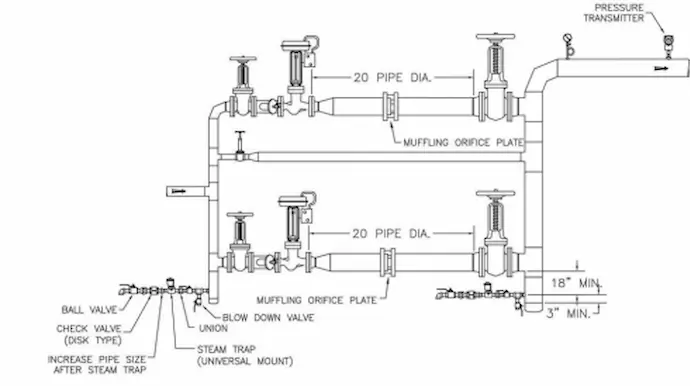
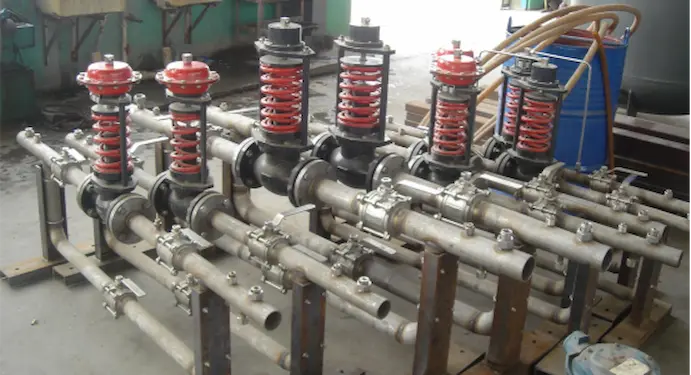
Pressure Reducing Valve (PRV)
-
Function: Reduces the steam pressure from high levels to lower, usable levels.
-
Ideal For: Steam systems requiring stable, consistent pressure levels.
-
Common Uses: Power plants, heating systems, industrial processes.
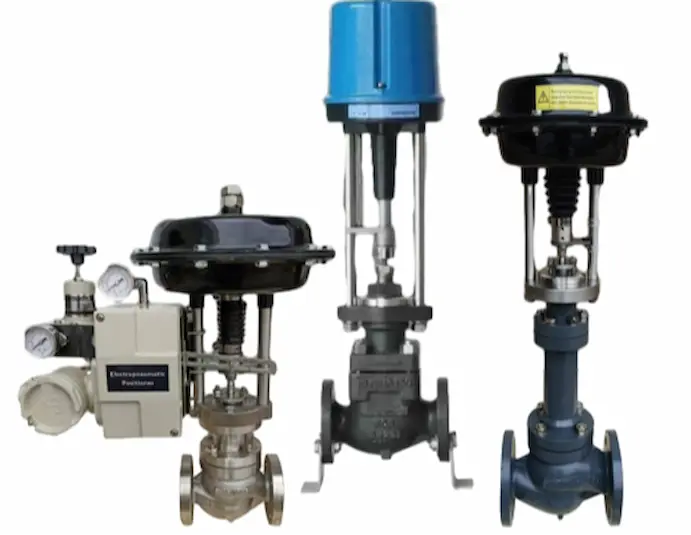
Control Valve (Globe Valve or Ball Valve)
-
Function: Used for precise throttling and flow regulation.
-
Ideal For: Applications needing fine control of steam flow rates.
-
Common Uses: HVAC systems, chemical processing plants, power generation.
-
Function: Prevents overpressure in steam systems by releasing excess steam when pressure exceeds a preset limit.
-
Ideal For: Ensuring the safety of the steam system.
-
Common Uses: Boilers, pressure vessels, and steam-driven turbines.
Isolation Valve (Gate Valve or Ball Valve)
-
Function: Provides a complete shut-off of steam flow.
-
Ideal For: Isolating sections of the steam system for maintenance or safety purposes.
-
Common Uses: Steam piping systems, industrial plants.
Strainer Valve
-
Function: Filters out dirt and debris from steam lines to protect other equipment.
-
Ideal For: Ensuring clean steam flow.
-
Common Uses: Protecting downstream equipment like turbines or heat exchangers.
📊 Data & Technical Comparison
| Valve Type | Primary Function | Pressure Control | Ideal Application |
|---|---|---|---|
| Pressure Reducing Valve | Reduces steam pressure | Stable pressure | Boilers, power plants |
| Control Valve | Flow regulation | Precise control | HVAC, industrial systems |
| Safety Valve | Pressure relief | Overpressure relief | Boilers, safety systems |
| Isolation Valve | Full shut-off | On/off control | Steam piping, isolation |
| Strainer Valve | Filters debris | Low pressure drop | Protects steam turbines, heat exchangers |
🧪 Case Studies from Vcore Valve
-
Case 1 – Power Plant Steam System
After replacing old steam valves with high-quality control valves, the plant achieved better temperature regulation, reduced steam loss, and enhanced energy efficiency. -
Case 2 – Chemical Processing Facility
A pressure reducing valve was installed to maintain consistent steam pressure, resulting in fewer operational interruptions and reduced system wear.
📈 Market Trends & Industry Insights
-
Lead-Free Valve Demand: Increased preference for lead-free valves due to regulatory standards, particularly in regions like the EU and North America.
-
Digital Valve Control: The rise of smart steam systems with digital valve actuators for remote operation and precise control.
-
Sustainability Focus: Ongoing demand for energy-efficient steam systems and valves to reduce operational carbon footprints.
🔧 Usage & Selection Tips
-
Use pressure reducing valves for stable steam pressure in heating applications.
-
Choose globe valves or ball valves for precise throttling control in HVAC or chemical processes.
-
Always select valves with materials that can withstand the temperature and pressure of your steam system.
-
Safety valves are critical for preventing system failures in high-pressure steam systems.
-
Ensure isolation valves are easy to operate and maintain, especially in large industrial setups.
Conclusion
Understanding the different types of steam control valves and how they function is essential to selecting the right valve for your steam system. At Vcore Valve, we offer a comprehensive range of valves designed to meet your specific needs, ensuring reliability, efficiency, and safety. Reach out to us today to find the perfect valve for your application.
👉 Contact Vcore Valve for detailed technical drawings, product samples, and expert recommendations.
FAQ – Steam Control Valves
Q1: What is the purpose of a pressure-reducing valve?
A: A pressure-reducing valve (PRV) lowers high steam pressure to manageable levels, ensuring stable operation in industrial applications.
Q2: Can I use a control valve for steam throttling?
A: Yes, control valves (globe or ball valves) are ideal for steam throttling, providing precise flow control in various systems.
Q3: Why is a safety valve necessary in steam systems?
A: A safety valve releases excess pressure to prevent system failures and maintain safety in steam systems.
Q4: How does a strainer valve work in a steam system?
A: A strainer valve filters debris from the steam line, protecting downstream equipment like turbines and heat exchangers.
Q5: Are all steam valves the same?
A: No, steam valves differ based on their function, application, and pressure ratings. It’s crucial to select the correct type for each specific use case.