
Vacuum Breaker vs Check Valve: Key Differences Explained
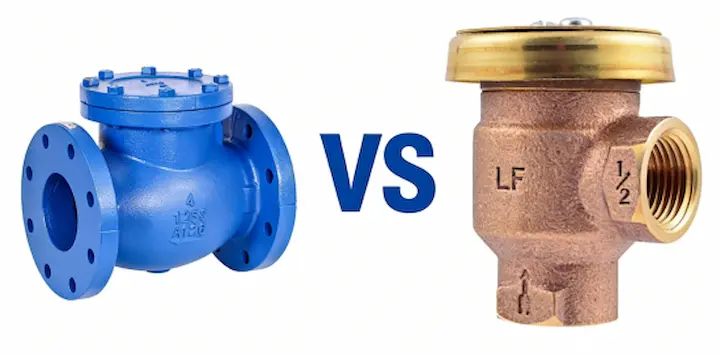
Compare vacuum breakers and check valves by backflow mechanism, pressure conditions, installation, and application. Vacuum breakers admit air to prevent backsiphonage in potable-water, irrigation, and plumbing systems, while check valves automatically stop reverse flow caused by backpressure in pumps, HVAC systems, and pressurized industrial pipelines.
Brass Check Valve Guide: Types, Applications and Selection
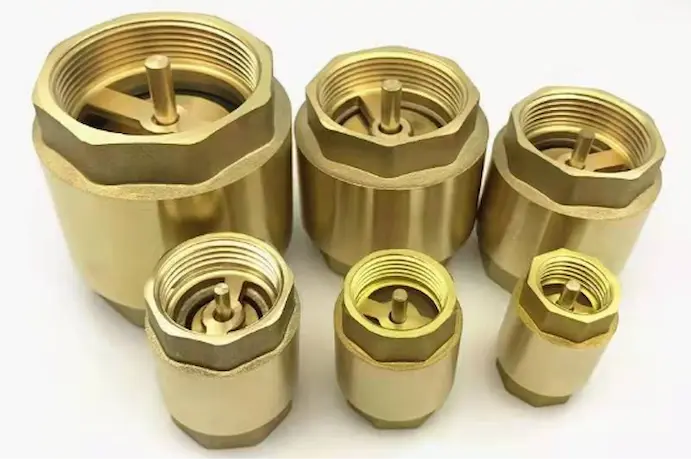
Learn how brass check valves prevent reverse flow in water, HVAC, plumbing, gas, and light industrial piping systems. The guide explains swing, lift, ball, and spring-loaded check valve types, brass and lead-free brass material considerations, pressure-temperature ratings, flow direction, installation orientation, debris sensitivity, pressure drop, maintenance inspection, and key selection factors for reliable backflow prevention.
Backflow Preventer vs Check Valve: Which One is Right for You?
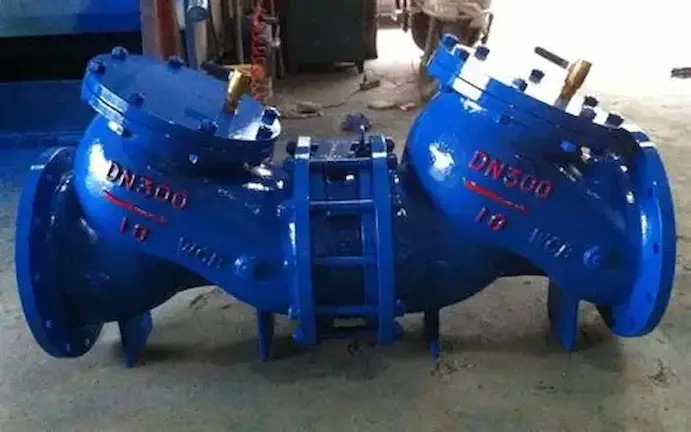
Compare backflow preventers and check valves by protection level, internal design, testing requirements, cost, and application. Backflow preventers use multiple protective components to safeguard potable water from backsiphonage and backpressure contamination, while check valves provide simpler one-way flow control for pumps, HVAC, fire protection, and general industrial pipelines.
What Is a 1/4 Turn Ceramic Disc Angle Valve?
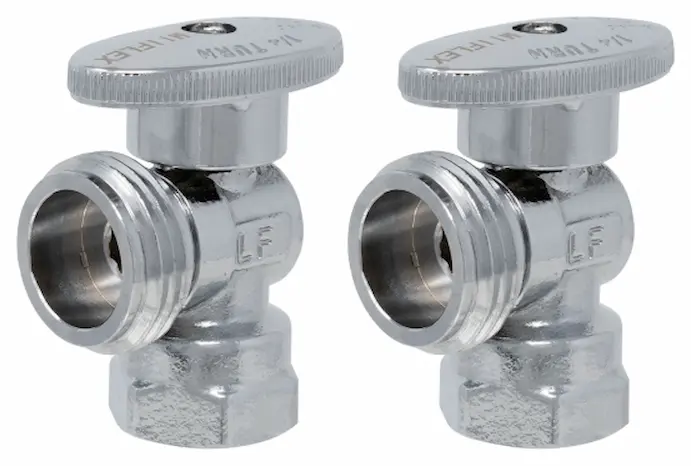
Learn how a 1/4 turn ceramic disc angle valve works as a compact fixture shutoff valve for sinks, toilets, faucets, and light commercial plumbing systems. The guide explains quarter-turn operation, ceramic disc sealing, brass and stainless steel body options, PEX, copper, threaded, compression, and push-fit connections, pressure-rating checks, potable-water material requirements, installation limitations, and when to replace a leaking or hard-to-operate angle valve.
Steam Control Valves: The Best Valve Options for Steam Systems
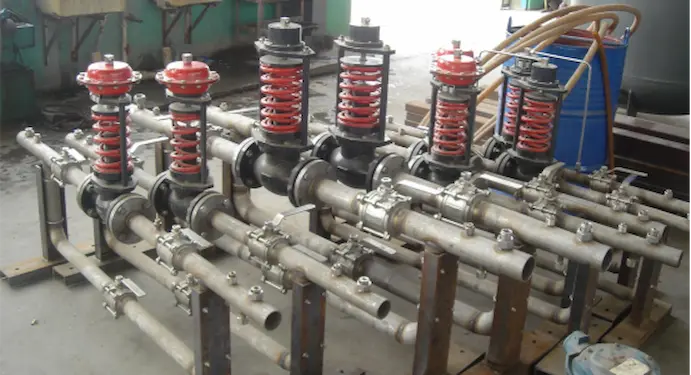
Explore the main valve options used in steam systems, including pressure-reducing valves, globe-style control valves, safety valves, isolation valves, and strainers. The guide explains how each valve supports pressure reduction, flow regulation, overpressure protection, shutoff, or debris removal, while highlighting key selection factors such as steam pressure, temperature, materials, control accuracy, and maintenance requirements.
How Plug Valves Differ from Gate Valves
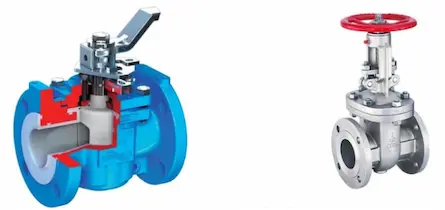
Compare plug valves and gate valves by operating motion, sealing structure, flow resistance, maintenance, and media compatibility. Plug valves provide fast quarter-turn shutoff and are well suited to viscous, dirty, or slightly abrasive fluids, while gate valves provide unobstructed full-bore flow with very low pressure loss for clean water, gas, steam, and general pipeline isolation.
Vcore Valve – Flexible Production Capacity for Your Industrial Needs
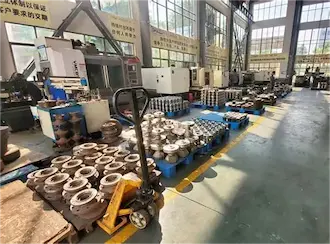
Learn how Vcore Valve supports custom valve projects, small-batch orders, large-volume production, urgent delivery requirements, and changing project schedules through flexible production capacity. This page explains how scalable manufacturing, engineering customization, material selection, quality control, testing coordination, and production planning help industrial buyers source ball valves, butterfly valves, gate valves, globe valves, check valves, control valves, and customized valve solutions for demanding applications.
High-Performance Industrial Valve Design and Manufacturing by Vcore Valve
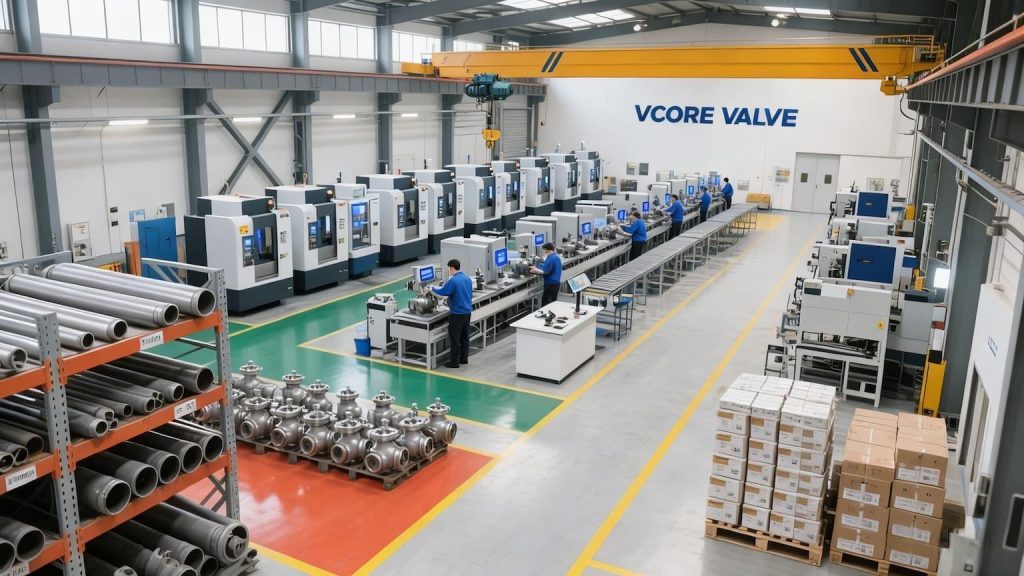
Learn how Vcore Valve supports industrial valve projects through custom valve design, material selection, manufacturing coordination, quality inspection, pressure testing, and application-based valve solutions. This page explains how high-performance ball valves, butterfly valves, gate valves, globe valves, check valves, control valves, and customized valve packages can be selected for oil and gas, chemical processing, water treatment, power generation, and demanding industrial pipeline systems.
Bronze Valves for Marine Engineers: 8 Best Reasons
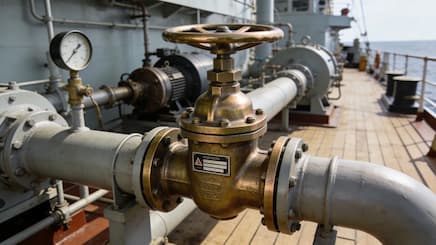
Learn why marine engineers choose bronze valves for seawater systems, corrosion resistance, durability, low maintenance, and reliable vessel operation.
Ball Valve Flow Control Issues: 7 Best Troubleshooting Tips
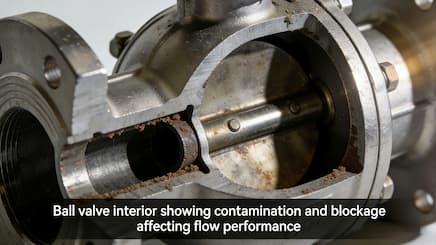
Troubleshoot ball valve flow control issues with practical checks for sizing, seats, media buildup, actuator response, leakage, and maintenance timing.