Quick Overview
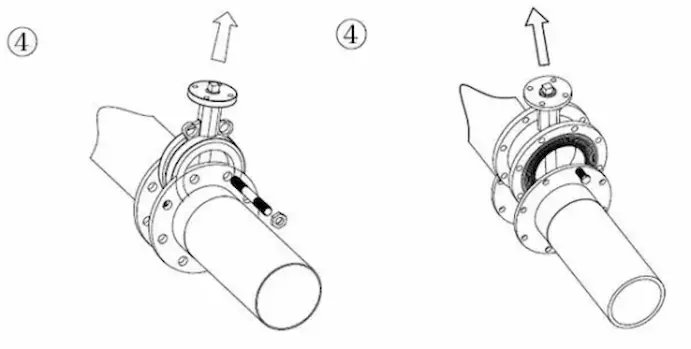
The butterfly valve bolt chart is an essential tool for selecting the correct bolts to secure the valve’s components, ensuring safe operation and longevity. Understanding how to read the bolt chart is crucial for the proper installation and performance of butterfly valves in pipeline systems.
Opening Scenario
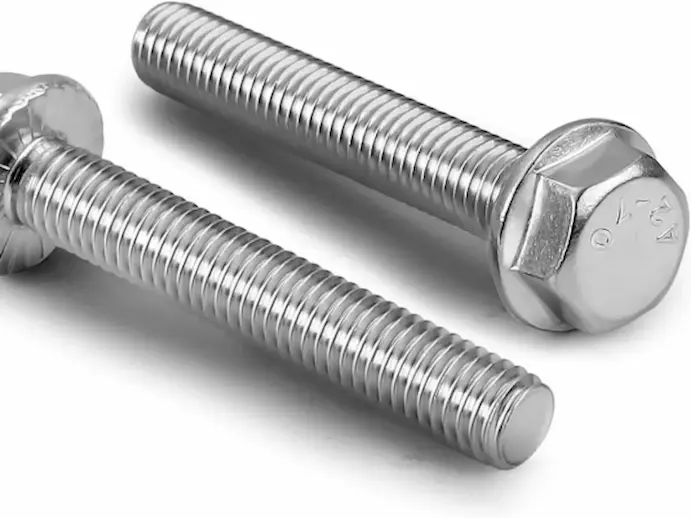
Imagine you’re tasked with installing a butterfly valve in a large industrial pipeline system. One of the most critical steps is securing the valve properly using the correct bolts. But how do you determine the right bolt size and specification? This is where the butterfly valve bolt chart comes in.
The chart provides detailed information on the necessary bolt dimensions, material specifications, and torque requirements for various sizes of butterfly valves. Without this information, you risk improper installation, which could lead to leaks, damage, and reduced valve performance.
Pain Points
Selecting and installing the right bolts for butterfly valves can pose several challenges:
1. Incorrect Bolt Size
Choosing the wrong bolt size can lead to valve misalignment, leaks, and even valve failure, resulting in costly repairs and system downtime.
2. Torque Requirements
Proper torque is essential to ensure that bolts are neither too tight (which can cause stress on the valve) nor too loose (which can result in leakage). Misunderstanding torque values can compromise the valve’s performance.
3. Material Compatibility
The material of the bolts must be compatible with the valve and pipeline materials to avoid corrosion, rust, and other forms of degradation that could weaken the system.
Solutions
Understanding and using the butterfly valve bolt chart is the key to addressing these pain points. Here’s how you can ensure the proper installation and performance of your butterfly valves:
1. Refer to the Bolt Chart for Accurate Sizing
The butterfly valve bolt chart contains critical data on bolt sizes, lengths, and materials based on the valve’s specifications. By referring to this chart, you can select the exact bolts needed for your valve size and application.
At Vcore Valve, we provide detailed butterfly valve bolt charts to guide you in choosing the right bolts for our high-performance valves, ensuring a proper seal and alignment.
2. Ensure Proper Torque with the Correct Specifications
The chart will also provide torque values to ensure that bolts are tightened to the proper specifications. Using the recommended torque prevents over-tightening, which can damage the valve or under-tightening, which can cause leaks and system failures.
Vcore Valve offers butterfly valves with clear torque guidelines to ensure safe and reliable operation in every application.
3. Select Corrosion-Resistant Bolts
It’s essential to choose bolts that match the material of your butterfly valve. For example, stainless steel bolts are recommended for most applications to prevent rust and corrosion, ensuring long-lasting valve performance in harsh environments.
Vcore Valve offers corrosion-resistant butterfly valves designed to withstand various environmental conditions, along with the compatible bolts to ensure a secure and long-lasting seal.
Case Study
An industrial manufacturing plant faced persistent leaks around their butterfly valves due to improperly sized bolts and insufficient torque during installation. After referring to the butterfly valve bolt chart, they replaced the incorrect bolts with the recommended sizes and tightened them to the correct torque values. This resulted in a significant reduction in leaks and maintenance costs, improving the overall efficiency of their system.
Data Analysis
| Valve Type | Bolt Size Requirement | Torque Value Range | Material Compatibility | Common Applications |
|---|---|---|---|---|
| Butterfly Valve | Varies based on valve size | Specific to valve model | Stainless steel, brass, carbon steel | Water treatment, HVAC systems, industrial piping |
| Gate Valve | Standard bolt sizes | Higher torque values | Stainless steel, bronze | Oil and gas, water pipelines |
| Ball Valve | Similar to butterfly valve | Standard torque values | Stainless steel, PVC | Gas, oil pipelines, water flow control |
| Check Valve | Varies by design | Moderate torque values | Stainless steel, brass | Water systems, industrial applications |
This table compares the bolt size requirements, torque values, and material compatibility for butterfly valves and other valve types, helping you understand the critical parameters for each valve type.
Trends
1. Increased Demand for High-Performance Butterfly Valves
With the growing need for efficient and reliable flow control systems, butterfly valves are seeing increased demand in various industries, including water treatment, HVAC, and chemical processing. This is driving the need for precise bolt sizing and torque specifications to ensure optimal valve performance.
2. Technological Advancements in Valve Design
As valve manufacturers innovate, new butterfly valve designs are being developed to offer better sealing, enhanced flow control, and improved energy efficiency. These advances are leading to more specific bolt requirements to ensure optimal performance in demanding conditions.
3. Focus on Corrosion-Resistant Materials
As industries continue to focus on durability, there is a trend towards using more corrosion-resistant materials for both valves and bolts. This ensures that systems can withstand harsh conditions without compromising performance or safety.
Usage Advice
When selecting butterfly valves for your system, consider the following:
1. Understand Valve Size and Application Requirements
Ensure that you refer to the butterfly valve bolt chart to determine the exact bolt sizes and materials that match your specific valve type and system requirements. Proper sizing is crucial for maintaining the integrity of the valve and preventing leaks.
2. Follow Manufacturer Torque Specifications
Always use the recommended torque values provided by the manufacturer to ensure that the valve bolts are tightened correctly. Over-tightening or under-tightening can lead to system failures or damage to the valve.
3. Choose Compatible and Durable Materials
Select bolts that are made from corrosion-resistant materials, such as stainless steel or brass, to ensure long-lasting performance, especially in aggressive or corrosive environments.
Conclusion
Proper installation and maintenance of butterfly valves are critical for ensuring safe and efficient operation. Referring to the butterfly valve bolt chart for accurate bolt sizing, torque values, and material compatibility is essential for preventing leaks, system failures, and costly repairs.
At Vcore Valve, we offer high-quality butterfly valves with clear bolt specifications and torque guidelines to help you achieve optimal performance and reliability. Trust Vcore Valve to provide the right solutions for your fluid control needs.
FAQs
1. What is a butterfly valve bolt chart?
A butterfly valve bolt chart provides detailed information on the correct bolt sizes, materials, and torque specifications needed for proper valve installation and sealing.
2. Why is proper bolt sizing important for butterfly valves?
Proper bolt sizing ensures that the valve is securely fastened, preventing leaks, misalignment, and damage to the valve and pipeline.
3. Can I use any bolt for my butterfly valve?
No, using the wrong bolt size or material can compromise the valve’s performance, leading to leaks or damage. Always refer to the butterfly valve bolt chart to choose the correct bolts.
4. How do I determine the torque value for my butterfly valve?
The torque value for a butterfly valve is usually provided by the manufacturer and should be followed to ensure the valve is securely tightened without causing damage.
5. Are there any benefits to using corrosion-resistant bolts?
Yes, corrosion-resistant bolts help extend the lifespan of your butterfly valve, ensuring it performs well in harsh environments where moisture or chemicals might cause standard bolts to degrade.
Reference
-
Butterfly Valve Installation and Maintenance Guide – Valve Solutions Journal
-
The Importance of Bolt Sizing in Valve Installation – Industrial Valve Engineering
-
Advanced Materials in Valve Manufacturing – Valve Technology Report