Quick Overview
Power plant valves are integral components of any power generation system. They regulate steam, water, gas, and other fluids under extreme conditions. Due to their critical role and complex manufacturing process, these valves can be quite expensive. This article discusses the factors contributing to the high costs of power plant valves, including the materials, technology, and performance standards that make them essential for safe and efficient operation.
Opening Scenario
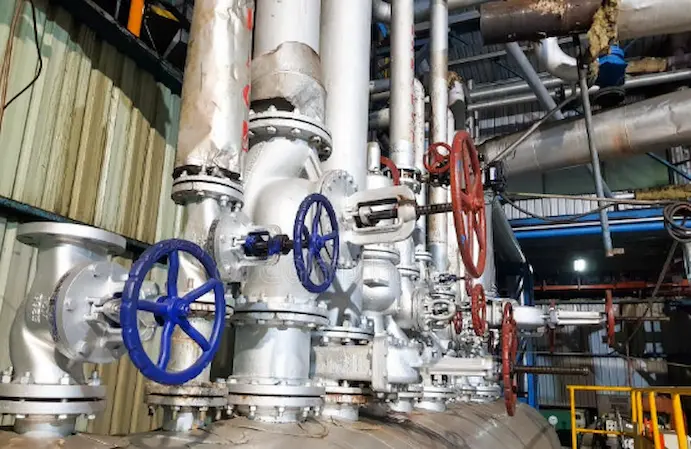
Imagine a large-scale power plant where steam is generated under intense pressure and high temperatures. In such a facility, the valves play a vital role in controlling the flow of steam and water, ensuring that the system operates within the required parameters. A failure in the valve can result in catastrophic system breakdowns, potential safety hazards, and significant financial losses. This is why power plant valves are designed to withstand extreme conditions and are built with the highest quality materials, leading to their high cost.
As the demand for more efficient, reliable, and durable power generation systems grows, so does the price tag of the valves that make these systems work. But why are these valves so expensive, and what factors contribute to their cost? Let’s dive in.
Pain Points
The high cost of power plant valves presents several challenges for power plant operators and project managers:
1. Material costs and performance requirements
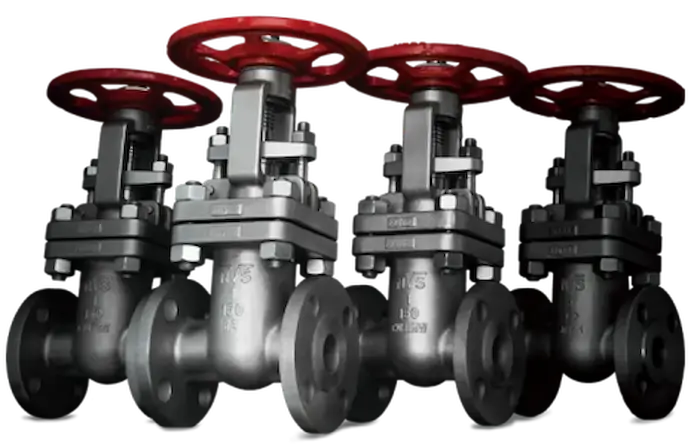
Power plant valves must be made from materials that can withstand extreme temperatures, pressures, and corrosive environments. These materials—such as high-grade stainless steel, alloy metals, and titanium—are not only expensive but require specialised processing and manufacturing techniques.
2. Complexity in design and engineering
Power plant valves are not just simple on/off switches; they are often complex pieces of machinery that require intricate designs to ensure safe and efficient operation. This complexity increases the cost of production, as engineers must carefully design valves to handle high-pressure steam, aggressive fluids, or corrosive gases.
3. Strict regulatory and safety standards
Valves used in power plants must meet stringent safety and regulatory standards to prevent catastrophic failures. These certifications require rigorous testing, quality control, and adherence to international safety norms, all of which add to the production costs.
Solutions
While power plant valves are costly, several strategies can help manage these expenses while maintaining system reliability and performance:
1. Choose durable, long-lasting materials
Selecting materials that balance performance and cost can help manage valve expenses. While high-performance alloys may be expensive, they can often reduce the need for frequent replacements and downtime, making them a cost-effective long-term investment.
2. Invest in advanced manufacturing technologies
Utilising advanced manufacturing techniques such as 3D printing, laser cutting, and CNC machining can optimise the production process. These technologies help reduce material waste and improve precision, lowering production costs over time while ensuring that the valves meet the required performance standards.
3. Regular maintenance and inspection
Maintaining power plant valves through regular inspections and preventive maintenance can extend their lifespan and prevent costly repairs. Early detection of issues such as corrosion or wear can prevent valve failure, saving money in the long term.
At Vcore Valve, we offer high-quality, cost-effective valve solutions designed for the rigorous demands of power plants, ensuring long-term performance and reliability.
Case Study
A leading power plant in the energy sector faced frequent downtime due to the failure of valves used in the steam generation system. The plant was using standard valves that were not rated for the extreme conditions of high-pressure steam and fluctuating temperatures. The constant wear and tear led to an increase in valve replacements and unplanned maintenance costs.
To address this issue, the plant switched to high-performance valves designed specifically for steam systems. The new valves were made from high-grade alloy steel and featured advanced sealing technology that significantly improved their reliability and durability. As a result, the plant experienced a 40% reduction in maintenance costs and increased operational uptime.
This case highlights the importance of choosing the right power plant valves and materials to ensure system reliability and reduce long-term expenses.
Data Analysis-Power Plant Valves
| Factor | Impact on Valve Cost | Impact on Performance |
|---|---|---|
| Material (e.g., titanium, stainless steel) | Increases cost due to raw material expense | Enhances resistance to extreme temperatures and corrosion |
| Design complexity | Increases manufacturing costs due to precision engineering | Improves safety and valve lifespan |
| Regulatory compliance | Increases testing and certification costs | Ensures safe and reliable operation |
| Valve size and pressure rating | Larger valves and higher pressure ratings increase cost | Enables efficient operation in demanding environments |
Data shows that using high-performance materials in power plant valves can increase initial costs but significantly reduce the need for frequent maintenance and replacements, making it a cost-effective investment.
Trends
The demand for power plant valves continues to rise, driven by several key trends in the power generation sector:
1. Increasing emphasis on efficiency and sustainability
With the push for more energy-efficient power plants, the demand for high-performance valves that can withstand harsh environments while minimising energy loss is growing. These valves play a key role in improving system efficiency and reducing operational costs.
2. Adoption of automation and digital technologies
The integration of smart valve technologies into power plants is becoming more common. These valves can be remotely monitored and controlled, providing real-time performance data to optimise valve operation and reduce maintenance needs.
3. Shift towards renewable energy sources
As the world transitions to renewable energy, the design and materials used in power plant valves are evolving to meet the needs of newer energy systems, such as wind and solar power. These technologies require innovative valve designs to handle new fluid types and lower-pressure environments.
Usage Advice
When selecting power plant valves, consider the following factors:
1. Valve material compatibility
Ensure that the valve material is compatible with the system’s operating environment. For high-temperature, high-pressure systems, consider stainless steel, alloy steel, or titanium to ensure durability and performance.
2. Valve size and pressure rating
Choose valves with the appropriate size and pressure rating to match your system’s specifications. Over- or under-sizing can lead to inefficient operation and increased costs.
3. Valve maintenance plan
Develop a comprehensive maintenance plan that includes regular inspections and performance testing. This proactive approach can help extend the life of your power plant valves and prevent costly breakdowns.
Conclusion
While power plant valves are indeed expensive, their high costs are justified by the complex materials, engineering, and stringent safety standards required to ensure their performance. Choosing the right valve for your power plant can lead to long-term cost savings, improved efficiency, and reduced downtime.
At Vcore Valve, we specialise in providing high-quality, durable, and cost-effective valve solutions designed to meet the demanding needs of power plants worldwide. Our advanced valve technology ensures optimal performance, reducing maintenance costs and improving system reliability.
FAQs
Why are power plant valves so expensive?
Power plant valves are costly due to the high-quality materials used, complex designs, regulatory compliance requirements, and performance standards needed for their operation in harsh environments.
What materials are used in power plant valves?
Materials like stainless steel, alloy steel, and titanium are commonly used in power plant valves due to their ability to withstand extreme temperatures and pressures.
How do high-performance valves save money in the long run?
Although they are more expensive initially, high-performance valves reduce the need for frequent replacements, minimise downtime, and lower maintenance costs over time.
How can I reduce the cost of power plant valves?
Investing in regular maintenance and choosing the right valve materials and designs for your specific needs can help reduce the overall costs associated with power plant valves.
Are there any alternatives to expensive power plant valves?
While high-performance valves are essential for certain applications, exploring options with lower pressure ratings or alternative materials may reduce upfront costs for less demanding systems.
How often should power plant valves be inspected?
Regular inspections should be performed at least once a year, with more frequent checks in high-demand systems to identify wear or misalignment early.
Reference
-
API Standards for Valves in Power Plants
-
Valve Engineering Handbook – Valve Manufacturing Techniques
-
ASME Pressure Vessel and Valve Standards