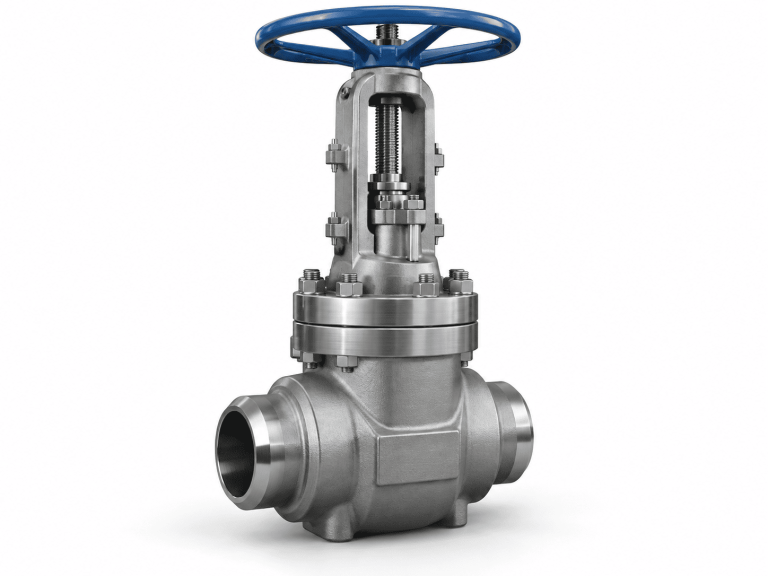
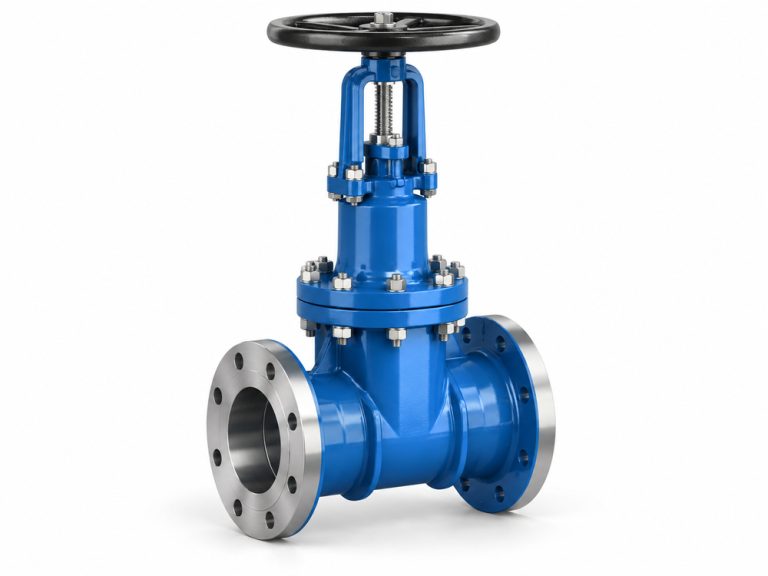
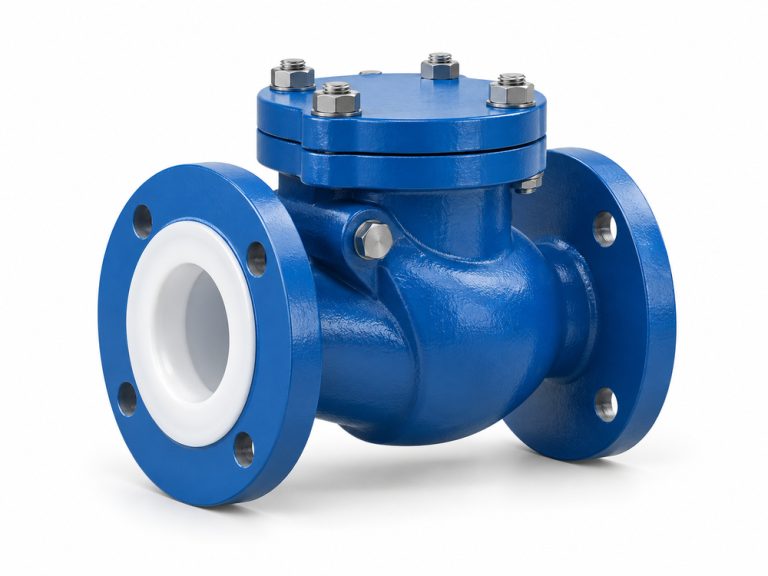
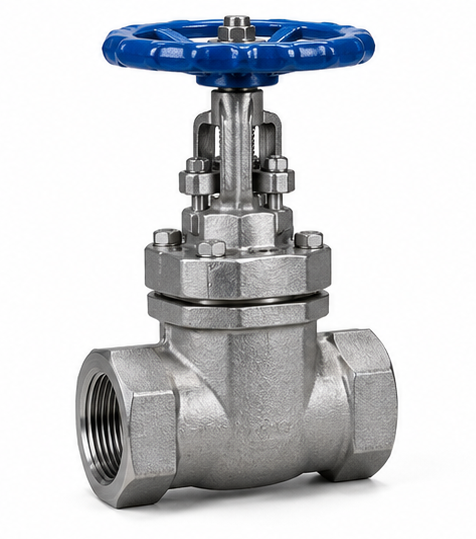
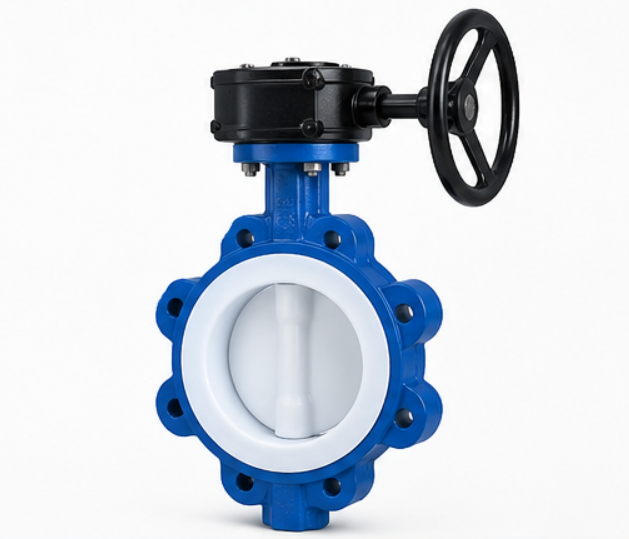
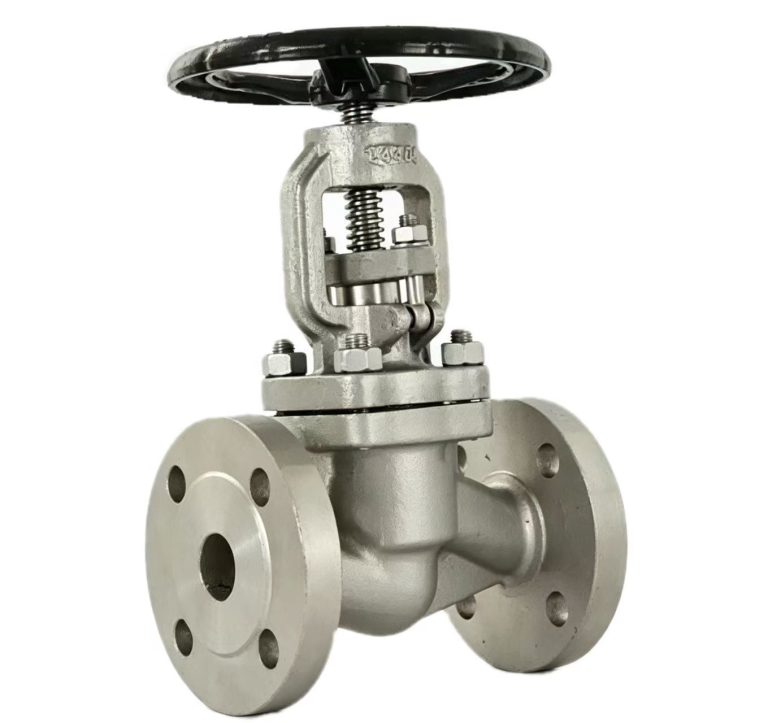
4 Way Type Ball Valve Overview
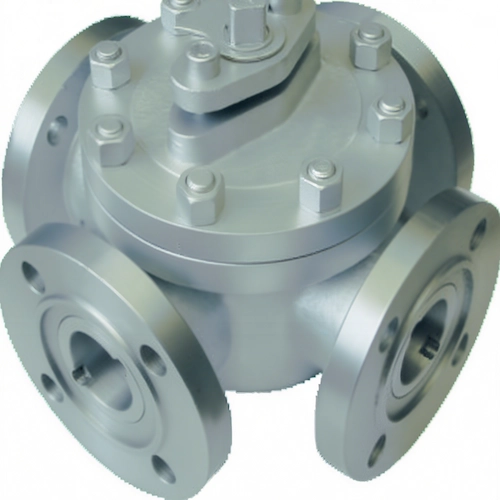
A 4 Way Type Ball Valve gives designers a compact way to manage multiple flow paths without installing several separate shut-off valves. It can support line selection, diversion, recirculation, and process transfer duties when the port geometry is matched to the piping logic.
For industrial service, the important decision is not only the number of ports. The valve must be reviewed for media compatibility, allowable pressure drop, seat material, port overlap, actuator torque, and maintenance access.
For model selection, review the Vcore Valve product range or contact Vcore Valve with the service condition, drawing, and datasheet requirement.
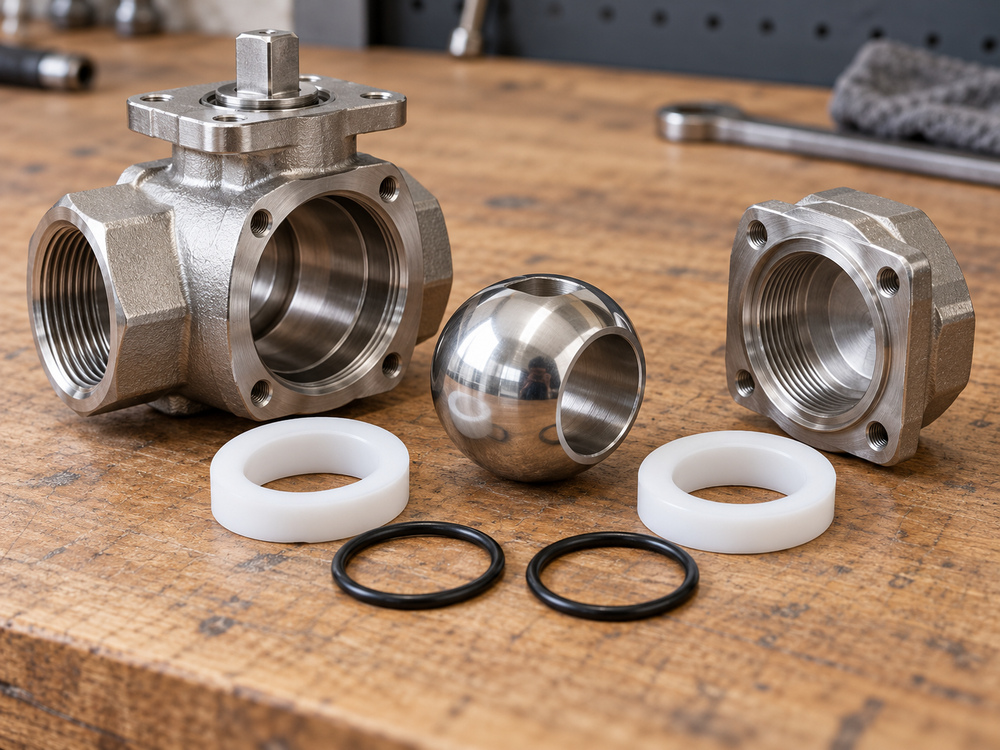
Internal Port Structure
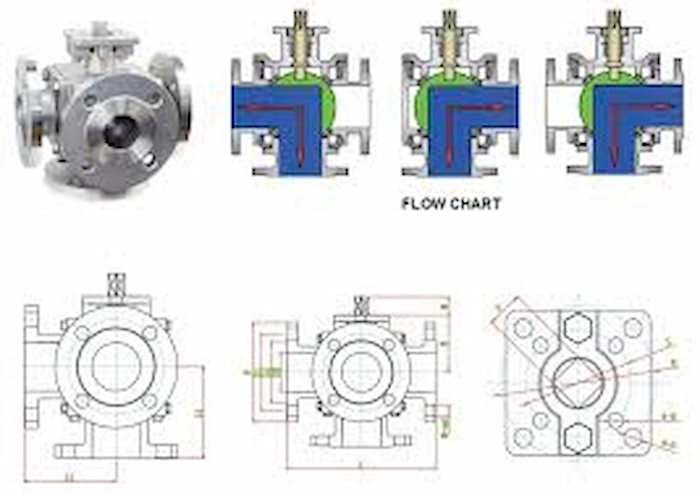
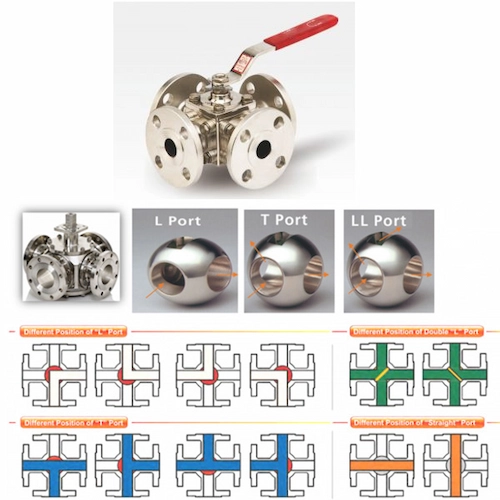
The internal port arrangement determines how the valve switches, diverts, or combines flow paths. Vcore Valve confirms the ball port geometry from the required operating positions and piping logic.
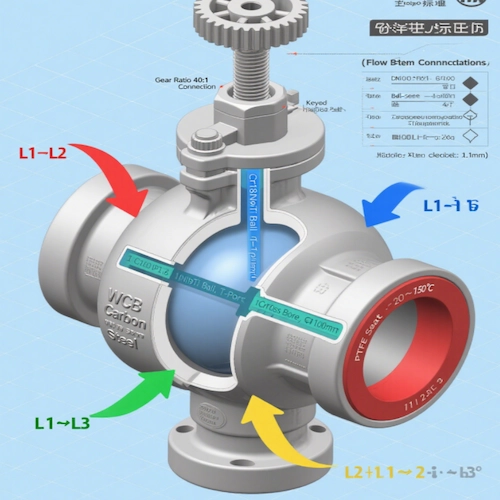
A flow path diagram is important for multi-port valves because a wrong port pattern can route media incorrectly even if the valve body and connection size appear suitable.
Product Configuration
The configuration below helps buyers describe the working condition clearly before a model is selected.
| Configuration Area | Selection Question | Vcore Valve Review |
|---|---|---|
| Port pattern | Does the line need L-port, T-port, X-port, or another switching logic? | Reviews flow direction drawings and selects a matching ball port arrangement. |
| Body and trim material | Does the medium require corrosion resistance, cleanliness, or special strength? | Offers material options after medium and project data are confirmed. |
| Seat and seal material | What medium, temperature condition, and shut-off behavior are expected? | Supports seat options according to the confirmed service. |
| Operation method | Is manual switching enough or is automation required? | Can prepare lever, gear, pneumatic, or electric operation packages when required. |
| End connection | Which connection standard and installation space are required? | Confirms flange, threaded, welded, or customized connection before production. |
Technical Specifications
The items below are selection guidance only. Final size range, pressure class, temperature range, leakage class, and standard compliance must be confirmed by the selected model and approved datasheet.
| Technical Item | Selection Guidance |
|---|---|
| Valve type | Multi-port ball valve for switching, diverting, mixing, or flow path selection. |
| Port configuration | Selected according to the required flow path drawing and operating sequence. |
| Material selection | Body, ball, stem, and seat materials are confirmed by selected model and medium. |
| Actuation | Manual, gear, pneumatic, or electric operation can be evaluated for the duty cycle. |
| Testing documents | Inspection and test documents can be prepared according to confirmed order requirements. |
Application and Actuation Review
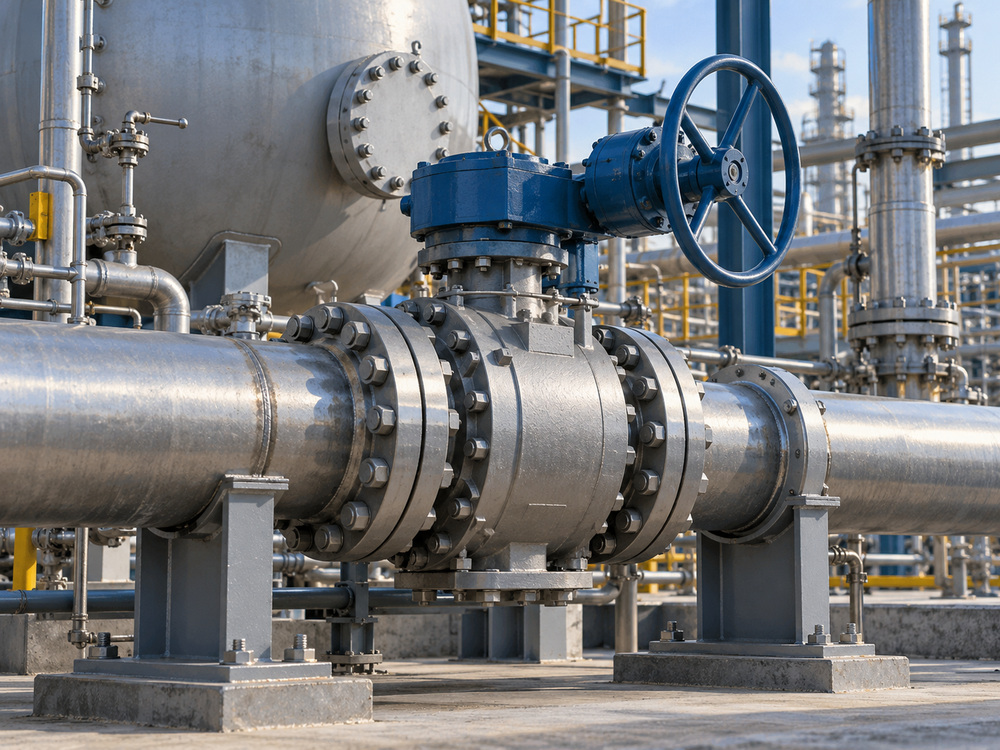
4 way ball valves are useful in compact systems where several flow paths must be selected through one valve body. Manual or automated operation should be reviewed with switching frequency and torque requirement.
Inspection and Packing Review
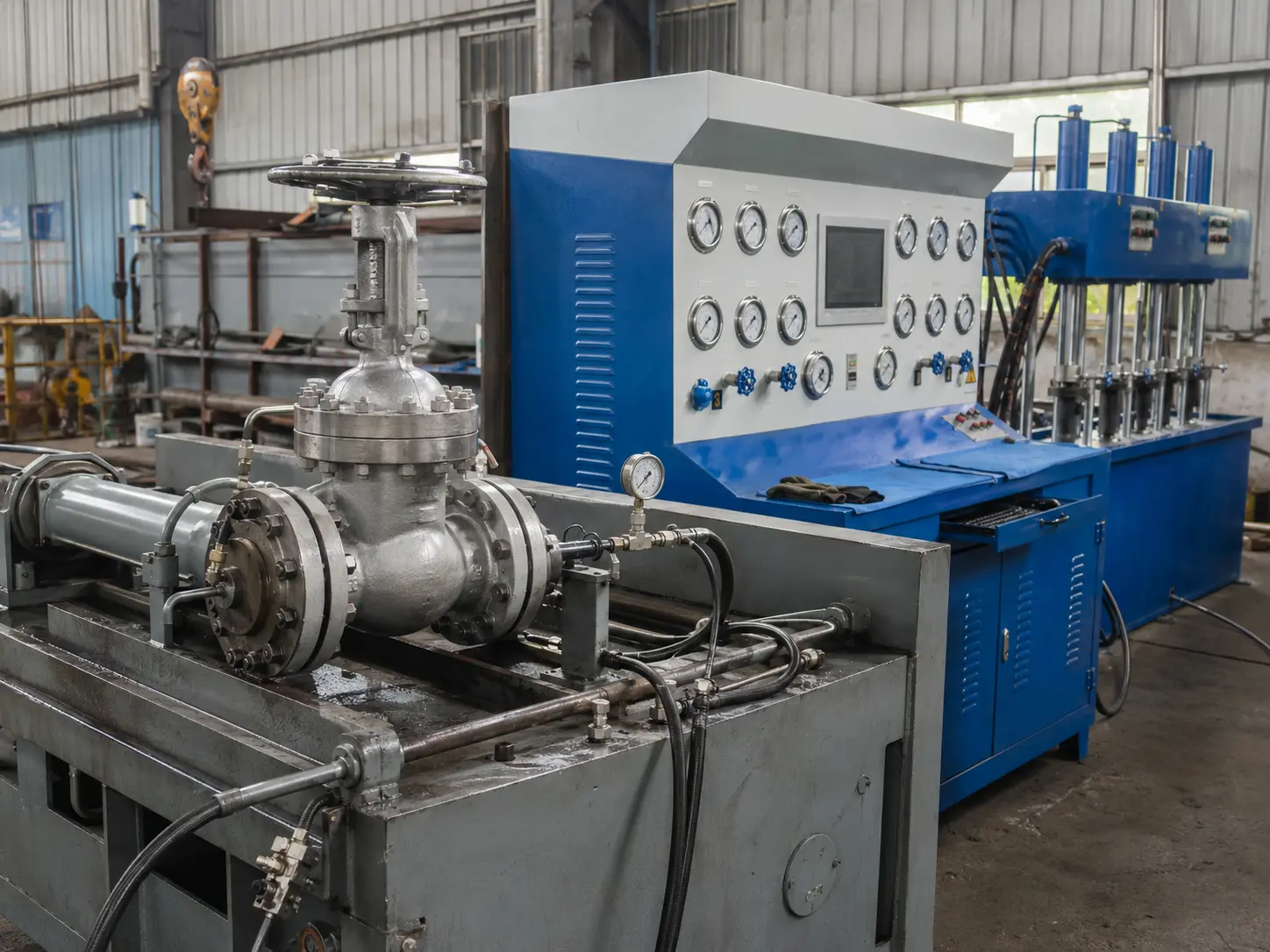
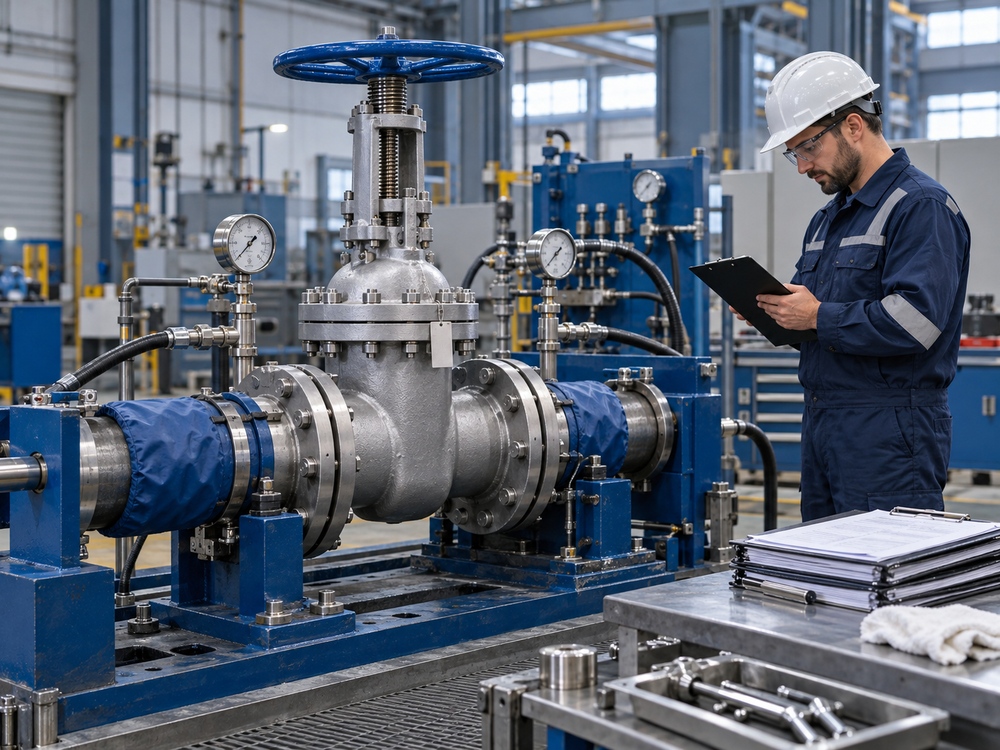
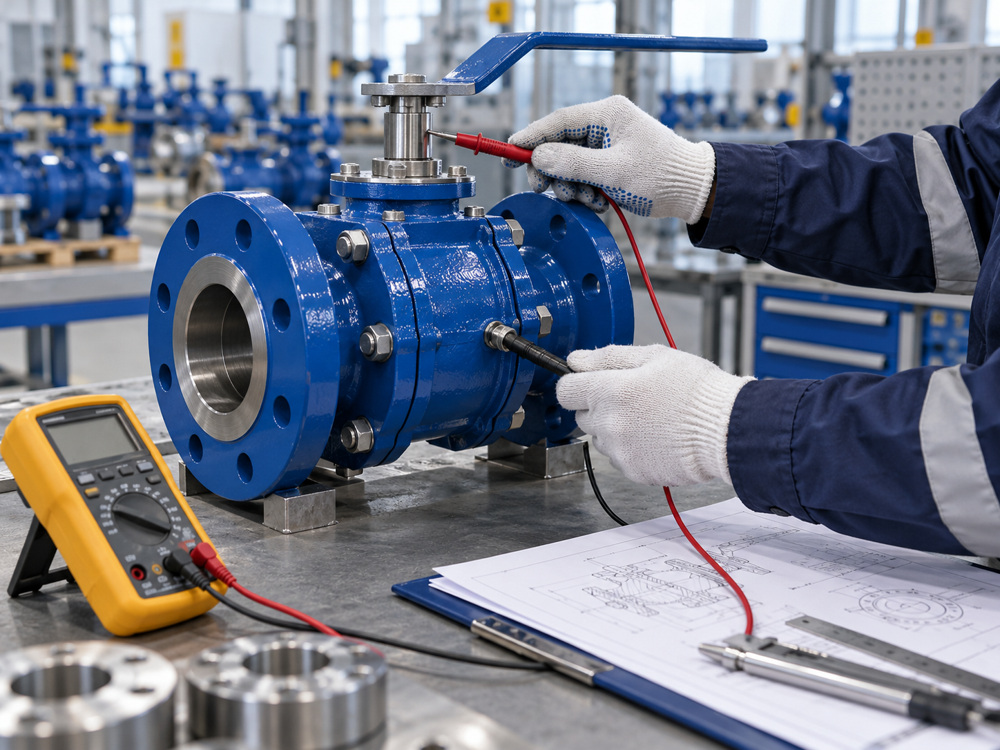
Before shipment, Vcore Valve can review inspection, marking, documentation, and export packing requirements according to the confirmed purchase specification.
Performance Advantages
- Reduces piping complexity when several flow paths must be controlled in a compact area.
- Improves operation clarity by matching port geometry to the actual switching sequence.
- Allows material and seal selection to be matched to the media instead of using a generic valve build.
- Supports manual or automated operation for batch process, utility, and transfer lines.
- Keeps quotation details tied to confirmed model data, which reduces specification conflicts.
Comparison Guide
| Decision Point | 4 Way Type Ball Valve | Alternative Option |
|---|---|---|
| Flow path control | Controls multiple directions in one valve body. | Several two-way valves may require more space and more operating steps. |
| Piping footprint | Can simplify compact skids and equipment packages. | Separate valves may be easier to isolate but increase connection points. |
| Automation | One actuator can operate the selected switching sequence. | Multiple actuators may be needed if separate valves are used. |
| Selection risk | Requires clear port logic before ordering. | Standard two-way valves are simpler but may not handle multi-route operation efficiently. |
Application Checklist
Use this checklist before confirming a quotation so the valve matches the actual service condition instead of an unverified catalogue value.
- Provide a flow path sketch showing each required valve position.
- Confirm whether the service is for switching, diverting, mixing, or recirculation.
- List medium, solids content, cleaning method, and corrosion concerns.
- Confirm manual or automated operation and expected switching frequency.
- Request a datasheet before publishing size range, pressure class, temperature range, leakage class, or standard compliance.
Typical Applications
| Application Scenario | Why This Valve Type Fits |
|---|---|
| Process skids | One valve can route product, cleaning fluid, or utility flow between several paths. |
| Chemical transfer lines | Material and seal options can be selected after media review. |
| Heating and cooling loops | Multi-port routing can simplify bypass and circulation piping. |
| Utility distribution | Useful where compact flow selection is more important than a simple open-close function. |
Related Ball Valve Options
For nearby selections, compare this product with fully welded ball valves, fire safe ball valves, and API 6D ball valves when those designs are technically relevant to the service.
Frequently Asked Questions
What is a 4 Way Type Ball Valve used for?
A 4 Way Type Ball Valve is used to switch, divert, mix, or select flow paths between multiple pipeline directions in one valve body.
Can Vcore Valve confirm the exact port arrangement?
Yes. Vcore Valve confirms the port pattern after reviewing the required flow direction drawing and operating positions.
Should I use a manual or actuated 4 Way Type Ball Valve?
Manual operation fits occasional switching. Pneumatic or electric actuation is usually better when the valve must switch frequently or integrate with a control system.
Are size and pressure ratings fixed for this product page?
No. Size range, pressure class, temperature range, leakage class, and standard compliance must be confirmed by the selected model and datasheet.
What information is needed for a quotation?
Please provide medium, flow path sketch, connection type, operating condition, material preference, and actuator requirement if automation is needed.