Butterfly valve selection is important in large-diameter pipelines because small design mistakes can create high torque, poor sealing, disc interference, pressure loss, vibration or difficult maintenance. Butterfly valves are compact and cost-effective, but buyers still need to check valve type, seat material, pressure rating, media, actuator, flange standard and installation space.
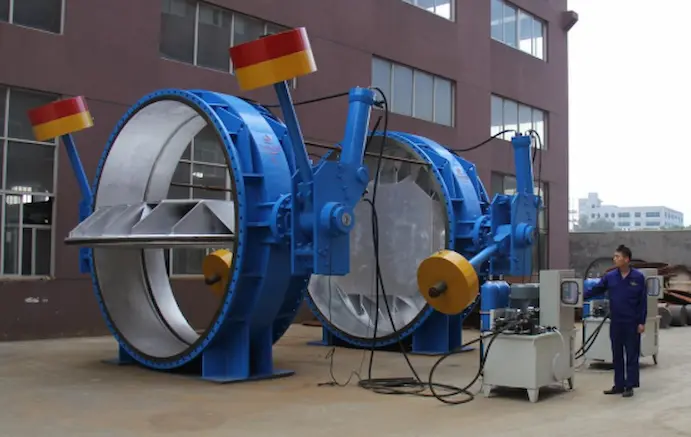
Why Butterfly Valves Are Popular in Large Pipelines
A butterfly valve uses a rotating disc to open, close or regulate flow. Compared with many gate valves or globe valves, it has a shorter face-to-face dimension, lower weight and simpler installation. This makes it attractive for water, HVAC, cooling water, seawater, chemical utility lines, fire protection and many industrial systems.
For product selection, start with industrial butterfly valve options, then match the design to the actual service.
9 Best Butterfly Valve Selection Tips
1. Choose the Right Body Style
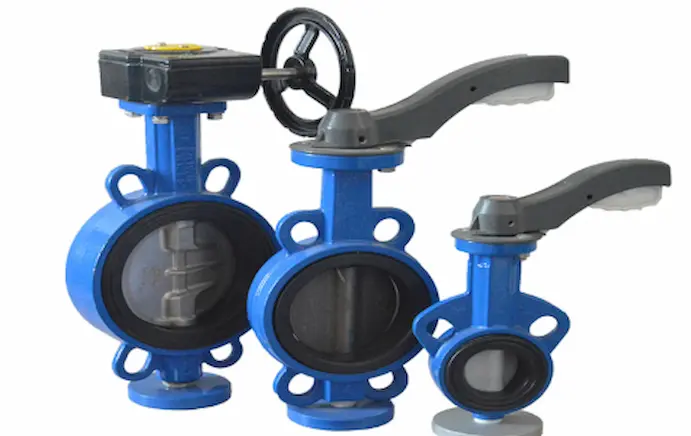
Wafer butterfly valves are compact and economical. Lug butterfly valves allow easier downstream pipe removal in some arrangements. Flanged butterfly valves are often selected for larger sizes or heavier-duty service.
2. Check Seat Material
EPDM, NBR, PTFE and metal seats serve different temperatures, media and sealing expectations. Seat material should match the fluid, temperature and cleaning method.
3. Confirm Pressure and Temperature Rating
Do not select only by nominal size. Pressure class and temperature limits must match service conditions. Review the valve pressure-temperature rating guide for rating logic.
4. Match Disc and Stem Material
Disc and stem materials face the flowing media. Stainless steel, ductile iron, bronze, duplex and coated materials may be required depending on corrosion and abrasion risk.
5. Consider Flow Coefficient and Pressure Drop
Butterfly valves can provide good flow capacity, but the disc remains in the flow path. For sizing decisions, compare operating flow with valve flow coefficient Cv charts.
6. Select Manual, Gear or Actuated Operation
Small sizes may use a lever. Larger sizes often require a gear operator. Remote or frequent operation may need pneumatic, electric or hydraulic actuation.
7. Check Installation Direction and Clearance
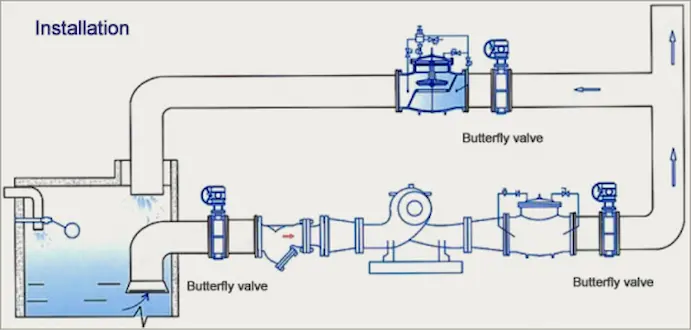
The disc needs room to rotate. Pipe lining, thick gaskets, weld intrusion or flange misalignment can block the disc and damage the seat.
8. Avoid Using General-Purpose Valves in Severe Service
High temperature, slurry, abrasive powder, vacuum, aggressive chemicals and high-cycle service may require special seats, coatings or eccentric designs.
9. Confirm Standards and Documentation
Large projects may require material certificates, pressure test reports, dimensional standards and inspection records. For standards context, see MSS valve standards, while the final requirement should follow the purchase specification.
Butterfly Valve Type Comparison
| Type | Best Use | Buyer Check |
|---|---|---|
| Wafer | Compact general pipeline installation | Flange compatibility and centering |
| Lug | Systems needing easier pipe section removal | End-of-line rating and bolt design |
| Flanged | Large diameter or heavier-duty service | Face-to-face and flange standard |
| Double eccentric | Higher performance isolation | Seat design and torque requirement |
| Triple eccentric | Metal seated severe service | Temperature, leakage class and cost |
Common Selection Mistakes
The most common mistake is choosing by size and price only. A low-cost valve may be acceptable for clean water but unsuitable for chemical, abrasive, high-temperature or high-cycle service. Another mistake is ignoring actuator torque. Large valves need enough torque margin for pressure differential, seat friction and long-term aging.
For material review, use the valve material selection guide before confirming the final body, disc and seat combination.
RFQ Checklist
- Nominal size and pipe standard
- Valve body style: wafer, lug or flanged
- Medium, temperature and pressure
- Seat and disc material requirement
- Manual gear, pneumatic or electric actuator
- Required leakage class
- Flange drilling and face-to-face dimension
- Installation orientation and space limits
- Certificate and test report requirements
FAQ
How do I choose the right butterfly valve?
Check body style, pressure rating, seat material, disc material, media, temperature, actuator type and installation space.
Are butterfly valves good for large-diameter pipelines?
Yes. They are compact, relatively light and cost-effective for many large-diameter isolation services.
What is the difference between wafer and lug butterfly valves?
Wafer valves are clamped between flanges, while lug valves have threaded or through-lug connections that can support different installation needs.
Can butterfly valves be used for throttling?
Some butterfly valves can regulate flow, but control performance depends on valve design, opening range and service conditions.
What causes butterfly valve leakage?
Common causes include damaged seats, wrong material, poor flange alignment, disc interference, worn stem seals and incorrect installation.