Product Overview
| Product Name | Natural Rubber Lined Valve |
|---|---|
| Service Focus | Mining slurry, tailings, abrasive mineral media, slurry transfer |
| Lining Material | Natural rubber lining |
| Main Benefit | Abrasion resistance and body protection in slurry service |
| Body Material | Ductile iron, cast iron, cast steel or carbon steel depending on design |
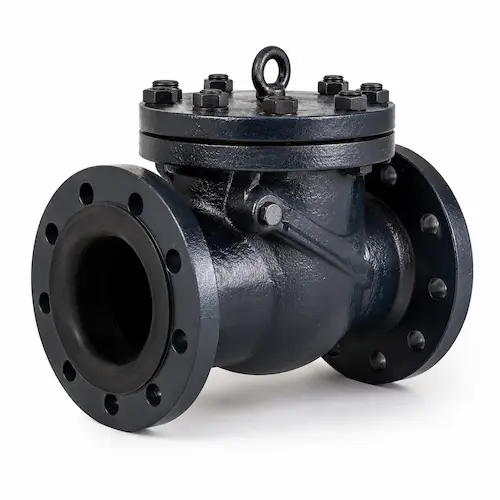
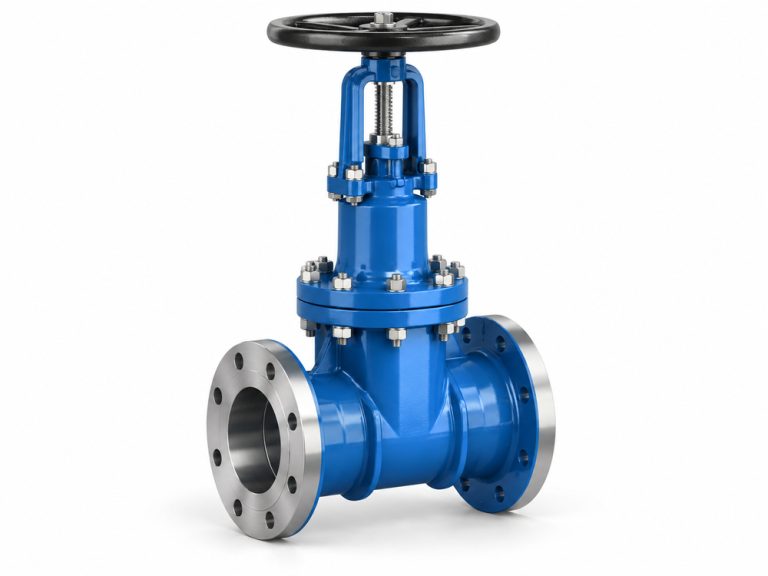
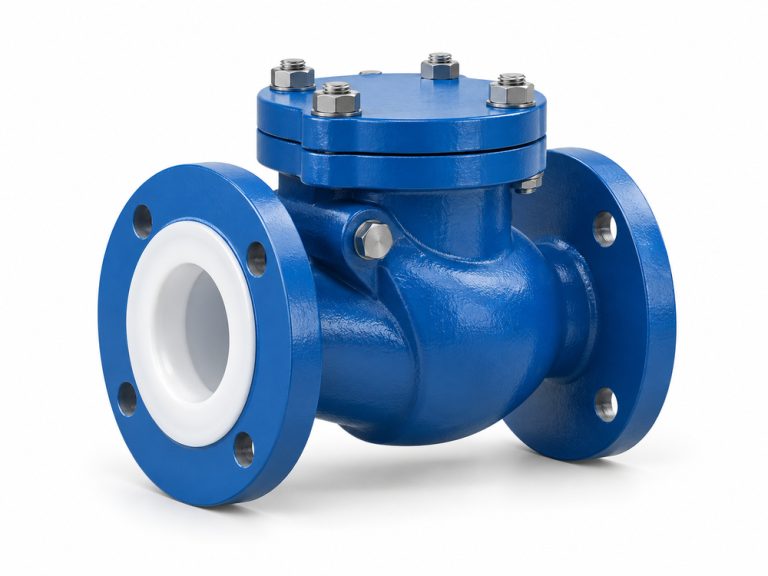
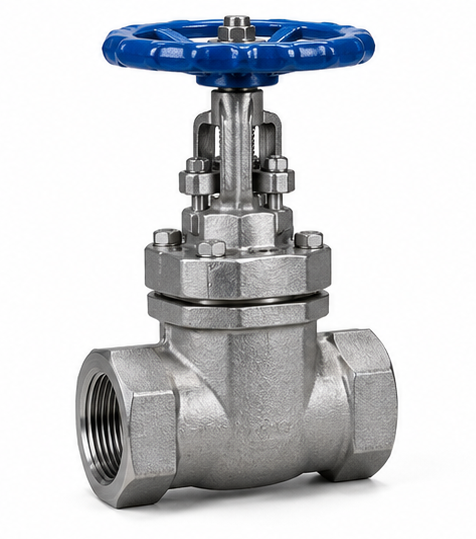
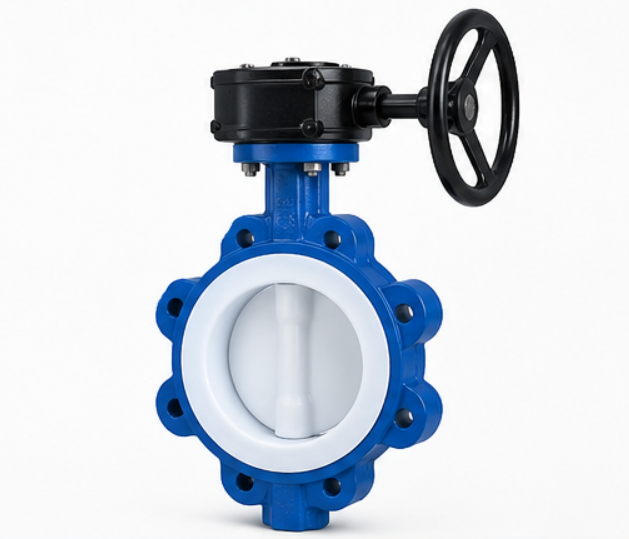
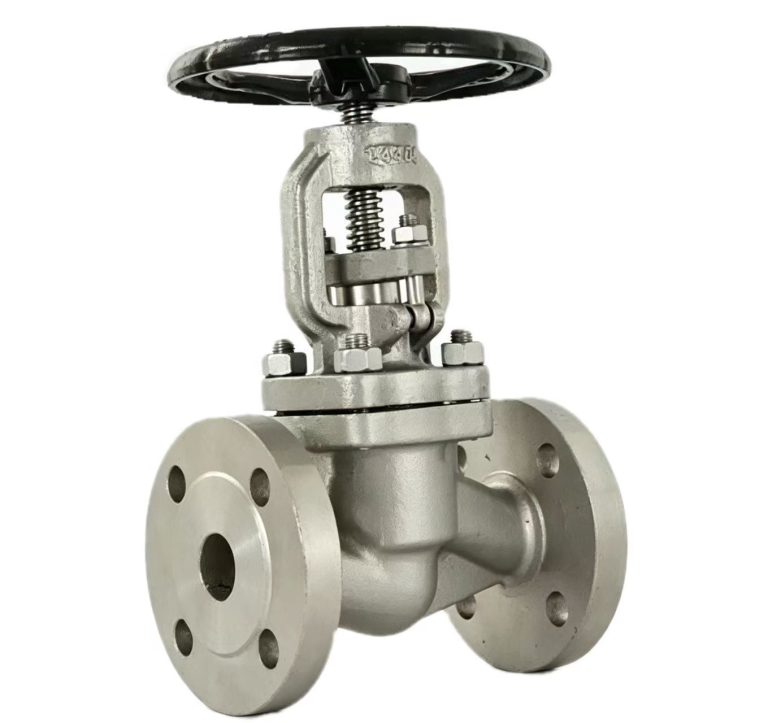
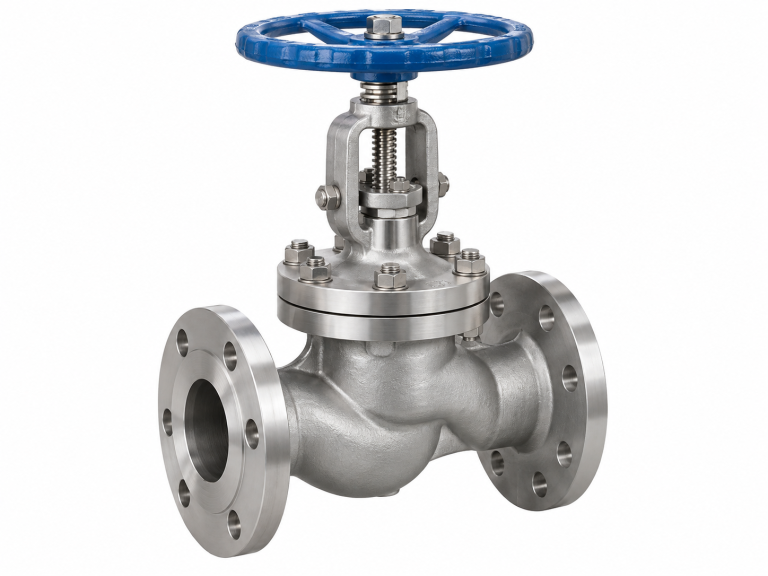
| Typical Valve Forms | Butterfly valve, slurry valve, check valve or project-based lined valve configuration |
| Connection Options | Wafer, lug, flanged or project-specific arrangement |
| Operation Options | Manual, worm gear, pneumatic or electric depending on valve type |
| Typical Applications | Mining, mineral processing, tailings, abrasive wastewater, slurry pipelines |
What Is a Natural Rubber Lined Valve?
A natural rubber lined valve is a valve with an internal natural rubber lining applied to the flow-contacting surfaces of the valve body. The lining acts as a protective barrier between the slurry medium and the metal body, helping reduce wear, erosion and premature damage in abrasive service. In mining systems, this can be useful where slurry contains mineral solids, tailings particles or other suspended abrasive materials.
Compared with an unlined metal valve, a lined valve can offer improved body protection in selected slurry conditions. Compared with some chemically resistant lining materials, natural rubber is usually selected when wear resistance and particle handling are more important than broad chemical compatibility. For background reading, you can also refer to our article on Rubber Lined Valves for Chemical & Slurry Applications.
 Natural Rubber Lining and Wear Resistance
 Natural Rubber Lining and Wear Resistance
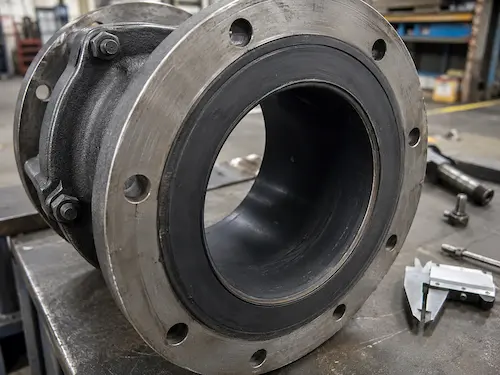
The main reason natural rubber is used in mining slurry valves is its abrasion resistance in suitable wet slurry applications. Slurry service often causes wear by particle impact, continuous rubbing and erosion along the flow path. A natural rubber lining helps absorb some of this mechanical wear and reduces direct attack on the valve body.
Natural rubber should not be treated as a universal lining material. It is more suitable where abrasion resistance is a priority and the medium is compatible with rubber. Chemical compatibility, slurry temperature, particle size, solids concentration, flow velocity and pressure should all be reviewed before final selection. As noted in your site’s valve materials guide, natural rubber can perform well in selected slurry service, but its chemical and temperature limits must still be considered.
Main Lining Advantages
- Good abrasion resistance in suitable slurry applications
- Protection of the metal valve body from direct particle wear
- Useful for wet mineral slurry service where wear is a main failure risk
- Cost-effective body protection compared with using high-alloy materials for the full valve body
- Suitable for larger slurry pipeline sizes when a lined design is required
Main Lining Limitations
- Not suitable for every chemical medium
- Not ideal for oil, many hydrocarbons, strong solvents or some oxidizing chemicals
- High temperature can shorten lining life
- Sharp, high-velocity or badly selected slurry service can still damage the lining
- Poor lining bonding or flange handling can lead to peeling or local damage
Main Structural Features
Lined Body Protection
The body interior is lined so that slurry does not directly contact the metal surface in the main flow path. This helps reduce erosion and body wear in mining and mineral handling service.
Slurry-Oriented Flow Path
Depending on valve type, the internal flow path should be selected to reduce dead zones, excessive turbulence and unnecessary particle buildup. In slurry service, cavity design and flow geometry have a strong effect on service life.
Heavy-Duty Valve Construction
Mining valves often require robust body structure, reinforced sealing zones and suitable shaft or closure components. Even when the lining is the main protective feature, the external body and operating parts must still be matched to slurry pressure, pipeline load and operating frequency.
Project-Based Valve Type Selection
Natural rubber lining can be used in different valve forms depending on system duty. For example, some projects use a rubber lined butterfly valve for larger low-pressure slurry lines, while others may prefer a rubber lined ball valve or another slurry-duty configuration depending on shutoff requirement, solids level and pressure conditions.
Material Options
Although the lining is the key protective element, the full valve should still be selected as a system. Body material, lining thickness, disc or closure member, shaft material, flange drilling and coating all affect performance in mining slurry service.
| Component | Common Options | Selection Note |
|---|---|---|
| Body | Ductile iron, cast iron, cast steel, carbon steel | Body material depends on pressure, size and valve structure. |
| Lining | Natural rubber | Selected mainly for abrasion resistance in suitable slurry service. |
| Closure Component | Disc, gate, ball, flap or project-specific internals | Depends on valve type and slurry handling requirement. |
| Shaft / Stem | Stainless steel or alloy steel depending on design | Should match corrosion condition, torque and operating environment. |
| External Coating | Epoxy coating or project-specific anti-corrosion coating | Useful for humid plant environments and outdoor mining installations. |
Technical Specifications
| Specification Item | Available / Typical Options |
|---|---|
| Product Type | Natural rubber lined valve for mining slurry service |
| Typical Size Range | Project-based; commonly medium to large slurry pipeline sizes |
| Pressure Rating | PN10, PN16, Class 150 or project-specific requirement depending on valve design |
| Body Material | Ductile iron, cast iron, cast steel or carbon steel |
| Lining Material | Natural rubber |
| Connection Type | Wafer, lug, flanged or project-specific connection arrangement |
| Operation Type | Manual, worm gear, pneumatic or electric depending on valve type |
| Typical Service | Mining slurry, tailings, ore slurry, abrasive wastewater, mineral transport |
| Design Considerations | Solids content, particle size, flow velocity, pressure, temperature and media compatibility |
| Flange Standard | ANSI, DIN, JIS, EN or project-specific drilling |
| Testing Reference | Project-specific hydrostatic, seat and functional testing according to agreed standard |
| Documentation | Pressure test report, inspection report, material certificate and packing photos |
 Applicable Mining Slurry Systems
 Applicable Mining Slurry Systems
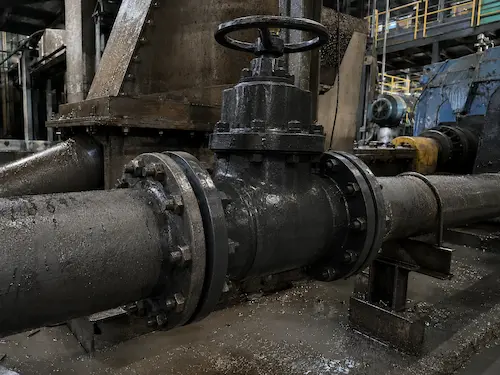
Natural rubber lined valves are mainly considered where the service medium contains suspended abrasive solids and where wear resistance is a major selection factor. For a broader system-level view, you can also review our Slurry Valve Solutions page and our guide to the best valves for slurry applications.
- Ore slurry transfer pipelines
- Tailings transport systems
- Mineral concentrate lines
- Thickener underflow service
- Abrasive wastewater lines in mining plants
- Cyclone feed or discharge auxiliary lines
- Sludge and solids-containing process lines
- Selected plant utility lines handling abrasive slurries
Media Compatibility and Limitations
Natural rubber is usually chosen for abrasion resistance, but final suitability depends on both mechanical wear and chemical compatibility. In slurry service, the buyer should evaluate not only the liquid phase but also the solids content, particle sharpness, concentration and flow regime.
| Media Condition | Suitability | Selection Note |
|---|---|---|
| Wet mineral slurry | Commonly suitable | Good candidate where abrasion resistance is important. |
| Tailings slurry | Often suitable | Check particle size, solids concentration and velocity. |
| Abrasive wastewater | Conditionally suitable | Review both solids and chemical composition. |
| Mild chemical slurry | Conditionally suitable | Confirm chemical compatibility before selection. |
| Oil or hydrocarbon-containing media | Not preferred | Natural rubber is generally not the best lining choice. |
| Strong solvents or aggressive oxidizing chemicals | Not preferred | Another lining material may be required. |
| High-temperature slurry | Needs careful review | Temperature can significantly affect rubber life. |
Natural Rubber vs EPDM vs NBR vs PTFE Lining
| Lining Material | Main Strength | Main Limitation | Typical Use |
|---|---|---|---|
| Natural Rubber | Good abrasion resistance in selected slurry service | Limited chemical and temperature range compared with some alternatives | Mining slurry, tailings and abrasive wet media |
| EPDM | Good for water-based media and weather/ozone resistance | Not suitable for oil and many hydrocarbons | Water treatment, wastewater and selected mild chemical service |
| NBR | Better oil resistance than EPDM or natural rubber | Not usually chosen primarily for abrasive slurry wear resistance | Oil-containing service and selected industrial media |
| PTFE | Broad chemical resistance | Different wear behavior and higher cost than rubber linings | Corrosive chemical service where chemical compatibility is critical |
If you are comparing slurry wear resistance with broader chemical resistance, our anti-corrosion valve materials guide can help explain where natural rubber fits among other lining materials.
Inspection, Testing and Packing
For mining slurry valves, inspection should focus not only on general dimensions and pressure testing, but also on lining quality, bonding condition and protection of the rubber-lined areas during transport and installation.
| Inspection Item | Purpose |
|---|---|
| Visual lining inspection | Check surface uniformity, bonding condition, edge finishing and visible defects. |
| Dimension check | Confirm valve size, flange drilling, face-to-face dimensions and installation compatibility. |
| Pressure and seat test | Verify valve body integrity and shutoff performance according to the agreed standard. |
| Functional test | Check opening and closing action, operating torque and actuator movement if applicable. |
| Packing inspection | Protect lining faces, flange surfaces and accessories before shipment. |
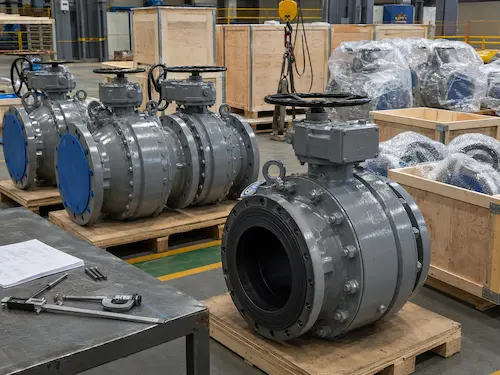
Export packing should avoid damage to the rubber-lined flange face and sealing surfaces. Protective covers, moisture-resistant packing, plywood cases and reinforced transport support are recommended for slurry valve shipment.
 Selection Notes Before Ordering
 Selection Notes Before Ordering
- Valve type and pipeline function
- Slurry composition and solids concentration
- Particle size and particle sharpness
- Flow velocity and erosion severity
- Working pressure and temperature
- Chemical composition of the liquid phase
- Valve size and flange standard
- Lining material and lining thickness requirement
- Operation method: manual, gearbox, pneumatic or electric
- Testing, documentation and packing requirements
FAQ
1. What is a natural rubber lined valve used for?
A natural rubber lined valve is mainly used in abrasive slurry service where wear resistance is important. Typical applications include mining slurry pipelines, tailings transfer, mineral processing lines and abrasive wastewater systems. The natural rubber lining helps protect the valve body from direct particle wear.
2. Is natural rubber suitable for all slurry media?
No. Natural rubber can perform well in selected wet slurry applications, but it is not suitable for every medium. Chemical compatibility, slurry temperature, particle size, solids concentration and flow velocity should all be reviewed before final selection.
3. What is the main advantage of natural rubber lining in mining service?
The main advantage is abrasion resistance in suitable slurry conditions. In mining and mineral processing systems, particle wear is often one of the main causes of valve damage. Natural rubber lining helps reduce this wear and protects the metal valve body in the flow path.
4. How is a natural rubber lined valve different from an EPDM lined valve?
Natural rubber lining is often selected when abrasive slurry wear resistance is a key requirement. EPDM lining is more commonly used in water treatment, wastewater and general water-based media. The correct choice depends on whether the main service challenge is abrasion, chemical compatibility, oil exposure or temperature.
5. What information should be confirmed before ordering?
Before ordering, it is recommended to confirm valve type, valve size, working pressure, slurry composition, solids concentration, particle size, temperature, flange standard, operation method and required testing documents. These details help determine whether natural rubber lining is suitable for the actual mining slurry condition.