Stainless steel valves are often selected for high-pressure service because they combine mechanical strength with corrosion resistance. In chemical plants, offshore platforms, water treatment, food processing and energy systems, the valve must hold pressure while resisting media attack, temperature change and external environmental corrosion.
1. Pressure Rating Comes Before Material Preference
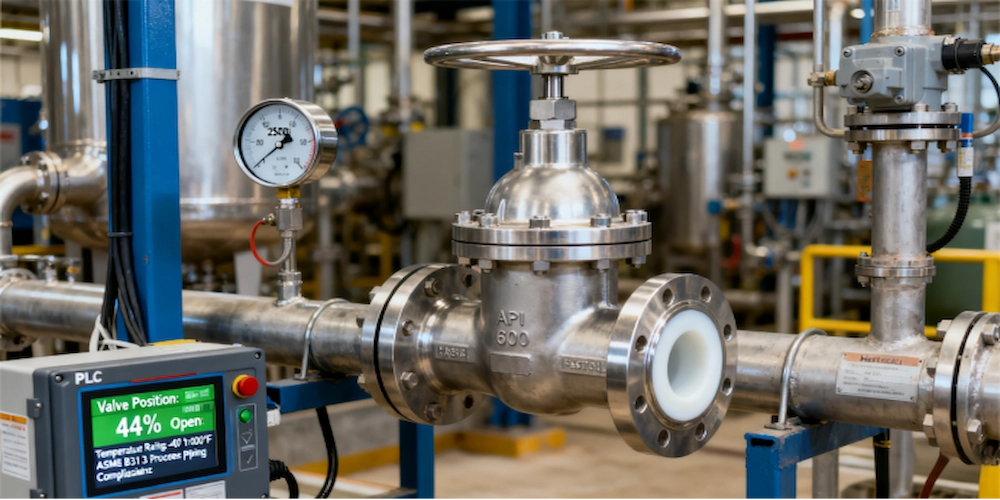
The first selection step is pressure class at the real operating temperature. A stainless body does not automatically make a valve suitable for every high-pressure system. Buyers should confirm ASME class, PN rating, temperature range and end connection. Our valve pressure-temperature rating guide explains why pressure capacity changes with temperature.
2. Choose 304, 316 or Duplex Based on Media
304 stainless steel is suitable for many general clean services. 316 stainless steel adds molybdenum and is usually better for chloride-containing or more corrosive media. Duplex stainless steel may be used when both strength and chloride stress corrosion resistance are important. For a focused comparison, read stainless steel 316 vs 304 valve.
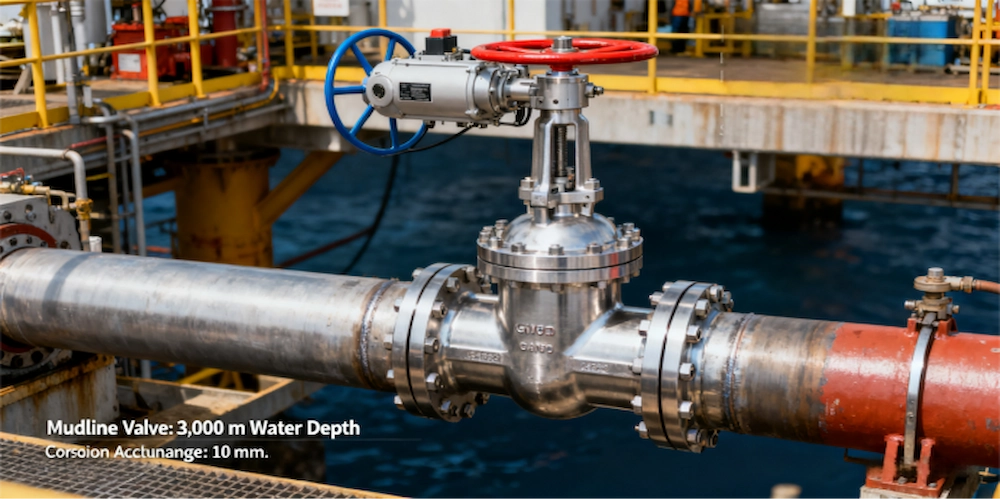
3. Check Chlorides, Acids and Cleaning Chemicals
High pressure does not remove the need for corrosion review. Chloride level, pH, concentration, oxygen content, cleaning chemicals and temperature all influence material selection. If the media is unclear, our valve material selection guide can help organize the first review before final engineering confirmation.
4. Do Not Ignore Seats, Seals and Packing
Stainless steel valves can fail early if soft parts are not matched to pressure and temperature. PTFE, RPTFE, PEEK, graphite and metal seats have different limits. Stem packing must also suit the media and temperature. In high-pressure cycling service, packing friction and emission control should be reviewed carefully.
5. Confirm End Connection and Pipe Schedule
Flanged, threaded, socket weld, butt weld and clamp connections all have different installation requirements. High-pressure stainless valves often use flanged or welded ends. Pipe schedule, flange standard, gasket type and bolt material should be confirmed together, not separately.
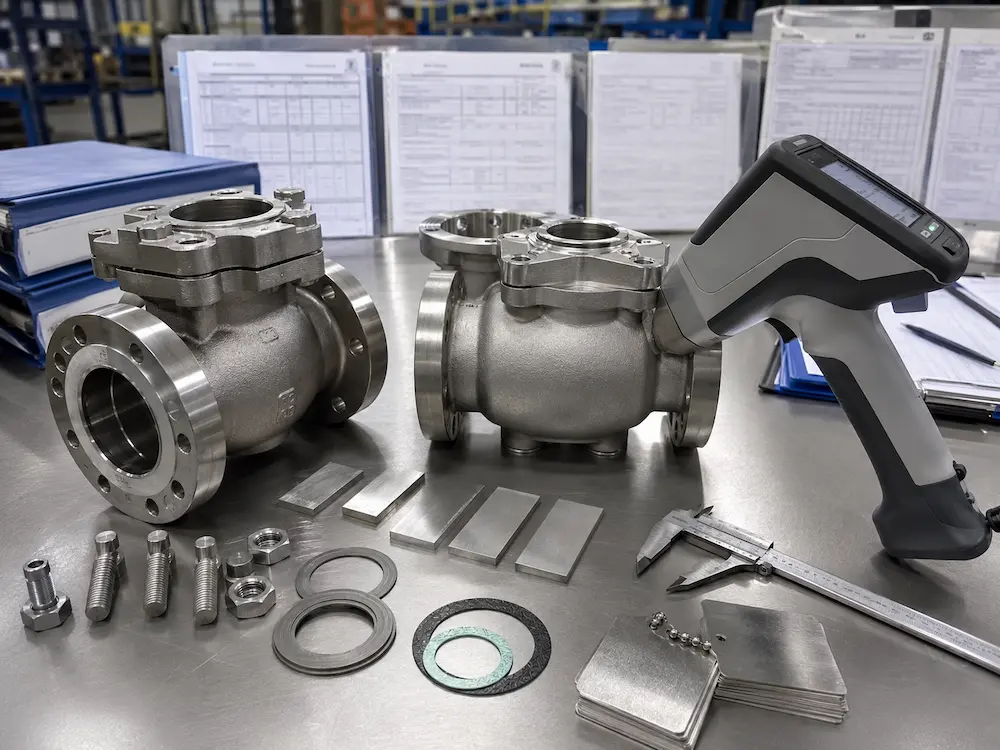
6. Ask for Certificates and PMI When the Project Requires It
High-pressure stainless steel valve orders often need EN 10204 3.1 material certificates, pressure test reports, PMI reports and inspection records. Our valve certificates and quality documents article explains what buyers should request before shipment.
For material standard references, ASTM International provides standard information commonly used in valve material specifications.
7. Consider Actuation and Automation Loads
High-pressure stainless ball valves and butterfly valves may require higher operating torque. If the valve is automated, actuator sizing should include pressure differential, seat type, media condition, cycle frequency and safety factor. Manual operation should also consider gearbox selection for larger sizes or high differential pressure.
Stainless Grade Selection by Application
| Application condition | Common material direction | Buyer should confirm |
|---|---|---|
| Clean water, air, mild service | 304 stainless steel may be enough | Pressure, temperature and cleaning chemical exposure. |
| Chemical, coastal or chloride service | 316 stainless steel is often safer | Chloride level, pH, concentration and maximum temperature. |
| Seawater or severe chloride service | Duplex or super duplex may be required | Stress corrosion risk, project standard and certificate demand. |
| High-pressure on-off service | Stainless ball valve or gate valve package | Seat material, end connection, torque and pressure class. |
| High-pressure non-return service | Stainless check valve package | Installation orientation, flow rate and cracking pressure. |
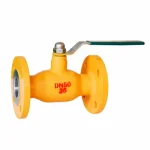
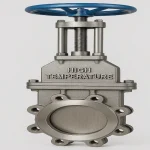
For product selection, high-pressure shut-off duties often start from stainless ball valves or stainless gate valves. Non-return duties should be reviewed through check valves. If the service contains chlorides or cleaning chemicals, include the media concentration in the inquiry so we can avoid a material choice that looks correct on paper but fails early in the field.
8. RFQ Checklist for Stainless Steel Valves
- Valve type, size, pressure class and connection standard
- Material grade: 304, 316, duplex or special alloy
- Media, chloride level, pressure, temperature and cleaning chemicals
- Seat, seal, packing and trim requirements
- Manual or actuated operation, control signal and fail position
- Required certificates: MTC, PMI, pressure test and inspection report
9. Practical Recommendation
Stainless steel valves are a strong choice when pressure and corrosion resistance are both important, but the grade must match the actual media and documentation requirements. Send us your pressure, temperature, media composition and connection standard, and we can recommend a suitable stainless valve package for quotation and technical review.
FAQ
Are stainless steel valves suitable for all high-pressure media?
No. Stainless steel valves must still be checked against media composition, chloride level, temperature, pressure class and seat/seal compatibility.
Is 316 stainless always better than 304 for valves?
316 is usually better for chloride-containing or more corrosive service, but 304 can be economical and suitable for many general clean services.
What documents should I request for stainless steel valves?
Request material certificates, pressure test reports and inspection records. PMI reports are useful when the project must verify stainless grade before shipment.