Quick Overview
Selecting the correct butterfly valve disc material is one of the most overlooked yet critical decisions in valve engineering. The disc directly contacts the media, determines torque, sealing behaviour and service life. In this guide, Vcore Valve explains how different disc materials perform in real industrial conditions and how to choose wisely.
Opening Scenario
“Why did the valve fail in less than a year?”
This is a question our engineers at Vcore Valve hear far too often. In many cases, the valve body was perfectly fine — the real issue was an unsuitable butterfly valve disc material chosen for the media, temperature or operating environment.
User Pain Points
Premature Corrosion
Many users underestimate chemical compatibility, leading to rapid disc corrosion and leakage.
Excessive Operating Torque
Incorrect disc weight or surface finish increases torque, stressing actuators and gearboxes.
Short Service Life
Low-grade materials or poor coatings significantly reduce valve lifespan and increase maintenance costs.
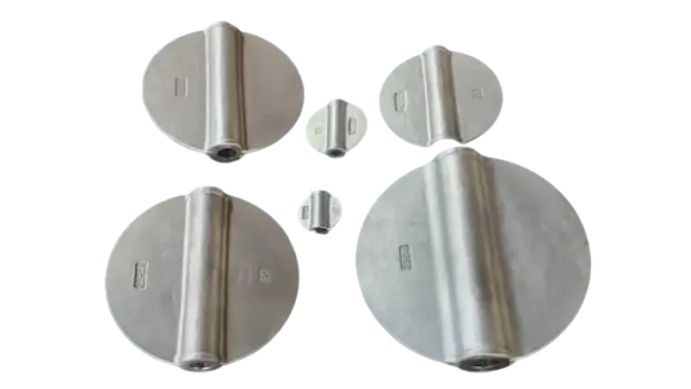
Solutions & Recommendations
Match Disc Material to Media
Always select disc materials based on chemical resistance, not just cost.
Consider Surface Treatment
Polishing, epoxy coating, or nickel plating can dramatically improve performance.
Balance Strength and Weight
Heavier discs are stronger but increase torque; lighter materials may suit automated systems better.
Case Analysis
Case 1: Water Distribution System
A ductile iron disc with epoxy coating provided an ideal balance between strength and corrosion resistance.
Case 2: Chemical Processing Line
Switching from ductile iron to a stainless steel butterfly valve disc eliminated pitting corrosion and doubled service life.
Data & Technical Comparison
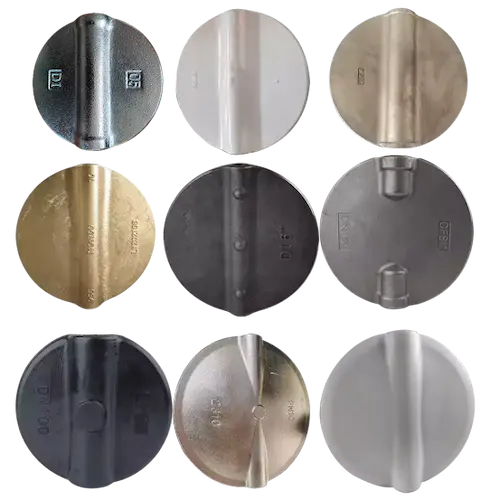
Common Butterfly Valve Disc Materials
Ductile Iron Disc
-
Cost-effective
-
Good mechanical strength
-
Requires coating for corrosion protection
Stainless Steel Disc (CF8 / CF8M)
-
Excellent corrosion resistance
-
Suitable for aggressive media
-
Higher material cost
Aluminium Bronze Disc
-
Outstanding seawater resistance
-
Non-sparking
-
Preferred for marine and offshore applications
Nylon / PTFE Coated Disc
-
Reduced friction
-
Chemical resistance
-
Limited temperature range
Market Trends & Insights
The global valve market shows a steady shift towards stainless steel butterfly valve discs and advanced coatings, driven by automation, stricter environmental standards and longer maintenance cycles. Buyers increasingly prioritise total lifecycle cost over initial price.
Style & Usage Recommendations
-
Water & HVAC: Epoxy-coated ductile iron
-
Chemical & food industries: Stainless steel
-
Marine environments: Aluminium bronze
-
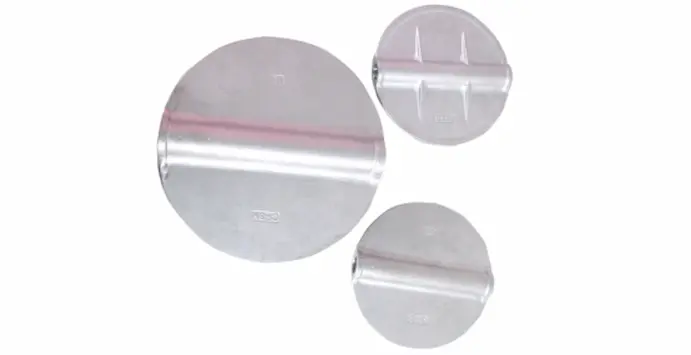
Automated systems: Lightweight, polished discs
At Vcore Valve, disc material selection is always engineered around real application data, not assumptions.
Conclusion
Choosing the right butterfly valve disc material is not a minor detail — it defines valve reliability, efficiency and safety. If you are unsure which disc material suits your application, the engineering team at Vcore Valve is ready to help you make the right decision from day one.
FAQs
Q1: What is the most common butterfly valve disc material?
Ductile iron with epoxy coating is widely used for water and HVAC systems.
Q2: Is stainless steel always better?
Not always. It offers superior corrosion resistance but may be unnecessary for non-aggressive media.
Q3: Can disc coating replace stainless steel?
Coatings help, but they cannot fully replace solid stainless steel in harsh chemical environments.
Q4: Does disc material affect torque?
Yes. Heavier or rough-surface discs increase operating torque.
Q5: How do I choose disc material for automation?
Focus on low friction, smooth surface finish and balanced weight.
Q6: Does Vcore Valve offer customised disc materials?
Yes, we support customised disc materials and coatings based on project requirements.
Reference
EN 593 Butterfly Valves Standard
ISO 5211 Actuator Mounting Interface
API 609 Butterfly Valve Design Standard
ASM Metals Handbook – Corrosion Resistance
Valve Manufacturer Technical White Papers