Quick Overview
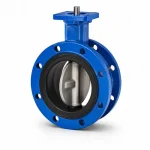
The butterfly valve and butterfly check valve are both commonly used in fluid systems, but they have distinct functionalities. Our butterfly valve is used primarily for flow regulation, while a butterfly check valve prevents backflow. This article will highlight the differences between these two valves, their use cases, and how to choose the right one for your application.
Opening Dialogue
Imagine you are managing a fluid system, and you need to choose between a butterfly valve and a butterfly check valve. While both valves may look similar, their functions are quite different. Choosing the wrong valve could lead to system inefficiencies or even costly damage. Let’s dive into the details and uncover what makes each valve unique.
User Pain Points
-
Confusion about valve functions: Many engineers struggle to understand the difference in function between butterfly valves and butterfly check valves, leading to incorrect valve selection.
-
Choosing the right valve for the application: Some systems require specific types of valves for backflow prevention, while others need precise flow control. Not understanding the difference could cause performance issues.
-
Maintaining valve performance: Choosing the wrong valve can lead to higher maintenance costs and reduced system efficiency over time.
Solutions
-
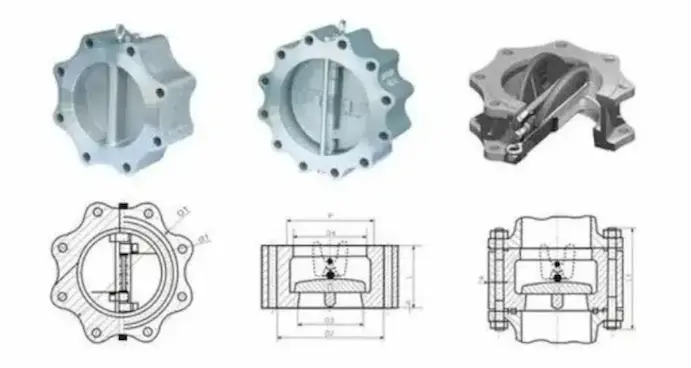
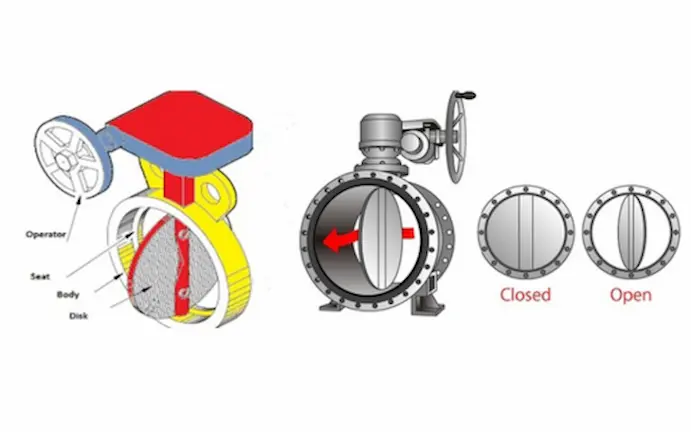
Understand the function of each valve: Butterfly valves are designed for regulating fluid flow in systems, while butterfly check valves are designed to prevent backflow by allowing flow in only one direction.
-
Choose based on the application: If you need precise control of flow, a butterfly valve is the right choice. If backflow protection is required, then a butterfly check valve is essential.
-
Prioritize maintenance needs: Butterfly valves typically have fewer moving parts, making them easier to maintain. Butterfly check valves may require careful installation and maintenance to ensure they function properly, especially in systems with high pressure.
Case Analysis
Example 1: Industrial Cooling System
In an industrial cooling system, butterfly valves are used to regulate the flow of coolant to different sections. Butterfly check valves are installed at key points to prevent backflow, ensuring that the coolant flows in the correct direction and preventing contamination.
Example 2: Chemical Processing Facility
In a chemical processing plant, butterfly valves control the flow of chemicals through various pipelines. Butterfly check valves are placed to prevent the chemicals from flowing back into storage tanks, which could cause chemical reactions or contamination.
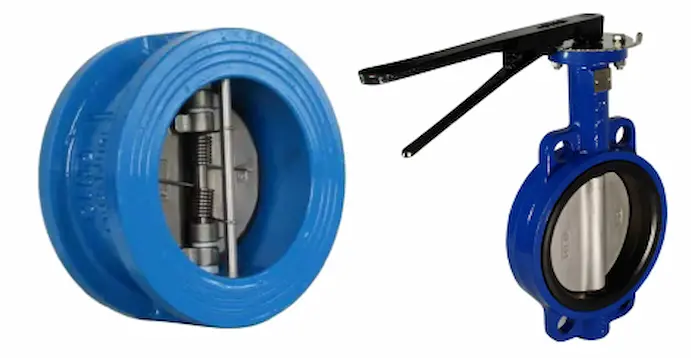
Data Comparison
| Feature | Butterfly Valve | Butterfly Check Valve |
|---|---|---|
| Function | Regulates flow | Prevents backflow |
| Design | Central shaft with disc for flow control | One-way flow with disc that closes when flow reverses |
| Application | Ideal for flow control and throttling | Used in applications where backflow protection is crucial |
| Cost | Generally more affordable | Higher cost due to backflow prevention features |
| Maintenance | Easier to maintain | Requires more attention to installation and pressure conditions |
| Performance Impact | Effective in regulating flow rates | Effective in preventing reverse flow, protecting system integrity |
Market Insights
With industries such as water treatment, oil and gas, and HVAC systems continuing to grow, there is an increasing demand for both butterfly valves and butterfly check valves. The growing complexity of fluid systems, especially those requiring automated flow control, is pushing the need for advanced valve technology. Butterfly check valves are becoming more widely used as systems need reliable backflow prevention to ensure system integrity.
Moreover, the increasing awareness of environmental concerns is driving innovation in valve technology. Companies like Vcore Valve are focused on providing energy-efficient solutions that reduce system downtime and operational costs while ensuring system reliability.
Usage Recommendations
When selecting between a butterfly valve and a butterfly check valve, consider the following factors:
-
System Requirements: If the application requires controlling the flow rate of a fluid, a butterfly valve is the better choice. For systems where preventing backflow is critical, a butterfly check valve is essential.
-
Installation and Maintenance: Butterfly valves are simpler to install and maintain, making them a more cost-effective option for flow control. Butterfly check valves, while more expensive, offer critical backflow protection and should be used in applications where backflow could cause serious damage.
-
Budget Considerations: If you are working within a tight budget, butterfly valves are generally more affordable. However, if backflow protection is necessary, investing in butterfly check valves could save you costly repairs in the long term.
Conclusion
In conclusion, understanding the difference between butterfly valves and butterfly check valves is essential to making the right choice for your fluid control system. Vcore Valve offers high-quality valves that can cater to all your industrial needs. Whether you need a butterfly valve for flow regulation or a butterfly check valve for backflow prevention, we are here to help you select the best solution for your application.
Contact Vcore Valve today for expert advice and to get your customized valve solutions.
FAQs
-
What is the main difference between a butterfly valve and a butterfly check valve?
-
Butterfly valves are used for regulating the flow of fluids, while butterfly check valves are designed to prevent backflow.
-
-
Can I use a butterfly valve for backflow prevention?
-
No, a butterfly valve is not designed to prevent backflow. For backflow prevention, you need a butterfly check valve.
-
-
Which valve is better for controlling fluid flow?
-
A butterfly valve is better for controlling fluid flow, as it allows precise regulation of flow rates.
-
-
Are butterfly check valves more expensive than regular butterfly valves?
-
Yes, butterfly check valves tend to be more expensive due to their additional backflow protection mechanism.
-
-
Can butterfly valves be used in hazardous fluid systems?
-
Yes, butterfly valves are widely used in hazardous fluid systems, provided they are made from compatible materials.
-