Quick Overview
In industrial and commercial systems, fail-close and fail-open valves are critical components for controlling the flow of liquids or gases in a safe and reliable manner. These valves are designed to react in different ways during system failures. This article explains the key differences, providing insights into when and why each type is used in specific applications.
Introduction: The Importance of Valve Fail Functions
Valves play a pivotal role in maintaining the safety and efficiency of any system that deals with fluids or gases. Fail-close and fail-open valves are safety mechanisms designed to manage the flow in the event of a failure. Understanding the operational difference between these valve types is essential to selecting the right one for your system.
User Pain Points in Valve Selection
-
Unpredictable System Behavior: When valves fail in an unexpected way, it can lead to safety risks, system inefficiencies, or even catastrophic failures.
-
Difficulty in Identifying the Correct Valve: Selecting the wrong valve type can cause system malfunction, especially in high-pressure systems or critical infrastructure.
-
Lack of Understanding: Many engineers struggle to differentiate between fail-close and fail-open valves, which can result in improper valve selection.
Solutions and Recommendations for Valve Selection
-
Understanding Fail-Close vs. Fail-Open:
-
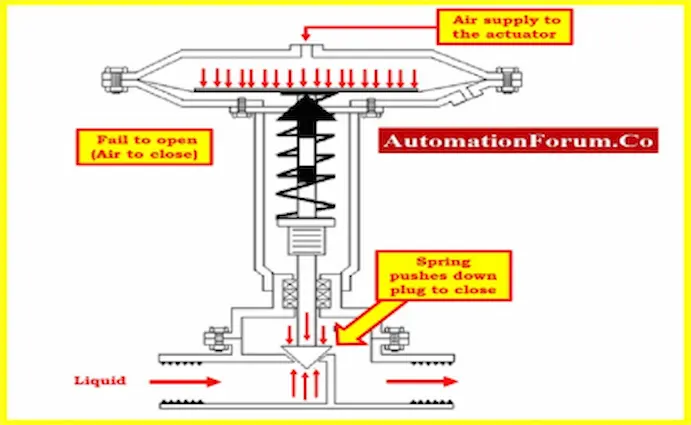
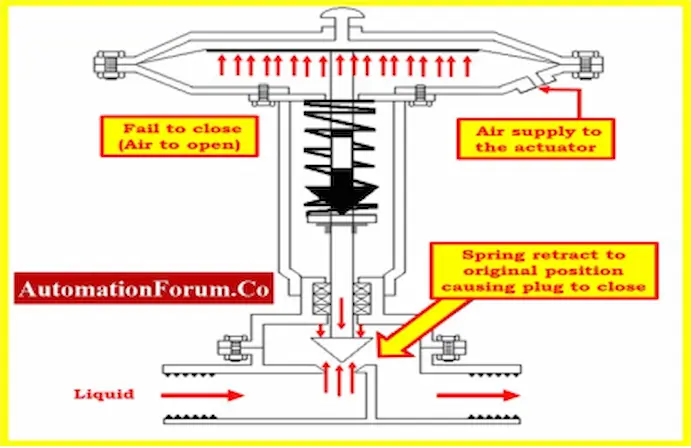
Fail-Close Valves: These valves automatically close when there is a failure in the system, stopping the flow completely to prevent damage or hazards.
-
Fail-Open Valves: Conversely, fail-open valves open automatically in the event of a failure, allowing fluid or gas to continue flowing, which is important in specific applications such as emergency venting or cooling.
-
-
Consider Application Requirements: For systems where the interruption of flow could lead to dangerous situations, fail-close valves are ideal. However, for cooling systems or processes requiring constant flow, fail-open valves are necessary to maintain the operation.
-
Ensure Correct Valve Sizing and Specification: Proper valve sizing is crucial in ensuring that your fail-close or fail-open valve performs optimally under all conditions. Be sure to consult the manufacturer’s specifications and flow coefficients to select the correct valve type for your application.
- Fail-open or fail-close is only one part of actuator selection. The complete package must also match the valve movement, required torque or thrust, available utility supply, operating speed, control signals and site conditions. See how to select a valve actuator for the complete engineering process.
Case Study: Application of Fail-Close and Fail-Open Valves in Oil Refining
In an oil refining project, both fail-close and fail-open valves were required for different parts of the system. Fail-close valves were used in the high-pressure zones to ensure that in the case of a pressure loss or system failure, the valves would automatically shut, preventing dangerous spills or leaks. In contrast, fail-open valves were implemented in the cooling systems to maintain continuous water flow, preventing overheating.
Outcome
By implementing the correct fail function valves, the system ran safely with minimal downtime and no unanticipated shutdowns, ensuring operational efficiency and safety.
Data and Scientific Analysis
| Valve Type | Operation on Failure | Typical Application | Pressure Range (PSI) | Flow Control |
|---|---|---|---|---|
| Fail-Close Valve | Closes | High-pressure systems, safety | Up to 10,000 PSI | Prevent flow |
| Fail-Open Valve | Opens | Cooling systems, emergency vent | Up to 5,000 PSI | Allow flow |
The table above compares the two types of valves based on their operation, typical application, and pressure range.
Trends and Market Insights
With the growing demand for safety in industrial systems, the fail-close and fail-open valve market is evolving rapidly. Manufacturers are developing smarter valves with features like automatic fail modes and remote monitoring systems, allowing engineers to track valve performance in real-time. These advancements are particularly beneficial in critical industries, such as oil and gas and chemical processing, where safety is paramount.
Style and Usage Suggestions
-
Select Based on Safety Needs: If your application requires a quick stop of fluid flow to prevent damage, a fail-close valve is the best option. If continuous flow is necessary, go for a fail-open valve.
-
Understand Pressure Conditions: Always check the pressure rating of your system before choosing between fail-close and fail-open valves. Ensure that the selected valve can handle the system’s operational pressure.
-
Regular Maintenance: Periodically check and test the fail function of the valve to ensure it operates correctly during system failure situations.
Conclusion
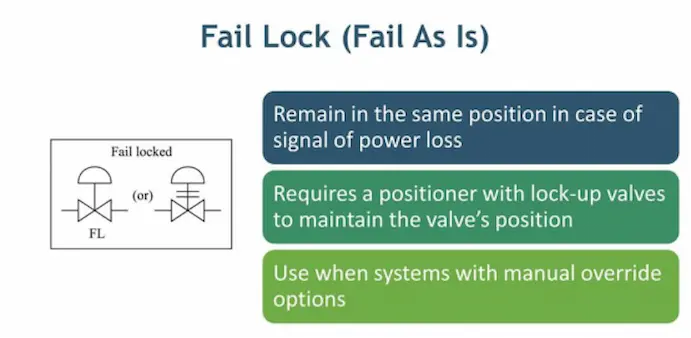
Choosing between fail-close and fail-open valves depends on the specific needs of your system. Whether it’s for safety in high-pressure environments or continuous flow in cooling systems, understanding the differences and applications of these valves will lead to better decisions and more efficient system operation. Always consult with experts and manufacturers to ensure the correct valve is selected for your particular use case.
FAQs
1. What is a fail-close valve?
A fail-close valve automatically closes in the event of a system failure to stop the flow of fluid or gas.
2. When should I use a fail-open valve?
Fail-open valves are used in systems that require continuous flow, even in the event of a failure, such as cooling or emergency venting systems.
3. Can a fail-close valve be used in all applications?
While fail-close valves are ideal for high-pressure and safety-critical systems, they may not be suitable for applications that require constant flow.
4. How do I select between a fail-close and fail-open valve?
Consider the operational conditions of your system and whether you need to stop or allow flow in the event of a failure. This decision will guide your selection.
5. Are fail-safe valves necessary in all systems?
Fail-safe valves are essential in critical systems where safety, pressure control, and continuous flow are paramount.