Quick Overview
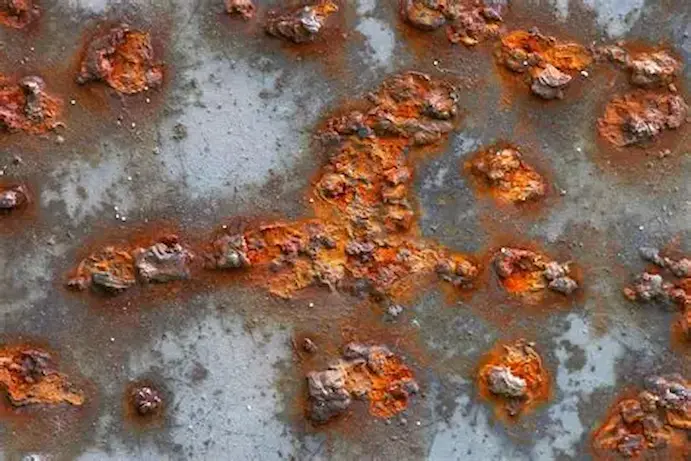
Intergranular corrosion is a localized corrosion mechanism that attacks metal grain boundaries and can seriously weaken stainless steel valve bodies, discs, stems, weld areas, and pressure-containing parts. Prevention requires correct material selection, welding control, heat treatment awareness, corrosion testing, passivation where applicable, and service-condition review.
Opening Scenario
In an industrial plant, where valves control the flow of corrosive chemicals or high-temperature fluids, the last thing you want is for those valves to degrade prematurely. Intergranular corrosion can compromise the integrity of valve materials, especially stainless steel, leading to leaks, failure, and costly downtime. Imagine an oil refinery where intergranular corrosion is slowly eating away at the valves controlling crude oil flow, creating a safety hazard and forcing expensive repairs. Preventing this corrosion is essential for maintaining system efficiency and safety.
Pain Points
When it comes to intergranular corrosion, operators face several challenges that directly impact valve performance:
1. Decreased Valve Performance
Intergranular corrosion can severely affect the functionality of valves, leading to leaks, poor sealing, and the inability to regulate flow correctly. This can result in system inefficiencies and increased energy consumption.
2. Increased Maintenance Costs
The damage caused by intergranular corrosion often leads to the need for frequent repairs or replacements of valves. This not only increases operational downtime but also adds significant maintenance costs.
3. Safety Hazards
In industries dealing with high pressures, temperatures, or corrosive chemicals, intergranular corrosion can weaken valve materials to the point of failure, posing serious safety risks, such as chemical spills, leaks, or even explosions.
Solutions
To effectively combat intergranular corrosion, it is essential to understand its causes and apply preventive measures. Here are three solutions to mitigate intergranular corrosion and extend the lifespan of valves in industrial systems:
1. Use of High-Quality Materials
In austenitic stainless steel valves, intergranular corrosion is commonly associated with sensitization. During welding, heat treatment, or exposure to a sensitizing temperature range, chromium carbides may precipitate at grain boundaries, creating chromium-depleted zones that become more vulnerable to corrosion. Other alloys may suffer intergranular attack through different metallurgical mechanisms, so the cause must be confirmed from material and service conditions.
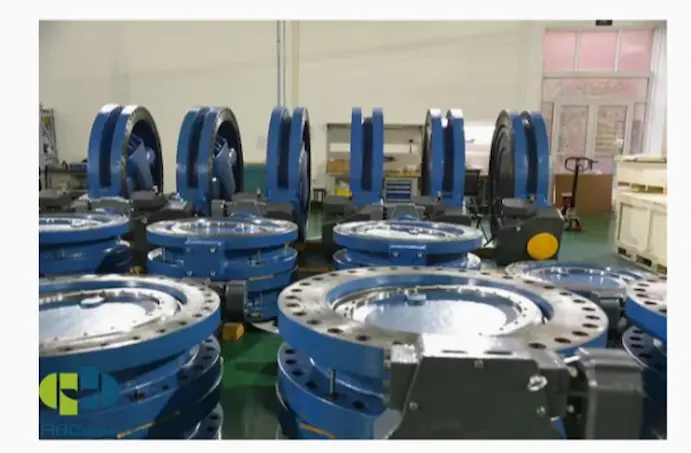
At Vcore Valve, we provide valves made from high-quality materials that are resistant to intergranular corrosion, ensuring long-lasting and reliable performance even in the harshest industrial conditions.
2. Passivation of Stainless Steel
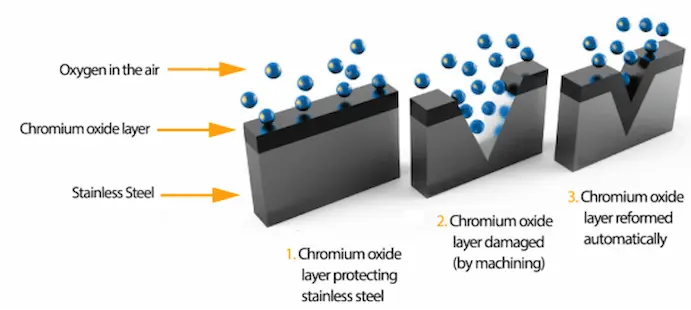
Passivating stainless steel involves treating the material with a chemical solution that removes free iron from the surface, enhancing its resistance to corrosion. This process improves the chromium oxide layer that forms naturally on stainless steel, providing extra protection against intergranular corrosion.
For industries facing high temperatures or chemical exposure, passivated valves offer superior resistance to corrosion, extending the life of the equipment.
3. Application of Protective Coatings
Another effective way to prevent intergranular corrosion is by applying protective coatings to valves. Epoxy coatings, ceramic coatings, and fluoropolymer coatings provide a protective barrier that shields the valve surface from harsh chemicals and high temperatures, preventing intergranular corrosion from occurring in the first place.
At Vcore Valve, we offer a variety of coatings that not only protect valves from corrosion but also improve their overall performance in aggressive environments.
Typical Application Scenario
In chemical or high-temperature service, stainless steel valves near welded areas or heat-affected zones may be vulnerable to intergranular corrosion if the wrong grade or heat treatment condition is used. A better solution may involve low-carbon or stabilized stainless steel, nickel alloy material, controlled welding, post-weld cleaning, passivation where applicable, and corrosion testing according to the project requirement.
Data Analysis
| Option | Role in Intergranular Corrosion Prevention | Key Limitation |
|---|---|---|
| 304L / 316L stainless steel | Lower carbon content reduces chromium carbide precipitation risk | Not immune to chloride pitting, crevice corrosion, or all chemicals |
| 321 / 347 stabilized stainless steel | Ti or Nb stabilization helps reduce chromium carbide formation | Must match temperature, welding and service conditions |
| Alloy 625 / Hastelloy grades | Nickel alloys may offer stronger corrosion resistance in severe media | High cost; selection must match exact chemical environment |
| Solution annealing | Can dissolve chromium carbides and restore corrosion resistance where applicable | Not practical for all finished valve assemblies or field repairs |
| Passivation | Improves surface condition and removes free iron | Cannot reverse sensitized grain boundaries |
| Coatings / linings | Reduce contact between media and base metal | Do not fix metallurgical sensitization; can fail if damaged |
This table outlines the different materials and coatings used for valves and their resistance to intergranular corrosion, helping you choose the right material for your system.
Trends
1. Advances in Coating Technologies
The demand for advanced coating technologies is growing, particularly for valves exposed to high temperatures and corrosive environments. New nano-coatings are being developed to provide even more effective protection against intergranular corrosion while reducing the environmental impact.
2. Use of Alloy Materials
Alloys like Inconel 625 and Hastelloy C-276 are becoming increasingly popular in industries where intergranular corrosion is a significant concern. These alloys offer superior resistance to high-temperature corrosion and intergranular corrosion in aggressive environments.
3. Integration of Corrosion Monitoring Systems
The use of smart sensors and IoT technologies to monitor corrosion levels in real-time is a growing trend. These systems can detect the early signs of intergranular corrosion and alert operators to perform maintenance or replacement, preventing catastrophic failures.
Usage Advice
When dealing with intergranular corrosion in valves, consider the following:
1. Choose the Right Valve Material
Select low-carbon stainless steel or corrosion-resistant alloys for applications where intergranular corrosion is a concern. Make sure to choose 316L stainless steel or other high-performance materials for critical systems.
2. Implement Regular Maintenance and Inspections
Even with the best materials and coatings, regular maintenance is key. Inspect valves for signs of corrosion, check for scale buildup, and replace seals as needed to maintain optimal valve performance.
3. Opt for Protective Coatings
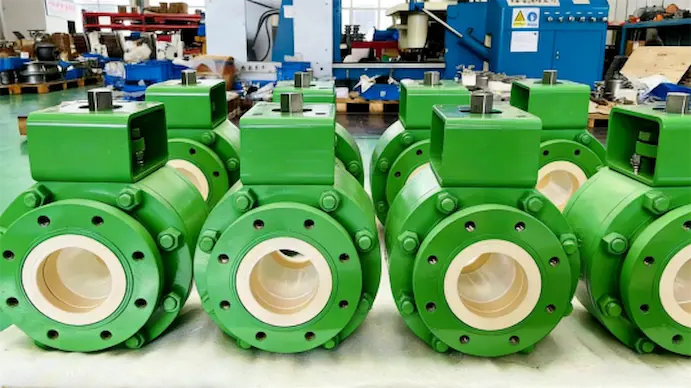
For added protection, use ceramic coatings or fluoropolymer coatings to prevent intergranular corrosion and extend valve life. These coatings can also help prevent other forms of corrosion, such as pitting or crevice corrosion.
Conclusion
Intergranular corrosion is a serious issue that can compromise the performance of valves in many industrial applications. By choosing the right materials, applying protective coatings, and performing regular maintenance, you can effectively prevent this type of corrosion and extend the life of your valves.
At Vcore Valve, we provide solutions designed to resist intergranular corrosion, including high-quality materials, passivated surfaces, and advanced coatings. Our products are engineered to deliver long-lasting and reliable performance in even the most corrosive environments.
FAQs
1. What is intergranular corrosion?
Intergranular corrosion occurs along the grain boundaries of metals, typically in stainless steel alloys, and is caused by exposure to high temperatures or corrosive chemicals.
2. How can intergranular corrosion be prevented?
By using corrosion-resistant materials such as 316L stainless steel, applying passivation, and coating the valve with protective materials like ceramic or epoxy coatings.
3. What is passivation?
Passivation is a chemical treatment process that removes free iron from the surface of stainless steel, enhancing its resistance to corrosion.
4. Can coatings be applied to all types of valves?
Yes, coatings can be applied to most types of valves, including gate valves, ball valves, and globe valves, to prevent corrosion and improve their lifespan.
5. How often should valves be inspected for intergranular corrosion?
Valves should be inspected at regular intervals, especially in high-temperature or corrosive environments. Early detection can prevent severe damage and improve operational efficiency.
Reference
-
Corrosion Resistance of Stainless Steel – Materials Engineering Journal
-
Valve Selection for Corrosive Environments – Valve World Magazine
-
Innovations in Coatings for Valves – Industrial Valve Solutions