Quick Overview
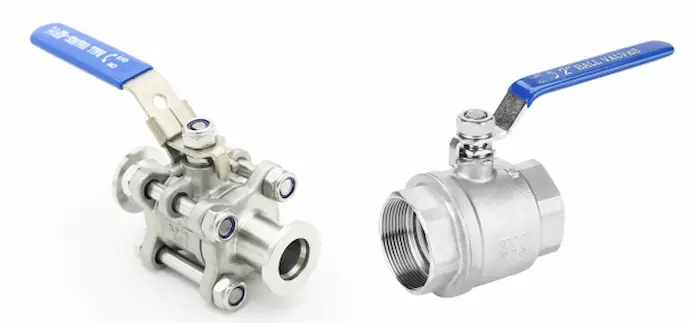
Ball valves are commonly used for flow control in various industrial systems. However, when working in specific applications, such as in vacuum systems, choosing between a vacuum ball valve and a regular ball valve is crucial. This article explores the differences between the two, helping you determine which valve is best suited for your application.
Opening Scenario
Imagine a laboratory setup where precise flow control is required to manage a vacuum system. In this case, a vacuum ball valve is essential for maintaining proper sealing and preventing air from entering the system. On the other hand, in an industrial pipeline transporting water or gas, a regular ball valve might be more appropriate. Understanding the differences between these two valve types is key to ensuring the efficiency and safety of your system.
Pain Points
Choosing the right type of valve can be confusing, especially when considering the specific needs of your system. Here are common pain points when deciding between a vacuum ball valve and a regular ball valve:
1. Pressure and Vacuum Requirements
In vacuum systems, maintaining a tight seal and handling low-pressure conditions is crucial. A regular ball valve might not provide the same level of sealing and performance in such environments, leading to potential air leakage and system inefficiencies.
2. Valve Durability and Performance
While regular ball valves are designed for higher pressure systems, they might not perform well in systems that involve vacuum or low-pressure environments, which require special sealing mechanisms to prevent leakage.
3. Cost and Maintenance
Vacuum ball valves are typically more expensive than regular ball valves, mainly due to their advanced design features, such as enhanced sealing and construction. However, using the wrong type of valve could lead to increased maintenance costs due to inefficiency or failure in sealing.
Solutions
Understanding the specific needs of your application is crucial to choosing the right valve. Here’s how each valve type addresses the challenges outlined above:
1. Vacuum Ball Valves: Designed for Low-Pressure Applications
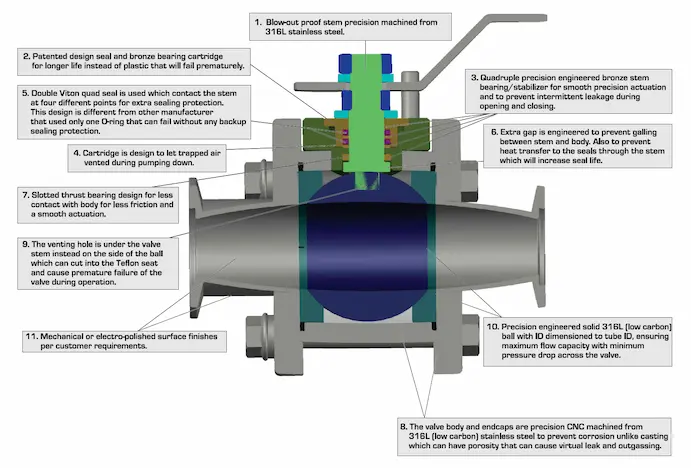
Vacuum ball valves are specially designed to work in vacuum systems, where low pressure and tight sealing are essential. These valves are built with special seals and materials that ensure minimal air leakage, even at low pressures. The design allows for a more secure shutoff, preventing contaminants from entering the system.
At Vcore Valve, we offer vacuum ball valves that provide a reliable solution for applications in laboratories, medical devices, and other sensitive environments where maintaining a vacuum is critical.
2. Regular Ball Valves: Ideal for High-Pressure Systems
Regular ball valves, on the other hand, are built to handle high-pressure systems, such as pipelines carrying gases or liquids at elevated pressures. These valves are designed with a simpler sealing mechanism that is more suited for industrial applications. They are durable, cost-effective, and require less maintenance compared to vacuum ball valves.
Vcore Valve provides regular ball valves that offer robust performance for a wide range of industrial applications, from water treatment to chemical processing.
3. Choosing the Right Valve Based on Application Needs
For systems with vacuum conditions, vacuum ball valves are the best choice due to their superior sealing capabilities. In contrast, regular ball valves are perfect for applications that involve high-pressure systems, where flow control and durability are the primary concerns.
Vcore Valve offers both vacuum ball valves and regular ball valves, ensuring that you have the right solution for your application. Our valves are built to withstand harsh environments while providing excellent performance and reliability.
Case Study
A pharmaceutical company was experiencing issues with air leakage in their vacuum-based packaging system. The system’s regular ball valves were not providing the required seal, leading to inefficiencies and contamination risks. After switching to vacuum ball valves, the company saw a significant improvement in system performance and reduced the risk of contamination. The new vacuum ball valves offered a tighter seal and improved reliability, leading to higher efficiency and lower maintenance costs.
Data Analysis
| Valve Type | Ideal Pressure Range | Sealing Performance | Best Use Case |
|---|---|---|---|
| Vacuum Ball Valve | Low Pressure (<1 bar) | High (minimal leakage) | Vacuum systems, medical, laboratory applications |
| Regular Ball Valve | High Pressure (up to 40 bar) | Moderate sealing | Water pipelines, oil and gas, industrial systems |
This table highlights the key differences in pressure range, sealing performance, and best use cases for vacuum ball valves and regular ball valves.
Trends
1. Increasing Use of Vacuum Technology
As industries move towards more precise control of processes, especially in pharmaceuticals and food packaging, the demand for vacuum ball valves is increasing. Innovations in valve technology are making these valves more efficient, compact, and reliable.
2. Improved Sealing Technologies
Both vacuum ball valves and regular ball valves are benefiting from advancements in sealing technology. New materials and designs are improving the longevity and performance of valves in high and low-pressure environments.
3. Automation in Valve Control
Automated valve systems are becoming more common, particularly in applications requiring precise flow control. Smart vacuum ball valves are now available with integrated sensors and actuators, providing real-time data and making it easier to maintain optimal performance.
Usage Advice
When selecting a valve for your system, consider the following:
1. Determine the Operating Pressure
If your system operates under low-pressure or vacuum conditions, choose vacuum ball valves for their superior sealing. For high-pressure systems, regular ball valves are the more practical and cost-effective option.
2. Evaluate the System’s Need for Tight Sealing
If maintaining a vacuum is crucial, vacuum ball valves offer a more reliable seal than regular ball valves, which may leak air or contaminants in low-pressure environments.
3. Consider Valve Materials
For both types of valves, choose materials that are compatible with your system’s media. Stainless steel and other corrosion-resistant alloys are commonly used for ball valves in industrial systems to ensure long-term durability.
Conclusion
Choosing the right ball valve is critical to the performance of your system. While vacuum ball valves are ideal for low-pressure and vacuum applications due to their superior sealing capabilities, regular ball valves are better suited for high-pressure environments. Understanding the specific needs of your application will help you make the right decision and ensure efficient, reliable operation.
At Vcore Valve, we offer both vacuum ball valves and regular ball valves designed to meet the highest standards of performance and durability. Whether you need valves for vacuum systems or industrial applications, we have the right solution for you.
FAQs
1. What is the difference between a vacuum ball valve and a regular ball valve?
Vacuum ball valves are designed for low-pressure environments and provide superior sealing, while regular ball valves are used in high-pressure systems and offer robust performance.
2. Can regular ball valves be used in vacuum systems?
No, regular ball valves may not provide the necessary seal for vacuum systems, which require vacuum ball valves for optimal performance.
3. Are vacuum ball valves more expensive than regular ball valves?
Yes, vacuum ball valves are typically more expensive due to their specialized design and enhanced sealing capabilities.
4. How often should ball valves be maintained?
Both vacuum ball valves and regular ball valves should be inspected regularly for wear and tear, particularly in high-pressure or vacuum systems.
5. What materials are used for ball valves?
Ball valves are typically made from stainless steel, brass, or other corrosion-resistant materials depending on the application.
Reference
-
Valve Technologies for Vacuum Systems – Valve World Magazine
-
Understanding Ball Valve Types – Industrial Valve Solutions Journal
-
Advanced Ball Valve Sealing Technologies – Engineering Insights