Quick Overview
Valve corrosion is a common issue in industrial environments that can significantly affect the performance and lifespan of valves. In this article, we explore the causes of corrosion, its impact on valve functionality, and essential measures to prevent corrosion, ensuring a long-lasting and efficient valve operation in various industrial applications.
Introduction: The Challenge of Valve Corrosion
In industries that deal with water, chemicals, and gases, valve corrosion is a pressing concern. It leads to reduced efficiency, increased maintenance costs, and a higher risk of system failures. Corrosion-resistant valves and protective measures are vital to extending the life of valves and maintaining operational safety.
Key Pain Points in Valve Corrosion
-
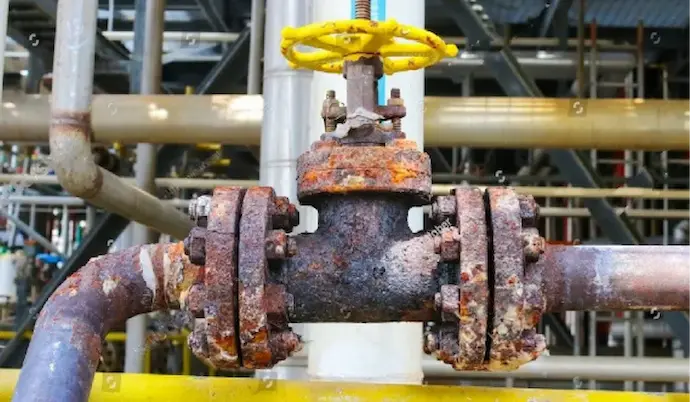
Reduced Valve Performance: Corrosion can lead to leaks, blockages, or even complete valve failure, which disrupts system performance and production.
-
Increased Maintenance Costs: Valves that corrode prematurely require frequent repairs or replacements, leading to higher operational and maintenance costs.
-
Safety Risks: Corrosion in valves used in critical systems, such as pipelines or gas control systems, can pose serious safety hazards due to leaks or catastrophic failures.
Solutions and Recommendations for Preventing Valve Corrosion
-
Use Corrosion-Resistant Materials: Select valves made from materials that are resistant to corrosion, such as stainless steel, brass, or specialized alloys. These materials are designed to withstand harsh environments and prevent corrosion from forming.
-
Apply Protective Coatings: Coating valves with anti-corrosion coatings, such as epoxy or polyurethane, can provide an additional layer of protection against corrosive elements.
-
Regular Maintenance and Inspection: Routine maintenance and inspection help detect early signs of corrosion, allowing for timely intervention and reducing the risk of valve failure.
Case Study: Valve Corrosion Prevention in Chemical Plants
A chemical plant experienced frequent valve failures due to corrosion caused by exposure to aggressive chemicals. After switching to corrosion-resistant valves made of high-grade stainless steel and applying anti-corrosion coatings, the plant saw a marked improvement in valve longevity and reliability. The valves were able to withstand harsh chemical environments without the risk of premature failure.
Outcome
This proactive approach not only reduced maintenance costs but also improved the overall safety of the plant, ensuring smooth and uninterrupted operations.
Data and Scientific Analysis
| Corrosion Cause | Effect on Valves | Preventive Measure |
|---|---|---|
| Chemical Exposure | Accelerates material breakdown | Use corrosion-resistant alloys |
| High Pressure and Temperature | Stress cracks and leaks | Apply protective coatings |
| Moisture and Humidity | Rust formation | Regular inspections and sealing |
| Saltwater and Acidic Conditions | Rapid corrosion | Choose appropriate materials |
This table compares various causes of valve corrosion and suggests the best preventive measures to enhance valve longevity.
Trends and Market Insights
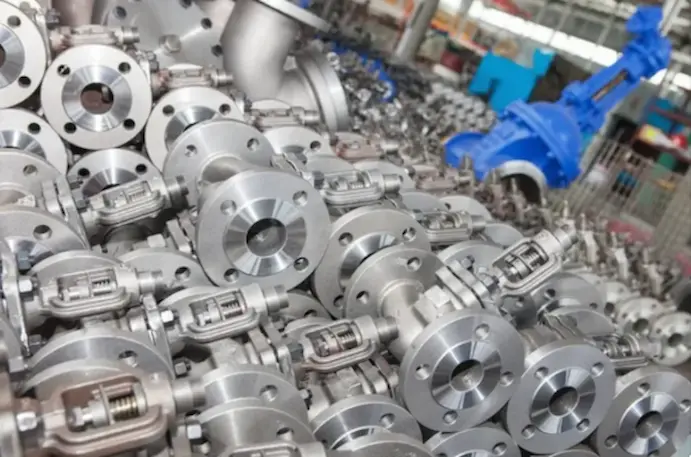
Valve corrosion prevention is becoming an increasing priority in industries like oil and gas, water treatment, and chemical manufacturing. With tighter environmental regulations and a growing awareness of the importance of maintenance, industries are investing in corrosion-resistant valves and coatings to protect their equipment and reduce downtime.
Style and Usage Suggestions
-
For Critical Applications: Use high-quality stainless steel or bronze valves that can withstand harsh chemical environments and high temperatures.
-
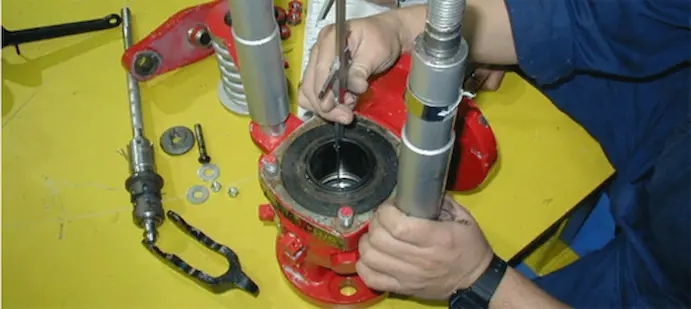
Routine Inspections: Regularly check for signs of corrosion, especially in older systems, to avoid unexpected failures.
-
Protective Coatings: For systems exposed to moisture or chemicals, applying protective coatings on valves can help preserve their integrity and reduce the need for replacements.
Conclusion
Valve corrosion is a major issue that can affect the performance, safety, and lifespan of valves in industrial systems. By implementing the right materials, coatings, and maintenance practices, industries can significantly reduce the risk of corrosion and prolong the life of their valves. At Vcore valve,we can ensure that your systems are equipped with corrosion-resistant valves to protect your investments and improve operational efficiency.
FAQs
1. What causes valve corrosion?
Valve corrosion is primarily caused by exposure to harsh chemicals, moisture, high temperatures, and other environmental factors. These elements break down the materials in the valve, leading to rust, leaks, and valve failure.
2. How can I prevent valve corrosion?
To prevent valve corrosion, use corrosion-resistant materials, apply protective coatings, and conduct regular maintenance and inspections to detect early signs of corrosion.
3. Which materials are best for preventing valve corrosion?
Materials such as stainless steel, brass, and high-grade alloys are commonly used for their resistance to corrosion. Choosing the right material depends on the environment in which the valve will be used.
4. How often should I inspect valves for corrosion?
Regular inspections should be conducted at least once every six months, especially in high-risk environments. If the system operates under extreme conditions, more frequent inspections may be necessary.
5. Can protective coatings prevent all types of corrosion?
While protective coatings can greatly reduce the risk of corrosion, they are not entirely foolproof. It is essential to choose the right coating for the specific environment and conduct regular inspections to ensure it remains intact.
References
-
Valve Corrosion Protection Techniques