Quick Overview
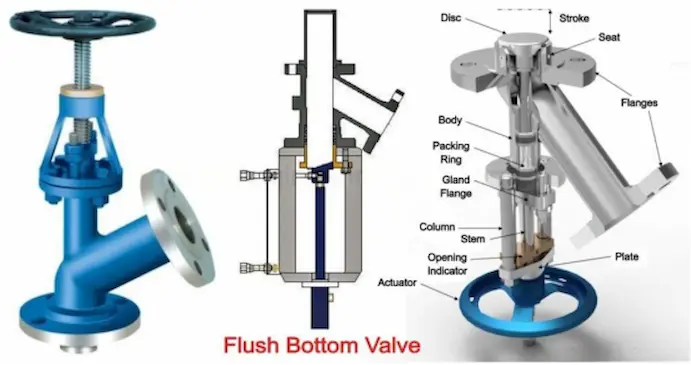
Flush bottom valves are essential in various industries where fluid discharge and maintenance are critical. These valves are designed to ensure efficient flow management in tanks and vessels by enabling smooth draining of accumulated materials. In this article, we will explore the different types, components, working mechanisms, applications, and advantages of flush bottom valves, providing insights into how they enhance fluid control in industrial systems.
Introduction: Understanding Flush Bottom Valves
In industrial applications, particularly in the chemical, pharmaceutical, and food processing sectors, efficient fluid control is crucial. One of the most valuable tools in managing tank and vessel discharge is the flush bottom valve. These valves are used to ensure that tanks and containers can be fully emptied, especially in systems where the material or fluid can settle or accumulate at the bottom.
This article will delve into the definition, types, components, working principles, applications, and the advantages of flush bottom valves, guiding you in selecting the right one for your specific industrial needs.
User Pain Points: Why You Need a Flush Bottom Valve
1. Efficient Fluid Discharge
In industries that handle viscous liquids or slurries, ensuring that tanks are emptied completely is a challenge. Without a flush bottom valve, residual material can accumulate, leading to contamination and inefficient operations.
2. Preventing Blockages
Tanks and vessels that handle fluids often face the issue of sediment and material build-up. Blockages can lead to operational delays and increased maintenance costs, reducing the overall efficiency of your system.
3. Long-Term System Maintenance
Many industries use valves in complex systems that require regular maintenance. Over time, valves can experience wear and tear. A poorly selected valve may require frequent servicing, leading to unnecessary downtime and additional operational costs.
Solutions: How Flush Bottom Valves Address These Challenges
1. Ensuring Complete Drainage
Flush bottom valves are designed to drain tanks and vessels effectively, ensuring that no material is left behind. This helps in preventing the accumulation of residues, keeping the system clean and reducing the risk of contamination.
2. Minimising Blockages and Deposits
By allowing smooth and controlled fluid flow, flush bottom valves help prevent sediment and solid build-up at the bottom of tanks. This ensures the continuous operation of processes, minimising the likelihood of blockages.
3. Reducing Maintenance Costs
Flush bottom valves are generally easy to maintain and have a long service life. With the right selection, they can reduce the need for frequent repairs, lowering maintenance costs and system downtime.
Case Study: Flush Bottom Valves in the Food Processing Industry
A large food processing plant was facing issues with the discharge of thick, syrupy liquids from their storage tanks. The material often accumulated at the bottom, causing delays in tank cleaning and contamination of subsequent batches. After installing flush bottom valves, the plant was able to efficiently drain the tanks, removing all the syrupy residue and improving production efficiency. The valves also reduced cleaning times and minimised the risk of contamination, ultimately leading to lower maintenance costs and improved product quality.
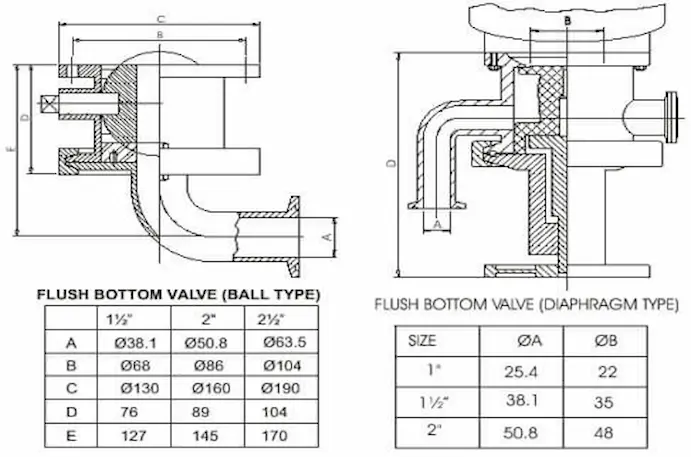
Data Comparison
Here is a comparison of the different types of flush bottom valves available in the market:
| Feature | Standard Flush Bottom Valve | Self-Flush Bottom Valve | Vented Flush Bottom Valve |
|---|---|---|---|
| Drainage Efficiency | Moderate | High | High |
| Application | General fluid discharge | High-viscosity fluids | Hazardous or volatile fluids |
| Maintenance Needs | Low | Moderate | High |
| Price | Lower | Higher | Moderate |
| Reliability | Good | Excellent | Excellent |
This table highlights the pros and cons of each type, helping you choose the best option based on your fluid type, budget, and operational needs.
Trends Insights
The demand for flush bottom valves is increasing as industries look to optimise fluid handling and improve operational efficiency. With advancements in valve technology, manufacturers are focusing on developing more efficient, cost-effective, and durable flush bottom valves.
One emerging trend is the integration of automation in valve systems. Automated flush bottom valves allow for remote monitoring and control, improving the overall reliability and reducing the need for manual intervention. This trend is particularly relevant in industries like oil & gas, food processing, and chemical manufacturing, where continuous operations are essential.
Style Suggestions
When selecting a flush bottom valve, consider the following factors:
-
Fluid Type: For viscous or slurry-like fluids, opt for self-flushing valves that offer better drainage efficiency. For volatile or hazardous materials, a vented flush bottom valve is a safer choice.
-
Pressure and Temperature: Ensure that the valve is suitable for the operating pressure and temperature of your system. Double-check manufacturer specifications to avoid damage or inefficiency.
-
Maintenance Needs: If you require low-maintenance valves, standard flush bottom valves may be ideal. However, for more demanding applications, self-flushing valves, though requiring more maintenance, can offer better performance.
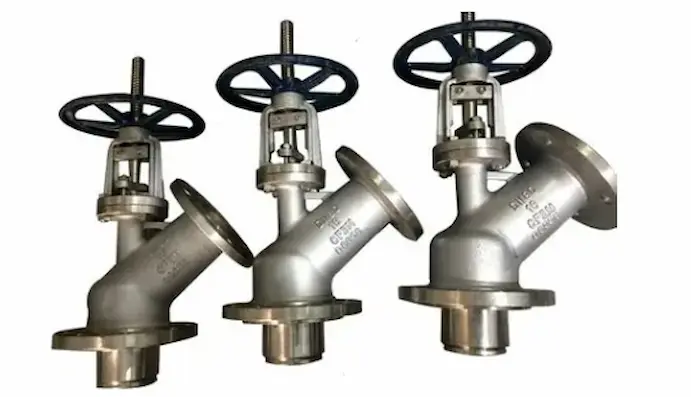
Conclusion: Selecting the Right Flush Bottom Valve for Your Application
Flush bottom valves are a critical component in many industrial applications where efficient fluid discharge and system reliability are key. Understanding the different types of flush bottom valves and their advantages will help you make an informed decision.
At Vcore Valve, we provide a wide range of high-quality flush bottom valves designed to meet the specific needs of your system. Our team of experts is here to guide you through the selection process, ensuring you get the most efficient and cost-effective valve solution for your operations.
FAQs
1. What is a flush bottom valve?
A flush bottom valve is a type of valve used to discharge fluids from the bottom of a tank or vessel. It is designed to ensure complete drainage and minimise the risk of residue build-up.
2. What are the advantages of using flush bottom valves?
Flush bottom valves help prevent blockages, improve fluid discharge efficiency, and reduce maintenance costs. They are ideal for industries dealing with viscous, slurry-like fluids.
3. How does a self-flushing bottom valve work?
Self-flushing bottom valves are designed with a mechanism that ensures automatic cleaning, making them ideal for high-viscosity fluids. They offer better drainage and reduce the need for manual cleaning.
4. Can flush bottom valves handle hazardous fluids?
Yes, vented flush bottom valves are designed for handling hazardous, volatile, or toxic fluids. They provide additional safety measures by allowing gases or vapours to escape safely.
5. Are flush bottom valves easy to maintain?
Flush bottom valves are generally low-maintenance, with standard models requiring minimal upkeep. However, self-flushing models may require more attention, particularly in high-viscosity applications.