Quick Overview
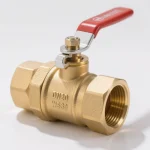
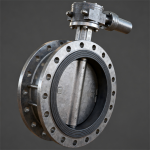
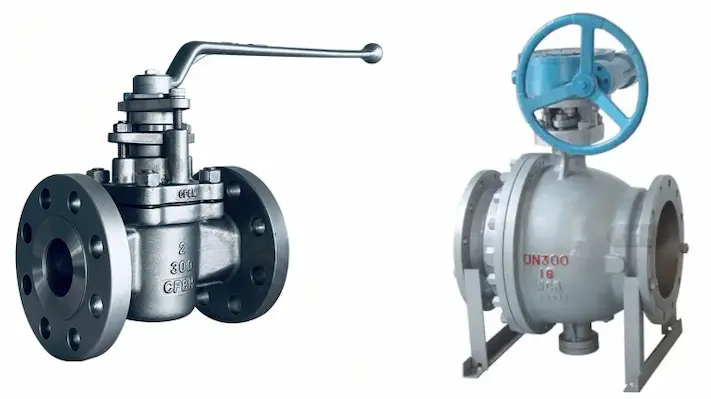
Understanding plug valve vs ball valve is crucial for engineers, plant operators, and pipeline designers. At Vcore Valve, we provide high-quality solutions tailored for various industrial applications. This guide explores functionality, design, and practical considerations for each valve type.
Opening Scenario
Imagine a chemical plant where flow control errors can lead to downtime or even safety hazards. Choosing the right valve type—whether a plug valve or ball valve—can prevent costly issues and improve operational efficiency.
User Pain Points
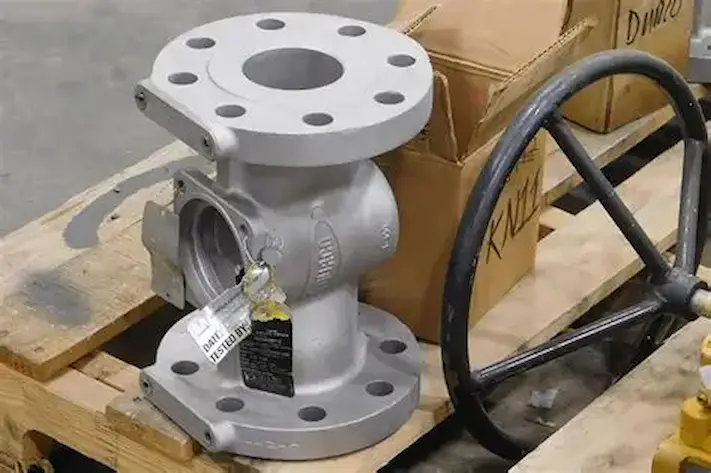
Mis-selection of valve type: Engineers often select a valve without fully understanding torque, sealing, or maintenance differences.
Maintenance challenges: Incorrect installation can lead to leakage, wear, and frequent servicing.
Operational inefficiency: Using the wrong valve type can increase pressure drop and reduce flow control precision.
Solutions / Recommendations
Understand flow characteristics: Use ball valves for tight shut-off and minimal pressure drop; choose plug valves for throttling and slurry applications.
Material compatibility: Select materials compatible with the fluid type—stainless steel, bronze, or special alloys.
Consider automation needs: Ball valves are generally easier to automate, whereas plug valves may require higher torque actuators.
Case Analysis
-
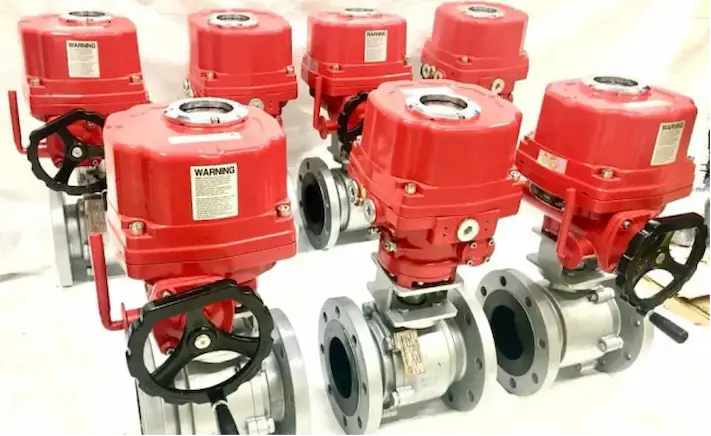
Ball Valve Application: In water treatment plants, Vcore Ball Valves provide reliable on/off control with minimal leakage, ideal for pipelines with moderate flow and pressure.
-
Plug Valve Application: In chemical slurry pipelines, plug valves resist clogging and abrasion, extending service life in harsh conditions.
Plug Valve vs Ball Valve Data Comparison
| Feature | Ball Valve | Plug Valve |
|---|---|---|
| Operation | Quarter-turn | Quarter-turn |
| Flow Control | Excellent shut-off | Suitable for throttling |
| Maintenance | Low, easy automation | Moderate, higher torque needed |
| Pressure Drop | Low | Moderate to high |
| Material Flexibility | High | Moderate |
| Typical Application | Water, gas, oil pipelines | Slurry, corrosive fluids, heavy-duty lines |
Trends Insights
-
Automation adoption: Ball valves increasingly dominate automated systems due to low torque requirements.
-
Specialized alloys: Plug valves are favoured in chemical and slurry industries for durability and corrosion resistance.
-
Hybrid solutions: Manufacturers like Vcore Valve are introducing modular designs combining benefits of both valve types.
Usage Recommendations
-
Use ball valves for high-pressure, low-maintenance systems.
-
Use plug valves where frequent throttling or abrasive flow occurs.
-
Ensure proper actuator sizing and installation torque settings.
Conclusion
Choosing between plug valves and ball valves depends on application, flow characteristics, and maintenance considerations. At Vcore Valve, we provide custom solutions tailored for industrial pipelines, ensuring reliability, safety, and efficiency. Contact us today to discuss the best valve type for your system.
FAQs
Q1: What is the main difference between a plug valve and a ball valve?
Ball valves offer tight shut-off with low pressure drop, while plug valves are better suited for throttling and handling abrasive or corrosive fluids.
Q2: Can plug valves be automated?
Yes, but they require actuators designed to handle higher torque compared to ball valves.
Q3: Which valve type is easier to maintain?
Ball valves generally require less maintenance and are easier to automate than plug valves.
Q4: Are plug valves suitable for slurry pipelines?
Yes, plug valves resist clogging and abrasion, making them ideal for slurry and heavy-duty applications.
Q5: Do Vcore Valve manufacture both types?
Yes, Vcore Valve provides both ball and plug valves with custom materials, sizes, and pressure classes.
Reference
-
Vcore Valve Technical Notes – Ball & Plug Valve Design and Applications.
-
American Petroleum Institute (API) – API 608: Metal Ball Valves; API 6D: Pipeline Valves.
-
Valve Manufacturers Association – Valve Selection and Maintenance Guidelines.
-
Engineering Toolbox – Flow Characteristics of Plug vs Ball Valves.
-
International Organization for Standardization (ISO 17292) – Metal Ball Valves for Industrial Applications