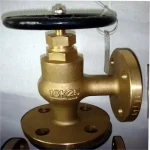
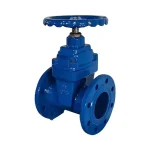
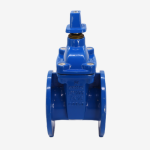
Choosing between manual and automatic valves is not only a budget decision. It affects operator safety, process stability, maintenance planning and how easily the valve can be integrated into a control system. A manual valve may be the best option for a simple isolation point, while an actuated valve can reduce risk and improve repeatability in frequent or remote operation.
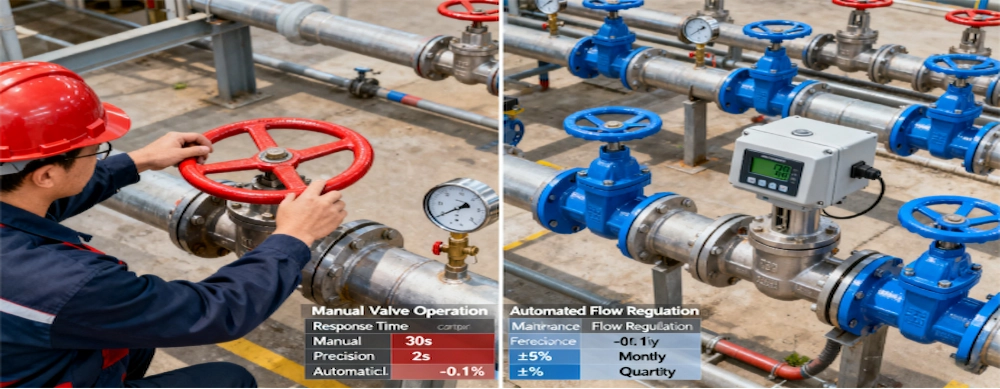
1. Start With How Often the Valve Moves
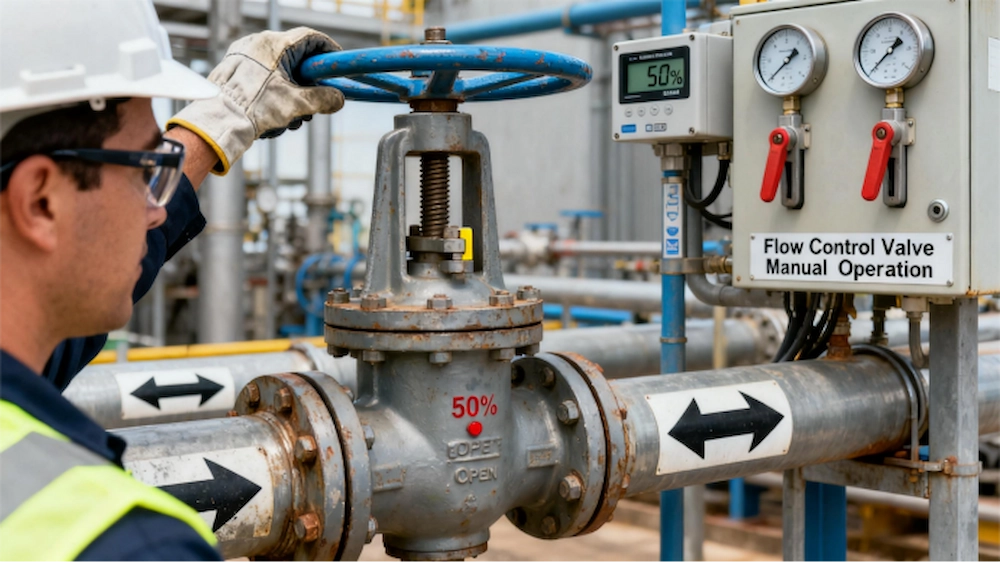
If the valve is operated only during shutdown, commissioning or occasional maintenance, a hand lever, gear operator or handwheel is often practical. For daily or hourly operation, automation is usually easier to justify because it reduces labor, prevents missed operations and improves process consistency.
A useful first question is simple: will an operator be available at the valve location every time the valve must move? If the answer is uncertain, automatic operation deserves serious consideration.
2. Review Access, Height and Safety Risk
Manual valves become less attractive when they are installed on high platforms, near hot surfaces, in chemical areas, in confined spaces or in places where emergency access is difficult. In these conditions, an actuator can protect personnel and make the system easier to operate under pressure.
3. Match the Valve Type to the Actuator
Quarter-turn valves such as ball valves and butterfly valves are often simple to automate with pneumatic, electric or hydraulic actuators. Multi-turn valves such as gate and globe valves need different actuator sizing and travel control. For electric options, see our electric ball valves page for typical industrial configurations.
Actuator sizing should include valve torque, pressure differential, media condition, safety factor, cycle frequency and closing speed. Oversizing can increase cost and stress; undersizing can cause failure to open or close during real operating conditions.
4. Decide Whether You Need Only On-Off Control or Feedback
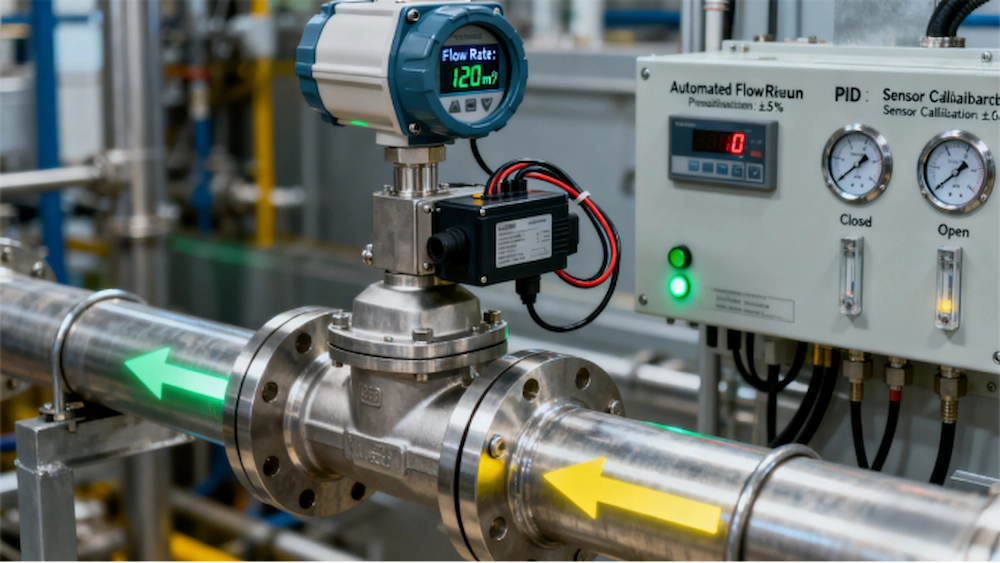
Some automatic valves only need open/close control. Others require position feedback, local override, fail-open or fail-close action, modulating control or connection to a PLC/DCS system. These details should be confirmed before purchasing because they change the actuator, accessories and wiring package.
5. Check Media, Pressure and Temperature Before Choosing
The valve body, seat, seal and actuator accessories must suit the process media. Steam, slurry, corrosive chemicals, oxygen service and high-temperature oil all create different requirements. If material compatibility is uncertain, start with our valve material selection guide and confirm the exact media concentration and temperature.
Pressure drop also matters. A valve that is easy to open at low differential pressure may require much higher torque when the line is pressurized. Cv and pressure drop checks are useful when the valve is part of a control or throttling duty. Our valve flow coefficient Cv charts guide explains how buyers can read Cv data before selecting a valve.
6. Compare Total Cost, Not Only Purchase Price
Manual valves usually have lower purchase cost and simpler maintenance. Automatic valves add actuator, mounting bracket, coupling, control accessories and sometimes enclosure requirements. However, automation may reduce labor cost, improve shutdown speed and prevent costly operator mistakes.
For safety-related or frequent-service valves, the lower lifetime cost may come from automation even when the first purchase price is higher.
7. Confirm Control Power and Site Utilities
Pneumatic actuators need clean instrument air. Electric actuators need a stable power supply and suitable enclosure rating. Hydraulic actuators are used when high force or special fail-safe action is required. Before requesting a quotation, confirm available voltage, air pressure, signal type and hazardous-area requirements.
For instrumentation terms and automation practice, the International Society of Automation is a useful external reference.
Selection Matrix for Real Buying Situations
| Site condition | Better choice | Why it matters |
|---|---|---|
| Shutdown isolation, easy operator access | Manual valve | Lower cost, simpler maintenance and no control wiring. |
| Daily operation or batch process | Automatic valve | Repeatable timing reduces missed operations and operator variation. |
| Remote, elevated, hot or hazardous area | Automatic valve | Operators do not need to approach the valve during normal operation. |
| Large size or high differential pressure | Gear operator or actuator | Torque support prevents difficult or unsafe manual operation. |
| Emergency shutdown or interlock duty | Automatic valve with fail action | Fail-open or fail-close position can be defined for process safety. |
For a practical product path, small and medium shut-off duties often start with industrial ball valves. Larger water, cooling, air and utility lines often start with butterfly valves. If automation is required, send the valve size, pressure class, media, actuator preference, available voltage or air pressure, and whether the valve should fail open or fail closed.
8. RFQ Checklist for Manual and Automatic Valves
- Valve type, size, pressure class and connection standard
- Media, concentration, operating pressure and temperature
- Manual operator type: lever, gear operator, handwheel or chainwheel
- Actuator type: pneumatic, electric or hydraulic
- Fail position, control signal, feedback switches and local override
- Cycle frequency and required opening/closing time
- Required certificates, inspection documents and packing standard
9. Practical Recommendation
Use manual valves for accessible, low-frequency isolation points. Use automatic valves for frequent operation, remote locations, safety interlocks, emergency shutdown, batch control or any service where repeatable timing matters. If you are not sure, send us the line data and operation scenario. We can compare a manual package with an actuated package so your team can choose based on duty, cost and long-term reliability.
FAQ
Are automatic valves always better than manual valves?
No. Automatic valves are better for frequent, remote or safety-related operation, while manual valves are often better for simple isolation and low-frequency service.
Which actuator is best for an automatic valve?
Pneumatic actuators are common for fast on-off service, electric actuators are useful where air is unavailable, and hydraulic actuators suit high-force or special fail-safe applications.
What information should I provide for a valve quotation?
Provide valve size, pressure class, connection, media, temperature, pressure, operation frequency, actuator preference, control signal and required certificates.