Quick Overview
Ball valves have long been regarded as the ideal choice for gas flow control in industrial systems. With their durable design, excellent sealing properties, and ability to handle high pressures, ball valves provide the reliability and performance needed for gas applications. This article explores why ball valves are often the preferred valve type for gas systems and how their design can improve safety and efficiency in various industries.
Introduction: Why are Ball Valves Ideal for Gas Applications?
Ball valves are among the most commonly used types of valves in gas systems, owing to their exceptional sealing ability, ease of operation, and versatility. Gas pipelines and storage systems require valves that can provide tight sealing under high pressure and extreme temperatures, and ball valves excel in this regard. The ball valve’s ability to regulate gas flow precisely makes it indispensable for industries such as petrochemical, energy, and manufacturing.
In this article, we will delve into the reasons behind the widespread use of ball valves for gases, discuss their advantages over other valve types, and highlight how Vcore Valve’s products can help optimise your gas systems.
Pain Points in Gas Flow Control
1. Inconsistent Gas Flow
Inaccurate flow control can cause inefficiencies in gas systems, leading to fluctuations in pressure and operational instability.
2. Valve Leakage
A poor seal in gas valves can result in leakage, causing safety risks, increased operational costs, and potential damage to equipment.
3. Wear and Tear from High Pressure
Gas systems often operate under high pressures, which can result in premature wear of valves if not properly designed or maintained.
Solutions: How Ball Valves Address Gas Flow Challenges
1. Precise Flow Control
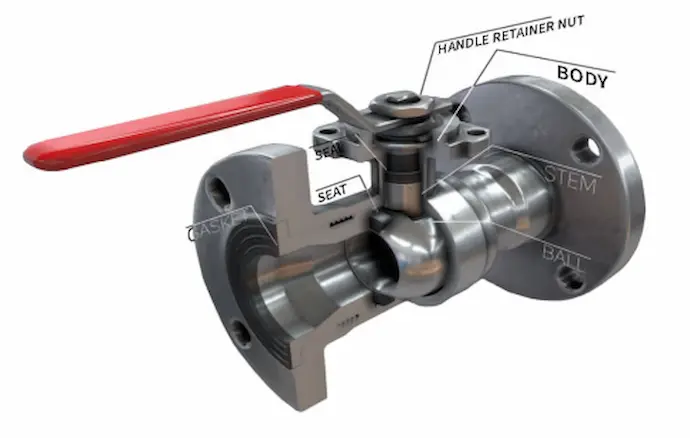
Ball valves provide precise flow regulation by rotating the ball within the valve body. This allows for accurate control of gas volume and pressure, reducing fluctuations and maintaining system stability.
2. Exceptional Sealing
The design of ball valves ensures a tight seal, even in high-pressure gas applications. Their low friction and robust sealing mechanisms make them highly resistant to leaks, ensuring safety and efficiency in gas systems.
3. Durability and Pressure Resistance
Ball valves are engineered to withstand high pressure and extreme temperatures, making them an ideal choice for gas systems operating in challenging conditions. Their durable construction ensures a long lifespan with minimal maintenance, reducing downtime and costs.
Case Study: Optimising Gas Flow with Ball Valves
A large natural gas processing facility in the Middle East implemented Vcore Valve’s ball valves across its entire pipeline system. The use of high-quality, stainless steel ball valves ensured that gas flow was regulated with precision, reducing fluctuations and enhancing safety. The robust sealing capabilities of the valves helped prevent leaks, which is critical in natural gas systems, where even small leaks can lead to significant safety risks.
As a result, the facility saw a 15% reduction in maintenance costs and a 10% increase in operational efficiency, thanks to the superior performance of the ball valves.
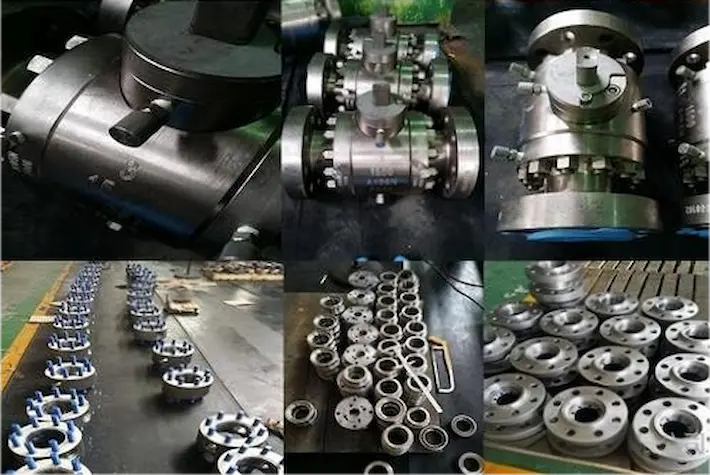
Data Comparison
Ball valves are compared to other valve types such as globe valves and gate valves in the table below, highlighting their superior performance in gas systems:
| Valve Type | Sealing Effectiveness | Pressure Resistance | Flow Control Precision | Durability |
|---|---|---|---|---|
| Ball Valve | Excellent | High | Precise | Very High |
| Gate Valve | Moderate | Moderate | Low | High |
| Globe Valve | Good | Moderate | High | Moderate |
Trends Insights
The demand for ball valves in gas applications continues to rise, driven by the increasing need for efficient, safe, and sustainable gas flow control in various industries. Innovations in materials, such as the use of corrosion-resistant alloys, are further enhancing the performance and reliability of ball valves, particularly in harsh environments like offshore gas platforms and underground pipelines.
Moreover, the growing push towards renewable energy sources is creating new opportunities for ball valves in the management of biogas and other alternative gas sources, which require specialized valve solutions for effective flow control.
Style Suggestions
When choosing a ball valve for your gas system, it is essential to consider factors such as pressure ratings, temperature tolerance, and sealing requirements. Stainless steel or alloy ball valves are highly recommended for high-pressure applications, as they offer superior corrosion resistance and durability.
Regular maintenance is crucial for ensuring the long-term performance of your ball valves. Inspections should focus on checking the valve’s seals, ball rotation, and overall integrity to prevent leakage and ensure reliable operation.

Conclusion
Ball valves are the optimal choice for controlling gas flow in industrial systems due to their superior sealing capabilities, precise flow control, and exceptional durability. By choosing high-quality ball valves, businesses can enhance the safety and efficiency of their gas systems while reducing maintenance costs and downtime. To find the right ball valve for your specific application, contact Vcore Valve today and let our experts guide you to the perfect solution for your needs.
FAQs
1. Why are ball valves preferred for gas applications?
Ball valves offer precise flow control, excellent sealing, and high-pressure resistance, making them ideal for gas systems that require reliability and safety.
2. What types of materials are used in gas ball valves?
Gas ball valves are typically made from stainless steel, alloy steels, or corrosion-resistant alloys to withstand the harsh conditions of gas systems.
3. How do ball valves prevent gas leaks?
The design of ball valves includes robust seals that ensure tight closure and prevent leakage, even under high pressure.
4. Can ball valves be used in high-temperature gas systems?
Yes, ball valves are designed to handle high-temperature gas systems. Materials such as stainless steel provide the necessary resistance to heat.
5. How do I choose the right ball valve for my gas system?
When choosing a ball valve, consider factors such as pressure ratings, temperature tolerance, and sealing requirements to ensure the valve meets your system’s needs.
Reference
-
Ball Valves: A Guide to Their Benefits and Applications
-
The Importance of Valve Sealing in Gas Systems
-
Valve Materials for Harsh Gas Applications