Quick Overview
In industrial systems, valves play a crucial role in controlling flow, pressure, and system safety. However, choosing the right valve is not always straightforward. Sanitary vs industrial valves serve similar functions but differ greatly in design, material selection, and application. This article compares the two, helping you understand which is best suited for your needs.
Opening Scenario
Imagine you are overseeing an industrial system, such as a dairy processing plant, where purity and cleanliness are crucial for product quality. On the other hand, consider a chemical processing plant where robust, durable valves are needed to handle high-pressure systems. The valve requirements for both scenarios are different — here’s where understanding the distinction between sanitary valves and industrial valves becomes critical.
Pain Points
Choosing the right valve can be challenging, especially when you are working with complex systems or specific industry requirements. Here are common pain points:
1. Material and Design Requirements
Sanitary valves are designed with the highest standards of hygiene in mind, often needing to meet stringent regulatory standards. Meanwhile, industrial valves are generally built for more robust, heavy-duty applications. The design and materials need to support this difference in demands.
2. System Compatibility
Not every valve is suitable for every application. Sanitary valves are often used in food and pharmaceutical industries, where contamination must be avoided, while industrial valves are typically used in systems where durability and resistance to pressure are more important.
3. Maintenance and Cleaning
In industries like food processing or pharmaceuticals, valves need to be cleaned regularly to avoid contamination. This requires a specific design. In contrast, industrial valves are designed for higher performance in harsh environments, making their cleaning processes different.
Solutions
Choosing the right valve type is essential for ensuring efficiency, safety, and long-term durability. Here’s how you can address the key pain points:
1. Sanitary Valves: Designed for Hygiene and Purity
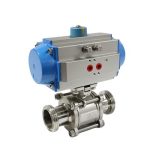
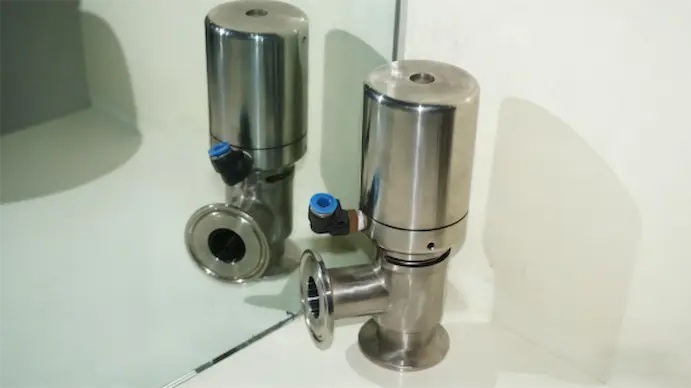
Sanitary valves are designed with smooth surfaces, often polished to a high standard, to prevent dirt and bacteria from accumulating. The materials used are usually stainless steel, which is resistant to corrosion and easy to clean, making them ideal for industries such as food and beverages, pharmaceuticals, and biotechnology.
At Vcore Valve, we offer a wide range of sanitary valves, all made from high-grade stainless steel with advanced surface finishes. These valves are designed to meet the highest hygiene standards in industries that require contamination-free processes.
2. Industrial Valves: Built for Durability and Efficiency
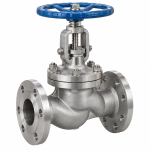
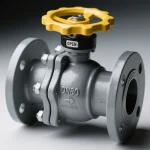
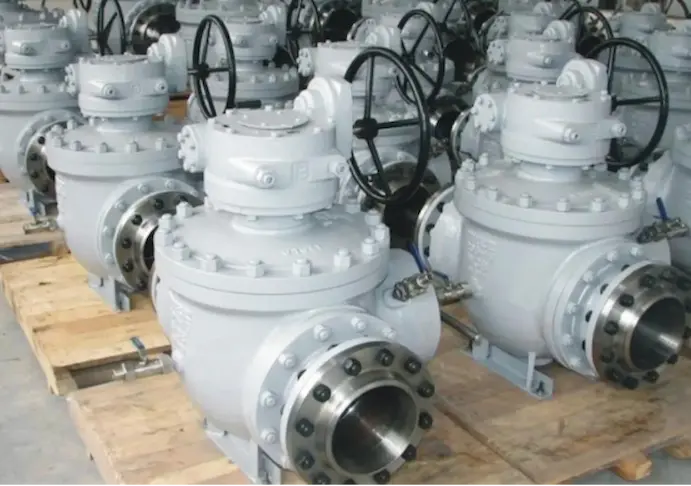
Industrial valves, in contrast, are designed to handle higher pressures, more aggressive fluids, and extreme temperatures. They are used in applications such as oil and gas, chemical processing, power generation, and water treatment. These valves are typically built with a focus on performance and longevity, often using alloys and materials resistant to wear, corrosion, and fatigue.
For industrial applications, Vcore Valve provides robust, high-performance valves that ensure safe and efficient flow control even in the harshest conditions. Our range includes ball valves, gate valves, and globe valves, all designed to withstand demanding environments.
3. Choosing the Right Valve for Your Application
To ensure optimal performance, you must carefully choose the valve type based on your specific requirements:
-
For industries that require hygiene and purity, sanitary valves are the best choice.
-
For applications involving harsh fluids, high temperatures, or extreme pressures, industrial valves are more suitable.
Vcore Valve offers both sanitary valves and industrial valves, giving you the flexibility to choose the perfect solution for your application.
Case Study
A pharmaceutical company was experiencing issues with contamination due to improper valve selection in their production line. After switching to sanitary valves, they saw a significant reduction in product contamination, improved cleanliness, and compliance with industry regulations. By choosing the right valve for their needs, the company saved both time and resources in maintaining hygiene standards.
Data Analysis
| Valve Type | Key Features | Advantages | Best Use Case |
|---|---|---|---|
| Sanitary Valves | Smooth surfaces, corrosion-resistant | Easy to clean, meets hygiene standards | Food and beverage, pharmaceutical industries |
| Industrial Valves | High-pressure resistance, durable | Long-lasting, withstands harsh conditions | Oil & gas, chemical processing, water treatment |
This table compares the core features and advantages of sanitary valves and industrial valves, helping you choose the right type based on your application.
Trends
1. Increased Demand for High-Performance Industrial Valves
As industries focus on improving safety and efficiency, the demand for industrial valves that can withstand extreme conditions, such as high pressures, high temperatures, and aggressive chemicals, is increasing. The development of smart valves with integrated sensors is also becoming a trend in industrial automation.
2. Growth of the Sanitary Valve Market
The growth of the global health and wellness market, as well as stricter hygiene regulations, is driving the demand for sanitary valves in food, beverage, and pharmaceutical applications. Sanitary valve technologies are evolving with innovations to improve ease of cleaning and sterilisation.
3. Eco-friendly and Sustainable Solutions
Both the sanitary valve and industrial valve markets are seeing a shift towards eco-friendly materials and processes. Manufacturers are investing in materials that are both durable and sustainable, reducing the environmental impact of valve production and maintenance.
Usage Advice
When selecting the right valve for your system, consider the following:
1. Determine Your Industry’s Requirements
If your industry is heavily regulated, such as in food processing or pharmaceuticals, sanitary valves should be your choice. For other industries like oil and gas or water treatment, industrial valves are typically more suitable.
2. Consider Maintenance Needs
If regular cleaning is necessary, sanitary valves with easy-to-clean surfaces are essential. In industrial environments, focus on the durability and resistance of industrial valves to high pressures and aggressive chemicals.
3. Consult with Experts
Consulting with valve experts like Vcore Valve can help ensure that you choose the correct valve for your specific needs, whether you require sanitary valves or industrial valves. We offer custom solutions and expert advice to help you optimise your system.

Conclusion
The choice between sanitary valves and industrial valves depends entirely on the specific requirements of your application. Sanitary valves are ideal for systems requiring hygiene and cleanliness, while industrial valves are perfect for harsh environments where durability and performance are key.
At Vcore Valve, we provide both types of valves, designed to meet the needs of diverse industries. Whether you need sanitary valves for a food processing plant or industrial valves for a chemical plant, we have the right solution for you.
FAQs
1. What is the difference between sanitary and industrial valves?
Sanitary valves are designed for hygiene and purity, often used in food, beverage, and pharmaceutical industries. Industrial valves are built for durability and can handle high pressures and harsh chemicals, typically used in industries like oil and gas.
2. Can sanitary valves be used in industrial applications?
While sanitary valves are designed for specific industries with strict hygiene requirements, they may not always be suitable for industrial applications that involve high pressures or harsh chemicals.
3. How often should valves be maintained?
Sanitary valves should be cleaned regularly, especially in industries like food processing. Industrial valves require periodic inspection and maintenance, depending on their application.
4. What materials are used for sanitary valves?
Sanitary valves are typically made of stainless steel or other corrosion-resistant materials to ensure cleanliness and durability.
5. Can I get both sanitary and industrial valves from Vcore Valve?
Yes, at Vcore Valve, we offer both sanitary valves and industrial valves for a variety of applications. Contact us to find the best solution for your needs.
Reference
-
Valve Selection for Industrial Applications – Valve World Magazine
-
Sanitary Valve Solutions – Industrial Process Solutions Journal
-
High-Performance Valve Technologies – Engineering Daily