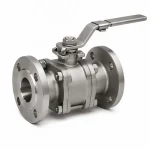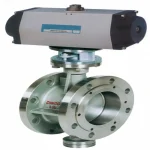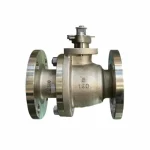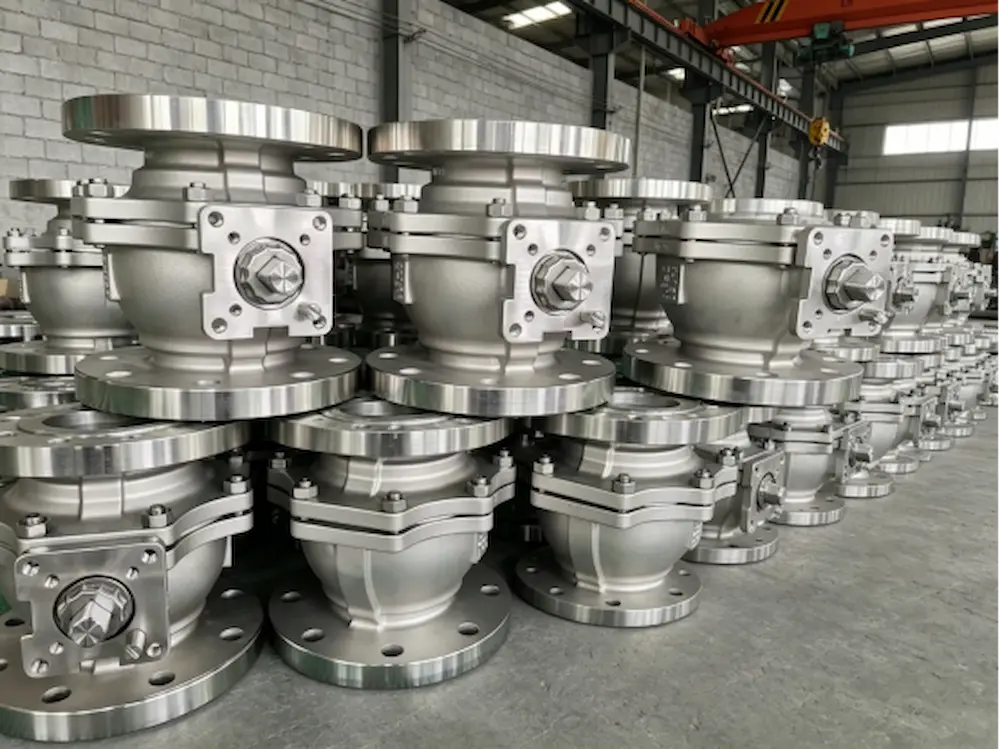
Stainless steel ball valves are among the most common industrial ball valves used in chemical processing, water treatment, food and beverage, oil and gas, gas service, clean fluids, and general process pipelines. They combine fast quarter-turn operation with stainless steel corrosion resistance, making them practical for many demanding flow control applications.
However, stainless steel should not be selected only because it sounds corrosion resistant. A 304 stainless steel ball valve, 316 stainless steel ball valve, and 316L stainless steel ball valve may perform differently depending on chloride content, chemical concentration, temperature, pressure, cleaning process, seat material, and sealing design. The valve body may be stainless steel, but seat, stem packing, gaskets, actuator parts, and fasteners must also match the working condition.
This guide explains how to choose stainless steel ball valves from a practical B2B buyer’s perspective. It covers stainless steel grades, valve structures, seat materials, applications, corrosion risks, connection types, automation, common selection mistakes, and quotation requirements. For a broader overview of ball valve types and selection logic, read our main guide on industrial ball valves.
What Is a Stainless Steel Ball Valve?
A stainless steel ball valve is a ball valve with a stainless steel body and usually a stainless steel ball, stem, or trim. Inside the valve body, a rotating ball with a bore controls the flow. When the bore aligns with the pipeline, the valve is open. When the ball rotates 90 degrees, the valve is closed.
Stainless steel ball valves are mainly used for open-close shutoff and isolation. Some designs may also be used for flow routing, switching, or limited control depending on valve structure and actuator selection.
Main Components
- Body: stainless steel casting, forging, or machined body depending on design
- Ball: polished stainless steel ball with straight, L-port, or T-port bore
- Stem: connects the handle or actuator to the ball
- Seats: PTFE, reinforced PTFE, PEEK, metal seat, or other materials
- Seals and packing: prevent external leakage around the stem and body joints
- Connection: flanged, threaded, welded, clamp, or other connection types
- Operation: manual lever, gearbox, electric actuator, or pneumatic actuator
Buyers can compare available stainless steel and industrial ball valve options in Vcore Valve’s ball valve category.
Why Stainless Steel Is Used for Ball Valves
Stainless steel is selected for ball valves because it offers a useful balance of corrosion resistance, mechanical strength, durability, clean surface finish, and wide industrial applicability. It is often preferred over carbon steel when the medium, environment, cleaning process, or corrosion risk requires better material resistance.
Main Advantages of Stainless Steel Ball Valves
- Good corrosion resistance in many industrial services
- Strong mechanical performance for pressure-bearing valve bodies
- Clean and durable surface finish
- Suitable for many water, gas, oil, chemical, and clean fluid applications
- Compatible with PTFE and other common seat materials
- Available in manual, electric, and pneumatic operation
- Useful for both general industrial and more demanding process systems
Main Limitations Buyers Should Understand
- Stainless steel is not universal for all corrosive media
- Chloride-rich fluids may create pitting or crevice corrosion risk
- Strong acids or oxidizing chemicals may require lined valves or special alloys
- Seat and seal materials may fail even when the body material is suitable
- High temperature may limit soft seat performance
- 316 stainless steel may still be insufficient for severe chemical service
For demanding pressure and corrosion conditions, buyers can also review this guide on stainless steel valves for high-pressure applications.
Common Stainless Steel Grades for Ball Valves
304 Stainless Steel Ball Valves
304 stainless steel ball valves are commonly used in general industrial service, water systems, utility pipelines, clean fluids, food-related applications, and selected low-corrosion chemical services. They provide good general corrosion resistance and cost-performance in many environments.
However, 304 stainless steel may not be the best choice for chloride-rich fluids, seawater, strong acids, or highly corrosive chemical media. Buyers should confirm the actual medium, concentration, temperature, and cleaning process before selecting 304.
316 Stainless Steel Ball Valves
316 stainless steel ball valves are often selected when better corrosion resistance is needed compared with 304. They are commonly used in chemical processing, water treatment, marine-related systems, food and beverage, and process lines where corrosion risk is higher.
316 stainless steel is a common upgrade for many industrial buyers, but it should still be checked against the specific media. It is not automatically suitable for all strong acids, high-chloride systems, or severe chemical environments.
316L Stainless Steel Ball Valves
316L stainless steel ball valves are selected where lower carbon content is useful, especially when welding, corrosion resistance, or project specifications require it. 316L may be preferred in some chemical, clean fluid, and welded pipeline applications.
For many B2B buyers, the decision between 304, 316, and 316L should be based on medium, corrosion risk, welding requirements, project specifications, and total cost of ownership.
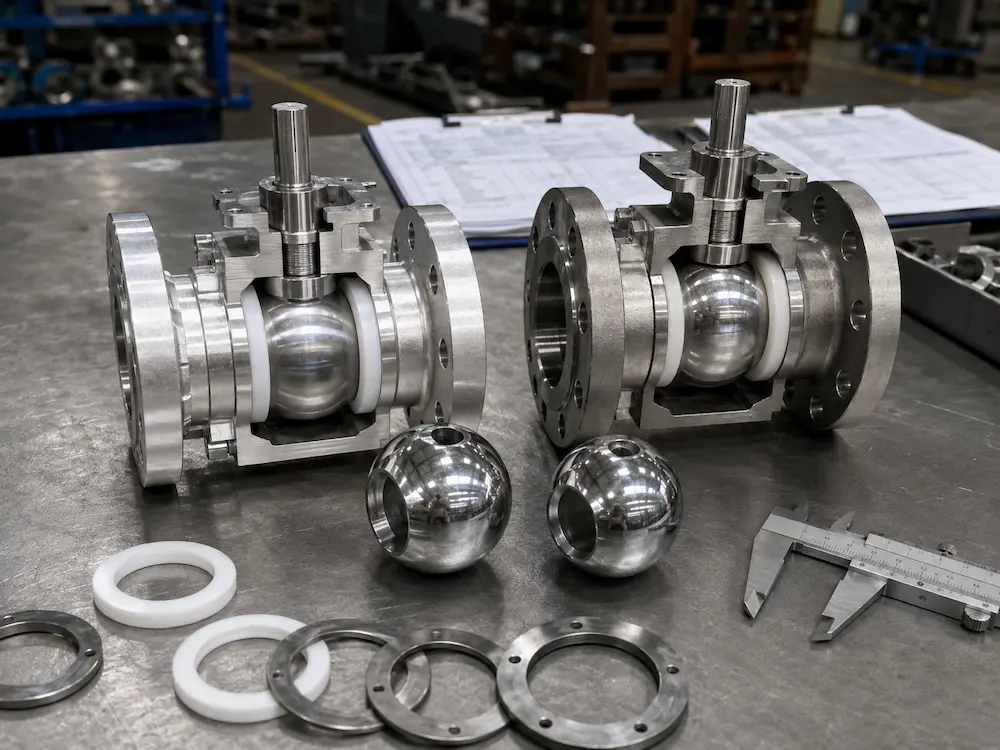
304 vs 316 vs 316L Stainless Steel Ball Valves
| Material Grade | Main Strength | Common Use | Buyer Notes |
|---|---|---|---|
| 304 Stainless Steel | Good general corrosion resistance and cost-performance | Water, clean fluids, utility systems, mild industrial service | Check chloride, acid, and chemical compatibility carefully |
| 316 Stainless Steel | Better corrosion resistance than 304 in many services | Chemical, water treatment, marine-related, clean industrial fluids | Often preferred when corrosion risk is higher |
| 316L Stainless Steel | Lower carbon content and useful for selected welded or corrosion-sensitive service | Chemical processing, clean fluid systems, welded pipeline applications | Review project specifications and welding requirements |
Stainless Steel Ball Valve Structures
Floating Stainless Steel Ball Valves
Floating stainless steel ball valves are common in small to medium sizes. The ball is held between the seats and moves slightly downstream under pressure to create sealing. This design is compact, practical, and cost-effective for many general industrial applications.
For standard pipeline isolation, buyers may evaluate a floating ball valve when valve size, pressure, and torque are within design limits.
Trunnion Mounted Stainless Steel Ball Valves
Trunnion mounted stainless steel ball valves use mechanical support at the top and bottom of the ball. The ball stays fixed, and the seats move toward the ball. This structure is usually preferred for larger sizes, higher pressure, and applications where lower operating torque is important.
For a detailed structure comparison, read our guide on floating vs trunnion ball valve.
2-Way Stainless Steel Ball Valves
A 2-way stainless steel ball valve has one inlet and one outlet. It is used for simple pipeline shutoff and isolation. This is the most common stainless steel ball valve configuration.
3-Way Stainless Steel Ball Valves
A 3-way stainless steel ball valve has three ports and is used for flow diversion, mixing, bypass, or switching between lines. It may use an L-port or T-port ball depending on the required flow logic.
For flow routing applications, read our guide on how a 3-way ball valve works or compare 2-way vs 3-way ball valve structures.
Full Port and Reduced Port Stainless Steel Ball Valves
Stainless steel ball valves may be full port or reduced port. A full port ball valve has a bore close to the pipe inner diameter, providing higher flow capacity and lower pressure drop. A reduced port ball valve has a smaller bore, making it more compact and economical but more restrictive.
Buyers should choose full port when high flow capacity, pigging, cleaning, or low pressure drop is important. Reduced port is often practical for general shutoff where some flow restriction is acceptable.
For a detailed comparison, read our guide on full port vs reduced port ball valve.
Seat and Seal Materials for Stainless Steel Ball Valves
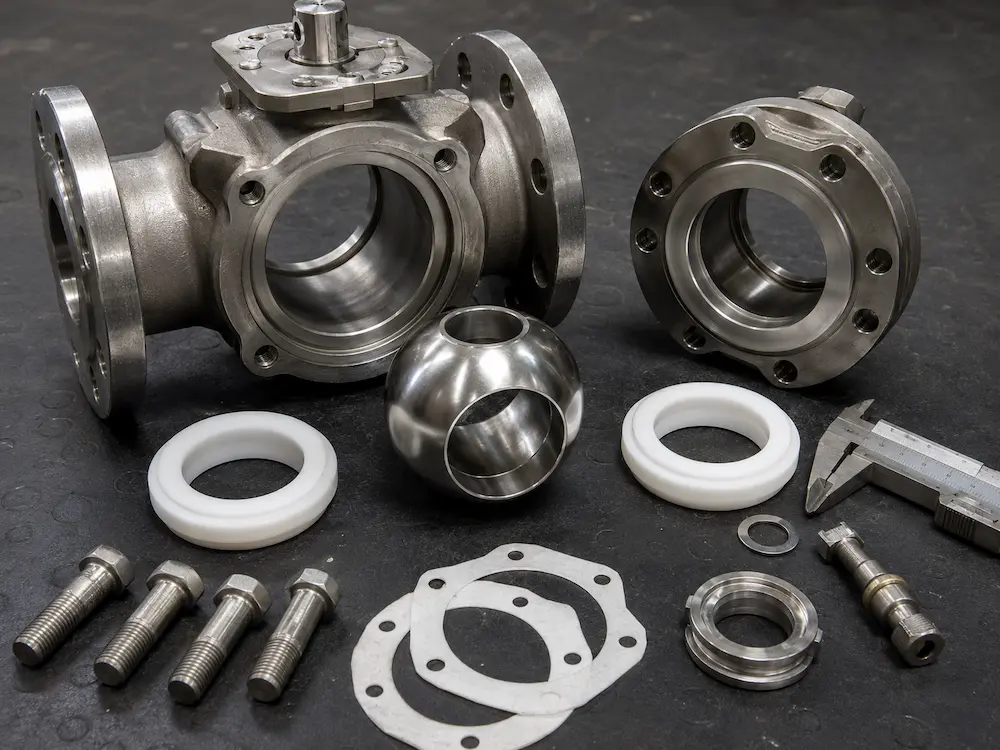
Stainless steel ball valve performance depends not only on the metal body, but also on the seat, seal, packing, and gasket materials. A stainless steel body may resist corrosion, but the valve can still leak if the soft sealing materials are incompatible with the medium.
| Seat / Seal Material | Main Strength | Limitations | Common Use |
|---|---|---|---|
| PTFE | Broad chemical resistance and low friction | Temperature, pressure, and abrasion limits must be checked | Chemical, water treatment, clean fluid service |
| Reinforced PTFE | Improved strength compared with standard PTFE | Compatibility depends on filler and service conditions | Higher pressure or more demanding soft-seat service |
| PEEK | Higher mechanical strength and temperature capability in selected service | Higher cost and compatibility review required | High-performance industrial ball valves |
| EPDM | Useful for water, some acids, and some alkalis | Not suitable for many oils and hydrocarbons | O-rings and selected sealing applications |
| FKM | Useful for oils, fuels, and selected chemicals | Not universal for all acids and alkalis | O-rings and seals in selected industrial service |
| Metal Seat | Suitable for high temperature or severe service | Requires special design and may need higher torque | High-temperature, abrasive, or severe-duty service |
For chemical service, PTFE-seated stainless steel ball valves are often considered. Buyers may also evaluate a PTFE ball valve depending on medium, pressure, temperature, and shutoff requirements.
Connection Types
Flanged Stainless Steel Ball Valves
Flanged stainless steel ball valves are common in industrial pipelines because they are easy to install, remove, inspect, and replace. Buyers should confirm flange standard, pressure class, face type, gasket material, bolt material, and installation space.
For robust pipeline connection requirements, buyers may evaluate a flanged welded ball valve depending on pressure, connection standard, and project conditions.
Threaded Stainless Steel Ball Valves
Threaded stainless steel ball valves are common in smaller sizes, utility systems, equipment connections, and compact piping layouts. They are easy to install but may not be preferred for high-risk chemical, high-pressure, or large-diameter pipelines.
Welded Stainless Steel Ball Valves
Welded stainless steel ball valves are used where permanent piping connections and reduced external leakage points are required. Buyers should consider maintenance access because welded valves are harder to remove than flanged valves.
Clamp or Sanitary Stainless Steel Ball Valves
In food, beverage, pharmaceutical, or clean fluid systems, clamp or sanitary connection designs may be required. Buyers should confirm applicable standards, surface finish, cleaning requirements, and seal material compatibility.
Manual, Electric, and Pneumatic Operation
Manual Stainless Steel Ball Valves
Manual stainless steel ball valves are operated by a lever handle, handwheel, or gearbox. They are suitable for accessible pipelines, simple shutoff, low-frequency operation, and cost-sensitive applications.
Electric Stainless Steel Ball Valves
Electric stainless steel ball valves use electric actuators for remote operation, automated shutoff, tank transfer, process sequencing, or control panel integration. Buyers should confirm actuator torque, voltage, control signal, duty cycle, enclosure protection, and manual override.
For automation selection, read our guide on electric ball valves. For chemical plant applications, see electric ball valves in chemical plants.
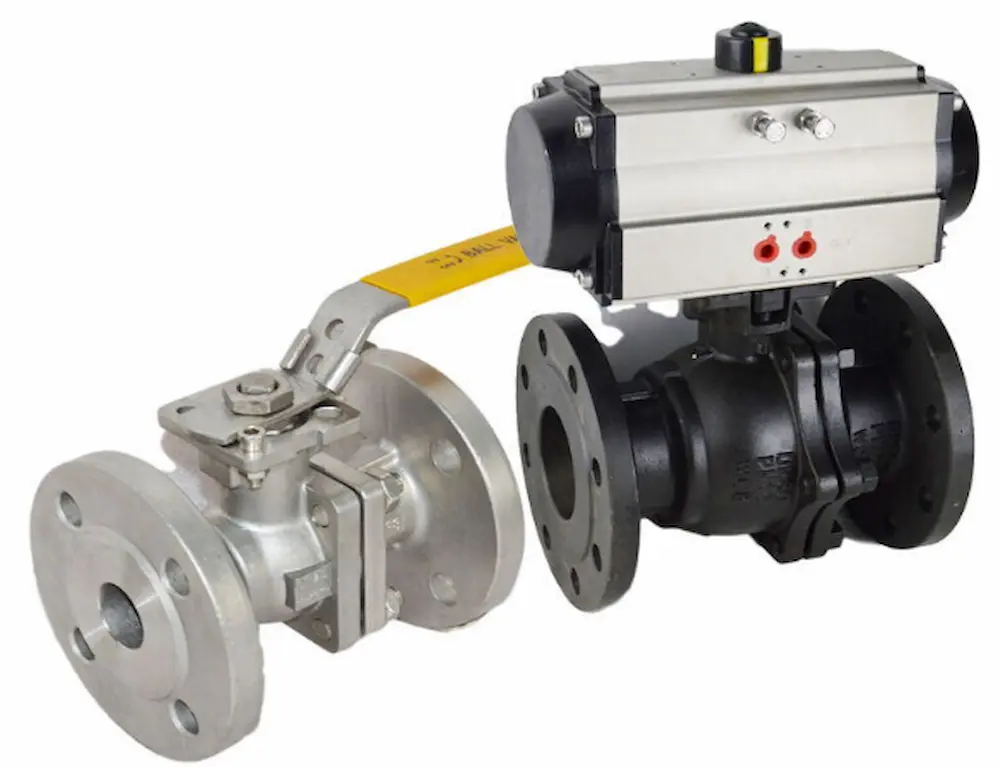
Pneumatic Stainless Steel Ball Valves
Pneumatic stainless steel ball valves are operated by compressed air. They are common in process plants where fast operation, high cycle frequency, fail-safe spring return, or integration with pneumatic control systems is required.
Where Stainless Steel Ball Valves Are Used
Chemical Processing
Stainless steel ball valves are used for chemical transfer, dosing, tank isolation, solvent handling, acid and alkali service, and process utility systems. Material compatibility is critical because the body, seat, seal, packing, and gasket may all face chemical attack.
For broader chemical valve selection, read our main guide on industrial valves for chemical processing.
Water Treatment
Water treatment systems use stainless steel ball valves for chemical dosing, filtration skids, pump isolation, clean water systems, wastewater chemical lines, and utility service. Seat and seal materials should be selected according to water chemistry and dosing chemicals.
Oil and Gas
Oil and gas systems use stainless steel ball valves for isolation, gas service, fuel systems, utility pipelines, and selected process lines. For gas service, sealing reliability and pressure rating are important. Buyers can also read our article on ball valves for gases.
Food and Beverage
Stainless steel ball valves are widely used in clean fluid applications where corrosion resistance, cleanability, and surface finish are important. Buyers should confirm whether general industrial stainless steel valves are enough or whether sanitary design is required.
Power Generation and Utilities
Power plants and industrial utility systems use stainless steel ball valves for water lines, fuel lines, chemical injection, cooling systems, and selected auxiliary services. Temperature and pressure should be checked carefully before selecting soft seats.
Application Comparison Table
| Application | Common Stainless Steel Direction | Key Selection Concern |
|---|---|---|
| General water service | 304 or 316 stainless steel ball valve | Water chemistry, pressure, and seal material |
| Chemical transfer | 316 / 316L stainless steel or special materials | Chemical compatibility and PTFE seat suitability |
| Gas service | Stainless steel ball valve with suitable sealing design | Leakage performance, pressure rating, and actuator reliability |
| Food and beverage | Stainless steel with clean or sanitary design | Surface finish, cleaning, and seal material |
| High-pressure service | Forged or heavy-duty stainless steel valve design | Pressure class, body design, seat material, documentation |
| Severe corrosion | Special alloy, titanium, or lined valve may be required | Stainless steel grade may not be enough |
Common Selection Mistakes
Mistake 1: Assuming All Stainless Steel Is the Same
304, 316, and 316L stainless steel are not identical. Buyers should select the grade according to media, corrosion risk, temperature, pressure, and project specification.
Mistake 2: Treating Stainless Steel as Fully Corrosion-Proof
Stainless steel is corrosion resistant in many environments, but it is not corrosion-proof. Chlorides, strong acids, high temperature, or severe chemical mixtures may still damage stainless steel valves.
Mistake 3: Ignoring Seat and Seal Compatibility
A stainless steel valve body does not guarantee good performance if the PTFE seat, elastomer O-ring, packing, or gasket is incompatible with the medium.
Mistake 4: Choosing Reduced Port When Full Flow Is Required
Reduced port valves may be economical, but they create more pressure drop. If the application requires high flow or pigging, full port design should be reviewed.
Mistake 5: Undersizing the Actuator
For electric or pneumatic stainless steel ball valves, actuator torque should be based on real valve torque, seat material, pressure, and operation conditions.
Mistake 6: Ignoring Documentation
Industrial projects may require material certificates, pressure test reports, seat leakage tests, dimensional drawings, and actuator datasheets. Buyers should confirm documentation before ordering.
Stainless Steel Ball Valve Selection Checklist
| Selection Item | What to Confirm | Why It Matters |
|---|---|---|
| Material Grade | 304, 316, 316L, duplex, or special alloy | Controls corrosion resistance and project suitability |
| Medium | Water, gas, oil, steam, chemical, solvent, slurry, clean fluid | Determines material, seat, seal, and packing compatibility |
| Pressure | Operating pressure and design pressure | Determines pressure class and body structure |
| Temperature | Normal, maximum, and cleaning temperature | Affects seat, seal, packing, and body selection |
| Valve Structure | 2-way, 3-way, floating, trunnion, full port, reduced port | Controls flow logic, torque, and pressure drop |
| Seat Material | PTFE, reinforced PTFE, PEEK, metal seat, or other material | Determines sealing, torque, temperature, and chemical resistance |
| Connection | Flanged, threaded, welded, clamp, or special connection | Must match pipeline design and maintenance needs |
| Operation | Manual, gearbox, electric, or pneumatic | Determines torque, automation, and control requirements |
| Documentation | Drawing, certificate, test report, datasheet, marking | Supports project approval and quality control |
Information Buyers Should Provide Before Quotation
- Valve size and connection standard
- Required stainless steel grade
- Medium name and composition
- Operating pressure and design pressure
- Operating temperature and maximum temperature
- Flow rate and pressure drop requirements
- 2-way or 3-way valve requirement
- Full port or reduced port requirement
- Floating or trunnion structure requirement if known
- Seat and seal material requirement
- Manual, electric, or pneumatic operation
- Voltage and control signal if actuated
- Applicable standards and documentation requirements
Final Recommendations for B2B Buyers
Stainless steel ball valves are a strong choice for many industrial applications, but the correct selection depends on the complete working condition. Buyers should review the stainless steel grade, media compatibility, pressure, temperature, seat material, valve structure, port type, connection standard, and operation method before ordering.
304 stainless steel may be suitable for general service. 316 and 316L stainless steel may be better for higher corrosion risk. For severe chloride, strong acid, high-temperature corrosion, or critical chemical service, special alloys, titanium, or lined valves may need to be considered.
If you need help selecting stainless steel ball valves for chemical processing, water treatment, gas service, food and beverage, oil systems, or general industrial pipelines, Vcore Valve can review your working conditions and recommend a suitable valve configuration. Buyers can also browse our industrial ball valve solutions or compare products in our ball valve category.
For industrial sourcing, the key question is not only “Do I need a stainless steel ball valve?” The better question is: “Which stainless steel grade, valve structure, seat material, and connection type can operate reliably in this exact service?”
FAQs
1. What are stainless steel ball valves used for?
Stainless steel ball valves are used for shutoff, isolation, flow routing, chemical transfer, water treatment, gas service, clean fluids, food and beverage systems, oil systems, and general industrial pipelines.
2. What is the difference between 304 and 316 stainless steel ball valves?
304 stainless steel ball valves are commonly used for general industrial service, while 316 stainless steel ball valves are often selected when better corrosion resistance is required. The correct choice depends on media, temperature, pressure, and corrosion risk.
3. Are stainless steel ball valves suitable for chemical service?
Stainless steel ball valves can be suitable for many chemical services, but compatibility depends on the chemical name, concentration, temperature, pressure, seat material, seal material, and stainless steel grade. Strong acids or chloride-rich media may require special review.
4. Which seat material is best for stainless steel ball valves?
PTFE is commonly used because of its chemical resistance and low friction. Reinforced PTFE, PEEK, metal seats, EPDM, FKM, and other materials may be selected depending on pressure, temperature, media, and service conditions.
5. Can stainless steel ball valves be automated?
Yes. Stainless steel ball valves can be equipped with electric or pneumatic actuators for remote operation, automated shutoff, tank transfer, process sequencing, and flow routing. Actuator torque, voltage, control signal, and enclosure rating should be confirmed before ordering.