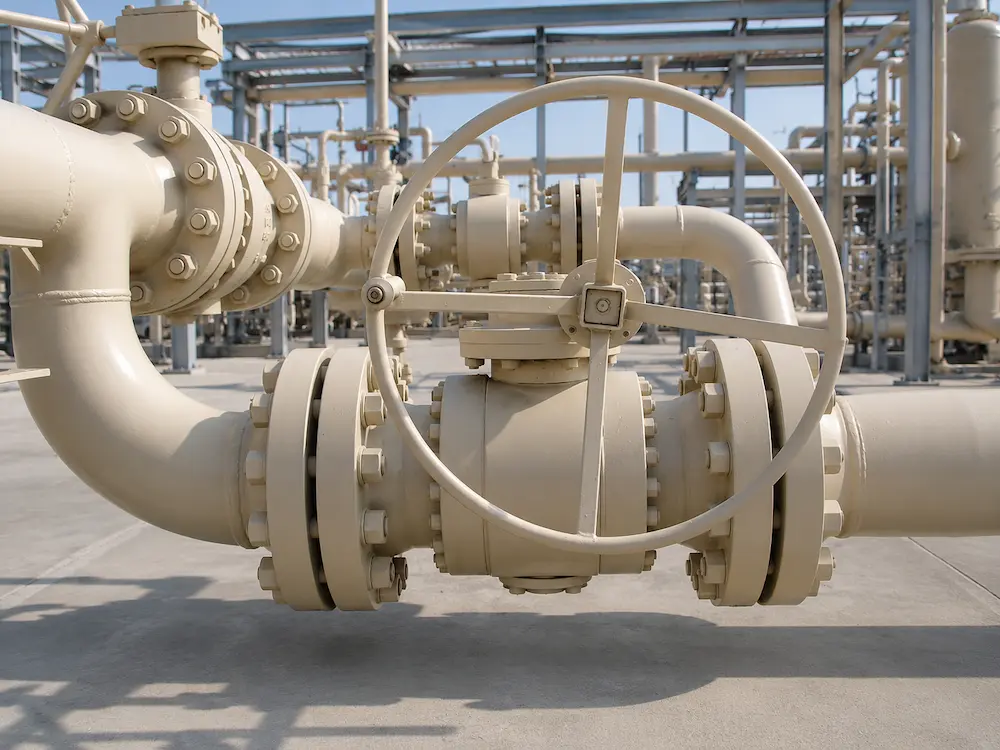
Ball valve applications cover many industrial pipeline systems, including water, gas, oil, steam, chemical processing, water treatment, power generation, food and beverage, and general utility service. Because ball valves offer fast quarter-turn operation, reliable shutoff, compact structure, and low pressure drop, they are widely used for isolation, tank transfer, emergency shutoff, flow routing, and automated pipeline control.
However, a ball valve should not be selected only by size or connection type. Different applications require different body materials, seat materials, sealing designs, pressure ratings, temperature limits, port types, and operation methods. A standard water ball valve may fail in steam service. A general stainless steel ball valve may not be suitable for strong acids. A reduced port valve may restrict flow where full bore performance is required.
This guide explains common industrial ball valve applications and how to select ball valves for water, gas, steam, oil, chemical, and general process service. For a broader overview of ball valve types, materials, seats, and structures, read our main guide on industrial ball valves.
Why Ball Valves Are Used in Industrial Applications
Ball valves are widely used because their structure is simple and efficient. A bored ball rotates 90 degrees to open or close the pipeline. When fully open, the flow path can be relatively straight, especially in full port designs. When closed, the ball blocks the flow and seals against the valve seats.
Main Advantages of Ball Valves
- Fast quarter-turn operation
- Reliable shutoff performance
- Compact body structure
- Low pressure drop in full port designs
- Suitable for manual, electric, and pneumatic operation
- Available in stainless steel, carbon steel, brass, alloy, lined, and plastic materials
- Useful for both general utility and demanding process pipelines
Main Limitations Buyers Should Understand
- Standard ball valves are mainly designed for open-close service, not precise throttling
- Seat material limits temperature, pressure, and media compatibility
- Soft seats may not be suitable for high-temperature steam or abrasive service
- Corrosive chemicals may require special materials or lined designs
- Actuated ball valves require correct torque and control signal selection
Common Ball Valve Applications by Medium
| Medium / Service | Typical Ball Valve Function | Key Selection Concern |
|---|---|---|
| Water | Shutoff, pump isolation, filtration, tank inlet/outlet | Body material, seat material, pressure rating, corrosion risk |
| Gas | Remote shutoff, isolation, safety control | Leakage performance, seat design, pressure class, actuator reliability |
| Steam | Utility isolation and selected high-temperature shutoff | Temperature rating, seat material, body material, thermal expansion |
| Oil | Fuel handling, lubrication systems, process isolation | Seal compatibility, pressure, viscosity, fire-safe requirements |
| Chemical | Chemical transfer, dosing, tank isolation, process routing | Corrosion resistance, seat compatibility, lining or alloy selection |
| Process Skids | Compact shutoff, routing, automated sequencing | Valve size, actuator type, wiring, maintenance access |
Ball Valves for Water Applications
Water service is one of the most common ball valve applications. Ball valves are used in water treatment plants, pumping stations, filtration systems, cooling water lines, clean water distribution, wastewater support systems, and industrial utility pipelines.
Common Water Applications
- Pump inlet and outlet isolation
- Water treatment skids
- Filtration and backwash systems
- Tank inlet and outlet lines
- Cooling water systems
- Chemical dosing lines in water treatment
Selection Tips for Water Service
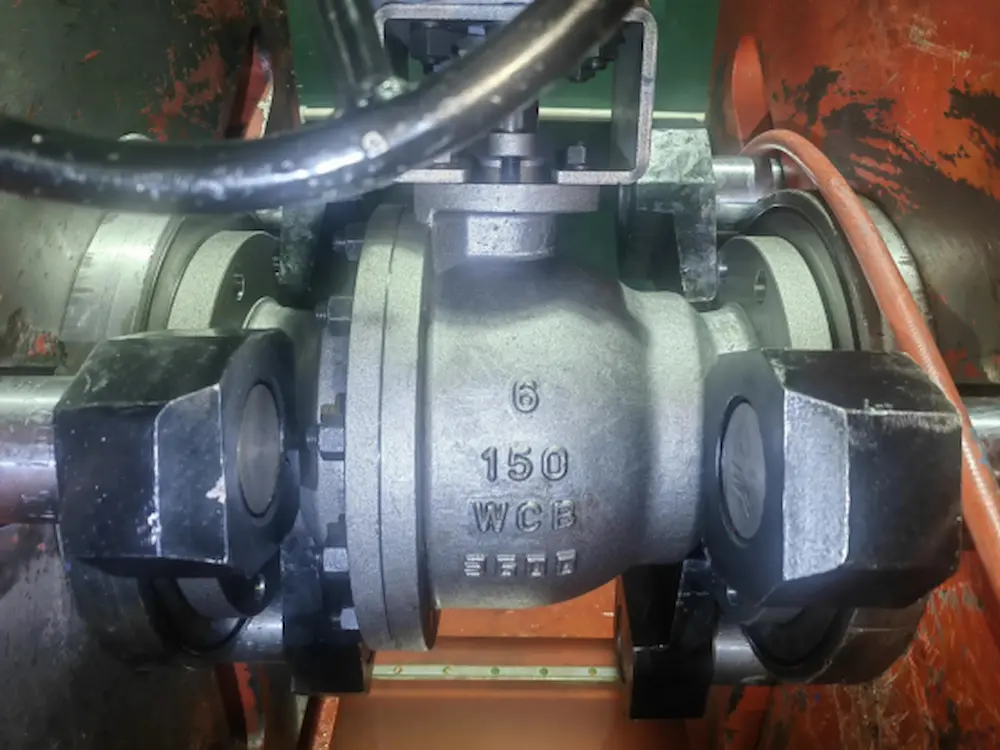
For general clean water, stainless steel, carbon steel, brass, or plastic ball valves may be used depending on pressure, temperature, water quality, and project requirements. For water treatment chemicals, seat and seal materials must be checked carefully because chlorine, acids, alkalis, or dosing chemicals may attack some soft materials.
For automated water treatment systems, electric or pneumatic ball valves can be used for remote shutoff and process sequencing. Buyers can review our guide on electric ball valves when actuator torque, voltage, and control signal selection are required.
Ball Valves for Gas Applications
Gas service is more demanding than many liquid services because leakage control is critical. Ball valves are used for gas shutoff, fuel gas isolation, compressed air systems, nitrogen lines, natural gas support systems, and industrial gas distribution.
Common Gas Applications
- Natural gas pipeline isolation
- Compressed air shutoff
- Nitrogen and inert gas systems
- Fuel gas lines
- Gas process skids
- Remote emergency shutoff systems
Selection Tips for Gas Service
For gas ball valves, buyers should confirm leakage performance, pressure class, seat material, stem sealing design, body material, and whether the application requires fire-safe design, anti-static design, or project-specific testing.
For higher-pressure or larger gas lines, trunnion mounted ball valves may be preferred because they provide stronger ball support and lower operating torque. Buyers can compare structures in our guide on floating vs trunnion ball valve.
For more focused gas service selection, read our article on ball valves for gases.
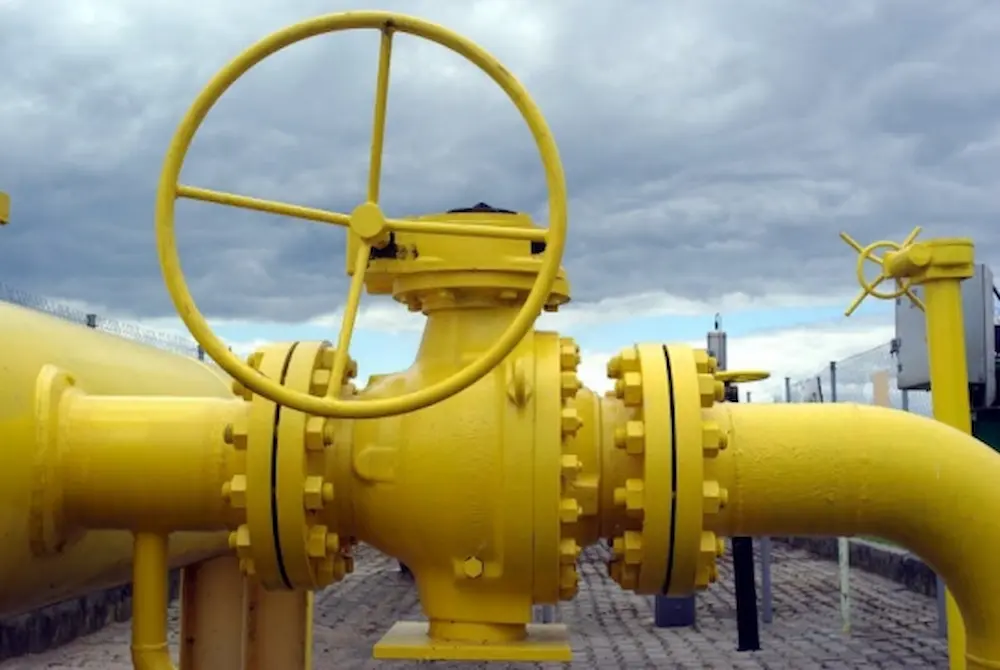
For gas pipeline procurement, identify the required isolation arrangement, leakage acceptance criteria and any project requirements for fire-safe qualification or antistatic construction in the RFQ. Where the specification calls for double block and bleed, review our double block and bleed valve. Ask the supplier to confirm the proposed configuration and supporting documents before quotation approval.
Ball Valves for Steam Applications
Steam service requires careful selection because high temperature can damage soft seats, seals, and packing. Not every ball valve is suitable for steam. Standard PTFE soft-seated ball valves may have temperature limitations and should be checked before use.
Common Steam Applications
- Steam utility isolation
- Condensate systems
- Boiler auxiliary lines
- Heat exchanger isolation
- Industrial heating systems
Selection Tips for Steam Service
For steam applications, buyers should confirm temperature rating, pressure rating, body material, seat material, packing material, and whether the valve is suitable for thermal cycling. In higher-temperature steam service, metal-seated ball valves or other valve types may be more suitable than standard soft-seated designs.
Steam systems may also require special attention to installation orientation, warm-up, pressure shock, and maintenance access. If the valve is used for frequent throttling, a globe valve or control valve may be more appropriate than a standard ball valve.
Ball Valves for Oil Applications
Oil service includes fuel oil, lubricating oil, hydraulic oil, process oil, and selected oil and gas industry applications. Ball valves are commonly selected because they provide fast shutoff and good sealing performance in many oil systems.
Common Oil Applications
- Fuel oil shutoff
- Lubrication systems
- Hydraulic oil isolation
- Oil transfer lines
- Tank inlet and outlet isolation
- Oil and gas process support systems
Selection Tips for Oil Service
For oil applications, buyers should confirm oil type, viscosity, operating temperature, pressure, seal compatibility, fire-safe requirements, and whether the valve must be manually operated or automated. FKM or other sealing materials may be used in selected oil services, while EPDM is generally not suitable for many oils and hydrocarbons.
For large-diameter or high-pressure oil service, trunnion mounted ball valves may be preferred. For general smaller oil pipelines, floating ball valves may be sufficient if torque and pressure are within valve design limits.
Ball Valves for Chemical Applications
Chemical service is one of the most complex ball valve applications because the medium can attack the valve body, ball, seat, stem packing, gasket, or actuator environment. Chemical compatibility must be reviewed before selecting the valve.
Common Chemical Applications
- Acid and alkali transfer
- Solvent handling
- Chemical dosing systems
- Tank farm inlet and outlet lines
- Water treatment chemical pipelines
- Process skid isolation and routing
Selection Tips for Chemical Service
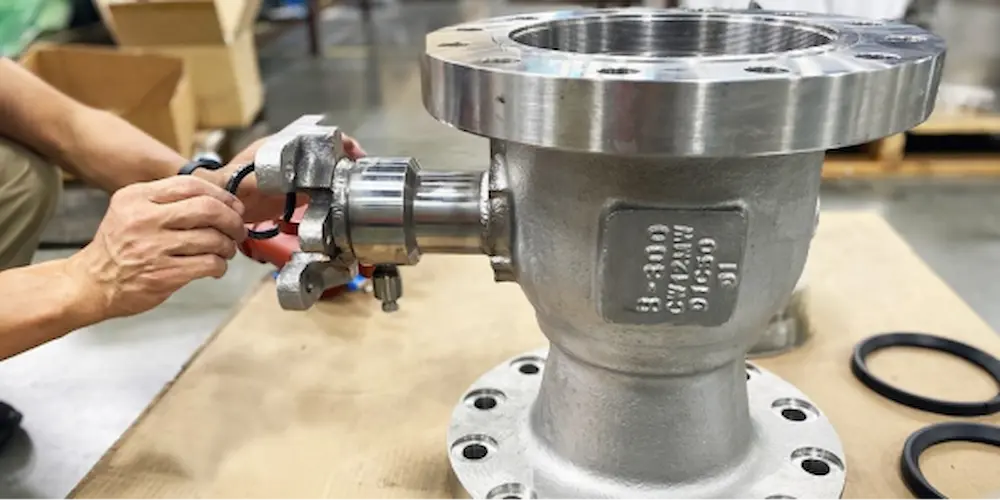
For chemical applications, buyers should provide chemical name, concentration, temperature, pressure, cleaning process, and whether solids or crystallization are present. Stainless steel, PTFE-seated valves, lined valves, titanium, or special alloys may be considered depending on the service.
For chemical processing valve selection, read our guide on industrial valves for chemical processing. For chemical automation, see electric ball valves in chemical plants.
For applications requiring PTFE seating and chemical-resistant sealing performance, buyers may evaluate a PTFE ball valve depending on medium, pressure, temperature, and shutoff requirements.
Ball Valves for Food and Beverage Applications
Food and beverage applications often require stainless steel materials, clean internal surfaces, suitable seals, and easy cleaning. Not every industrial stainless steel ball valve is suitable for sanitary service, so buyers should confirm whether hygienic design or sanitary connection is required.
Common Food and Beverage Applications
- Clean water and process water
- Food-grade liquid handling
- Beverage transfer lines
- CIP-related utility systems
- Tank outlet isolation
Selection Tips for Food and Beverage Service
Buyers should confirm stainless steel grade, surface finish, connection type, seal material, cleaning temperature, and applicable hygienic requirements. For general clean fluid service, stainless steel ball valves may be suitable. For strict sanitary service, specialized sanitary ball valve designs may be required.
Ball Valves for Power Generation and Utility Systems
Power plants and industrial utility systems use ball valves in water systems, fuel systems, chemical injection, cooling lines, compressed air, and selected auxiliary pipelines. The service condition may vary from low-pressure water to higher-temperature utility service.
Common Power and Utility Applications
- Cooling water isolation
- Chemical injection lines
- Compressed air systems
- Fuel service support lines
- Condensate and auxiliary pipelines
- Water treatment systems inside power plants
Selection Tips for Power and Utility Service
Buyers should confirm pressure, temperature, media, seat material, fire-safe requirement, documentation, and whether the valve is used for simple isolation or frequent operation. For high-pressure or high-temperature service, valve design and material selection should be reviewed carefully.
Manual, Electric and Pneumatic Ball Valve Applications
Manual Ball Valve Applications
Manual ball valves are used where the valve is accessible and operation frequency is low. They are common in utility lines, water systems, tank isolation, and simple pipeline shutoff.
Electric Ball Valve Applications
Electric ball valves are used where remote operation, process automation, tank transfer, timed control, or PLC integration is required. They are common in water treatment, chemical dosing, process skids, and automated isolation systems.
Pneumatic Ball Valve Applications
Pneumatic ball valves are used where fast operation, high cycle frequency, or fail-safe spring return is important. They are common in process plants, oil and gas support systems, and industrial automation applications.
2-Way and 3-Way Ball Valve Applications
2-Way Ball Valve Applications
A 2-way ball valve is used for simple open-close shutoff in one pipeline. It is suitable for water, gas, oil, chemical, steam utility, and general industrial isolation when the material and seat are suitable.
3-Way Ball Valve Applications
A 3-way ball valve is used for diversion, mixing, bypass, and switching between multiple pipeline branches. It may use an L-port or T-port internal ball depending on the flow logic.
For detailed flow routing principles, read how a 3-way ball valve works. For direct structure comparison, read 2-way vs 3-way ball valve.
Full Port and Reduced Port Ball Valve Applications
Port type affects flow capacity and pressure drop. A full port ball valve has a bore close to the pipe inner diameter and is often selected for high-flow, piggable, or low-pressure-drop applications. A reduced port ball valve has a smaller bore and is often selected for compact, economical shutoff where pressure drop is acceptable.
For a detailed comparison, read our guide on full port vs reduced port ball valve.
For a product option, review our full port ball valve. When comparing ball valve prices, ask each supplier to state the actual bore diameter, body and seat materials, pressure class and end connections. Offers for different bore sizes or sealing configurations should be compared against the same approved datasheet.
Stainless Steel Ball Valve Applications
Stainless steel ball valves are used in many industrial applications because they provide corrosion resistance, mechanical strength, and clean appearance. They are common in chemical processing, water treatment, food and beverage, gas systems, clean fluid handling, and general process pipelines.
For stainless steel material selection, read our guide on stainless steel ball valves. Buyers can also review stainless steel valves for high-pressure applications when pressure and corrosion resistance are both important.
Ball Valve Application Selection Checklist
| Selection Item | What to Confirm | Why It Matters |
|---|---|---|
| Medium | Water, gas, steam, oil, chemical, slurry, clean fluid | Determines valve material, seat, seal, and packing |
| Pressure | Operating pressure and design pressure | Determines pressure class and valve structure |
| Temperature | Normal, maximum, and cleaning temperature | Affects seat, seal, packing, and body material |
| Valve Function | Shutoff, isolation, diversion, mixing, bypass, automation | Determines 2-way or 3-way valve design |
| Flow Requirement | Flow rate and acceptable pressure drop | Determines full port or reduced port selection |
| Valve Structure | Floating or trunnion mounted | Affects torque, size, pressure suitability, and actuator selection |
| Material | Stainless steel, carbon steel, brass, plastic, lined, alloy | Controls corrosion resistance and mechanical performance |
| Operation | Manual, electric, pneumatic, gearbox | Determines torque, automation, and control requirements |
| Documentation | Drawing, datasheet, test report, material certificate | Supports project approval and quality control |
Common Selection Mistakes by Application
Mistake 1: Using the Same Ball Valve for Every Medium
Water, gas, steam, oil, and chemical service have different requirements. A ball valve that works well in water may not be suitable for steam or corrosive chemical service.
Mistake 2: Ignoring Seat Material
Seat material affects leakage, torque, pressure, temperature, and chemical compatibility. PTFE, reinforced PTFE, PEEK, EPDM, FKM, and metal seats all have different application limits.
Mistake 3: Using Standard Ball Valves for Continuous Throttling
Standard ball valves are mainly designed for open-close service. Continuous throttling can damage seats or create unstable flow unless the valve is specifically designed for control duty.
Mistake 4: Ignoring Pressure Drop
Reduced port ball valves may be economical, but they create more restriction. In high-flow applications, pressure drop should be reviewed before selection.
Mistake 5: Undersizing the Actuator
For electric or pneumatic ball valves, actuator torque must be based on real valve torque, pressure, seat material, media condition, and operation frequency.
Information Buyers Should Provide Before Quotation
- Application industry and pipeline function
- Medium name and composition
- Operating pressure and design pressure
- Operating temperature and maximum temperature
- Valve size and connection standard
- Flow rate and pressure drop requirement
- Required valve material
- Seat and seal material requirement
- 2-way or 3-way valve requirement
- Full port or reduced port requirement
- Manual, electric, pneumatic, or gearbox operation
- Operation frequency
- Documentation, testing, and certification requirements
Final Recommendations for Industrial Buyers
Ball valves are used in many industrial applications because they are fast, compact, and reliable for shutoff and isolation. However, correct selection depends on the medium and service condition. Water, gas, steam, oil, chemical, food, and utility systems all require different material, seat, pressure, temperature, and operation reviews.
For water systems, cost-effective stainless steel, carbon steel, brass, or plastic ball valves may be suitable depending on water quality and pressure. For gas service, leakage performance and sealing reliability are critical. For steam, temperature rating and seat material must be checked carefully. For oil, seal compatibility and fire-safe requirements may matter. For chemical service, corrosion resistance and seat compatibility are essential.
If you need help selecting ball valves for water, gas, steam, oil, chemical, food and beverage, power, or industrial utility applications, Vcore Valve can review your working conditions and recommend a suitable valve configuration. Buyers can also browse our ball valve category for related industrial ball valve options.
For industrial sourcing, the best question is not only “Where are ball valves used?” The better question is: “Which ball valve material, seat, structure, port type, and operation method are suitable for this exact application?”
Request a Ball Valve Quotation for Your Project
Review our industrial ball valve product range and send an RFQ with size, pressure rating, medium, temperature, body material, ball material, seat material, port type, connection standard, operation method and quantity. Include actuator voltage or air supply pressure where applicable.
For a complete commercial comparison, request confirmation of MOQ, production lead time, EXW or FOB terms, payment terms, warranty, net and gross weight, and export packing. State your MTC, COO and inspection requirements so the supplier can identify the document scope and any additional cost. For urgent projects, provide the required delivery date and ask whether the proposed configuration is available from stock or requires production.
FAQs
1. What are the most common ball valve applications?
The most common ball valve applications include water pipelines, gas shutoff, oil systems, chemical transfer, tank isolation, process skids, water treatment, power plant utilities, and automated industrial flow control.
2. Can ball valves be used for gas?
Yes. Ball valves can be used for gas service when the valve material, seat design, pressure rating, leakage performance, stem sealing, and testing requirements are suitable for the gas application.
3. Can ball valves be used for steam?
Some ball valves can be used for steam, but the temperature rating, seat material, packing, pressure class, and thermal cycling conditions must be checked carefully. Standard soft-seated ball valves may not be suitable for high-temperature steam.
4. Are ball valves suitable for chemical applications?
Ball valves can be suitable for chemical applications, but chemical compatibility must be confirmed. Body material, ball material, seat material, seal material, packing, concentration, temperature, and pressure should all be reviewed.
5. Which ball valve is best for water treatment?
The best ball valve for water treatment depends on water quality, dosing chemicals, pressure, temperature, valve size, operation method, and required documentation. Stainless steel, plastic, PTFE-seated, manual, electric, or pneumatic ball valves may be selected depending on the system.