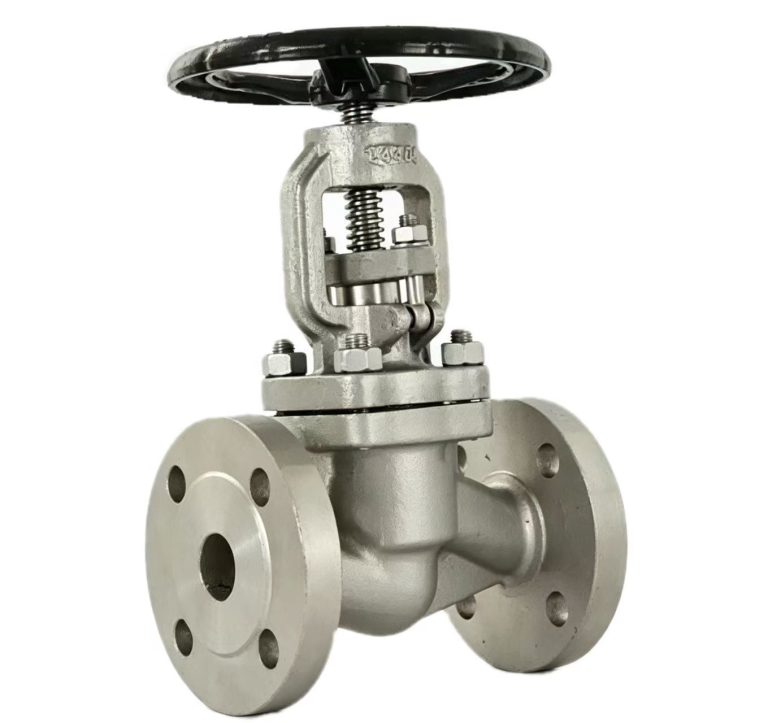
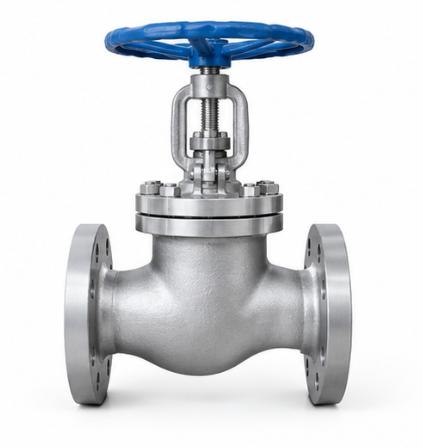
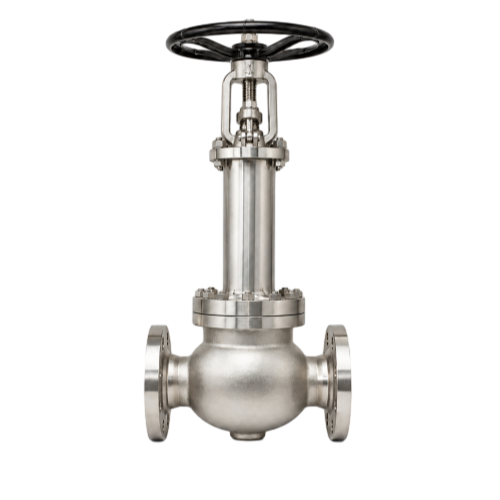
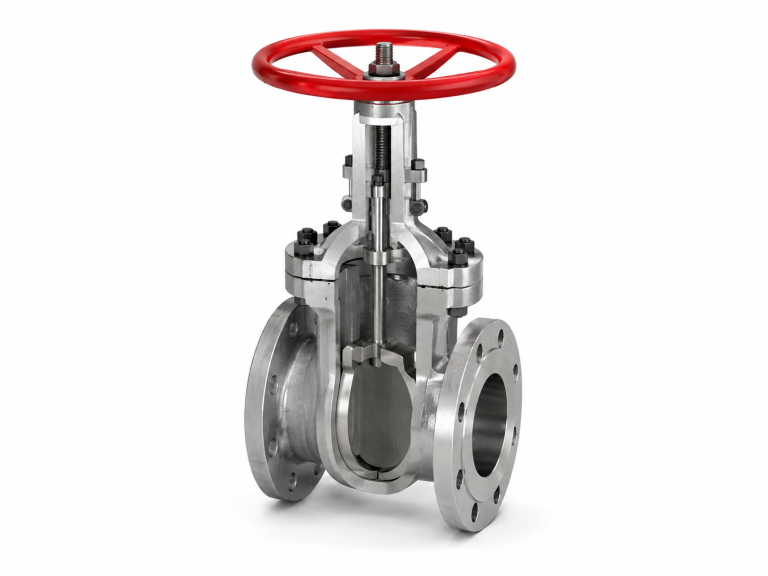
Stainless Steel Globe Valve for Steam, Water and Corrosive Media
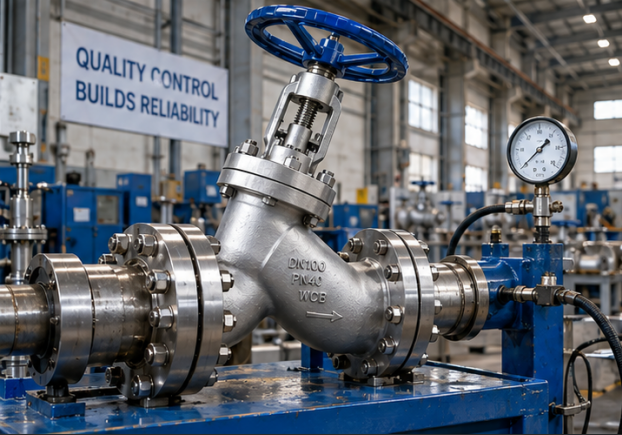
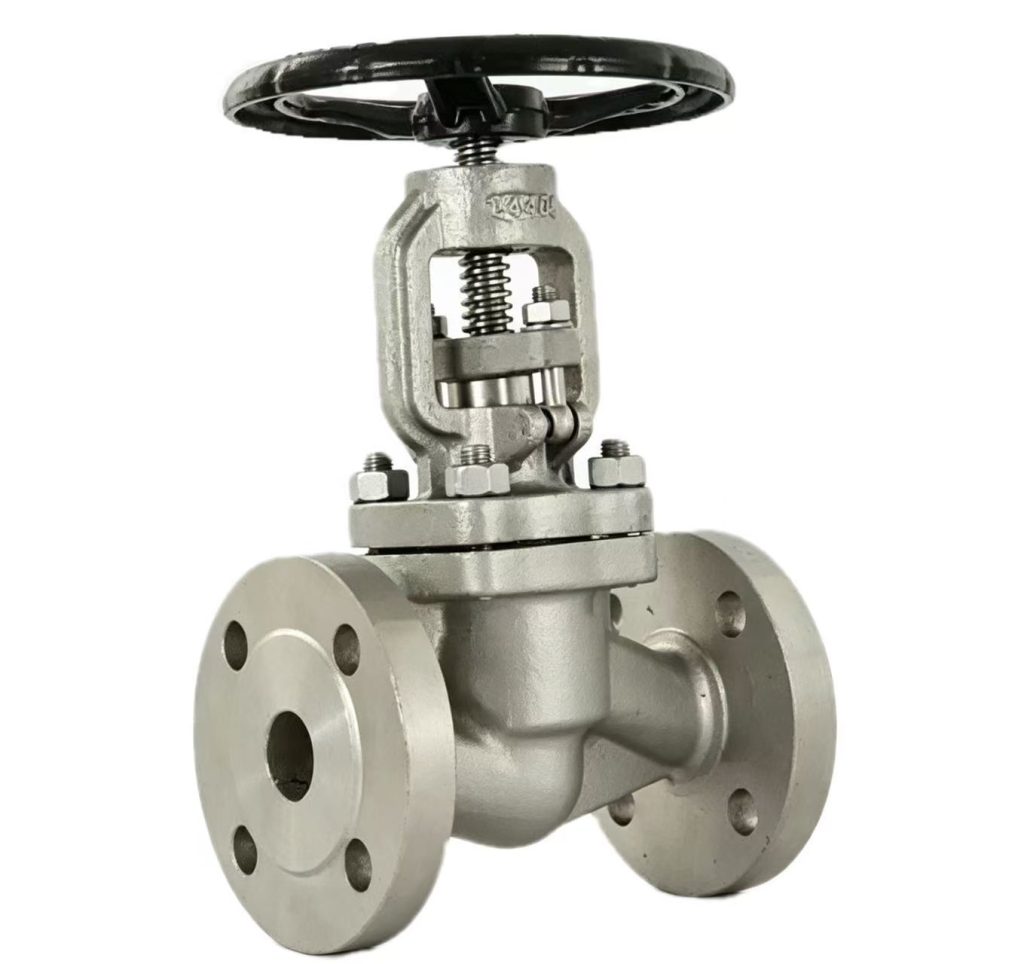
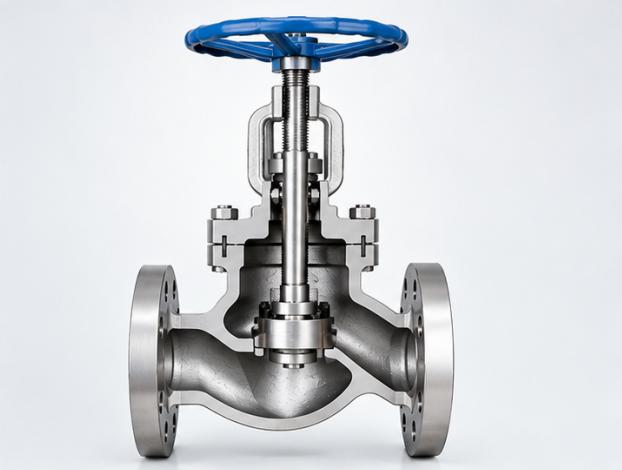
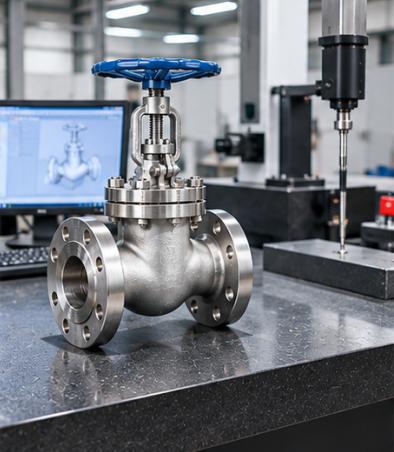
Vcore Valve Stainless Steel Globe Valve is designed for industrial piping systems where controlled flow adjustment, throttling and reliable shut-off are required. Globe valves use linear stem movement to position the disc relative to the seat, allowing the flow passage to be adjusted progressively.
Stainless steel is widely considered where corrosion resistance, material compatibility and long-term reliability are important. Depending on service conditions, stainless steel globe valves may be used in water treatment, steam systems, chemical processing, marine environments, pharmaceutical processes and general industrial piping.
The final valve must be selected from the actual medium, pressure, temperature, flow requirement, corrosion conditions, connection standard and applicable project specification. Vcore Valve can review these parameters before quotation.
Product Description
A stainless steel globe valve is a linear-motion valve in which the stem moves a disc or plug toward and away from the seat. This changes the effective flow area and enables gradual flow regulation. Compared with isolation-focused valve designs, globe valves are commonly selected when throttling and controlled adjustment are important.
Stainless steel grades such as 304 and 316 may be considered for different services. However, the correct grade depends on the medium composition, concentration, chloride exposure, temperature, pressure and project material specification. Stainless steel should not be treated as a universal solution for every corrosive chemical.
The valve can be configured with project-specific body, bonnet, trim, seat and packing materials. Connection and operation can also be matched to the piping and control requirements.
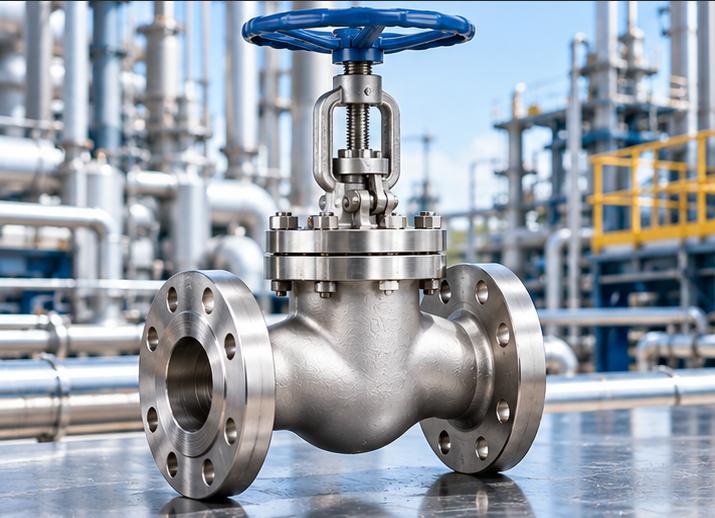
Key Features
- Linear-motion design for controlled flow regulation, throttling and shut-off.
- Stainless steel body construction for applications where corrosion resistance is an important selection factor.
- Suitable for steam, water and compatible industrial process media.
- Project-specific stainless steel body and trim combinations.
- Manual handwheel, gear, electric or pneumatic operation can be evaluated.
- Flanged, threaded, socket weld or butt weld connections can be considered where applicable.
- Pressure class, temperature limits, seat materials and testing requirements are confirmed from the final specification.
- Suitable for applications where controlled flow is more important than minimum pressure loss.
Technical Specifications
| Specification | Configuration |
|---|---|
| Product Type | Industrial Globe Valve |
| Valve Design | Stainless steel linear-motion globe valve |
| Nominal Size | Project-specific |
| Nominal Pressure | Project-specific |
| Body Material | Stainless steel; grade to be confirmed |
| Bonnet Material | According to body material and project requirements |
| Disc / Plug Material | Project-specific trim selection |
| Stem Material | Project-specific |
| Seat Material | Project-specific, based on medium, temperature and pressure |
| Seal / Packing | Project-specific sealing system |
| Connection Type | Project-specific; flanged, threaded, socket weld or butt weld where applicable |
| Connection Standard | According to project requirements, such as ASME, EN, DIN or JIS |
| Face-to-Face | According to applicable standard and project requirements |
| Design Standard | Project-specific |
| Test Standard | Project-specific; API 598 or ISO 5208 may be specified where required |
| Operating Temperature | To be confirmed based on operating conditions |
| Media | Steam, water and compatible industrial process media; corrosive service subject to material compatibility |
| Operation / Actuation | Handwheel, gear operator, electric actuator or pneumatic actuator |
| Optional Features | Project-specific trim, packing, seat, connection, inspection and documentation |
| Application | Steam systems, water treatment, chemical processing, marine, pharmaceutical and general industrial pipelines |
Engineering Note
Stainless steel does not automatically make a valve suitable for every corrosive medium. Review chemical composition, concentration, temperature, pressure, chloride exposure and other process conditions before selecting the body grade and internal trim.
Globe valves provide useful throttling capability, but their flow path can create higher pressure loss than some isolation-oriented designs. If the process requires very high flow capacity with minimum pressure drop, compare alternative valve types before final selection.
For steam service, confirm pressure-temperature conditions and the required body, trim, seat and packing materials. For water service, review chloride and dissolved chemical content where corrosion could affect material selection.
How a Stainless Steel Globe Valve Works
The valve controls flow by moving the disc vertically relative to the seat. The operator turns the handwheel or commands an actuator, moving the stem and changing the opening between the disc and seat.
- Opening: The disc moves away from the seat, increasing the flow passage.
- Throttling: The disc is positioned at an intermediate opening to regulate flow.
- Closing: The disc moves toward the seat to restrict and stop flow.
- Sealing: The selected seat and packing arrangement provide the required closure and stem sealing performance for the specified service.
Actual flow characteristics depend on valve geometry, differential pressure, flow requirements and process control conditions.
Operation and Actuation Options
| Operation | Typical Use | Selection Consideration |
|---|---|---|
| Handwheel | Manual local operation | Confirm operating torque, accessibility and installation space. |
| Gear Operator | Larger valves or higher operating force | Confirm torque, mounting arrangement and operator position. |
| Electric Actuator | Remote or automated operation | Confirm torque, power supply, control signal and required action. |
| Pneumatic Actuator | Automated process control | Confirm air supply, action, torque and control accessories. |
Applications
Steam Systems
Globe valves are commonly considered for steam flow regulation because their linear movement allows gradual adjustment. Typical services include industrial heating, heat exchangers, steam distribution and auxiliary steam systems. Pressure, temperature, trim and sealing materials must be confirmed from the actual steam conditions.
Water Treatment
Stainless steel globe valves can be considered for process water, cooling water and treatment systems where controlled flow is required. Chloride, chemical concentration and water quality should be reviewed for material selection.
Chemical and Corrosive Media
Stainless steel construction can provide useful corrosion resistance in selected chemical applications. The medium composition, concentration and temperature should be supplied with the RFQ so body and trim compatibility can be evaluated.
Marine and Saline Environments
Marine systems and salt-containing environments create additional corrosion challenges. Stainless steel may be considered when the selected grade and trim are compatible with the actual service.
Pharmaceutical and High-Purity Processes
Stainless steel is frequently selected where corrosion resistance, cleanability and controlled process conditions are important. Actual finish, internal geometry and hygienic requirements should be specified by the project.
Stainless Steel Material Selection
Material selection is a major factor in stainless steel globe valve specification.
| Material Option | General Consideration | Selection Note |
|---|---|---|
| Stainless Steel 304 | General corrosion resistance for many water and mildly corrosive services. | Confirm suitability for actual chemical composition and chloride level. |
| Stainless Steel 316 | Enhanced corrosion resistance in many environments due to molybdenum addition. | Often considered for chemical, saline and more demanding media, subject to compatibility review. |
| Other Stainless / Alloy Grades | Special projects may require alternative grades. | To be confirmed from process datasheet and material specification. |
Compatibility should cover the body, disc, stem, seat, packing, gasket and other wetted or sealing components. A corrosion-resistant body with incompatible internals can still lead to premature failure.
Connection and Installation
The connection method should match the piping system and project standard. Flanged connections are common where maintenance access and removable joints are important, while threaded, socket weld and butt weld connections may suit other configurations.
- Verify valve size, pressure class and temperature rating.
- Confirm flange facing, bolt pattern and gasket requirements for flanged valves.
- Check pipe alignment to avoid excessive external loads.
- Ensure space for handwheel or actuator operation and maintenance.
- Clean the pipeline before commissioning where contamination could damage the seat or trim.
- Follow the supplied installation and commissioning instructions.
Manufacturing and Inspection
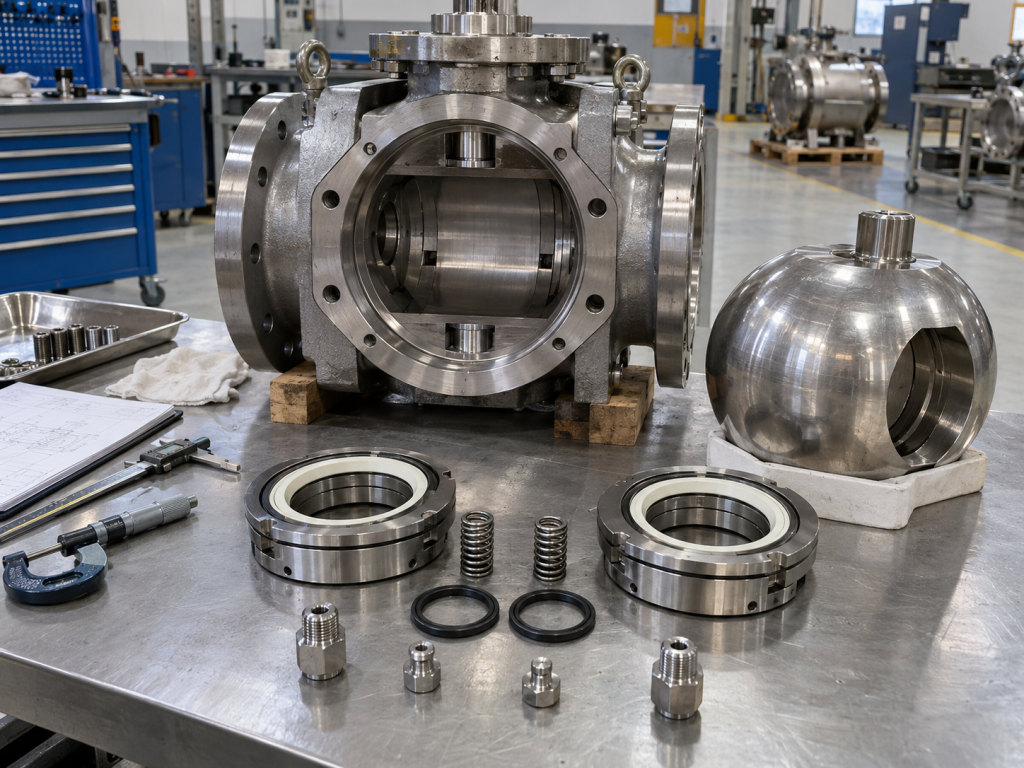
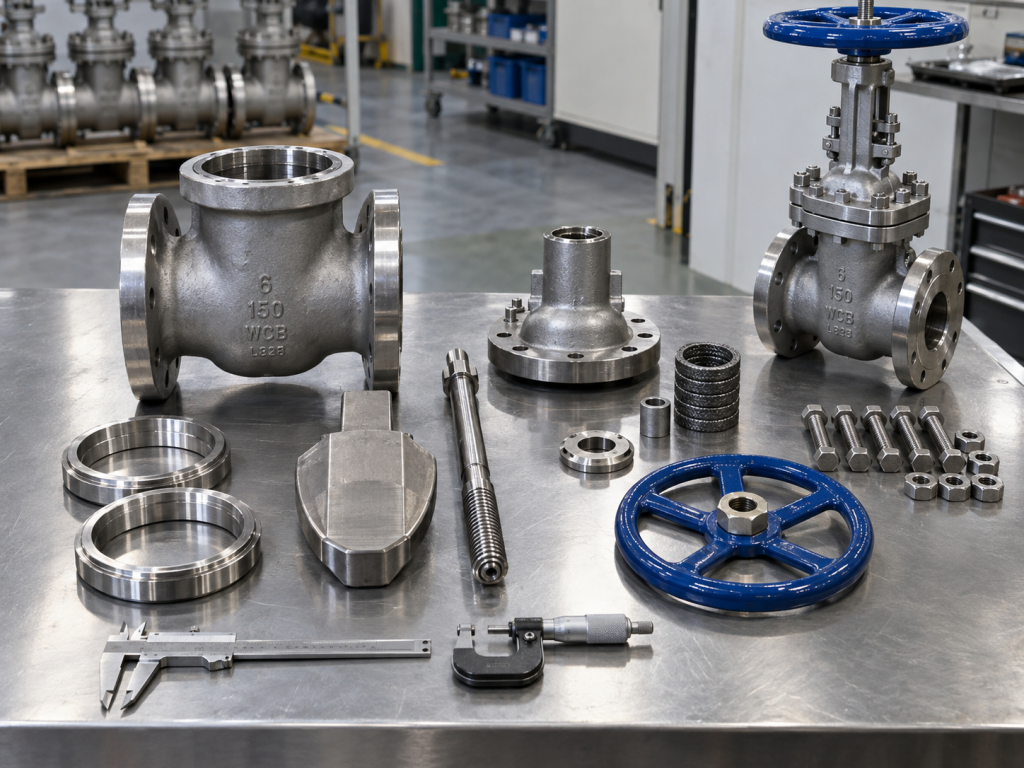
For industrial project orders, inspection requirements should be agreed before production. Depending on the purchase specification, inspection may include material verification, dimensional inspection, visual inspection, pressure testing, leakage testing, marking and packing inspection.
For stainless steel valves, material traceability can be important in demanding applications. If mill test reports, heat-number traceability, PMI or other documentation is required, these requirements should be stated in the RFQ and confirmed before order placement.
Standards such as API 598 or ISO 5208 may be specified for particular projects, but the exact test standard and acceptance criteria should be confirmed from the customer’s technical specification.
Why Choose Vcore Valve
- Application-based selection: Medium, pressure, temperature and corrosion conditions are reviewed before final valve selection.
- Stainless steel options: 304, 316 and other project-specified stainless or alloy materials can be evaluated.
- Flexible configurations: Connection type, trim, seat, packing and operation can be configured around project requirements.
- Industrial application coverage: Solutions can be considered for steam, water, chemical, marine, pharmaceutical and general industrial systems.
- RFQ support: Drawings, datasheets, piping classes and material requirements can be reviewed before quotation.
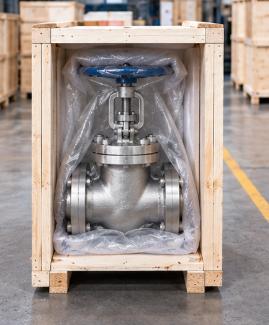
- Export-oriented supply: Packing, documentation and inspection requirements can be discussed with the project quotation.
Stainless Steel Globe Valve RFQ and Selection Checklist
For a technically accurate quotation, provide as many of the following parameters as possible:
- Valve size and quantity.
- Pressure class or nominal pressure.
- Process medium and chemical composition where relevant.
- Normal and maximum operating temperature.
- Normal and maximum operating pressure.
- Required flow rate or throttling duty.
- Required stainless steel grade or material specification.
- Trim, seat and packing requirements.
- Connection type and connection standard.
- Face-to-face requirement if controlled by the piping specification.
- Manual or automated operation and actuator requirements.
- Applicable design, inspection and testing standards.
- Required material certificates, inspection documents or traceability.
- Project datasheet, drawing or piping class if available.
Frequently Asked Questions
What is a stainless steel globe valve used for?
A stainless steel globe valve is used for flow regulation, throttling and shut-off in industrial pipeline systems. It can be considered for steam, water and compatible chemical or process media where corrosion resistance and controlled flow adjustment are important.
Can stainless steel globe valves be used for steam?
Yes, when the body, trim, seat, packing and pressure-temperature rating are suitable for the actual steam conditions. The final material and rating should be confirmed from the project datasheet.
Is stainless steel 316 better than 304 for corrosive media?
316 generally provides enhanced corrosion resistance compared with 304 in many environments because of its molybdenum content. However, 316 is not universally suitable for every chemical, so actual medium, concentration and temperature must be reviewed.
Can a stainless steel globe valve be used for water treatment?
Yes. Stainless steel globe valves can be considered for industrial water treatment, cooling water and process water where controlled flow is required. Chloride and chemical concentration should be reviewed for material selection.
What connection types are available?
Connection type is project-specific. Flanged, threaded, socket weld and butt weld connections can be evaluated depending on the valve design and piping requirements.
Can the stainless steel globe valve be automated?
Yes. Handwheel, gear, electric and pneumatic operation can be considered. Actuator selection should be based on operating torque, control requirements and the available power or air supply.
What information is needed for a quotation?
Please provide size, quantity, medium, temperature, pressure, pressure class, stainless steel grade if specified, connection standard, operation method and testing or documentation requirements. A datasheet or drawing is preferred for customized requirements.
Request a Stainless Steel Globe Valve Quotation
Need a stainless steel globe valve for steam, water treatment, chemical processing, marine service, pharmaceutical processing or another industrial pipeline application? Send Vcore Valve your size, pressure class, medium, operating temperature, material requirement, connection standard, operation method and quantity.
If you have a datasheet, drawing, piping class or material specification, include it with the RFQ. Vcore Valve can review the process conditions and propose a suitable configuration before quotation.