Quick Overview
Seawater applications pose unique challenges for valve systems due to the corrosive nature of saltwater. Choosing the right valve material and type is crucial to ensuring long-term durability and performance. This article delves into the best valve solutions for seawater applications, focusing on corrosion resistance, performance, and cost-efficiency.
Introduction: The Challenge of Seawater Applications
Seawater environments are harsh, with high levels of salinity, temperature fluctuations, and potential for biofouling. This makes selecting the right valves for seawater applications critical to maintaining system integrity. Whether for industrial processes, desalination plants, or marine applications, the valves used must withstand the corrosive effects of saltwater while delivering reliable performance.
In this article, we’ll explore the key factors to consider when selecting valves for seawater applications and review the best valve solutions available.
Pain Points in Seawater Valve Selection
1. Corrosion Resistance
Saltwater’s corrosive properties can quickly degrade valve materials, leading to system failures and increased maintenance costs.
2. Maintenance and Durability
Frequent maintenance and valve replacement can disrupt operations, leading to increased downtime and operational costs.
3. Valve Performance in Harsh Environments
Valves must function smoothly under extreme conditions, including fluctuating pressure, temperature changes, and the presence of impurities in seawater.
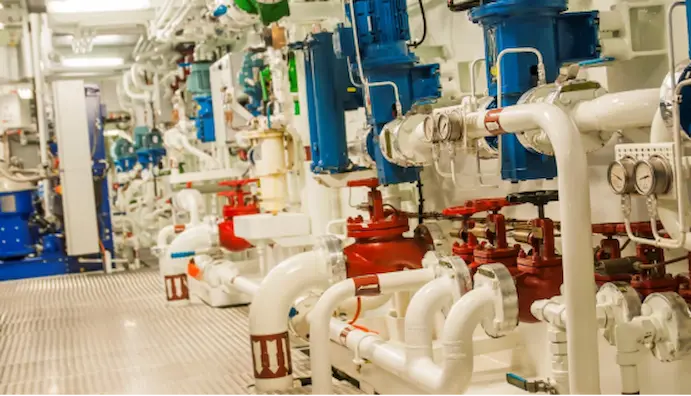
Solutions: Choosing the Right Valve for Seawater Applications
1. Corrosion-Resistant Materials: The Key to Longevity
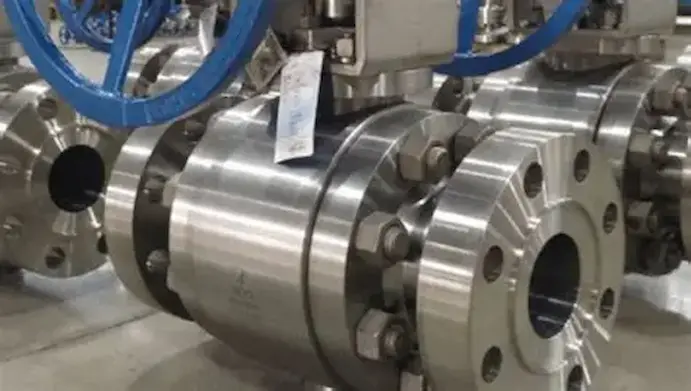
The most crucial factor in selecting a valve for seawater applications is the material it’s made from. Corrosion-resistant materials such as stainless steel, bronze, and high-grade alloys are essential for ensuring the longevity of the valve in seawater environments. Stainless steel, for instance, offers superior resistance to corrosion and pitting, making it an ideal choice for valves used in seawater applications.
2. Valve Design for Enhanced Performance
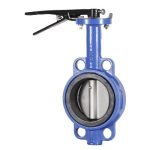
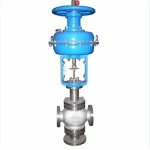
For seawater systems, valves with anti-corrosion coatings or those designed with special seals and gaskets are crucial for reliable performance. Butterfly valves, ball valves, and gate valves are commonly used in seawater applications due to their robust design and efficient sealing capabilities.
3. Regular Maintenance and Inspection
Routine maintenance, such as cleaning and inspection for corrosion, is essential for preventing failures. Using valves with self-lubricating materials or built-in protection against saltwater buildup can also help reduce maintenance needs.
Case Study: Seawater Filtration System in a Desalination Plant
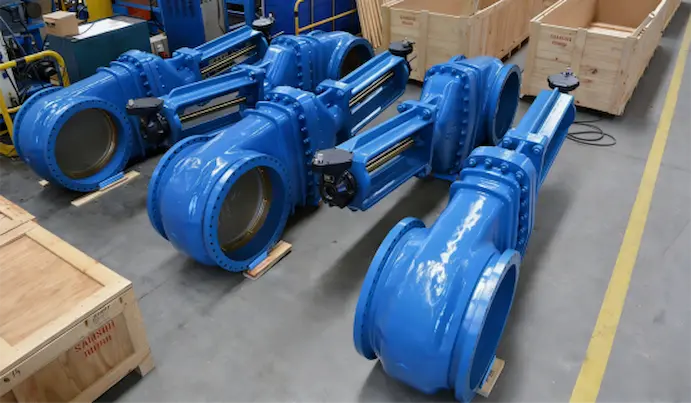
A large desalination plant faced challenges with valve corrosion in their seawater filtration system. They had been using standard carbon steel valves, which failed due to corrosion from the high salinity of seawater. After switching to high-grade stainless steel valves with corrosion-resistant coatings, the plant experienced a significant reduction in maintenance costs and downtime. The new valves also provided more reliable sealing and better flow control, improving the overall efficiency of the system.
Data Comparison
The following table compares common valve materials used in seawater applications based on key factors like corrosion resistance, durability, and performance:
| Material | Corrosion Resistance | Durability | Best for | Maintenance Needs |
|---|---|---|---|---|
| Stainless Steel | High | Very Durable | High-pressure, high-flow systems | Low (with proper care) |
| Bronze | Medium | Moderate | Marine and offshore applications | Moderate |
| Plastic (PVC/CPVC) | Low | Low | Low-cost, non-pressurized systems | High (frequent checks) |
| Alloy Steel | Very High | Very Durable | Desalination plants, offshore rigs | Low (highly resistant) |
Trends Insights
In recent years, there has been a growing demand for environmentally friendly materials in valve construction. Materials like titanium and specialized alloys are gaining popularity due to their superior resistance to seawater corrosion and their environmentally friendly properties. Additionally, the trend toward automation and smart valves is becoming more prominent in seawater applications, allowing for real-time monitoring and control, improving efficiency, and reducing operational risks.
Style Suggestions
When selecting valves for seawater applications, consider the following:
-
Material Selection: Choose materials that are known for their corrosion resistance in saline environments, such as stainless steel or titanium.
-
Valve Type: Depending on your system, you may opt for ball valves, butterfly valves, or gate valves, each offering different advantages in terms of flow control and sealing efficiency.
-
Maintenance Protocols: Regular inspections and cleanings are essential to prevent valve failure. Additionally, consider using valves with built-in corrosion resistance to reduce maintenance needs.
Conclusion: Choosing the Right Valve for Seawater Applications
Selecting the right valve for seawater applications is essential to maintaining system integrity and ensuring long-term efficiency. By focusing on materials that offer high corrosion resistance, selecting the appropriate valve type, and committing to regular maintenance, you can ensure reliable valve performance in the harshest of environments. For high-performance, corrosion-resistant valves, look no further than Vcore Valve – your trusted partner in seawater applications.
Contact Vcore Valve today for more information about our corrosion-resistant valve solutions.
FAQs
1. Why is corrosion resistance important in seawater valves?
Corrosion resistance is crucial in seawater applications because saltwater can cause rapid degradation of valve materials, leading to leaks, failures, and costly repairs.
2. What materials are best for valves used in seawater systems?
Stainless steel, bronze, and high-grade alloys are the best materials for valves used in seawater systems due to their superior corrosion resistance.
3. How often should seawater valves be inspected?
Seawater valves should be inspected regularly for corrosion, wear, and blockages. Routine maintenance can extend the life of the valve and prevent unexpected failures.
4. What valve types are commonly used in seawater systems?
Ball valves, butterfly valves, and gate valves are commonly used in seawater systems for their durability and efficient flow control.
5. How can I prevent valve failures in seawater applications?
To prevent valve failures, choose corrosion-resistant materials, use valves with anti-corrosion coatings, and implement a regular maintenance schedule.
Reference
-
Corrosion Resistance in Marine Environments
-
Valve Solutions for Offshore and Seawater Systems