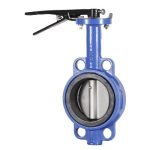
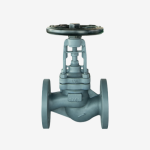
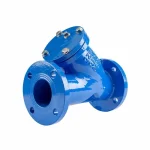
Boiler feedwater valve selection should be reviewed as a system rather than as one control-valve decision. A typical feedwater train may include pump protection or minimum-flow recirculation, a pump-discharge check valve, isolation valves, a startup control valve or main feedwater regulator, and boiler/economizer-side isolation or non-return functions. The exact arrangement varies by plant. Startup can create low-flow, high-differential-pressure conditions with severe cavitation risk, while normal load may require much higher flow at lower valve pressure drop. Check valves must prevent damaging reverse flow, isolation valves must provide reliable shut-off, and control valves must be sized for the complete operating envelope rather than the pipe size alone.
Power & Steam · Feedwater System Audit
Boiler Feedwater Valve Selection: Control, Isolation and Check Valves
Feedwater is hot, pressurized liquid carrying pump energy toward the boiler. The valves in this system do different jobs: protect the pump, stop reverse flow, isolate equipment and regulate boiler water flow. Treating them as interchangeable creates avoidable cavitation, water-hammer, shut-off and controllability problems.
Feedwater System Train — Valve Functions by Position
The exact piping arrangement depends on boiler type, plant design and EPC philosophy. The simplified train below is a functional map, not a universal P&ID.
Reverse-flow protection
Shut-off / maintenance
Startup / main regulation
System rule: use the approved project P&ID, pump requirements and boiler design. A recirculation branch, check-valve position or isolation arrangement should never be copied from a generic diagram without engineering confirmation.
Why Boiler Feedwater Is Not Ordinary Water Service
High Pump Energy
Feedwater pumps raise liquid to the pressure required to enter the boiler system, so selected valve positions can experience large pressure drops.
Hot Pressurized Liquid
Feedwater remains liquid under system pressure, but local pressure reduction through a valve can still create cavitation or, in more severe conditions, flashing.
Wide Operating Range
Startup, minimum load and normal plant load can impose very different flow and differential-pressure conditions on the regulating valve.
DUTY STATION A
Feedwater Pump Minimum-Flow / Recirculation Valve
Centrifugal feedwater pumps can require a minimum flow to avoid unstable low-flow operation, excessive internal heating and pump damage. Where process demand falls below that limit, a recirculation branch may return flow from the pump discharge toward an approved upstream point.
| Function | Main Risk | Selection Data |
|---|---|---|
| Maintain pump minimum-flow requirement. | High liquid ΔP, cavitation, erosion and vibration. | Required recirculation flow, P1, P2, temperature, line sizes, shut-off requirement and pump operating philosophy. |
Do not calculate the required recirculation flow from a generic percentage unless that value comes from the pump or approved system design.
DUTY STATION B
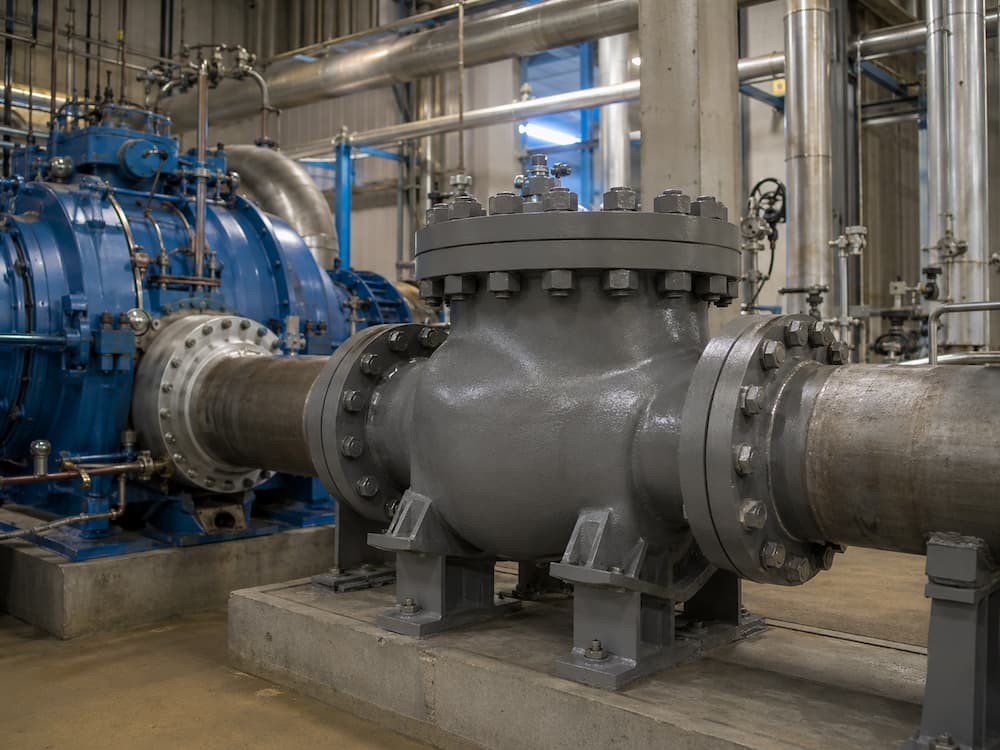
Pump-Discharge Check Valve: Reverse-Flow Protection
The feedwater check valve protects the pump and upstream equipment when downstream pressure exceeds pump discharge pressure or a pump trips. In high-pressure service, closing dynamics are as important as static pressure rating.
Required Function
- Prevent sustained reverse flow.
- Pass normal feedwater flow with acceptable pressure loss.
- Remain stable through the expected forward-flow range.
- Close with dynamic behavior compatible with the piping system.
Avoid These Assumptions
- “Fastest closing is always best.”
- Every swing, axial or assisted check valve behaves the same.
- Static pressure class proves transient suitability.
- Nominal size alone is enough for selection.
Positive-closing boiler feed check valves exist specifically for high-pressure feedwater service, but the required closure response should match the actual pump and piping transient rather than a generic rule.
DUTY STATION C
Isolation Valves: Separate Shut-Off from Regulation
Isolation valves allow feedwater pumps, control valves or boiler-side equipment to be removed from service when the approved operating procedure permits. Their duty is shut-off, not continuous process regulation.
| Low open-position resistance important? | A gate valve may be considered where full-bore isolation suits the project standard. |
| Manual throttling needed? | A globe valve can handle selected manual throttling better than a gate valve, but it does not replace a properly sized automatic control valve. |
| High-pressure / high-temperature isolation? | Review pressure-temperature rating, bonnet construction, body material, trim, packing and end connection. |
| Actuated block valve? | Size torque or thrust for the specified differential pressure and operating function, not pipe size alone. |
Where applicable, review the Pressure Seal Gate Valve as one possible high-pressure isolation solution.
DUTY STATION D
Feedwater Control Valve: Startup and Normal Load Are Different Problems
Startup can combine low feedwater flow with very high differential pressure across the regulating valve, while normal load may require much higher flow with a lower valve pressure drop. This difference can determine whether one valve is sufficient or whether separate startup and main regulator valves are justified.
STARTUP
Low Flow · High ΔP
- Fine flow control
- Higher cavitation severity
- Small required Cv/Kv
- Potential low-travel problem if the valve is oversized
- Trim must tolerate startup pressure drop
NORMAL / HIGH LOAD
Higher Flow · Lower Valve ΔP
- Higher required capacity
- Stable level or flow control
- Useful normal operating travel
- Acceptable pressure loss
- Smooth transition from startup where two valves are used
Some systems use one valve for the full operating range; others use a separate startup valve and main regulator. The decision should come from sizing, predicted travel, cavitation severity, control strategy and the approved plant design.
See the Boiler Feedwater Control Valve and How to Size a Control Valve.
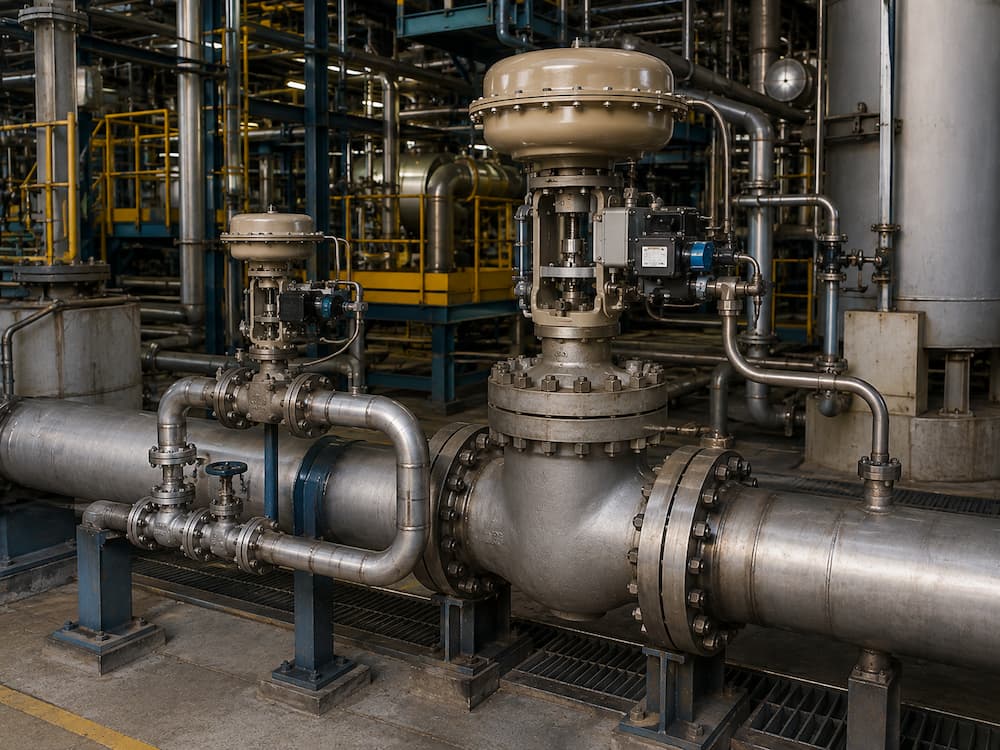
Cavitation Review: Manage the Pressure Drop
Feedwater cavitation begins when local static pressure inside the valve falls below the liquid vapor pressure and vapor cavities form. If pressure later recovers above vapor pressure, the cavities collapse and can produce vibration, noise and trim damage.
Anti-cavitation or staged trim should be selected from the actual flow cases, pressures, temperature and valve geometry rather than from the words “boiler feedwater” alone. For broader trim technology, see Control Valve Trim Options for Cavitation and Noise Reduction.
Valve Function Matrix
| Position | Primary Function | Main Risk | Key Selection Data |
|---|---|---|---|
| Pump recirculation | Protect pump at low demand | High ΔP / cavitation | Minimum flow, P1/P2, T |
| Check valve | Prevent reverse flow | Slam / transient | Flow range, orientation, transient data |
| Isolation valve | Equipment shut-off | Leakage / operator load | P/T, ΔP, leakage, operator |
| Startup regulator | Low-flow startup control | High ΔP / cavitation | Min/startup flow, P1/P2, T |
| Main regulator | Normal-load regulation | Rangeability / erosion | Min/normal/max cases, Cv/Kv, travel |
Feedwater Valve RFQ Data
Common Data
- Medium / feedwater condition
- Operating and design pressure
- Operating and design temperature
- Line size and end connection
- Material requirements
- Applicable standard
Control / Recirculation Valve
- Minimum / normal / maximum flow
- P1 / P2 for each case
- Temperature for each case
- Leakage requirement
- Actuator, signal and fail action
Check Valve
- Normal and minimum forward flow
- Orientation
- Allowable pressure loss
- Pump-trip / transient data if required
- Preferred type if project-specified
Isolation Valve
- Maximum operating differential pressure
- Shut-off criterion
- Manual / gear / actuator operation
- Opening / closing duty
- Bypass or equalizing requirement if specified
Do not send one generic datasheet for every feedwater valve position. The required information is different for check, isolation, recirculation and control valves.
Inspection and Documentation
The inspection plan should follow the selected valve standard, purchase order and project specification. Typical checks may include material records, dimensional inspection, pressure testing, seat leakage testing, actuator stroke / fail-action checks, check-valve internal inspection where specified and final shipment protection.
Related Technical Resources
Technical References
Frequently Asked Questions
What valves are used in a boiler feedwater system?
A feedwater system can include pump-recirculation control valves, check valves, isolation valves, startup control valves and main feedwater regulators. The exact arrangement depends on the plant P&ID, pump requirements, boiler design and operating philosophy.
Why is a check valve installed on boiler feedwater lines?
A check valve prevents reverse flow toward the feedwater pump or upstream system when downstream pressure exceeds pump discharge pressure. Its closing dynamics should also be reviewed for the actual system transient.
Why can boiler feedwater control valves cavitate during startup?
Startup may combine low feedwater flow with a very high pressure drop across the valve. Local pressure inside the trim can fall below the water vapor pressure, creating vapor cavities that collapse if pressure recovers downstream.
Do all boiler feedwater systems need separate startup and main control valves?
No. Some systems use one valve across the complete operating range, while others use a smaller startup valve and a larger main regulator. The choice should follow sizing, predicted travel, cavitation severity and plant control philosophy.
Can a gate valve be used as a boiler feedwater control valve?
Gate valves are mainly intended for full-open/full-close isolation and are generally not suitable for continuous precision regulation. A purpose-selected control valve should be used for modulating feedwater control.
What information is needed to quote a boiler feedwater control valve?
Provide minimum, normal and maximum flow, inlet and outlet pressure for each case, water temperature, line size, design pressure and temperature, material requirement, leakage requirement, actuator, signal and fail action.
What information is needed to select a feedwater check valve?
Provide line size, design pressure and temperature, normal and minimum forward flow, installation orientation, allowable pressure loss and any pump-trip or transient data required by the project.