Quick Overview
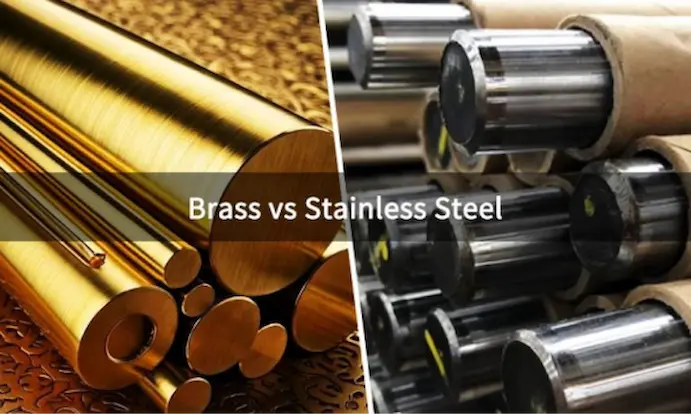
When selecting materials for valves, brass vs stainless steel valves are two of the most popular choices—but they serve different purposes. Understanding the material differences helps engineers and buyers make smarter decisions about performance, durability, and cost.
Opening Scenario
Picture this: you’re specifying valves for a large industrial pumping system. The engineers argue whether to use brass valves for cost savings or stainless steel valves for rugged reliability. You need a clear comparison—why one material excels in some environments while another dominates in others. Let’s break it down.
What Are Brass and Stainless Steel Valves?
🟡 Brass Valves
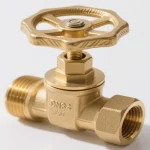
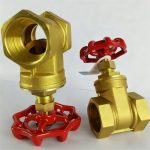
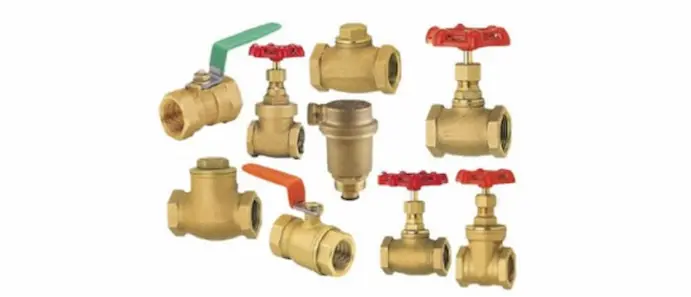
Brass valves are made from an alloy of copper and zinc. Their main advantages include good machinability, decent corrosion resistance in neutral environments, and lower cost.
🔍 Typical uses:
- Residential plumbing
- HVAC systems
- Low‑pressure water distribution
⚙️ Stainless Steel Valves
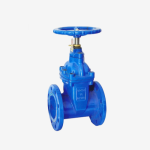
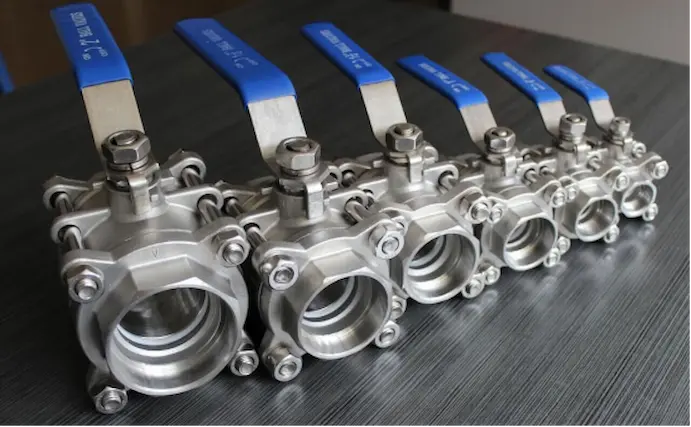
Stainless steel valves are made from alloys with high chromium content (often 304 or 316 grade). These offer superior resistance to corrosion, high temperatures, and mechanical wear.
🔍 Typical uses:
- Industrial fluid systems
- Chemical processing
- High‑pressure steam or oil application
Why This Comparison Matters
When selecting valves for industrial or commercial projects, material choice impacts longevity, safety, reliability, maintenance cost, and compliance.
Choosing the wrong material for your application can lead to:
✔ Premature valve failure
✔ Corrosion and leakage
✔ Increased downtime and maintenance cost
✔ Safety hazards in high‑pressure systems
Key Differences Between Brass and Stainless Steel
1. Material Composition and Corrosion Resistance
- Brass valves resist corrosion from fresh water and mild fluids but can deteriorate in chlorinated or salt environments.
- Stainless steel valves contain chromium & nickel, allowing them to resist aggressive chemicals and seawater environments.
👉 Winner: Stainless steel (in harsh conditions)
2. Strength and Temperature Performance
- Brass valves handle moderate temperatures and pressures.
- Stainless steel valves perform reliably at higher temperatures and pressures, making them ideal for industrial use.
👉 Winner: Stainless steel
3. Cost vs Lifespan
- Brass valves — lower upfront cost and easier to machine.
- Stainless steel valves — higher upfront cost, but longer service life with lower total lifecycle cost in demanding applications.
👉 Best choice by budget: Brass
👉 Best choice by performance: Stainless steel
Data Comparison: Brass vs Stainless Steel Valves
| Property | Brass Valves | Stainless Steel Valves |
|---|---|---|
| Corrosion Resistance | ✔ Good (non‑aggressive environments) | ✔✔ Excellent (aggressive & corrosive) |
| Pressure Rating | Moderate | High |
| Temperature Range | Moderate | Very High |
| Weight | Moderate | Higher |
| Machinability | High (easy to fabricate) | Lower (harder material) |
| Maintenance Cost | Low initially | Lower over long term |
| Suitability for Chemicals | Low | High |
Trends and Market Insights
🔻 1. Industrial Growth Drives Stainless Steel Adoption
More industries are moving toward stainless steel due to strict corrosion standards, especially in:
- Chemicals
- Oil & gas
- Power generation
⚡ 2. Sustainability Focus
Longer valve service life → fewer replacements → less waste.
Stainless steel’s longevity aligns with greener procurement strategies.
🔧 3. Demand for High‑Strength Materials
As fluids become more aggressive and pressures rise, stainless steel dominates critical valve applications.
How to Choose: Brass or Stainless Steel?
🧠 Ask Yourself These Questions:
✔ What fluid will the valve control?
✔ What temperature and pressure will the valve endure?
✔ Is long lifespan more important than upfront cost?
✔ Choose Brass if:
- It’s a low‑pressure, non‑corrosive application
- You need cost‑effective valves
- Installation is residential or light commercial
Examples:
- Water supply lines
- HVAC systems
- Air regulators
✔ Choose Stainless Steel if:
- Conditions are corrosive
- Temperature and pressure are high
- You need maximum longevity and reliability
Examples:
- Chemical plants
- Seawater systems
- Industrial steam lines
Conclusion and Call to Action
When deciding between brass valves and stainless steel valves, the material choice is critical to ensuring optimal performance and long-term reliability in your system. Brass valves are cost-effective and work well for lower pressure and non-corrosive applications. However, for high-pressure, corrosive, or demanding environments, stainless steel valves are the superior choice, offering unmatched durability and corrosion resistance.
FAQs
1. What is the main difference between brass and stainless steel valves?
Brass is a copper‑zinc alloy good for moderate environments. Stainless steel contains chromium and offers superior corrosion resistance and strength.
2. Which is more corrosion‑resistant?
Stainless steel valves outperform brass in corrosive, acidic, or marine environments.
3. Are brass valves cheaper?
Yes, brass valves are usually less expensive upfront, but may cost more over time in harsh conditions.
4. Can brass valves be used for drinking water?
Yes, brass valves are common in potable water systems, provided they meet local certifications.
5. What grade of stainless steel is best?
316 stainless steel offers the best corrosion resistance, especially in chloride or marine environments.
6. Are stainless steel valves worth the investment?
Yes — especially for industrial systems where longevity and corrosion resistance matter.
7. Do brass valves resist dezincification?
Brass valves can suffer dezincification in aggressive environments; selecting dezincification‑resistant alloys is crucial.
Reference
- Valve Material Selection and Corrosion Resistance — Industrial Valve Journal
- Understanding Valve Metallurgy — Engineering Materials Review
- Best Practices for Valve Selection — Fluid Control Insights