Quick Overview
Choosing the right valve for your industrial system is crucial to minimizing downtime and ensuring smooth operations. Efficient valve selection and regular maintenance help prevent unplanned shutdowns, reduce maintenance costs, and ensure consistent flow control. In this article, we explore the importance of valve selection, the impact on downtime, and strategies to improve valve performance.
Introduction: The Hidden Cost of Downtime
In industrial operations, unplanned downtime can result in significant losses. Downtime can be caused by a variety of factors, including faulty valves, improper valve selection, and lack of maintenance. By selecting the right valve and performing regular maintenance, you can ensure smoother operations, reduce unexpected downtime, and increase the lifespan of your equipment.
The impact of downtime is often underestimated, but even small periods of non-operation can lead to a decrease in production output, reduced profits, and costly repairs. One of the key factors in preventing downtime is choosing valves that are reliable and efficient for the specific requirements of the system.
Common Challenges in Valve Selection
-
Misunderstanding of the system’s pressure and temperature requirements: Choosing a valve that cannot withstand the operating pressure or temperature can lead to early failure or inefficiency.
-
Incorrect valve sizing: A valve that is too large or too small for the system can disrupt flow regulation and reduce overall system performance.
-
Material incompatibility: Using a valve made from a material that is incompatible with the fluids being controlled can result in corrosion or other types of damage.
Solutions and Recommendations
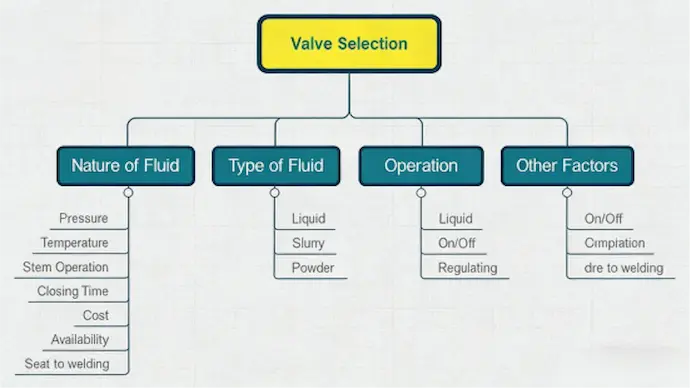
To solve these issues, here are some recommendations to ensure proper valve selection:
-
Understand your system’s requirements: Always determine the pressure, temperature, and flow characteristics of your system before selecting a valve. Our guide on high-temperature and high-pressure valves can provide valuable insights into these specific requirements.
-
Proper sizing is crucial: Ensure the valve you choose matches the system’s specifications. Proper sizing is essential to prevent issues such as poor flow regulation or system inefficiency. For more on interpreting valve sizing and selecting the best valve for your system, check out our article on valve flow coefficient (Cv) charts.
-
Choose the right materials: Always select a valve made from materials compatible with the fluid and the conditions of your system. Our About Us page provides an overview of our commitment to offering high-quality materials and durable valves.
Case Study: Vcore Valve Solutions in Action
A chemical processing plant had been experiencing frequent downtime due to malfunctioning valves. They were using low-cost valves that were not suitable for the high-pressure conditions in their system. As a result, the plant was spending significant resources on repairs and replacements.
Solution: Vcore Valve provided a tailored solution by recommending valves designed for high-pressure systems, ensuring greater durability and reliability. Regular valve inspections and scheduled maintenance were also introduced.
Result: After switching to Vcore’s high-performance valves, the plant experienced fewer shutdowns, a decrease in maintenance costs, and a more efficient operation overall. The new valves significantly improved the system’s performance and reduced operational costs.
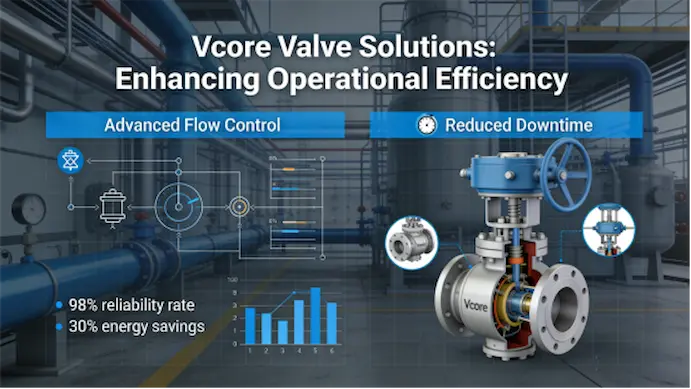
Data Comparison
Here is a comparison of the operational efficiency before and after the implementation of the right valve selection and maintenance:
| Parameter | Before Valve Optimization | After Valve Optimization | Improvement |
|---|---|---|---|
| Average Downtime per Month | 15 hours | 3 hours | 80% reduction |
| Maintenance Costs per Year | $50,000 | $20,000 | 60% reduction |
| System Efficiency (%) | 75% | 90% | .se |
Trends in Valve Selection for Industrial Operations
In recent years, the valve industry has seen several notable trends that are shaping the future of valve technology and application. These trends aim to improve valve efficiency, reduce downtime, and optimize the overall performance of industrial systems:
-
Smart Valve Technologies: The integration of IoT and sensors into valves is helping industries monitor real-time performance and detect potential issues before they lead to system failures.
-
High-Durability Materials: There has been a shift towards using materials that can withstand extreme conditions, such as high pressure and corrosive environments. These materials ensure longer valve lifespans and greater reliability.
-
Energy-Efficient Valves: With energy consumption becoming a significant concern for many industries, manufacturers are focusing on creating valves that reduce energy loss and contribute to more sustainable operations.
Usage Suggestions for Efficient Valve Operation
To ensure optimal performance, it is essential to regularly inspect and clean the valves, especially in systems that deal with high-temperature fluids or chemicals. Choosing valves with the right pressure ratings, corrosion resistance, and flow control capabilities ensures smoother operations. In addition, consider upgrading to valves that feature enhanced sealing technologies to prevent leaks and improve system efficiency.
Conclusion
Efficient valve selection is crucial for maintaining operational efficiency and minimizing downtime in industrial systems. By choosing the right valves for the specific requirements of your system and implementing a regular maintenance routine, you can significantly improve valve performance, reduce operational costs, and extend the lifespan of your equipment. Work with a trusted valve supplier like Vcore Valve to ensure the best solutions for your system’s needs.
FAQs
-
How do I know which valve is right for my system?
Choosing the right valve depends on factors like the fluid type, pressure, temperature, and flow rate. Consulting with an experienced valve supplier can help you make an informed decision. -
Why is valve maintenance important?
Regular valve maintenance prevents system failures, reduces downtime, and ensures smooth valve operation, extending their lifespan. -
What are the signs that a valve needs replacement?
If a valve is leaking, causing system inefficiency, or has frequent issues, it may be time for a replacement. -
Can the right valve reduce energy consumption?
Yes, energy-efficient valves can reduce the energy lost in systems, contributing to more sustainable operations. -
What types of valves are best for high-pressure systems?
For high-pressure systems, valves made of durable materials such as stainless steel or those with enhanced sealing capabilities are recommended.