Quick Overview
Gate valves are essential components in various industrial systems, but one significant issue they face is scaling. Scaling, which is the buildup of minerals and debris, can significantly impair valve performance and reduce their lifespan. This article explores how coating technologies can prevent scaling, enhancing the efficiency and longevity of gate valves in demanding environments.
Opening Scenario
Imagine a water treatment plant dealing with high mineral content in its water supply. Over time, the accumulation of scale on gate valves could affect their operation, leading to valve jams, increased wear, and potential system failures. Fortunately, there are solutions to prevent scaling, one of which is the application of coatings that protect the valve surfaces from mineral deposits.
Pain Points
When it comes to managing gate valves in industries with high water hardness or chemical exposure, several issues arise due to scaling:
1. Decreased Valve Performance
As scale builds up on the valve surfaces, it reduces the valve’s ability to fully open and close. This can result in partial valve operation, causing inefficient flow control and potential disruptions to the system.
2. Increased Maintenance Costs
The buildup of scale on gate valves leads to more frequent maintenance. Without proper protection, the valve may require regular cleaning, repair, or even complete replacement, all of which add significant costs to the operation.
3. Shortened Valve Lifespan
The long-term effect of scaling on gate valves is a reduction in their service life. Continuous wear and tear from scale accumulation can cause the valve body to degrade, eventually leading to premature valve failure and costly downtime.
Solutions
One of the most effective ways to combat scaling is through the application of coatings that protect gate valves from the harsh conditions that cause scale buildup. Here are three key solutions for preventing scaling:
1. Coating Technologies for Valve Protection
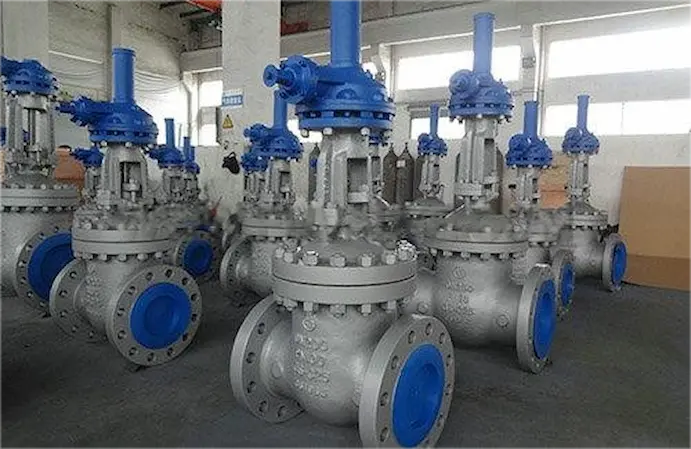
Coating technologies, such as epoxy coatings, ceramic coatings, and fluoropolymer coatings, provide a barrier against scale formation. These coatings are designed to resist corrosion, abrasion, and mineral buildup, ensuring that the gate valve operates smoothly even in harsh conditions.
At Vcore Valve, we offer coating solutions that help extend the lifespan of gate valves and maintain optimal performance. Our advanced coatings are designed to resist the most aggressive conditions and prevent the formation of scale and corrosion.
2. Regular Inspection and Maintenance
While coatings can significantly reduce scaling, regular inspection and maintenance are essential to ensure long-term valve performance. Conducting periodic checks and cleaning of gate valves ensures that any buildup of scale is detected early and addressed before it causes significant damage.
3. Optimising Fluid Chemistry
In systems where scaling is a recurring problem, it’s important to optimise the fluid chemistry. Water treatment or adding chemical inhibitors can help reduce the mineral content in the water, limiting the chances of scale buildup on gate valves. Integrating coated valves with chemical inhibitors enhances their ability to resist scaling.
Case Study
A petrochemical plant using gate valves in a high-sulfur environment faced significant issues with scaling, leading to increased maintenance costs and downtime. After applying a high-performance coating to their gate valves, the plant saw a marked reduction in scale buildup. This resulted in fewer maintenance interventions, increased operational efficiency, and an extended valve lifespan.
Data Analysis
| Valve Type | Coating Options | Advantages | Best Use Case |
|---|---|---|---|
| Gate Valves | Epoxy, Ceramic, Fluoropolymer Coatings | Resists scale, corrosion, and abrasion | Water treatment, oil and gas, chemical plants |
| Ball Valves | Stainless Steel Coatings | Corrosion resistance, smooth operation | High-pressure gas pipelines, refineries |
| Globe Valves | Teflon, PTFE Coatings | High resistance to harsh chemicals and wear | Chemical processing, high-flow applications |
This table highlights different coating options for valves, their advantages, and the most common use cases where coatings are particularly beneficial.
Trends
1. Growth in Coating Technologies
The demand for advanced coating technologies is growing across various industries, particularly in water treatment, oil and gas, and chemicals. These coatings are expected to become more durable and cost-effective, with new materials offering even better resistance to scale and corrosion.
2. Automation in Valve Monitoring
With the rise of IoT and smart sensors, valve monitoring systems are being integrated into gate valves to detect early signs of scaling and wear. Automated systems can monitor fluid quality, valve operation, and coating integrity in real-time, providing operators with valuable insights to prevent scaling before it becomes a serious issue.
3. Sustainability and Eco-friendly Coatings
As industries move towards more sustainable practices, eco-friendly coatings that are non-toxic and less harmful to the environment are gaining popularity. These coatings not only protect valves from scaling but also reduce the environmental impact of valve production and maintenance.
Usage Advice
When choosing coated gate valves, consider the following factors:
1. Select the Right Coating for the Application
Different coatings offer varying levels of protection depending on the specific fluid and environmental conditions. For example, ceramic coatings are ideal for abrasive environments, while epoxy coatings are better suited for corrosive or high-humidity conditions.
2. Regular Cleaning and Monitoring
While coatings provide excellent protection, it’s important to conduct regular inspections and cleanings to ensure the valve is operating at optimal efficiency. This helps identify any potential issues before they escalate.
3. Choose a Reliable Supplier
Work with a reputable supplier that offers coated valves and understands your industry’s unique needs. At Vcore Valve, we provide tailored valve solutions that include advanced coatings and long-lasting protection for a wide range of applications.
Conclusion
Scaling on gate valves is a significant challenge in various industries, but it can be effectively prevented through the use of high-performance coatings. By selecting the right coatings, maintaining regular inspections, and optimising fluid chemistry, you can ensure that your gate valves perform reliably, reduce downtime, and extend their service life.
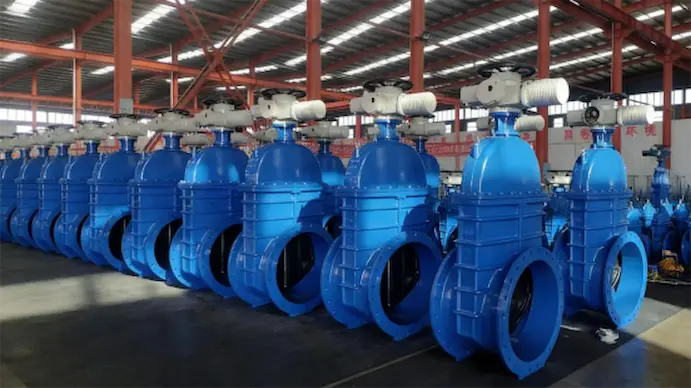
At Vcore Valve, we provide coating solutions that protect gate valves and enhance their performance in even the most demanding environments. Whether you need epoxy, ceramic, or fluoropolymer coatings, our products are designed to meet the highest industry standards and provide long-term protection.
FAQs
1. What causes scaling on gate valves?
Scaling is caused by the accumulation of minerals, particularly calcium and magnesium, in fluids like water, which then form deposits on the valve surface.
2. How do coatings prevent scaling on gate valves?
Coatings create a protective layer that prevents minerals from adhering to the valve surface, thereby reducing the risk of scale buildup.
3. Are coated gate valves more expensive?
Coated gate valves can be more expensive initially, but they provide significant cost savings in the long term by reducing maintenance needs and extending valve lifespan.
4. How often should gate valves be inspected for scaling?
Valves should be inspected regularly, at least annually, to detect any signs of scaling or wear that could affect performance.
5. Can coatings be applied to any type of valve?
Yes, coatings can be applied to most valve types, including gate valves, ball valves, and globe valves, depending on the application and fluid conditions.
Reference
-
Advanced Valve Coating Technologies – Valve World Magazine
-
Water Treatment Valve Solutions – Industrial Automation
-
Coatings for Corrosion Resistance – Materials Engineering Journal