Key Product Features
- Reduces higher inlet pressure to a lower downstream pressure
- Helps maintain more stable outlet pressure under changing flow conditions
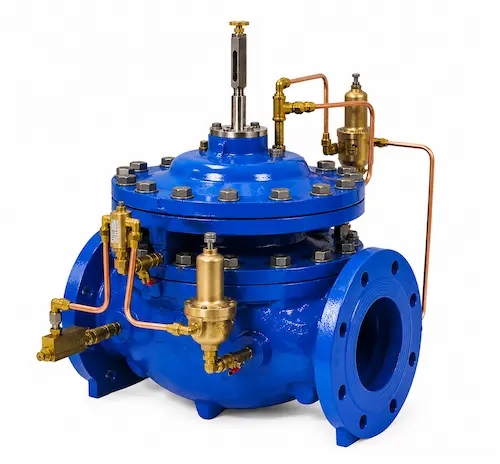
- Direct-acting or pilot-operated design available by application requirement
- Suitable for water, steam, compressed air and selected industrial fluids
- Flanged, threaded or project-specific end connections
- Adjustable downstream pressure setting according to selected model
- Carbon steel, stainless steel, cast iron, ductile iron or bronze material options
- Pressure gauge, bypass line and strainer can be configured when required
Product Configuration
| Configuration Item | Common Configuration | Project Options |
|---|---|---|
| Valve Type | Pressure reducing valve | Direct-acting or pilot-operated pressure reducing valve |
| Primary Function | Downstream pressure reduction and regulation | Water, steam, air or industrial utility pressure control |
| Body Material | Cast iron, ductile iron or carbon steel | Stainless steel, bronze or project-specified material |
| End Connection | Flanged or threaded | Welded or project-specific connection when required |
| Pressure Adjustment | Adjustable outlet pressure setting | Spring range or pilot setting according to selected model |
| Accessories | Pressure gauge connection | Strainer, bypass valve, pressure gauge, pilot line or isolation valves |
Technical Specifications
| Specification Item | Typical / Available Options |
|---|---|
| Product Type | Pressure reducing valve / PRV valve |
| Primary Function | Reduces inlet pressure and regulates downstream pressure |
| Valve Design | Direct-acting, pilot-operated, diaphragm type or piston type according to selected model |
| Size Range | According to selected product series and approved drawing |
| Pressure Rating | According to body material, end connection, temperature and project specification |
| Inlet Pressure | Confirmed according to system design pressure and selected model |
| Outlet Pressure | Set according to required downstream pressure range |
| Body Material | Cast iron, ductile iron, carbon steel, stainless steel, bronze or project-specified material |
| Seal / Diaphragm Material | EPDM, NBR, PTFE, stainless steel or project-specific sealing material |
| End Connection | Flanged, threaded or project-specific connection |
| Typical Media | Water, steam, compressed air, utility gas and selected industrial fluids |
| Testing Reference | According to approved inspection specification and selected product standard where applicable |
Technical note: Do not publish fixed inlet pressure, outlet pressure range, flow capacity, temperature range or standard compliance until the selected PRV model, spring range, pilot design, material list and project specification are confirmed.
How a Pressure Reducing Valve Works
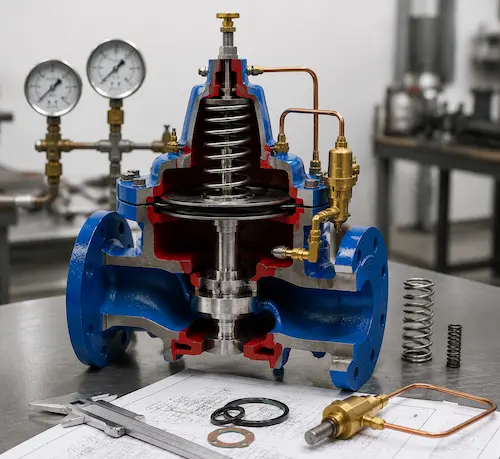
A pressure reducing valve senses downstream pressure and adjusts the valve opening to maintain the required outlet pressure. When downstream pressure rises above the set value, the valve tends to close. When downstream pressure drops below the set value, the valve opens further to allow more flow.
The actual pressure stability depends on valve sizing, flow variation, inlet pressure fluctuation, medium condition and installation layout. A PRV should be selected by operating data, not only by pipe size.
Direct-Acting vs Pilot-Operated Pressure Reducing Valve
| Design Type | Main Advantage | Typical Use |
|---|---|---|
| Direct-Acting PRV | Simple structure and compact installation | Small to medium flow, water, air and utility service |
| Pilot-Operated PRV | Better pressure control for larger flow or variable demand | Water distribution, steam systems and large industrial pipelines |
| Diaphragm Type | Sensitive pressure response for many water and utility systems | Building water, HVAC and general pressure control |
| Piston Type | Robust structure for selected higher-pressure service | Steam, compressed air and industrial pressure reduction after review |
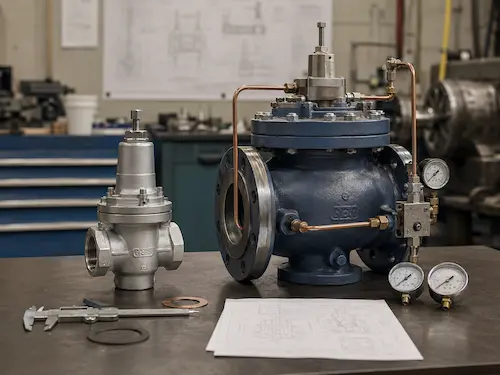
Pressure Reducing Valve vs Pressure Relief Valve
A pressure reducing valve and a pressure relief valve are often confused, but they serve different functions. A PRV controls downstream pressure during normal operation. A relief valve protects the system by opening when pressure exceeds a set limit.
| Comparison Item | Pressure Reducing Valve | Pressure Relief Valve |
|---|---|---|
| Main Function | Reduces and regulates downstream pressure | Releases excess pressure for system protection |
| Normal Position | Modulates during normal operation | Normally closed until overpressure occurs |
| Controlled Side | Downstream pressure | Upstream or protected system pressure |
| Typical Use | Water supply, steam pressure reduction, compressed air, utility lines | Boilers, pressure vessels, pump discharge protection and safety systems |
 Typical Applications
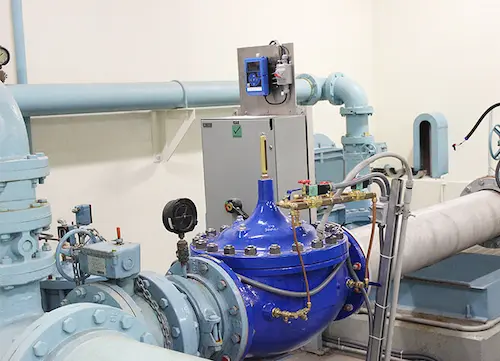 Typical Applications
Pressure reducing valves are selected where downstream equipment or pipelines require lower and more stable pressure than the upstream supply. Common service areas include:
- Industrial water supply pressure control
- Building and municipal water distribution systems
- Steam pressure reduction stations
- Compressed air pressure control
- HVAC chilled water and hot water systems
- Fire protection and pump discharge pressure management after system review
- Process utility lines in chemical and manufacturing plants
- Equipment protection where downstream pressure must be limited
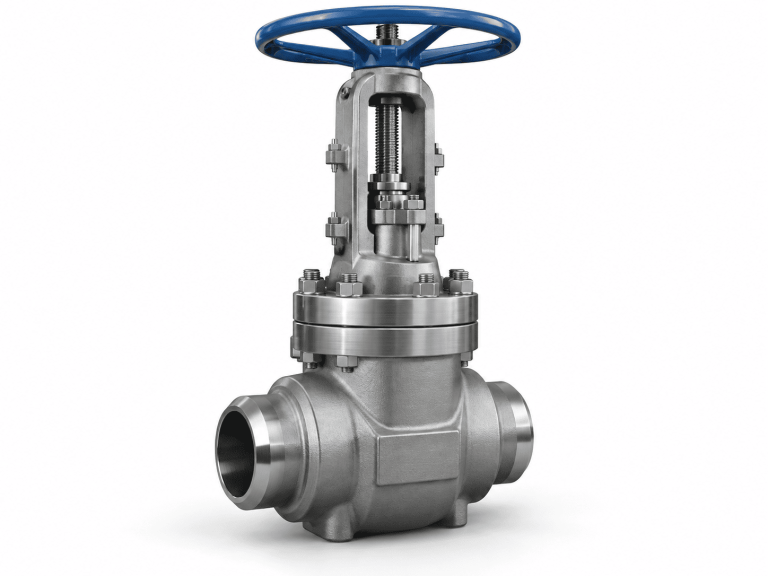
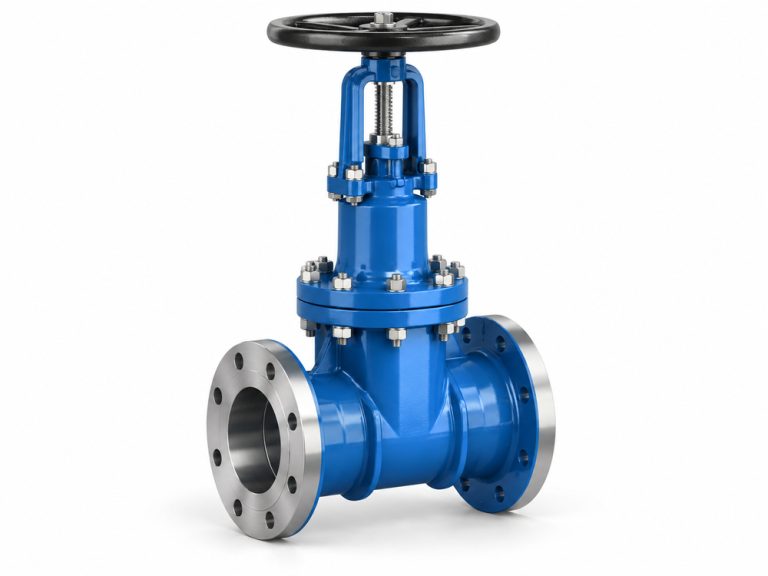
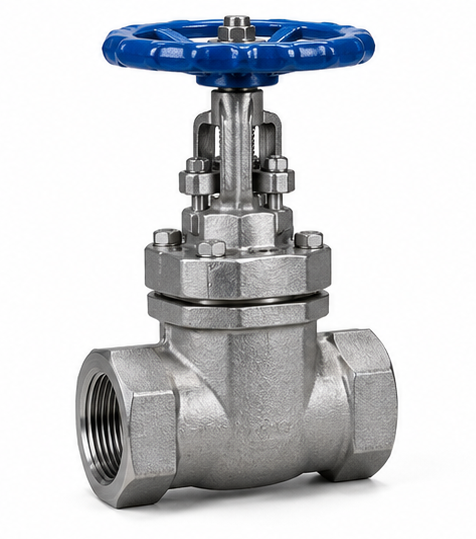
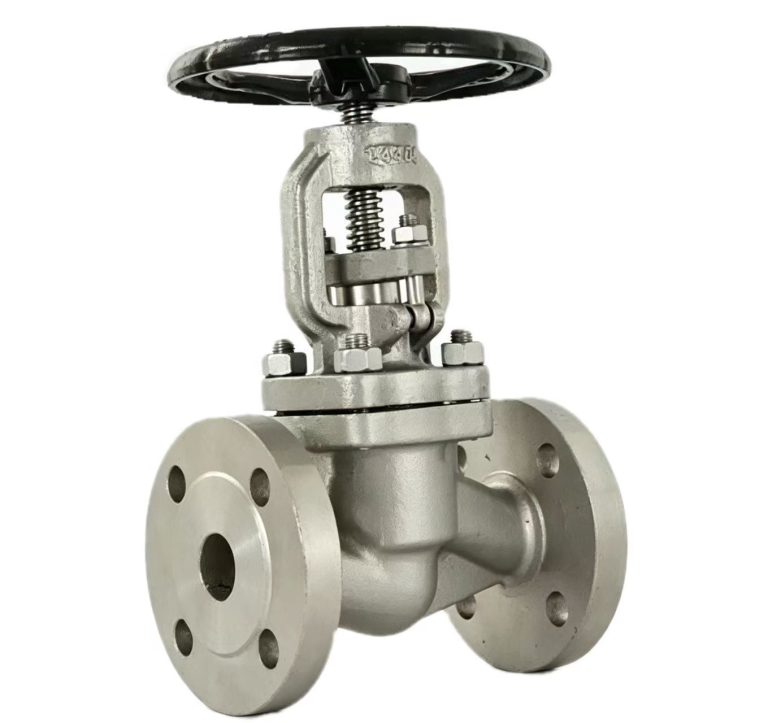
For broader automation and pressure control products, review the Control Valve category. For shut-off isolation around pressure reducing stations, see the Ball Valve category and Gate Valve category.
Application Limits
- A pressure reducing valve is not a pressure relief valve or safety valve.
- It does not guarantee perfectly constant pressure under all flow conditions.
- Oversized PRVs may cause unstable control, vibration or pressure hunting.
- Undersized PRVs may create excessive pressure drop and flow restriction.
- Dirty media may block small passages, pilots or sensing lines.
- Steam service requires correct material, drainage, strainer and installation review.
- Cavitation, flashing, noise or high differential pressure must be reviewed before selection.
- Pressure gauges and isolation valves are recommended for commissioning and maintenance.
Inspection and Documentation
| Inspection / Document | Purpose |
|---|---|
| Material Test Certificate | Confirms pressure-containing and wetted component materials when required. |
| Dimensional Inspection | Checks end connection, face-to-face length, body marking and connection dimensions. |
| Shell Pressure Test | Verifies pressure-containing body integrity. |
| Seat Leakage Test | Checks shutoff performance under agreed test condition where applicable. |
| Pressure Adjustment Test | Verifies outlet pressure setting and adjustment response within agreed test condition. |
| Functional Test | Checks valve response, pilot function, diaphragm movement or piston operation when applicable. |
| Final Data Book | Collects drawings, MTCs, inspection records, pressure test reports and certificates. |
Export packing should protect flange faces, threaded ends, pilot tubing, diaphragm housing, adjustment screw, pressure gauge connections and machined sealing surfaces. PRVs can be packed with port covers, moisture-resistant wrapping, foam separation and reinforced plywood cases according to valve size and shipment method.
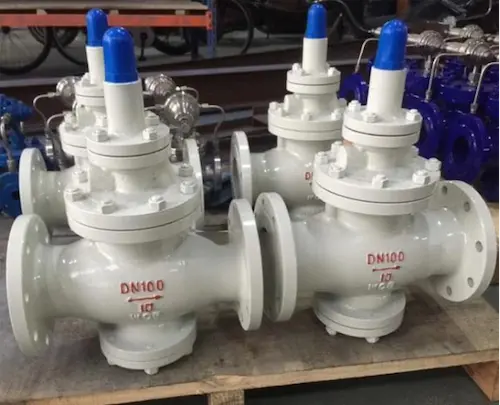
Information Required for Valve Selection
- Valve size and quantity
- Medium: water, steam, compressed air, gas or industrial fluid
- Minimum, normal and maximum inlet pressure
- Required downstream outlet pressure
- Minimum, normal and maximum flow rate
- Operating temperature and design temperature
- Pipe connection type and pressure rating
- Direct-acting or pilot-operated preference if specified
- Body, trim, seal and diaphragm material requirement
- Installation direction, available space and bypass requirement
- Pressure gauge, strainer, isolation valve or control accessory requirement
- Testing, documentation or third-party inspection requirement
FAQ
What is a pressure reducing valve used for?
A pressure reducing valve is used to reduce higher inlet pressure to a lower downstream pressure and help maintain stable pressure for downstream pipelines or equipment.
Is a pressure reducing valve the same as a pressure relief valve?
No. A pressure reducing valve regulates downstream pressure during normal operation. A pressure relief valve opens to discharge excess pressure when system pressure exceeds a set limit.
What is the difference between direct-acting and pilot-operated PRV?
A direct-acting PRV has a simpler structure and is often used for smaller flow or utility systems. A pilot-operated PRV is usually selected for larger flow, higher accuracy or more variable demand conditions.
Can a PRV keep outlet pressure completely constant?
No valve can guarantee perfectly constant pressure under all conditions. Outlet pressure stability depends on valve sizing, flow variation, inlet pressure, medium condition and installation design.
What information is needed for quotation?
For quotation, provide valve size, medium, inlet pressure, outlet pressure, flow rate, temperature, connection type, body material, direct-acting or pilot-operated requirement and inspection requirements.