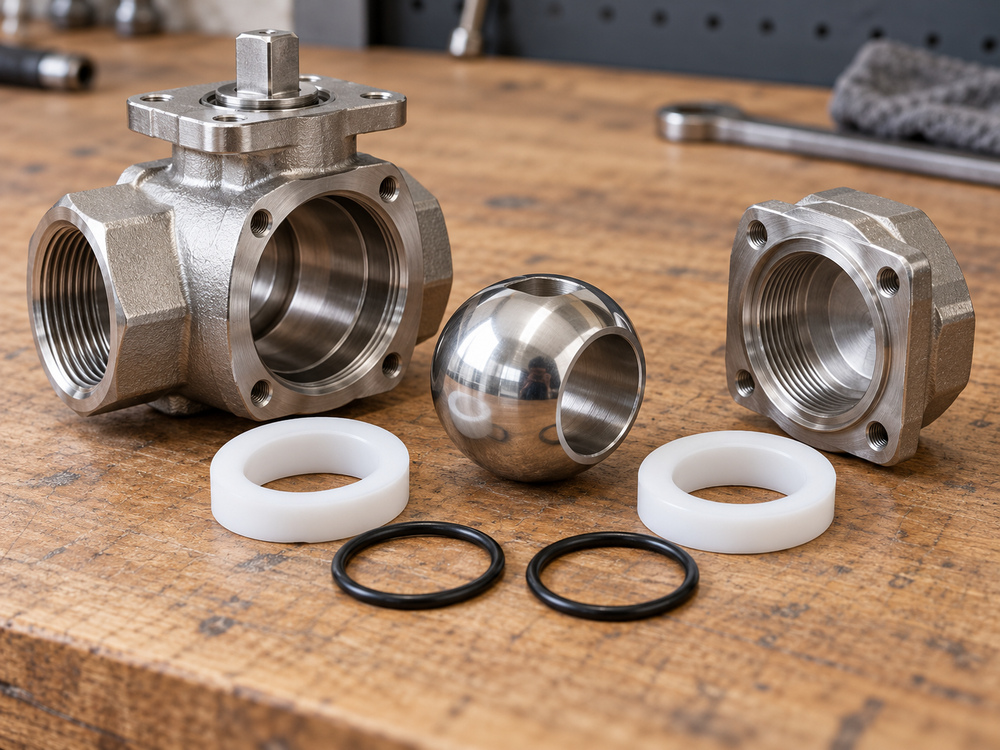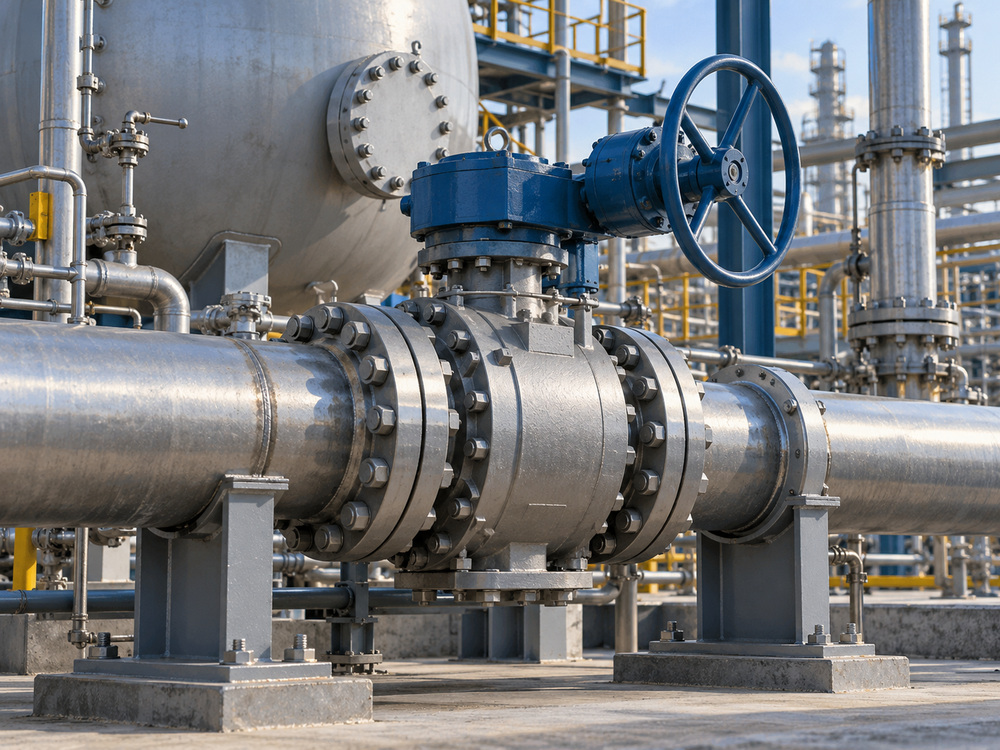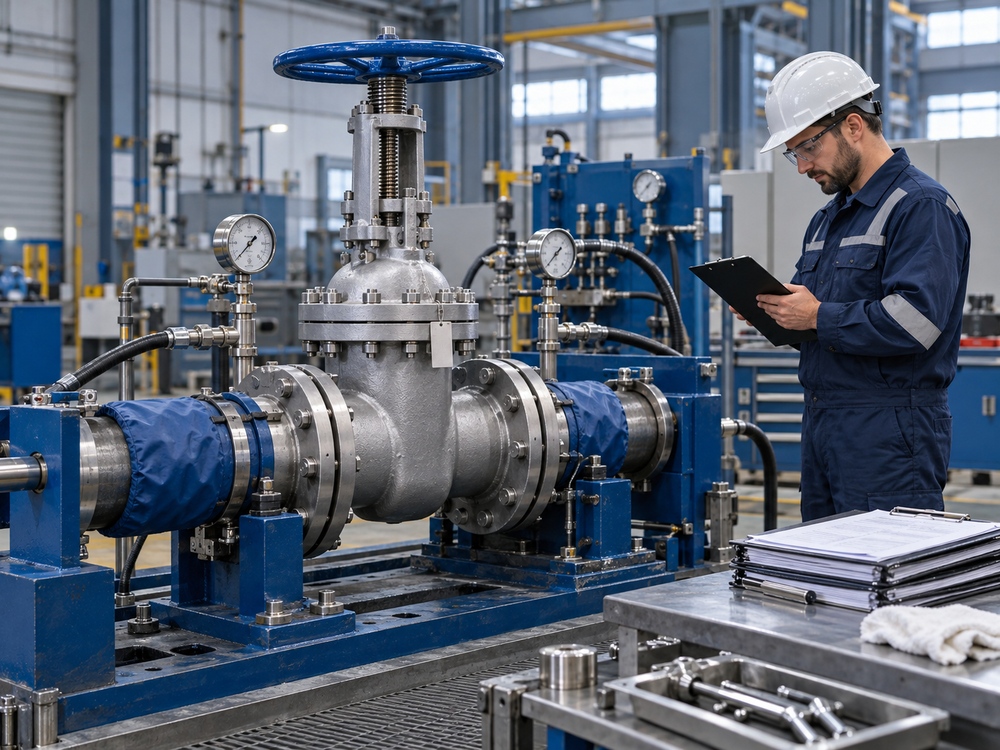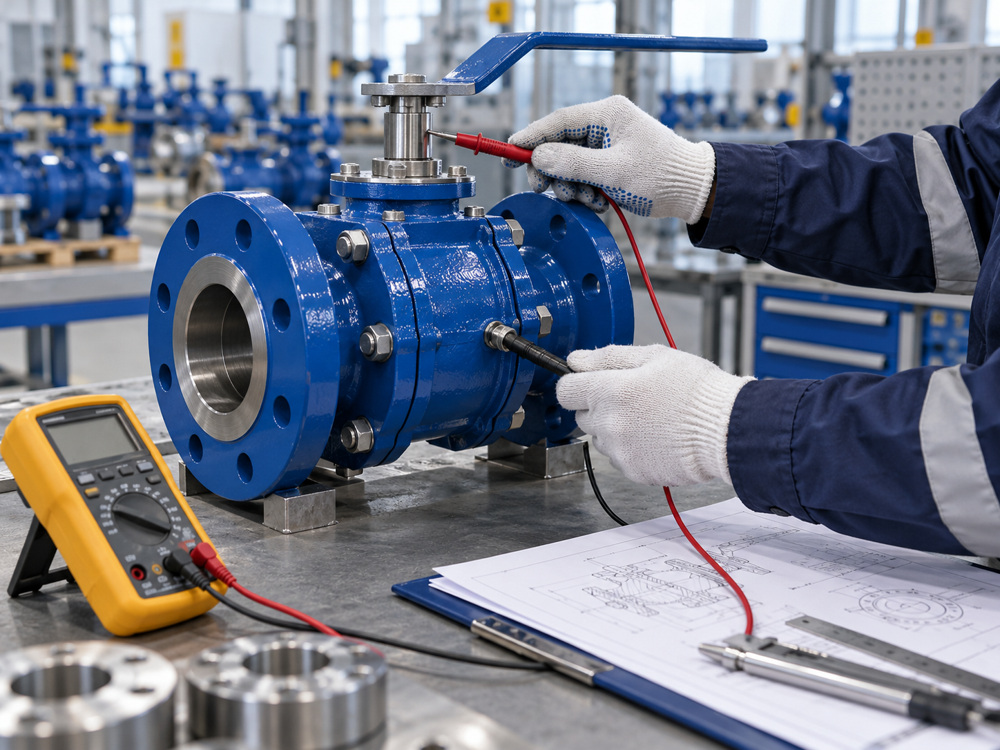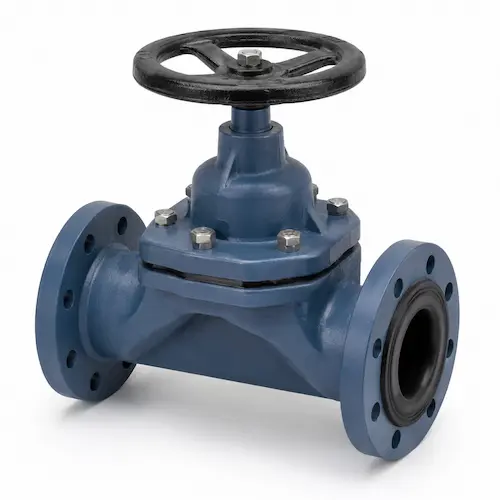
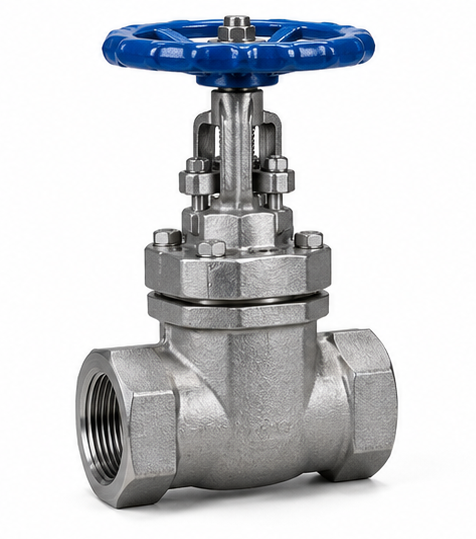
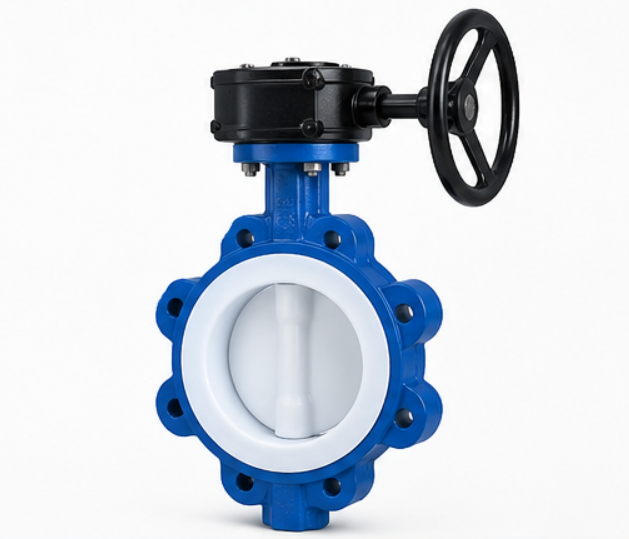
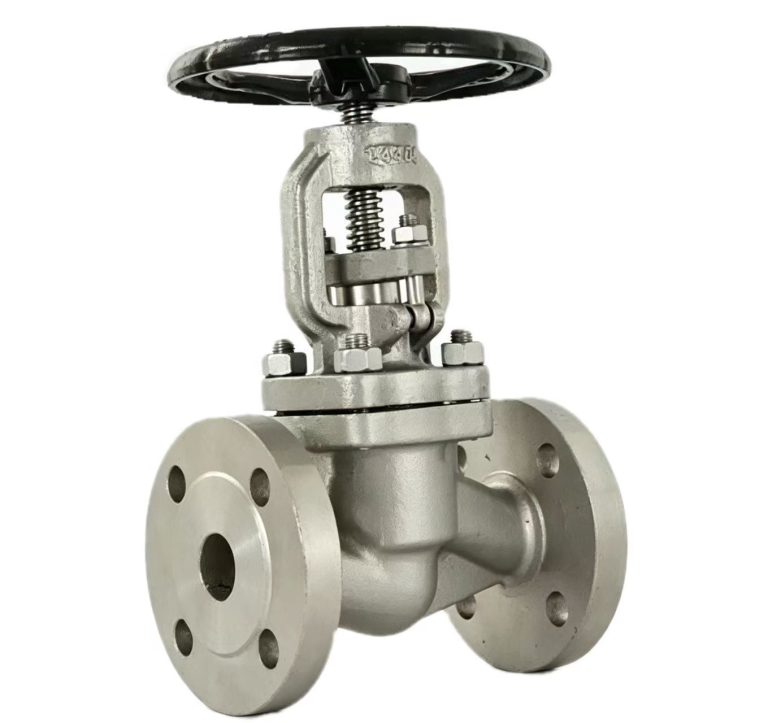
This valve is commonly used in chemical processing, water treatment, wastewater, mining auxiliary lines, fertilizer, acid and alkali transfer, seawater systems and other services where metal body corrosion or media contamination must be controlled. The correct lining and diaphragm material should be selected according to medium concentration, temperature, pressure, solids content and operating cycle.
Key Product Features
- Rubber lining protects the valve body from corrosive or abrasive media
- Diaphragm sealing design isolates the stem and bonnet from the process fluid
- Suitable for corrosive, contaminated, viscous or selected slurry media
- Weir type or straight-through type available according to service condition
- Manual handwheel, pneumatic actuator or electric actuator options
- EPDM, natural rubber, NBR, neoprene, butyl or project-specific lining options
- Flanged, threaded or project-specific connection according to selected model
- Suitable for chemical processing, water treatment, wastewater and industrial utility systems
Product Configuration
| Configuration Item | Common Configuration | Project Options |
|---|---|---|
| Valve Type | Rubber lined diaphragm valve | Weir type or straight-through type |
| Main Function | Shut-off and media isolation | Corrosive, contaminated or selected slurry service |
| Body Material | Cast iron, ductile iron or carbon steel body with rubber lining | Stainless steel or project-specified body material |
| Lining Material | EPDM, natural rubber or NBR | Neoprene, butyl or special rubber lining according to medium |
| Diaphragm Material | EPDM, NBR or natural rubber | PTFE-backed or special diaphragm material where applicable |
| Operation | Manual handwheel | Pneumatic actuator, electric actuator or position feedback accessory |
| End Connection | Flanged connection | Threaded or project-specific connection when required |
Technical Specifications
| Specification Item | Typical / Available Options |
|---|---|
| Product Type | Rubber lined diaphragm valve |
| Valve Design | Weir type, straight-through type or project-specific diaphragm valve design |
| Size Range | According to selected product series and approved drawing |
| Pressure Rating | According to body design, lining material, diaphragm material and project specification |
| Body Material | Cast iron, ductile iron, carbon steel, stainless steel or project-specified material |
| Lining Options | EPDM, natural rubber, NBR, neoprene, butyl or selected rubber lining |
| Diaphragm Options | Rubber diaphragm, reinforced diaphragm or selected diaphragm material |
| Operation | Manual, pneumatic or electric operation |
| Typical Media | Chemical solution, wastewater, seawater, acid, alkali, slurry and contaminated fluid after material review |
| Testing Reference | According to approved inspection specification and selected product standard where applicable |
Technical note: Do not publish fixed pressure, temperature, chemical compatibility or service life claims until the medium, concentration, temperature, solids content, lining material and diaphragm material are confirmed.
How a Rubber Lined Diaphragm Valve Works
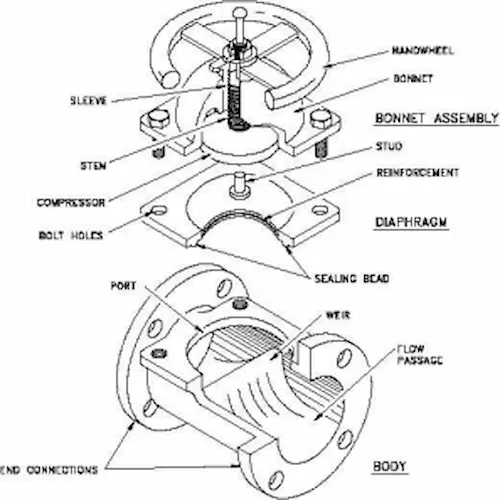
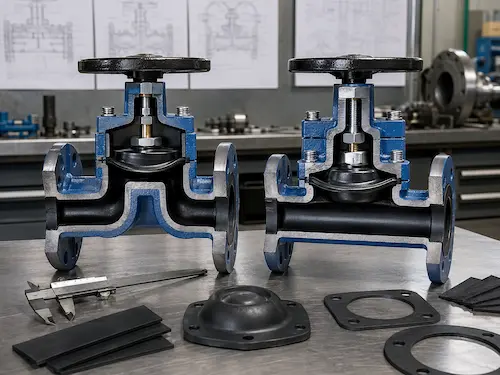
A diaphragm valve uses a flexible diaphragm to press against the valve body seat or weir to stop flow. When the handwheel or actuator moves the compressor downward, the diaphragm closes against the sealing area. When the compressor lifts, the diaphragm opens and allows flow through the valve body.
In a rubber lined diaphragm valve, the process medium contacts the rubber lining and diaphragm instead of directly contacting the metal body and stem area. This makes the valve useful for corrosive or contaminated media where body protection and media isolation are important.
Weir Type vs Straight-Through Diaphragm Valve
| Design Type | Main Advantage | Typical Use |
|---|---|---|
| Weir Type Diaphragm Valve | Short diaphragm travel and good sealing control | Chemical dosing, water treatment, corrosive liquid and general isolation service |
| Straight-Through Diaphragm Valve | Straighter flow path and better handling of viscous or slurry-like media | Wastewater, slurry, contaminated media and process lines with higher solids content after review |
Rubber Lined Diaphragm Valve vs Other Rubber Lined Valves
Rubber lined diaphragm valves are different from rubber lined butterfly valves, rubber lined ball valves and rubber lined knife gate valves. A diaphragm valve is selected when stem isolation, body protection and clean separation between the medium and bonnet area are important. A butterfly valve is often selected for compact pipeline shut-off. A knife gate valve is more common for heavy slurry discharge and large solids handling.
For related lined valve options, review the Rubber-lined Valve category, Rubber Lined Ball Valve, and Rubber Lined Flanged Butterfly Valve.
 Typical Applications
 Typical Applications
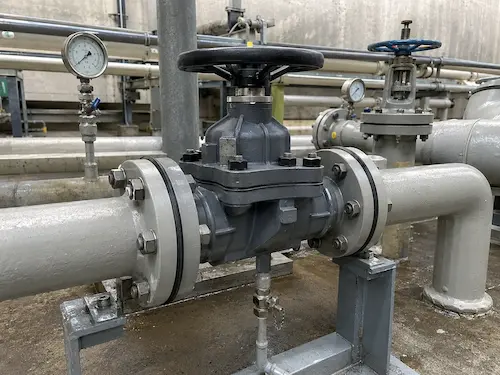
- Chemical processing pipelines
- Acid and alkali transfer lines after material compatibility review
- Water treatment and wastewater systems
- Seawater and brine service
- Fertilizer and phosphate processing auxiliary lines
- Mining slurry and tailings auxiliary pipelines after abrasion review
- Contaminated media isolation
- Industrial process lines where stem isolation is required
For chemical valve selection guidance, see Industrial Valves for Chemical Processing. For acid and alkali pipeline selection, see Corrosion-Resistant Valves for Acid and Alkali Pipelines.
Application Limits
- Not recommended for high-temperature steam service unless the selected diaphragm and lining material are specifically approved.
- Not suitable for severe high-pressure service beyond the selected valve design limit.
- Not recommended for sharp, highly abrasive particles that may cut or damage the diaphragm.
- Continuous throttling under high pressure differential may reduce diaphragm life.
- Chemical compatibility must be confirmed before selection.
- Vacuum service requires special review of lining adhesion and valve structure.
- Diaphragm replacement intervals depend on medium, cycling frequency, temperature and pressure conditions.
- Wrong lining material selection may cause swelling, cracking, hardening or premature failure.
Inspection and Documentation
| Inspection / Document | Purpose |
|---|---|
| Material Test Certificate | Confirms pressure-containing body material when required. |
| Lining Inspection | Checks rubber lining coverage, bonding condition, surface defects and exposed metal risk. |
| Diaphragm Inspection | Checks diaphragm material, reinforcement, surface condition and sealing area. |
| Dimensional Inspection | Checks face-to-face dimension, flange drilling, connection size and body marking. |
| Shell Pressure Test | Verifies pressure-containing body integrity under agreed test condition. |
| Seat Leakage Test | Checks shut-off performance according to agreed inspection requirement. |
| Functional Test | Checks handwheel operation, actuator movement, diaphragm travel and closing response. |
| Final Data Book | Collects drawings, certificates, inspection records, pressure test reports and packing documents. |
Export packing should protect flange faces, rubber lining edges, diaphragm sealing surfaces, handwheel, actuator mounting area and machined connection surfaces. Valves can be packed with flange covers, moisture-resistant wrapping, foam separation and reinforced plywood cases according to size and shipment method.
Information Required for Valve Selection
- Valve size and quantity
- Medium name, concentration and chemical composition
- Solids content, particle size and abrasion level
- Operating pressure and design pressure
- Operating temperature and design temperature
- Required lining material and diaphragm material if specified
- Weir type or straight-through type preference
- Connection standard and face-to-face requirement
- Manual, pneumatic or electric operation requirement
- Installation position and flow direction requirement
- Testing, documentation and third-party inspection requirement
FAQ
What is a rubber lined diaphragm valve used for?
A rubber lined diaphragm valve is used for shut-off and media isolation in corrosive, contaminated or selected slurry pipeline service where the valve body and stem area need protection from the process medium.
What is the advantage of a diaphragm valve?
The diaphragm separates the process medium from the bonnet and stem area. This helps reduce contamination risk and protects the operating mechanism from corrosive or dirty media.
What is the difference between weir type and straight-through type diaphragm valve?
A weir type diaphragm valve has a raised sealing weir and shorter diaphragm travel. A straight-through type has a straighter flow path and is often considered for viscous, contaminated or slurry-like media after review.
Which rubber lining material should be selected?
Lining material should be selected according to medium, concentration, temperature, pressure and solids content. EPDM, natural rubber, NBR, neoprene, butyl or other materials may be selected for different applications.
Can rubber lined diaphragm valves be used for throttling?
They may be used for limited flow adjustment in some services, but continuous throttling under high pressure differential can shorten diaphragm life. A control valve should be reviewed for demanding regulating service.