Quick Overview
In the sugar industry, the importance of selecting the right valves cannot be overstated. Valves play a critical role in ensuring smooth operations, controlling the flow of liquids and gases, and maintaining safety across various stages of sugar processing. This article explores the types of valves that are most commonly used in sugar production, their applications, and the factors that should be considered when choosing the right valve for your system.
Introduction: Why Valves Matter in the Sugar Industry
The sugar industry involves multiple stages, from crushing raw sugarcane or sugar beets to refining the final sugar product. Each of these stages requires precise control over the flow of liquids, gases, and even steam. As such, the role of valves is crucial in ensuring that the process runs efficiently, safely, and without interruption. From regulating the steam pressure in evaporators to controlling syrup flow in crystallisers, the right valve can significantly improve productivity and reduce downtime.
In this guide, we’ll explore the different types of valves used in sugar mills, their applications, and the benefits of choosing high-quality valves from Vcore Valve.
Pain Points in Sugar Industry Valve Applications
1. Corrosion in Harsh Environments
The high moisture and sugar content in the processing environment can cause significant corrosion issues for valves, leading to premature wear and leakage.
2. Inconsistent Flow Control
Sugar syrup requires precise flow control, and a valve that cannot maintain consistent flow can cause inconsistencies in the final product quality.
3. Wear from Abrasive Materials
During the sugarcane crushing and refining stages, valves are exposed to abrasive materials that can cause damage to valve components, reducing their lifespan.
Solutions: Choosing the Right Valve for the Sugar Industry
1. Corrosion-Resistant Valves
For environments where corrosion is a concern, it is essential to use valves made from materials like stainless steel, which offer excellent resistance to both moisture and corrosive elements found in sugar processing.
2. Precision Flow Control Valves
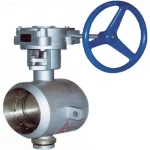
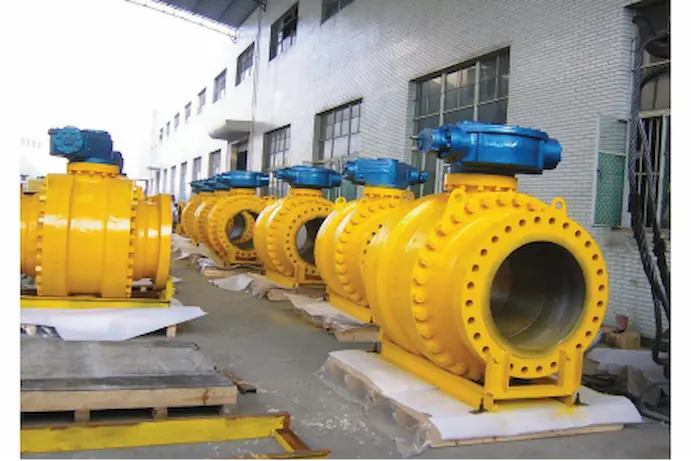
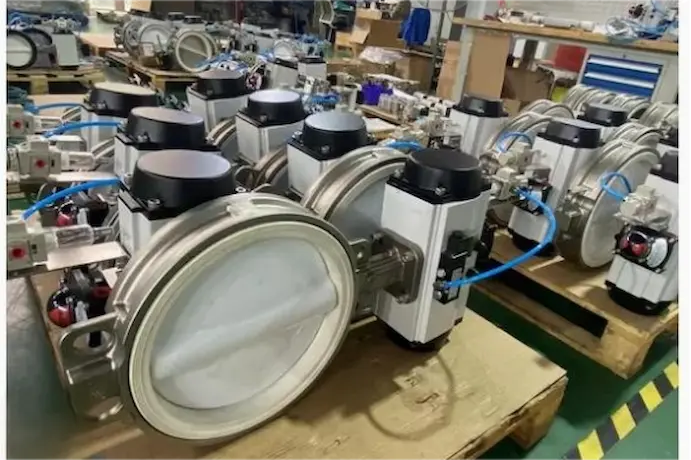
Butterfly valves and ball valves are commonly used in the sugar industry because they allow for precise flow control. These valves can be adjusted to maintain consistent pressure and flow, ensuring that the syrup or liquid is processed at the right rate.
3. Durable and Abrasion-Resistant Valves
Choosing valves made from high-quality materials that resist abrasion, such as hard-coated stainless steel or ceramic, can help increase the longevity of your valves, especially in areas that come into direct contact with abrasive sugarcane fibres.
Case Study: Optimising Valve Usage in a Sugar Mill
At a large sugar mill in South America, the plant experienced significant downtime due to frequent valve failures in their syrup handling lines. After switching to Vcore Valve’s corrosion-resistant and durable butterfly valves, the mill saw a 20% reduction in downtime and a 15% increase in overall system efficiency.
The precise flow control provided by the butterfly valves ensured that the syrup was processed at optimal rates, resulting in a consistent product quality and fewer production delays. Additionally, the corrosion-resistant valves required less maintenance, which further improved the plant’s operational efficiency.
Data Comparison
Here is a comparison of different valve types commonly used in the sugar industry, highlighting their suitability based on corrosion resistance, flow control, and durability:
| Valve Type | Corrosion Resistance | Flow Control | Durability | Ideal Application |
|---|---|---|---|---|
| Ball Valve | High | Excellent | Very High | Syrup flow regulation, steam lines |
| Butterfly Valve | High | Good | High | Liquid flow control, cooling systems |
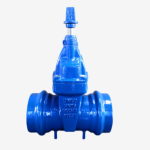
| Gate Valve | Moderate | Moderate | Moderate | Isolated shutoff in large pipes |
| Globe Valve | Moderate | Excellent | Moderate | Precise flow control in smaller pipelines |
Trends Insights
The sugar industry is increasingly relying on automated systems to improve production efficiency, and this trend is influencing valve technology. Digital control systems integrated with valves are becoming more common, allowing for more precise regulation and monitoring of flows and pressures in real-time. The demand for smart valves with IoT connectivity is expected to rise as companies seek greater control over their operations and to reduce human error.
Furthermore, there is a growing trend towards using more sustainable and environmentally friendly materials in valve manufacturing, as the sugar industry faces increasing pressure to reduce its environmental footprint.
Style Suggestions
When selecting valves for your sugar processing system, consider the following:
-
Material Selection: Stainless steel is the preferred material for valves handling corrosive substances, but in highly abrasive areas, you may need hard-coated or ceramic valves to withstand wear.
-
Flow Control Requirements: For systems requiring precise flow regulation, ball valves and butterfly valves are excellent choices.
-
Regular Maintenance: Even the best valves require regular maintenance to ensure long-term performance. Inspect valves periodically for wear and corrosion, especially in high-flow areas or where abrasives are present.
Conclusion
Valves are essential components in the sugar industry, playing a key role in regulating flow and ensuring that the production process runs smoothly. By choosing the right valve – one that offers corrosion resistance, precise flow control, and durability – you can significantly enhance your system’s efficiency, reduce downtime, and improve product quality. To learn more about the best valves for your sugar processing system, contact Vcore Valve today.
FAQs
1. What is the best valve for controlling syrup flow in sugar mills?
Ball valves and butterfly valves are ideal for controlling syrup flow, as they offer precise flow regulation and durability.
2. Why are corrosion-resistant valves important in the sugar industry?
Corrosion-resistant valves help reduce maintenance needs and extend valve lifespan in environments with high moisture and sugar content.
3. Can ball valves handle high-pressure steam in sugar processing?
Yes, ball valves can handle high-pressure steam and are often used in steam lines in sugar mills.
4. What materials are best for valves in sugar mills?
Stainless steel and ceramic-coated valves are ideal for their corrosion resistance and durability in harsh environments.
5. How can I extend the lifespan of valves in sugar processing?
Choosing high-quality, corrosion-resistant, and abrasion-resistant valves and performing regular maintenance can significantly extend valve lifespan.
Reference
-
Butterfly Valves for Liquid Control in Industrial Applications
-
Corrosion-Resistant Valves for Harsh Environments
-
Choosing the Right Valve Materials