Quick Overview
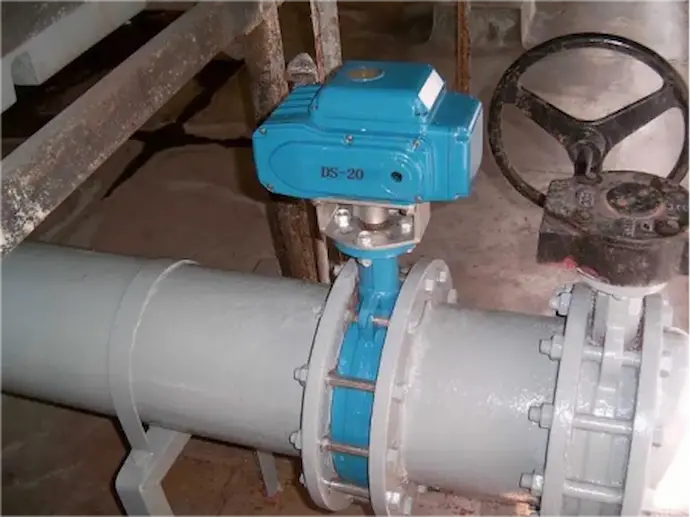
Dry material particles can pose significant challenges to butterfly valves. While butterfly valves are commonly used in many industries, they may not be the best choice when dealing with dry material particles. In this article, we delve into why these valves struggle with dry particles and explore the implications for system performance and longevity.
Opening Dialogue
Imagine running a production line that handles dry powders, such as cement or flour. The system relies on precise flow control, but when dry particles come into contact with butterfly valves, problems arise. Over time, this can lead to severe damage, reducing efficiency and increasing maintenance costs. Let’s look deeper into why butterfly valves aren’t suited for dry material particles and what you can do about it.
User Pain Points
Increased Wear on Valve Components
Butterfly valves are designed to control the flow of liquids and gases, but dry material particles, particularly abrasive ones, can cause excessive wear and tear on the valve’s seals, disc, and stem. This leads to early failure and increased operational costs.
Inconsistent Flow Control
When dry material particles are involved, butterfly valves can struggle to provide a smooth, consistent flow. The particles can cause blockages, disruptions in flow, and inaccurate control, which negatively impacts system performance.
Higher Maintenance Costs
The more frequent wear and tear caused by dry material particles mean more maintenance. This increases downtime and repair costs, affecting productivity and profit margins in industries like mining, cement, and powder processing.
Solutions and Suggestions
Opt for Alternative Valve Types
Consider using valve types better suited for dry material handling, such as rotary valves or screw feeders. These valves provide more effective control of bulk solids and are more durable when handling dry particles.
Use Coated Butterfly Valves
For industries that must use butterfly valves for dry material handling, consider valves with special coatings that provide enhanced resistance to abrasion. These coatings can help extend the life of the valve and reduce wear.
Improve Valve Design for Particle Flow
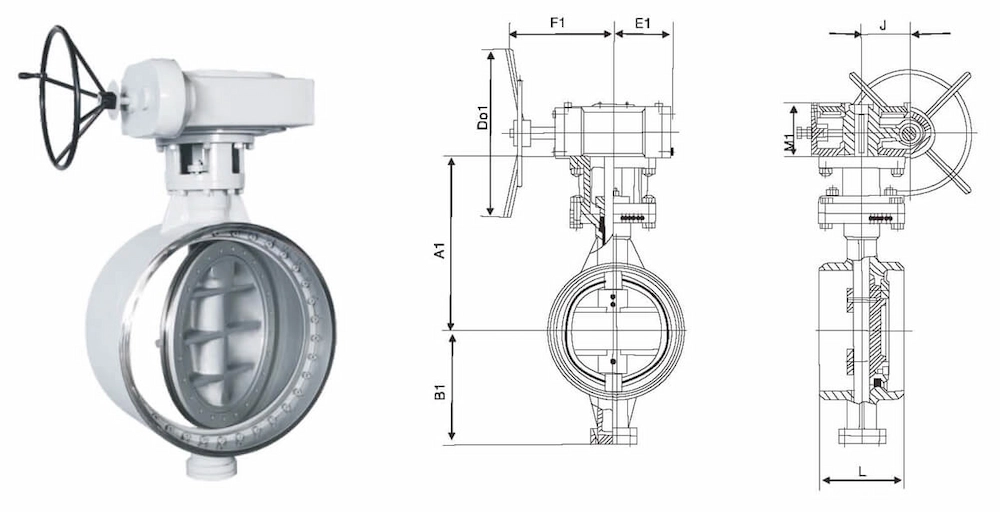
Using butterfly valves with modified designs, such as those with a wider opening or reinforced internals, can help handle dry particles more effectively. These modifications allow for smoother flow and better control over material handling.
Dry Material Handling: Butterfly Valves vs Alternative Valve Types
| Valve Type | Suitability for Dry Material | Suitability for Liquids | Maintenance Frequency | Lifespan | Cost |
|---|---|---|---|---|---|
| Butterfly Valve | Low – Prone to wear, leakage, and clogging | High – Effective for controlling fluid flow | High maintenance due to frequent wear | Shorter lifespan with dry material, longer with liquids | Low to moderate initial cost |
| Screw Feeder | High – Specifically designed for dry materials | Low – Less effective for fluid handling | Low maintenance | Long lifespan with dry materials | Moderate to high cost |
| Rotary Valve | High – Ideal for dry, abrasive materials | Moderate – Can handle some liquids but not ideal | Low maintenance | Long lifespan, especially with dry materials | Moderate to high cost |
| Airlock Valve | High – Works well with bulk solids | Low – Poor performance with liquids | Low maintenance | Long lifespan with dry materials | High cost |
Case Study: Cement Industry – Butterfly Valves vs. Screw Feeders
In the cement industry, the handling of dry material particles like cement powder is crucial. Many cement plants initially use butterfly valves for their flow control needs. However, these valves often face issues with wear, clogging, and inconsistent flow. Switching to screw feeders, which are specifically designed for handling bulk solids, has allowed many plants to significantly reduce downtime and maintenance costs.

Data & Scientific Analysis / Comparison
Several studies have shown that the abrasive nature of dry material particles leads to 30% faster wear on valve components compared to handling liquids. In one case, a butterfly valve handling dry material particles in a cement plant required replacement every 6 months, whereas a properly designed screw feeder could last over 2 years without major issues.
Market Trends and Insights
The trend in material handling is shifting towards more specialized valves and equipment that can handle dry particles more efficiently. Industries like mining and cement are moving towards more robust valve solutions, integrating materials that resist abrasion, and enhancing overall performance.
Style and Usage Recommendations
For those in industries dealing with dry material particles, it’s essential to understand that not all valves are created equal. Butterfly valves can be an excellent choice for fluid handling, but when it comes to dry solids, alternative solutions or enhanced valve designs should be considered for better longevity and performance.
Conclusion
If your company handles dry material particles and relies on butterfly valves, it’s time to assess your valve options. Whether it’s upgrading to coated valves, opting for a different type of valve, or redesigning your system, making the right decision will save you money in the long run. Contact Vcore Valve today for expert advice on selecting the best valve for your needs.
FAQs
1. Can butterfly valves handle all types of materials?
No, butterfly valves are ideal for liquids and gases but struggle with dry, abrasive materials.
2. What are the alternatives to butterfly valves for dry material handling?
Screw feeders, rotary valves, and airlock valves are excellent alternatives for handling dry materials.
3. How do I know if my butterfly valve is worn out due to dry materials?
Signs include leaks, inconsistent flow, and frequent valve failures.
4. Can butterfly valves be modified for dry material handling?
Yes, coating the valves and upgrading the design can help improve their performance with dry materials.
5. What is the lifespan of a butterfly valve handling dry material particles?
The lifespan can be significantly shorter compared to handling liquids. Frequent maintenance may be required.