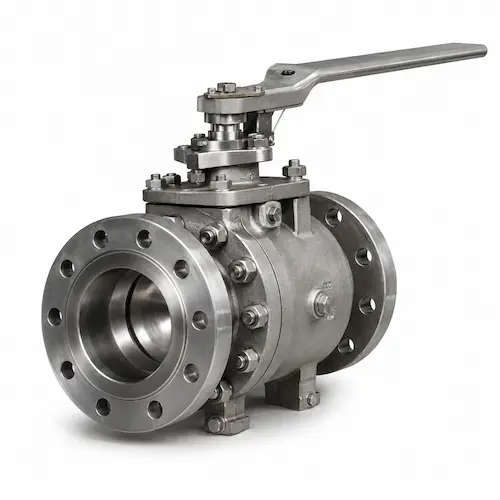
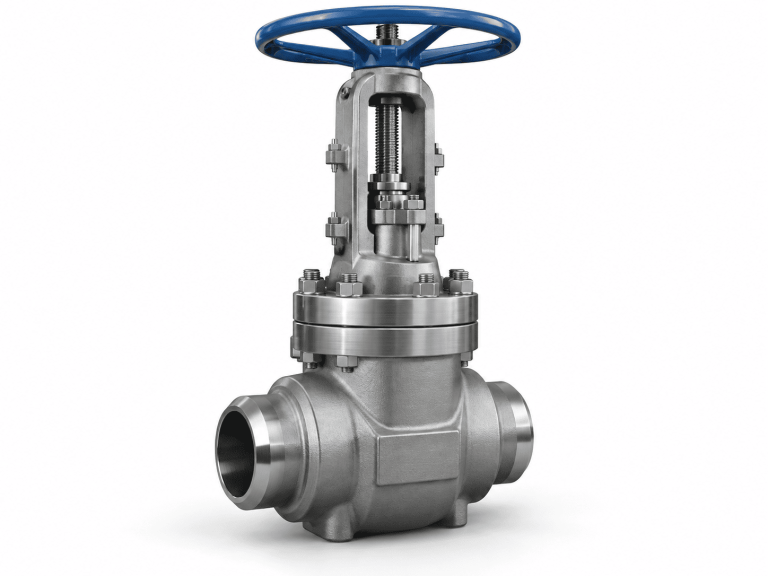
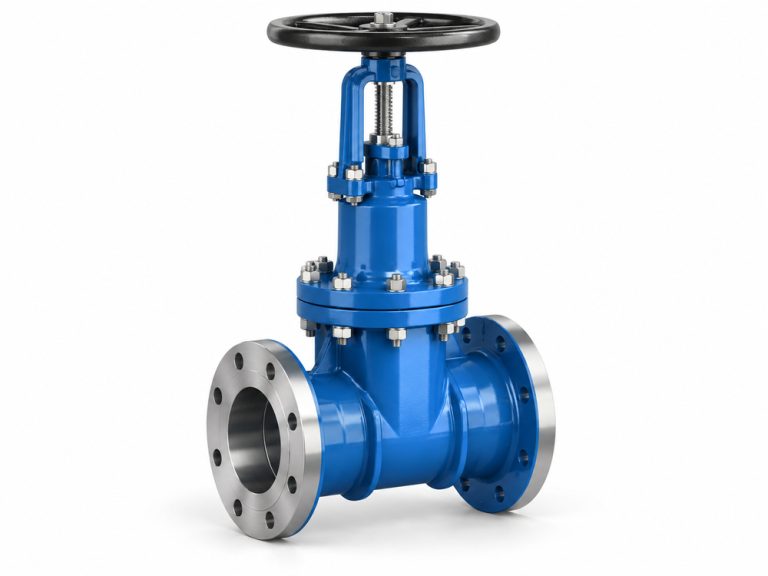
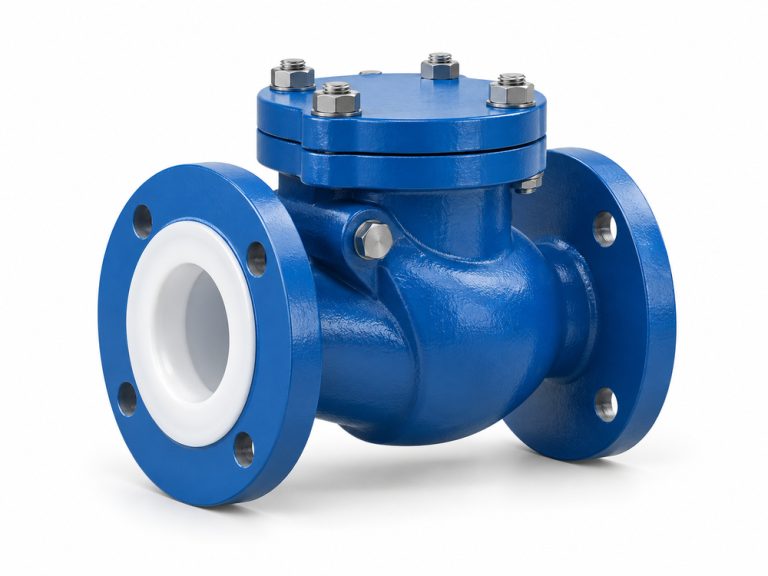
Key Product Features
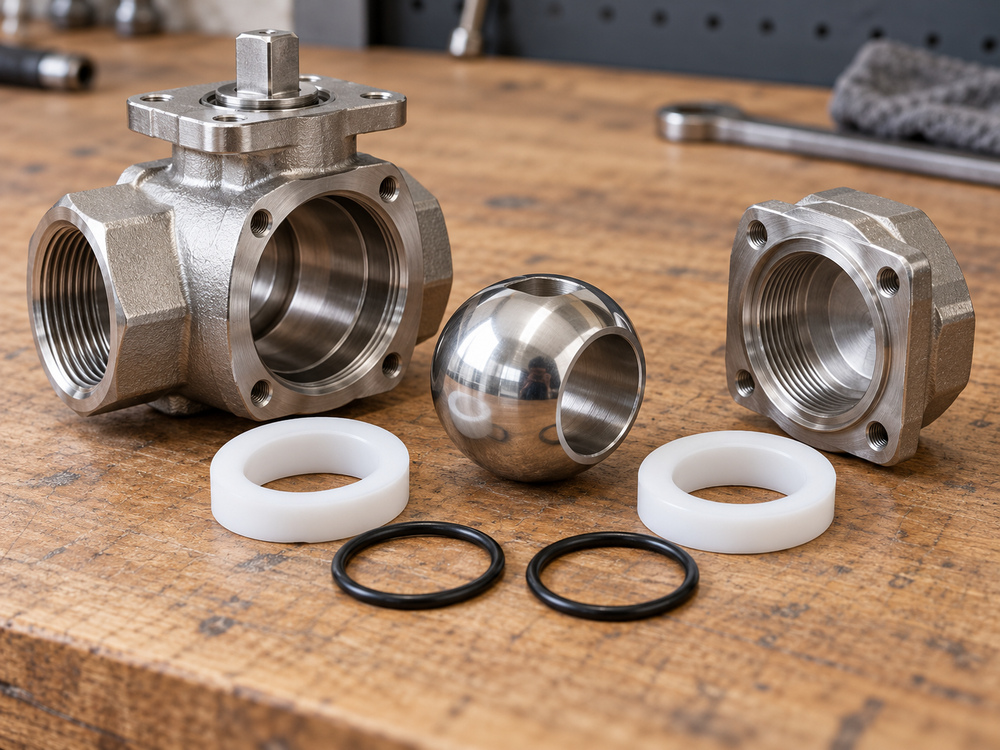
- Fire-safe design available for selected ball valve models
- Secondary metal-to-metal sealing structure after soft seat damage
- Graphite packing and graphite body sealing options
- Blowout-resistant stem construction available by selected design
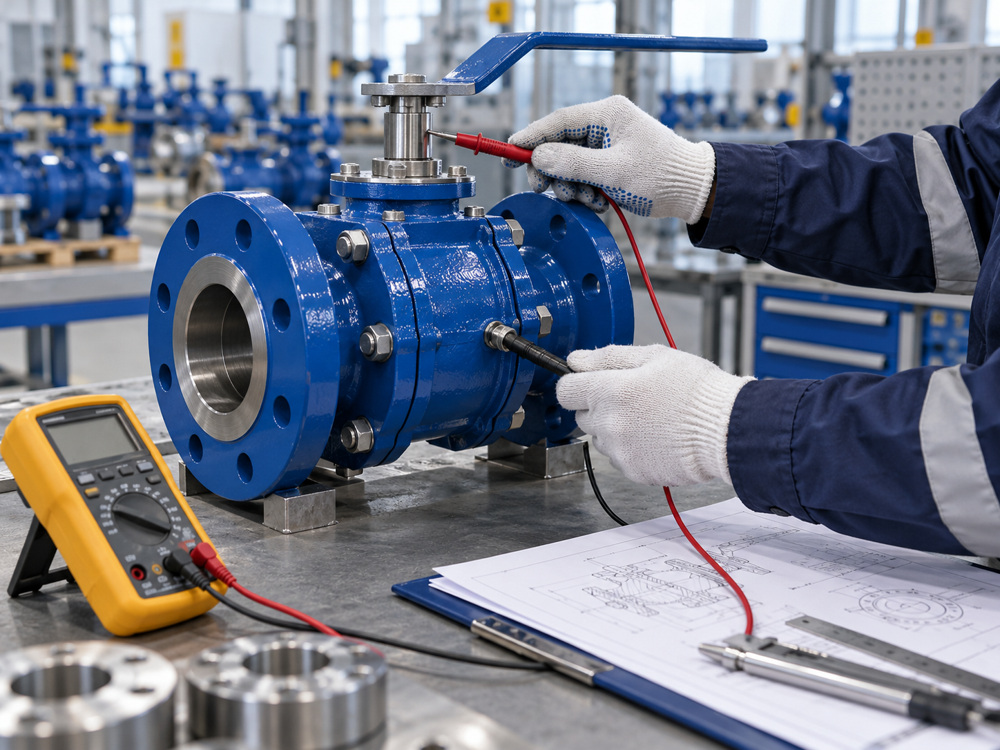
- Anti-static design available for flammable liquid and gas service
- Floating-ball or trunnion-mounted construction according to size and pressure
- Flanged, threaded, socket-weld and butt-weld connection options
- Manual, pneumatic, electric or hydraulic operation
- API 607, API 6FA or ISO 10497 fire test documentation available only when specified and supported by the selected model
Product Configuration
| Configuration Item | Common Configuration | Project Options |
|---|---|---|
| Valve Type | Two-way on-off ball valve | Floating-ball or trunnion-mounted construction |
| Fire-Safe Design | Secondary sealing structure | API 607, API 6FA or ISO 10497 certificate when applicable |
| Primary Seat | PTFE, RPTFE, PEEK or high-performance soft seat | Metal seat for selected severe service |
| Secondary Seal | Metal-to-metal contact design | Project-specific leakage requirement |
| Packing | Graphite or flexible graphite | Low-emission graphite packing system |
| End Connection | Flanged or threaded | Socket weld, butt weld, RTJ flange or project-specific connection |
| Operation | Lever or gearbox | Pneumatic, electric or hydraulic actuator |
Technical Specifications
| Specification Item | Typical / Available Options |
|---|---|
| Product Type | Fire safe ball valve / fire-tested ball valve |
| Primary Function | On-off isolation for flammable, oil, gas, chemical and high-risk service |
| Ball Support | Floating ball or trunnion mounted, depending on size and pressure |
| Body Construction | Two-piece, three-piece, split-body, forged, cast or top-entry design |
| Size Range | According to selected fire-tested product series and approved drawing |
| Pressure Rating | According to body material, end connection, temperature and approved pressure-temperature rating |
| Body Material | WCB, A105, LCB, LF2, CF8M, F304, F316, alloy steel or project-specified material |
| Ball Material | Stainless steel, alloy steel, duplex stainless steel or coated material |
| Stem Material | Stainless steel, 17-4PH, alloy steel, duplex stainless steel or project-specified material |
| Seat Material | PTFE, RPTFE, PEEK, PPL, metal seat or project-specified seat material |
| Packing | Graphite, flexible graphite or low-emission graphite packing system |
| Body Seal | Graphite, spiral-wound gasket or project-specific fire-resistant seal |
| Port Design | Full bore or reduced bore |
| End Connection | Flanged, threaded, socket weld, butt weld or project-specific connection |
| Operation | Lever, gearbox, pneumatic actuator, electric actuator or hydraulic actuator |
| Fire Test Reference | API 607, API 6FA, ISO 10497 or approved project requirement when applicable |
| Testing Reference | API 598, API 6D, EN 12266 or approved inspection specification where applicable |
| Typical Media | Oil, natural gas, fuel gas, LPG, refinery fluids, solvents, flammable chemicals and selected process media |
Technical note: Do not publish a valve as fire safe unless the selected model has suitable design features and applicable fire test evidence. Fire-safe status must be confirmed by certificate scope, valve size range, pressure class, material, seat type and test standard.
Fire Safe Design vs High Temperature Design
A fire safe ball valve and a high temperature ball valve are not the same product requirement. A high temperature valve is selected for continuous operating temperature. A fire safe valve is selected for a fire exposure condition defined by a fire test standard and acceptance criteria.
| Item | Fire Safe Ball Valve | High Temperature Ball Valve |
|---|---|---|
| Main Purpose | Controls leakage during and after specified fire exposure | Operates under continuous elevated temperature service |
| Key Evidence | Fire test certificate and approved test scope | Pressure-temperature rating and material compatibility |
| Seat Consideration | Secondary sealing after soft seat damage | Seat material must withstand continuous service temperature |
| Typical Seal Material | Graphite packing and graphite body sealing | Graphite, metal seat, PEEK, PPL or other high-temperature materials |
| Typical Application | Flammable oil, gas, refinery and chemical service | Steam, thermal oil and hot process fluids |
Fire-Safe Sealing Structure
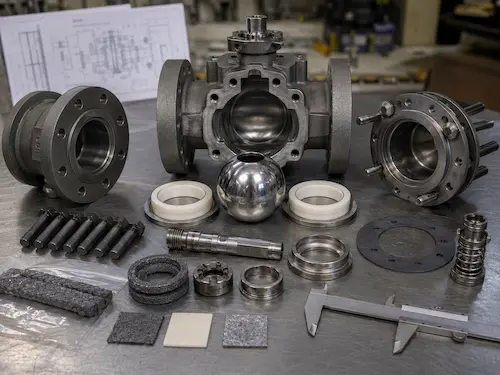
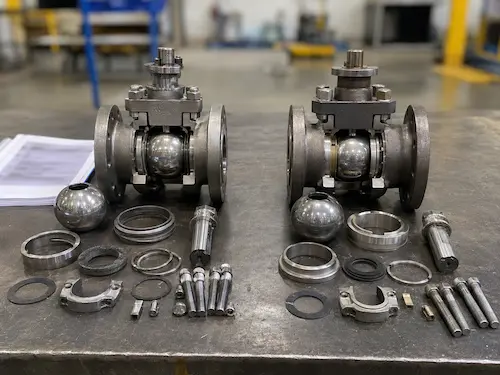
In many fire-safe ball valve designs, the soft seat provides normal shutoff before fire exposure. If the soft seat is damaged by fire, the ball and seat support geometry are designed to create secondary metal-to-metal contact. This secondary contact is intended to reduce leakage after fire exposure, but the allowable leakage must be judged according to the specified fire test standard.
| Design Feature | Function in Fire-Safe Design |
|---|---|
| Secondary Metal-to-Metal Contact | Provides backup sealing after soft seat damage. |
| Graphite Stem Packing | Helps control external leakage around the stem under fire exposure. |
| Graphite Body Gasket | Helps maintain body joint sealing at elevated fire-test temperatures. |
| Blowout-Resistant Stem | Improves stem retention under internal pressure. |
| Anti-Static Device | Provides electrical continuity between ball, stem and body in flammable service when specified. |
| Fire-Tested Design Scope | Confirms the tested size, pressure class, material and seat configuration. |
Fire Test Standards and Certificate Scope
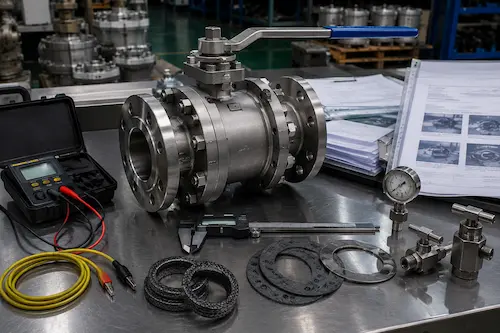
Fire-safe valve requirements should be written clearly in the inquiry. The standard name alone is not enough. The quotation should confirm the test standard, edition, valve size, pressure class, seat material, body material and whether the certificate covers the selected valve configuration.
| Standard / Requirement | Common Use | Confirmation Required |
|---|---|---|
| API 607 | Fire test for quarter-turn valves and valves with nonmetallic seats | Edition, valve design, seat material, size and pressure class coverage |
| API 6FA | Fire test for API 6A / API 6D valves in oil and gas service | API 6D valve scope, leakage acceptance and tested configuration |
| ISO 10497 | Fire type-testing for soft- and metal-seated isolation valves | Certificate scope, valve type, pressure rating and seat design |
| Project Fire-Safe Requirement | Owner, EPC or end-user specification | Must be reviewed together with the valve datasheet |
Materials and Sealing Options
| Component | Common Options | Selection Consideration |
|---|---|---|
| Body | WCB, A105, LCB, LF2, CF8M, F316, alloy steel or duplex stainless steel | Pressure class, temperature, corrosion, fire test scope and project standard |
| Ball | Stainless steel, alloy steel, coated stainless steel or project-specified material | Corrosion resistance, sealing surface, hardness and media compatibility |
| Stem | SS316, 17-4PH, alloy steel or duplex stainless steel | Torque, strength, corrosion and blowout-resistant design |
| Primary Seat | PTFE, RPTFE, PEEK, PPL or metal seat | Normal service shutoff, pressure, temperature and chemical compatibility |
| Secondary Seal | Metal-to-metal contact structure | Fire-safe leakage control after soft seat damage |
| Packing | Graphite, flexible graphite or low-emission graphite packing | Stem leakage control under fire and normal operating conditions |
| Body Seal | Graphite, spiral-wound gasket or fire-resistant seal | Body joint sealing during normal and fire-test conditions |
| Bolting | Carbon steel, stainless steel, alloy steel or project-specified bolting | Pressure class, temperature, corrosion and fire-test configuration |
Connection and Operation Options
| Option | Main Advantage | Typical Use |
|---|---|---|
| Flanged Fire Safe Ball Valve | Removable bolted connection for inspection and replacement | Refinery, chemical, tank farm and process pipelines |
| Butt-Weld Fire Safe Ball Valve | Permanent welded connection with fewer external joint leak paths | Oil, gas and high-risk process pipelines |
| Socket-Weld Fire Safe Ball Valve | Compact welded joint for small-bore piping | Drain, vent, fuel gas and small process lines |
| Threaded Fire Safe Ball Valve | Compact installation where threaded joints are permitted | Small utility, fuel gas and equipment isolation |
| Pneumatic Actuator | Fast remote shutoff and fail-safe configuration | Emergency shutdown, process automation and flammable service |
| Electric Actuator | Remote operation where compressed air is not available | Process control, utility isolation and tank farm systems |
| Hydraulic Actuator | High torque output for large or high-pressure valves | Pipeline, ESD and severe service applications |
For pipeline projects, compare the API 6D Ball Valve. For high-pressure service, see the High Pressure Ball Valve. For severe temperature or abrasive service, compare the Metal Seated Ball Valve. Additional structures are available in the Ball Valve category.
 Typical Applications
 Typical Applications
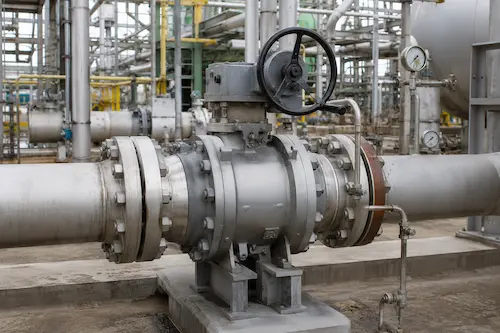
Fire safe ball valves are selected where flammable or hazardous media may require verified valve performance during and after fire exposure. Common service areas include:
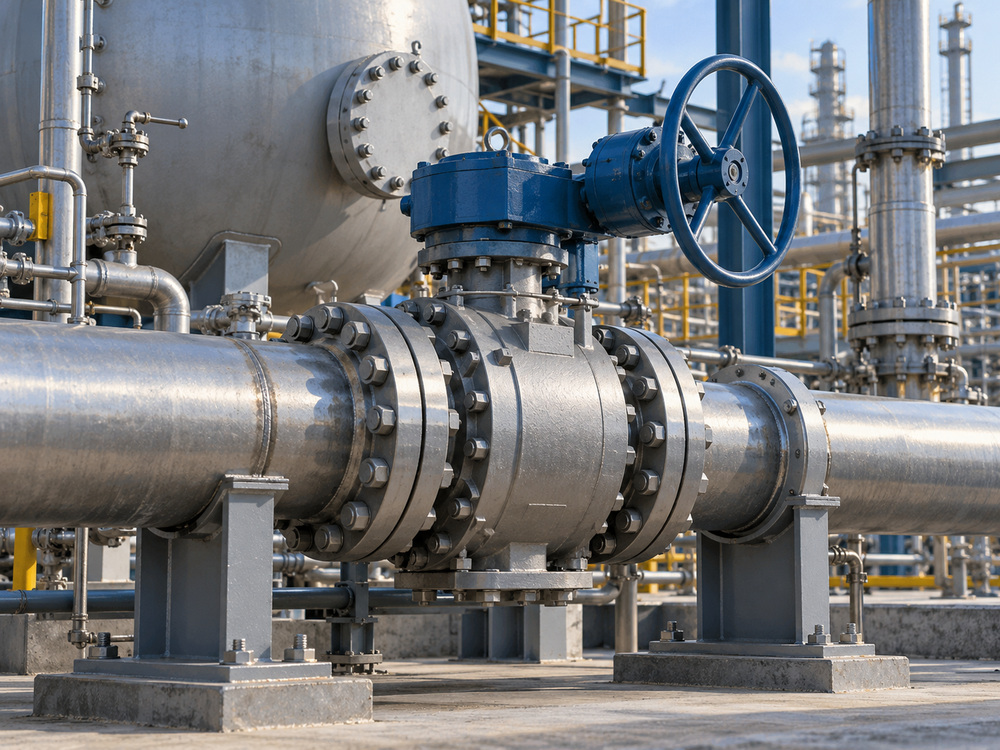
- Oil and gas pipeline isolation
- Refinery process units
- Petrochemical and chemical processing lines
- Fuel gas and natural gas systems
- LPG, LNG and hydrocarbon storage systems after temperature and material review
- Tank farm inlet, outlet and transfer lines
- Power plant fuel oil and fuel gas systems
- Emergency shutdown and automated isolation systems
For broader project planning, review our Industrial Valve Solutions and Chemical Processing Valve Solutions pages.
Application Limits
- Fire safe does not mean the valve is fireproof or undamaged after a fire.
- Fire-safe performance must be supported by the correct test certificate and certificate scope.
- A fire-safe valve is not automatically suitable for continuous high-temperature service.
- Fire-safe design does not replace correct pressure, temperature, corrosion and media review.
- Anti-static design should be specified for flammable liquid and gas service when required.
- Actuated fire-safe valves may require fail-close, fail-open or emergency shutdown logic.
- Oxygen, hydrogen, sour gas, chlorine and toxic media require dedicated material and safety review.
- End connections, gaskets, bolts and installation joints are part of overall system fire safety and must be reviewed separately.
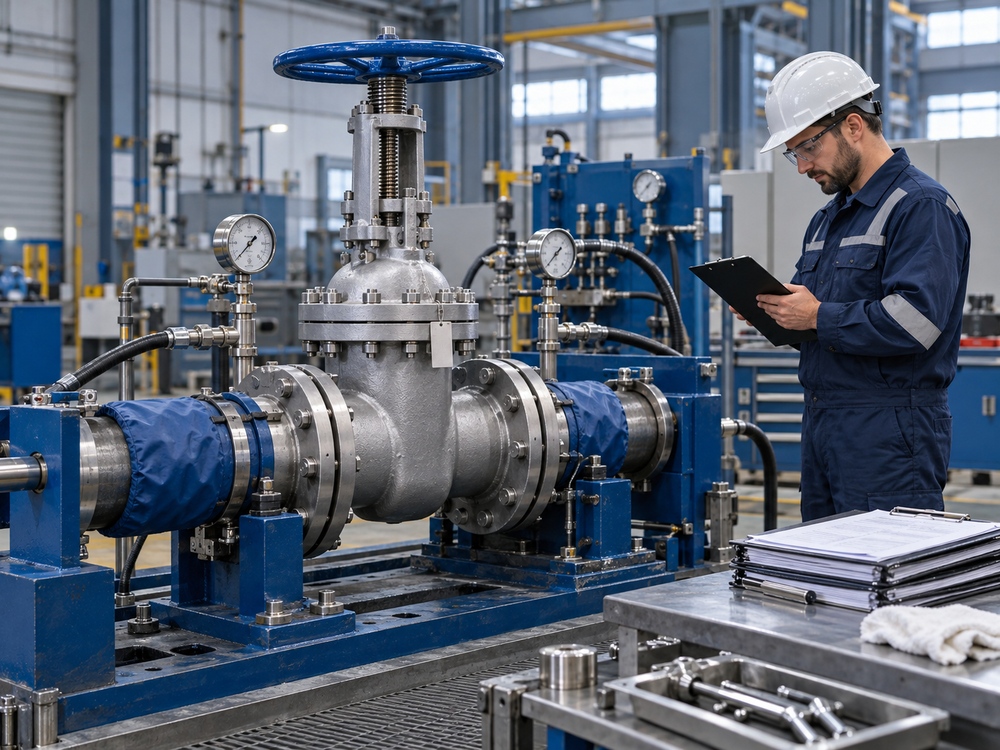
Inspection and Documentation
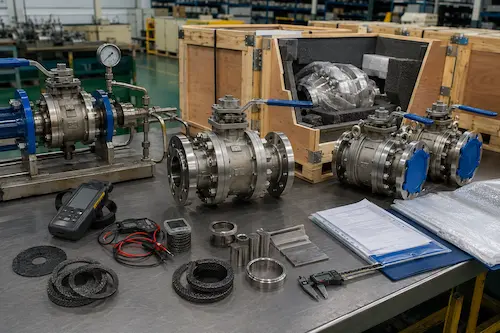
| Inspection / Document | Purpose |
|---|---|
| Fire Test Certificate | Confirms the applicable fire test standard, tested valve design and certificate scope. |
| Material Test Certificate | Confirms pressure-containing and wetted component material grades. |
| PMI | Verifies alloy material chemistry when specified. |
| Dimensional Inspection | Checks connection dimensions, bore, face-to-face or end-to-end length and actuator interface. |
| Shell Pressure Test | Verifies pressure-containing body integrity. |
| Seat Leakage Test | Confirms shutoff performance under the specified test condition. |
| Anti-Static Test | Checks electrical continuity when anti-static design is specified. |
| Low-Emission Test Evidence | Provided only when the selected valve model and packing system support the requirement. |
| Actuator Functional Test | Checks opening, closing, signal feedback and fail-safe action when actuated. |
| Final Data Book | Collects drawings, MTCs, inspection reports, pressure test records and certificates for project submission. |
Export packing should protect machined sealing faces, threaded or welded ends, flange gasket faces, stem packing area, actuator mounting interface and fire-test identification documents. Valves can be packed with flange covers or end protectors, moisture-resistant wrapping, foam separation, anti-rust treatment and reinforced plywood cases according to size and transport method.
Information Required for Valve Selection
- Valve size and quantity
- Required fire test standard: API 607, API 6FA, ISO 10497 or project specification
- Required certificate scope and edition
- Pressure class, design pressure and operating pressure
- Design temperature and operating temperature
- Medium name, composition, concentration and phase
- Flammable liquid, fuel gas, natural gas, solvent, hydrocarbon or special service condition
- Body, ball, stem, seat, packing, body seal and bolting materials
- Floating-ball or trunnion-mounted construction
- Full-bore or reduced-bore requirement
- Flanged, threaded, socket-weld or butt-weld connection
- Manual, gearbox, pneumatic, electric or hydraulic operation
- Fail-open, fail-close or fail-last requirement for actuated valves
- Anti-static, NACE, low-emission, oxygen, hydrogen or sour-service requirements
- Testing, NDE, third-party inspection and final documentation requirements
FAQ
1. What is a fire safe ball valve?
A fire safe ball valve is a ball valve designed and tested to help control internal and external leakage during and after a specified fire exposure test. It normally uses secondary metal-to-metal sealing, graphite packing, graphite body seals and suitable stem construction.
2. Is a fire safe ball valve the same as a high temperature ball valve?
No. A high temperature ball valve is selected for continuous elevated temperature service. A fire safe ball valve is selected for a defined fire test condition and must be supported by the required fire test certificate and certificate scope.
3. Which fire test standard should be specified?
The required standard depends on the project specification and valve type. API 607, API 6FA and ISO 10497 are commonly requested fire test references. The exact edition, certificate scope, valve size, pressure class and seat design should be confirmed before quotation.
4. Does fire safe mean zero leakage after fire?
No. Fire-safe standards define allowable leakage limits and test procedures. A fire safe ball valve should not be described as zero leakage after fire unless the specific test requirement and certificate support that claim.
5. What information is needed for quotation?
For quotation, provide valve size, pressure class, medium, temperature, connection type, material grade, seat material, required fire test standard, certificate requirement, operation method, anti-static requirement and inspection documents.