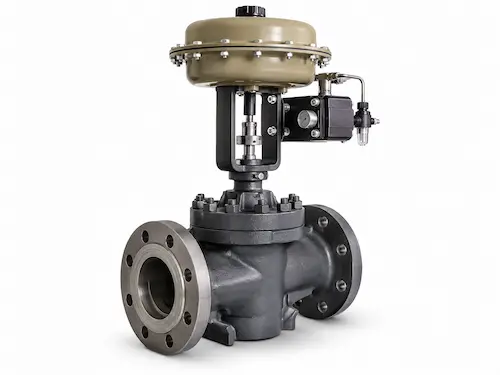
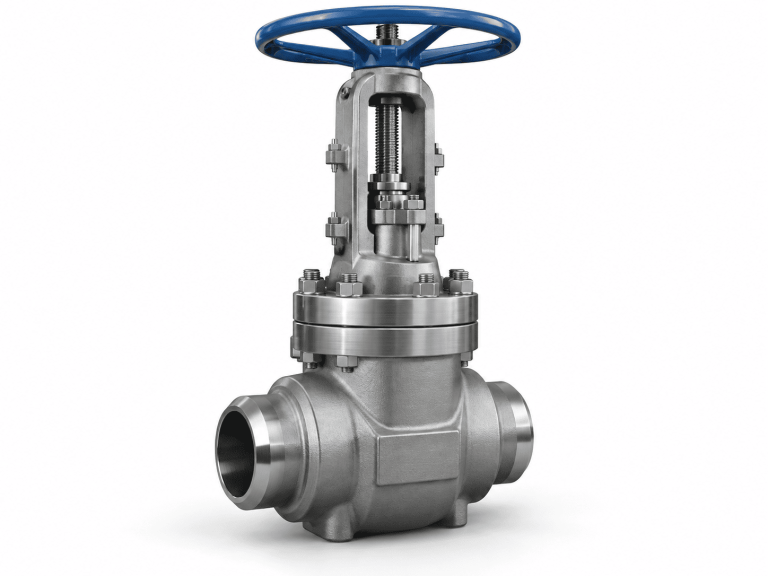
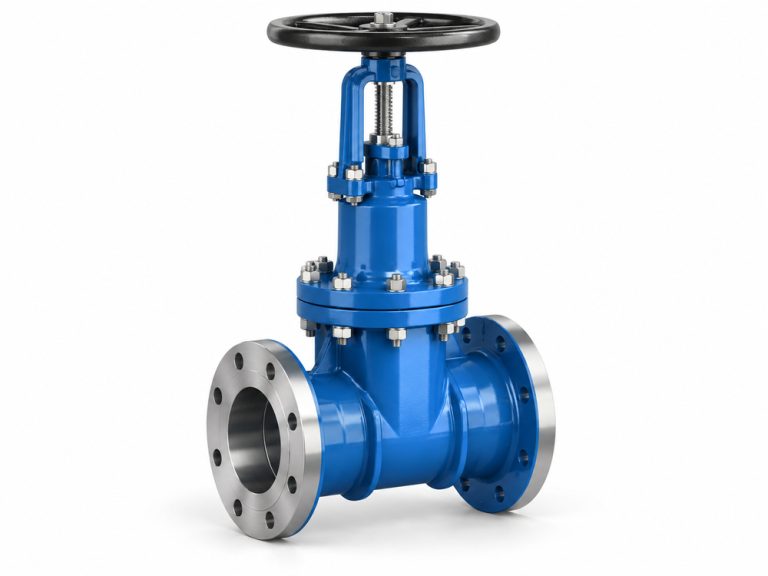
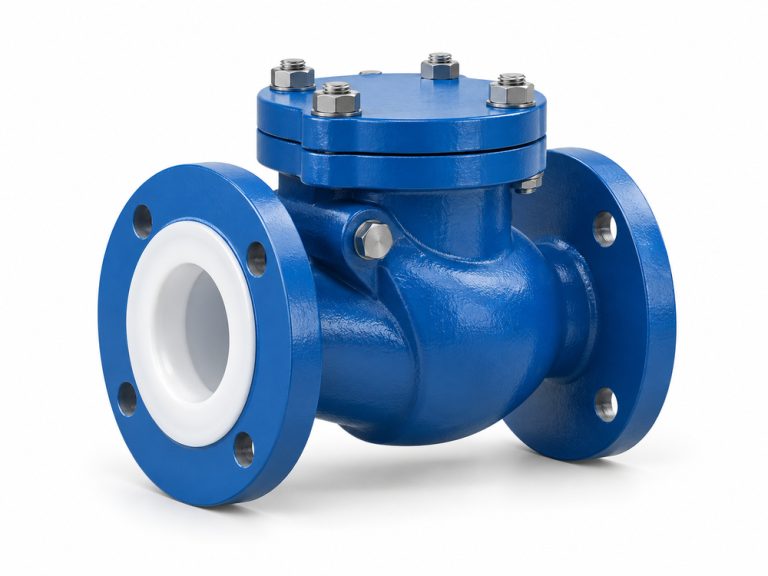
Key Product Features
- Eccentric rotary plug design for dirty fluid and slurry control service
- Plug moves away from the seat during opening to help reduce friction and wear
- Suitable for modulating control, not only open-close isolation
- Applicable to wastewater, pulp, slurry, chemical and solids-containing media after review
- Manual, pneumatic or electric actuator options according to control requirement
- Positioner, limit switch, solenoid valve or feedback accessory available when required
- Flanged or project-specific end connection according to piping design
- Useful where globe control valves may be exposed to clogging or erosion risks
Product Configuration
| Configuration Item | Common Configuration | Project Options |
|---|---|---|
| Valve Type | Eccentric plug control valve | Eccentric rotary plug valve for modulating or on-off service |
| Main Function | Flow regulation for dirty fluid and slurry service | Modulating control, throttling or isolation according to selected design |
| Body Material | Carbon steel, ductile iron or stainless steel | Special alloy or lined construction according to medium |
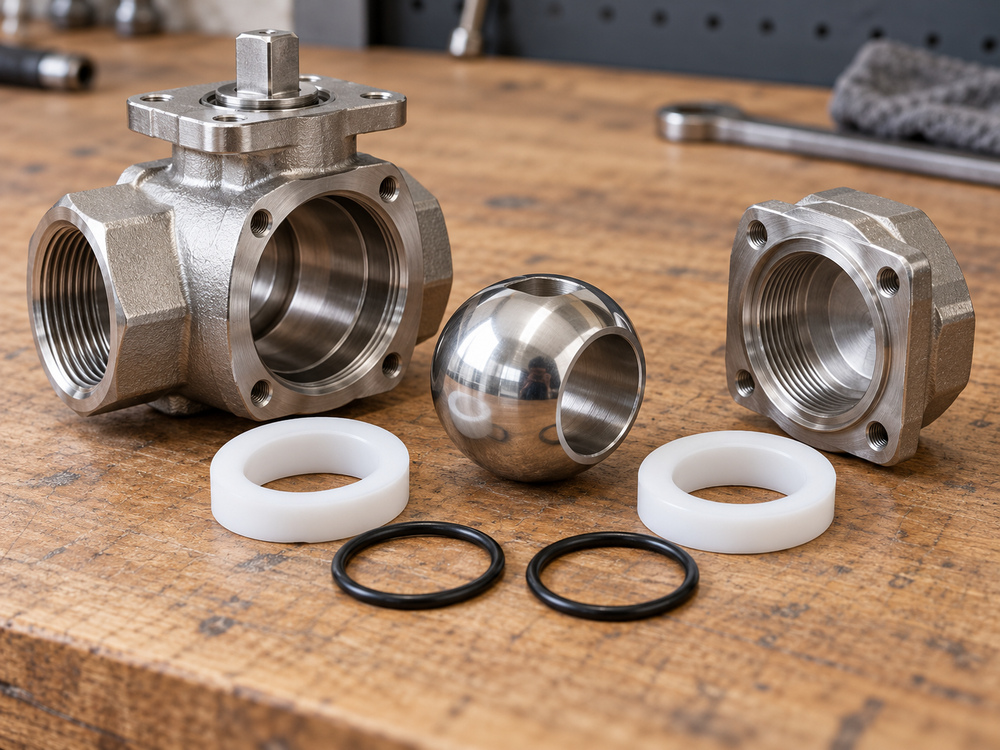
| Plug Design | Eccentric rotary plug | Metal seated, resilient seated or project-specific plug structure |
| Seat Material | Metal seat or resilient seat | Hard-faced, rubber-lined, PTFE or project-specific seat material |
| Operation | Pneumatic actuator with positioner | Electric actuator, manual gear or control accessories when required |
| End Connection | Flanged connection | Project-specific connection according to piping standard |
Technical Specifications
| Specification Item | Typical / Available Options |
|---|---|
| Product Type | Eccentric plug control valve / eccentric rotary plug valve |
| Primary Function | Modulating flow control for dirty fluid, wastewater, slurry and chemical service |
| Valve Design | Eccentric rotary plug, flanged body, rotary control valve structure |
| Size Range | According to selected product series and approved drawing |
| Pressure Rating | According to body design, seat material, actuator selection and project specification |
| Body Material | Carbon steel, ductile iron, stainless steel or project-specified material |
| Plug / Trim Material | Stainless steel, hard-faced alloy, coated trim or project-specific material |
| Seat Options | Metal seat, resilient seat or selected sealing material according to service |
| Flow Characteristic | Selected according to control requirement, Cv value and process data |
| Operation | Pneumatic actuator, electric actuator, manual gear or control accessory package |
| Accessories | Positioner, air filter regulator, solenoid valve, limit switch, handwheel or feedback device |
| Typical Media | Wastewater, slurry, pulp, chemical solution, dirty fluid and solids-containing media after review |
| Testing Reference | According to approved inspection specification and selected product standard where applicable |
Technical note: Do not publish fixed Cv value, leakage class, pressure drop limit, temperature range, solids-handling ability or anti-clogging claim until the medium, flow rate, pressure drop, solids content, actuator sizing and selected valve design are confirmed.
How an Eccentric Plug Control Valve Works
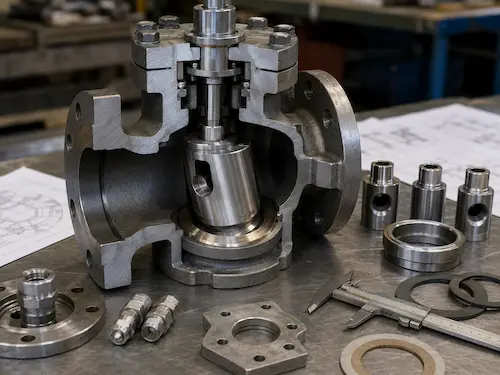
An eccentric plug control valve uses a rotary plug as the throttling element. The plug is mounted off-center from the valve seat. When the valve begins to open, the eccentric motion moves the plug away from the seat, reducing direct rubbing between the plug and the sealing surface.
During operation, the actuator rotates the plug to change the opening area and regulate flow. This rotary control structure can be useful for dirty fluids, wastewater, slurry-like media and services where suspended solids may increase the risk of clogging in conventional control valve trims.
Eccentric Plug Control Valve vs Globe Control Valve
| Comparison Item | Eccentric Plug Control Valve | Globe Control Valve |
|---|---|---|
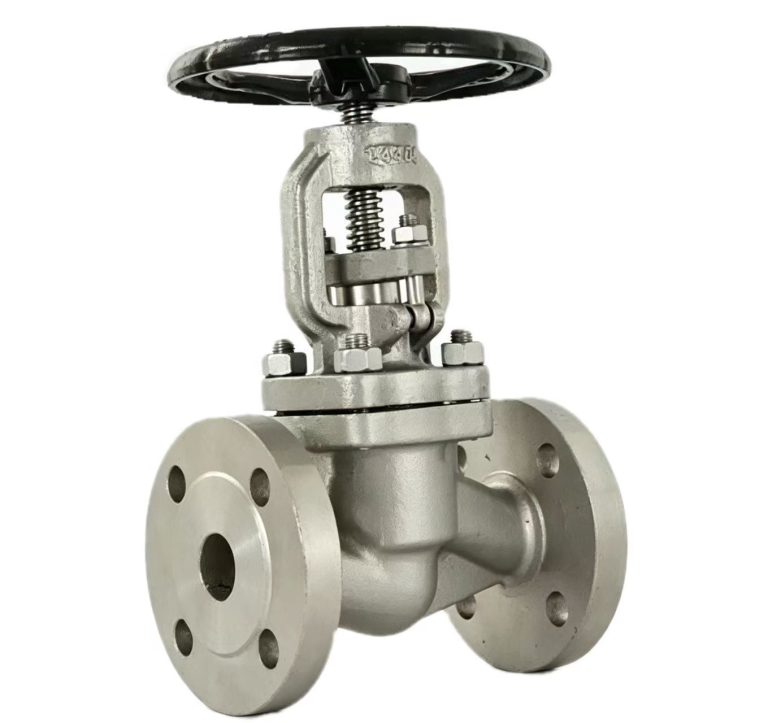
| Control Element | Eccentric rotary plug | Linear plug and seat trim |
| Typical Strength | Dirty fluid, wastewater, slurry and selected solids-containing service | Clean fluid, steam, gas and precise process control service |
| Clogging Risk | Often lower in dirty media because of simpler rotary flow path | Can be higher in dirty or solids-containing media depending on trim design |
| Control Accuracy | Suitable for many modulating services after sizing review | Often selected for high-accuracy control in clean media |
| Selection Focus | Solids content, plug design, seat wear, torque and actuator sizing | Cv, trim style, pressure drop, noise, cavitation and leakage class |
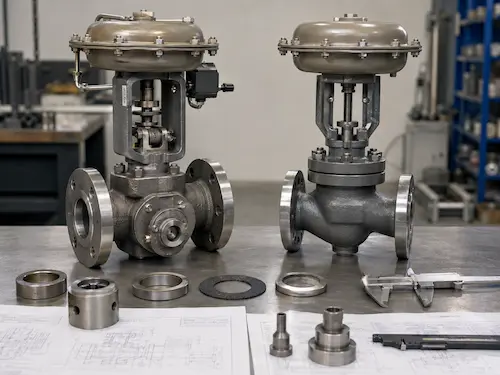
Eccentric Plug Control Valve vs General Plug Valve
A general industrial plug valve is usually selected for open-close isolation. An eccentric plug control valve is designed for modulating service where the plug position is adjusted by an actuator and positioner to control flow. The eccentric motion, seat design and actuator package are the key differences.
| Comparison Item | Eccentric Plug Control Valve | General Plug Valve |
|---|---|---|
| Main Function | Flow regulation and modulating control | On-off isolation |
| Operation | Pneumatic or electric actuator with control accessories | Manual, gear, pneumatic or electric open-close operation |
| Typical Media | Wastewater, slurry, pulp, chemical and dirty fluid control | Oil, gas, water, chemical or general pipeline isolation |
| Selection Focus | Cv, control range, actuator sizing, seat wear and process stability | Pressure rating, sealing, body material and operation torque |
For general open-close plug valve applications, review our Industrial Plug Valve. For broader flow regulation products, visit the Control Valve category.
Actuator and Control Accessories
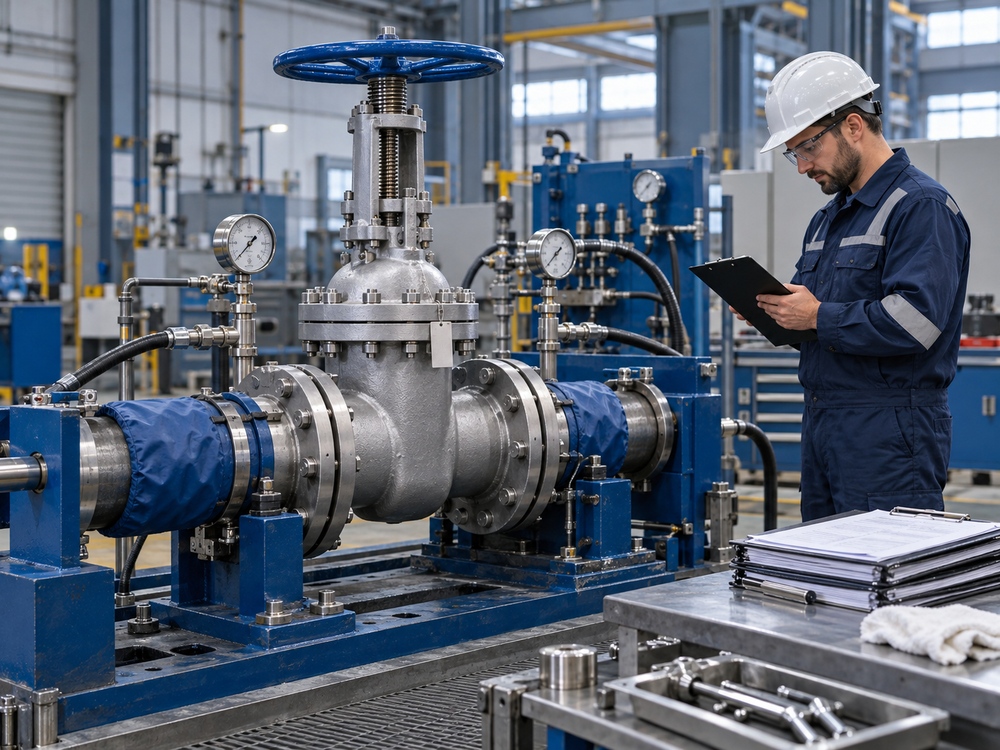
An eccentric plug control valve is normally supplied with an actuator and control accessories according to the process control signal. Pneumatic actuation is common for modulating control, while electric actuation may be selected for specific site conditions.
| Accessory | Purpose |
|---|---|
| Pneumatic Actuator | Provides rotary motion for modulating or on-off valve control |
| Electric Actuator | Used where electric control or site automation requires motorized operation |
| Positioner | Adjusts valve position according to control signal for modulating service |
| Air Filter Regulator | Controls instrument air supply pressure for pneumatic operation |
| Limit Switch | Provides open / closed or position feedback to the control system |
| Solenoid Valve | Supports on-off control, fail position logic or automation requirement |
 Typical Applications
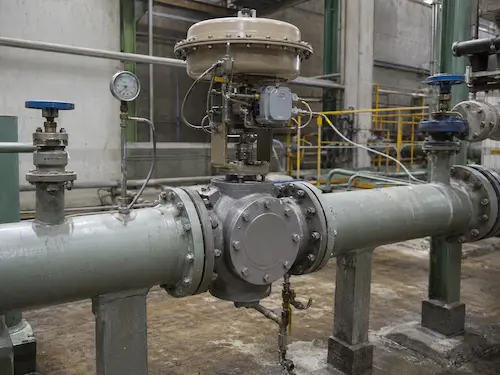 Typical Applications
- Wastewater treatment plant flow control
- Sludge and dirty water control lines
- Mining slurry and tailings auxiliary control service after review
- Pulp and paper process fluid control
- Chemical slurry and contaminated fluid regulation
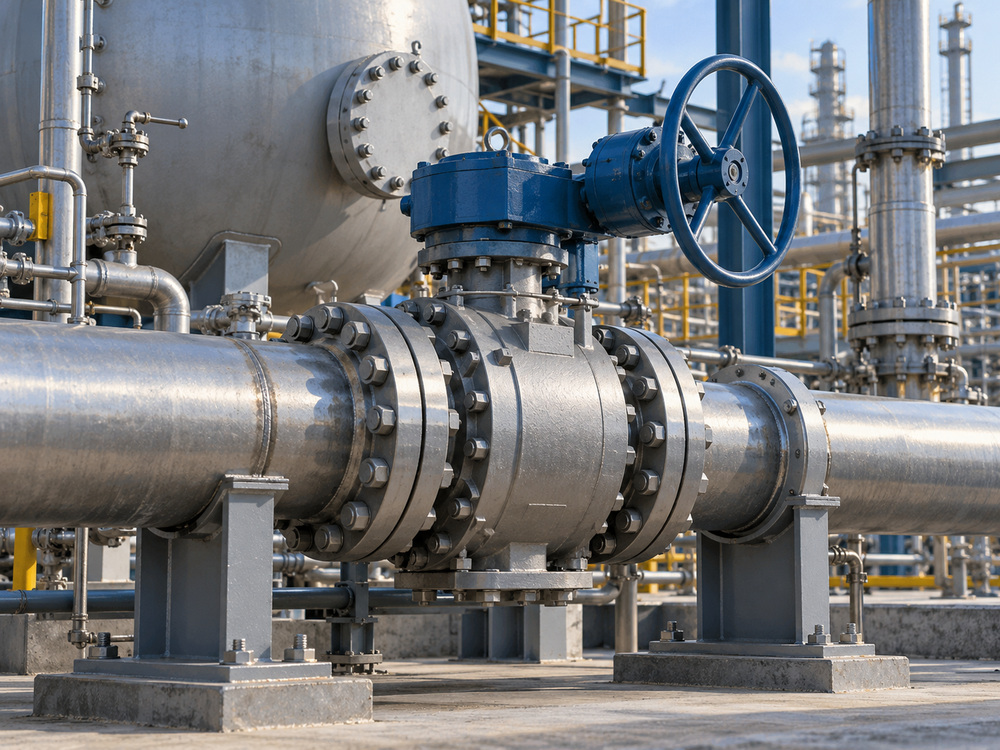
- Industrial process lines with suspended solids
- Cooling water, process water and utility systems with dirty media risk
- Flow control service where globe valve trims may clog or wear quickly
For slurry and dirty fluid valve selection, see Slurry Valve Selection. For slurry and mining applications, review Slurry and Mining Valves.
Application Limits
- Not recommended for extremely sharp or very hard particles unless trim and seat materials are specially reviewed.
- Not suitable for severe cavitation, flashing or high noise service without detailed control valve sizing review.
- High pressure drop service requires actuator, trim, seat and erosion review.
- Crystallizing media may increase torque or affect plug movement.
- Sticky or scaling media may require cleaning, flushing or special design review.
- It should not be described as completely clog-proof or wear-proof.
- Leakage class depends on selected seat design and test specification.
- Control performance depends on correct Cv calculation, actuator sizing and process data.
Inspection and Documentation
| Inspection / Document | Purpose |
|---|---|
| Material Test Certificate | Confirms body, plug, shaft and pressure-containing material when required. |
| Dimensional Inspection | Checks face-to-face dimension, flange drilling, actuator interface and valve marking. |
| Shell Pressure Test | Verifies pressure-containing body integrity under agreed test condition. |
| Seat Leakage Test | Checks shut-off performance according to selected seat design and inspection requirement. |
| Functional Stroke Test | Checks plug rotation, actuator travel, opening angle and mechanical movement. |
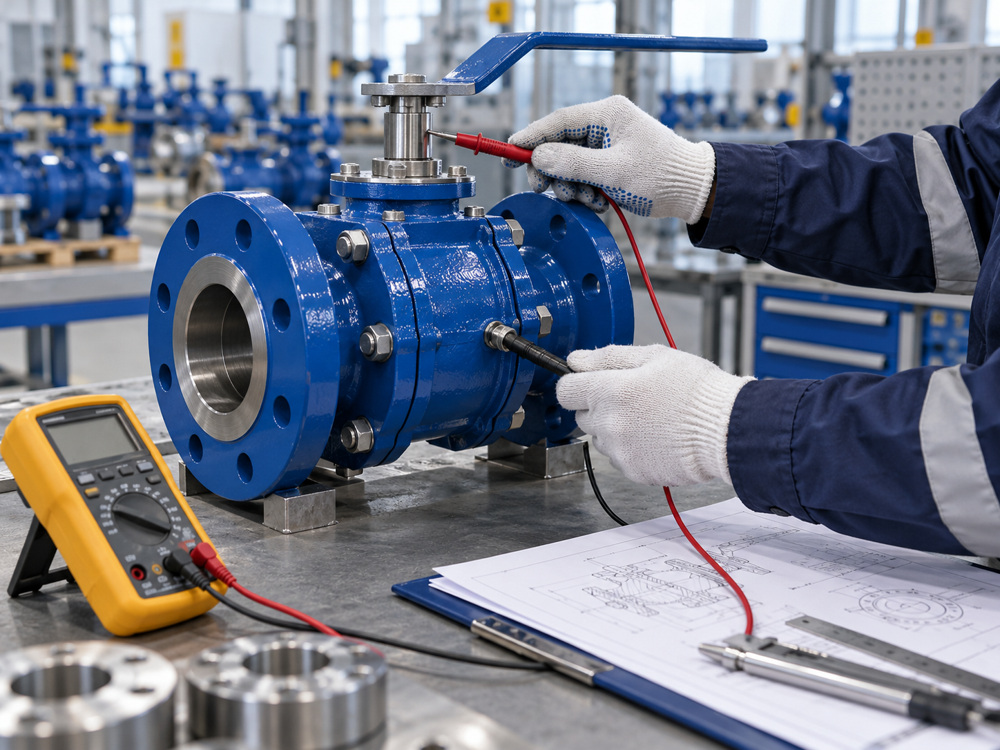
| Positioner Calibration | Verifies valve response to control signal where positioner is supplied. |
| Torque / Actuator Check | Confirms actuator output and operating torque margin under agreed conditions. |
| Final Data Book | Collects drawings, certificates, inspection records, test reports and packing documents. |
Where a positioner is included, calibration should verify the complete valve–actuator package rather than only the instrument settings. See our Control Valve Positioner Calibration Guide for zero, span, travel, feedback and fail-action checks.
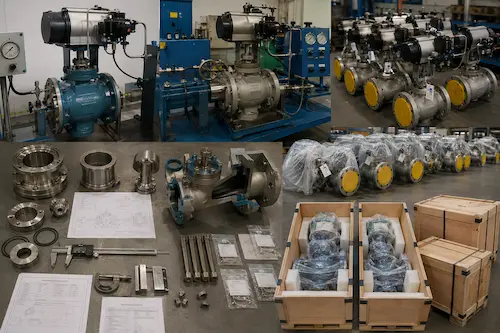
Export packing should protect flange faces, seat area, plug surface, shaft sealing area, actuator, positioner, tubing and control accessories. Valves can be packed with flange covers, moisture-resistant wrapping, foam separation and reinforced plywood cases according to valve size and shipment method.
Information Required for Valve Selection
- Valve size and quantity
- Medium name and composition
- Solids content, particle size and abrasion level
- Minimum, normal and maximum flow rate
- Inlet pressure and outlet pressure
- Operating pressure drop and maximum differential pressure
- Operating temperature and design temperature
- Required Cv value or process control data if available
- Required control signal, fail position and actuator type
- Seat leakage requirement if specified
- Body, plug, seat and trim material requirement
- Connection standard, face-to-face requirement and installation direction
- Testing, documentation and third-party inspection requirement
FAQ
What is an eccentric plug control valve used for?
An eccentric plug control valve is used for modulating flow control in wastewater, slurry, pulp, chemical and dirty fluid pipelines where conventional control valve trims may face clogging or wear risks.
Is an eccentric plug control valve the same as a general plug valve?
No. A general plug valve is usually used for open-close isolation. An eccentric plug control valve is designed for flow regulation and is normally supplied with an actuator, positioner and control accessories.
Why is the plug eccentric?
The eccentric plug moves away from the seat during opening. This helps reduce direct rubbing between the plug and seat, which can be useful in dirty or particle-containing media.
Can it handle slurry service?
It can be considered for selected slurry or dirty fluid service, but solids content, particle hardness, flow velocity, pressure drop and trim material must be reviewed before selection.
What information is needed for quotation?
For quotation, provide medium, solids content, flow rate, inlet pressure, outlet pressure, pressure drop, temperature, required control signal, fail position, seat leakage requirement, material requirement and inspection requirements.