
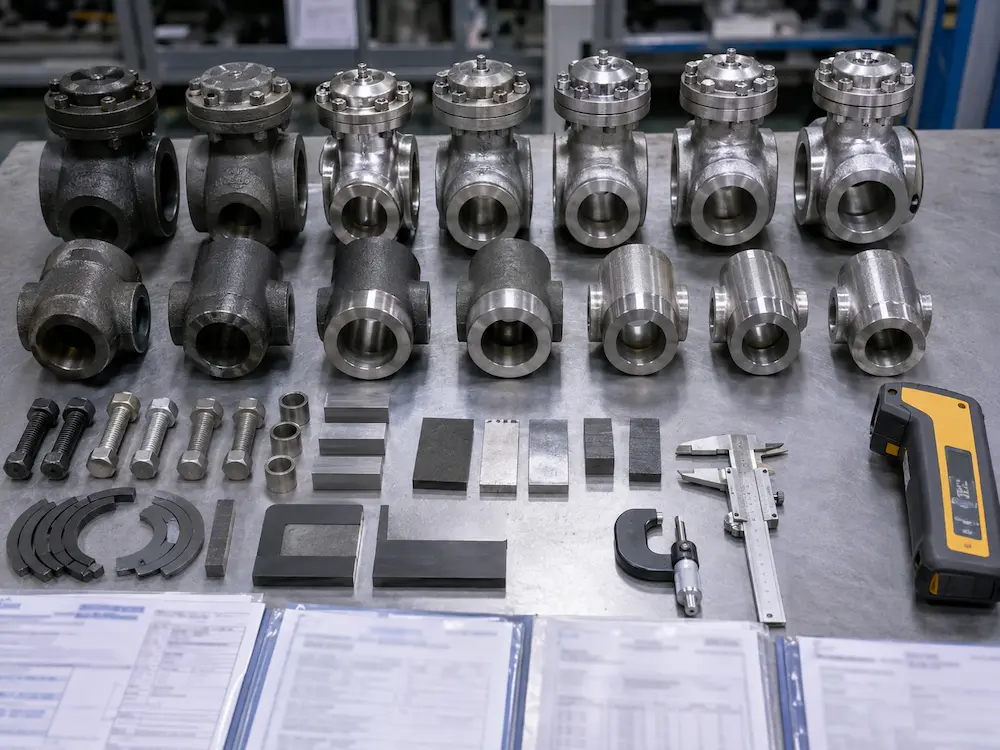
Forged Valve Materials Guide: A105, LF2, F304, F316, F51, F53, F11 and F22
Learn how to choose forged valve materials including ASTM A105, A350 LF2, A182 F304, F316, F51, F53, F11 and F22 by pressure, temperature, corrosion, low-temperature toughness, high-temperature service, and project requirements.
A105 vs LF2 Valve Material: Forged Carbon Steel Selection Guide
Quick Summary: ASTM A105 and ASTM A350 LF2 are both
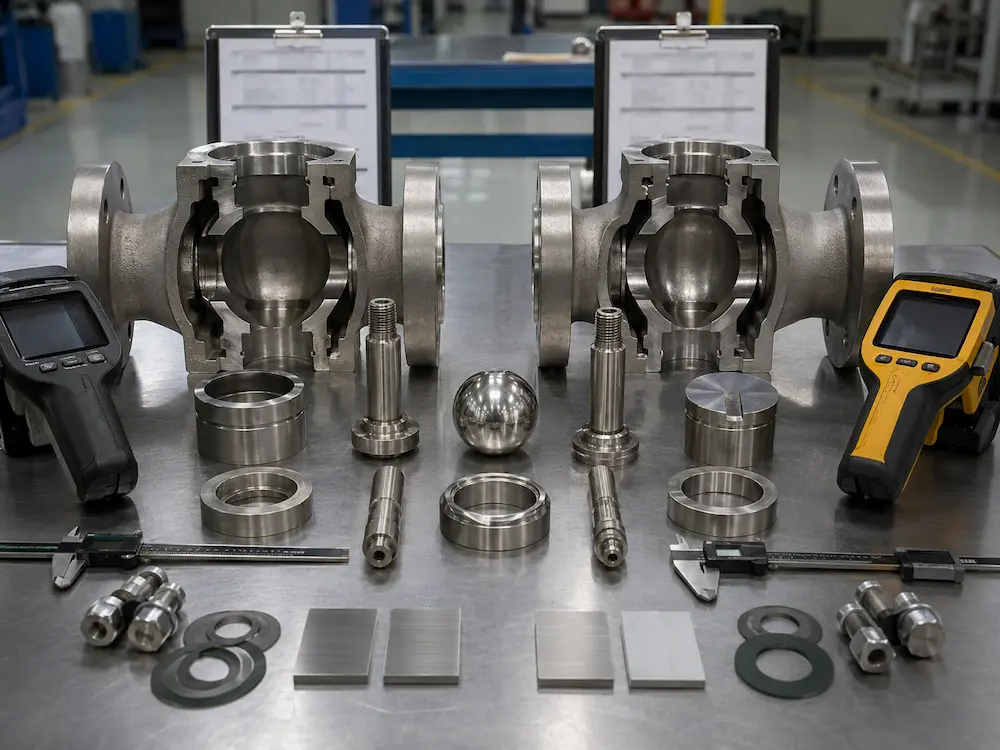
Monel vs Inconel Valve Material: Nickel Alloy Selection for Corrosive and High-Temperature Service
Compare Monel and Inconel valve materials by alloy composition, seawater resistance, chemical service, high-temperature performance, corrosion resistance, cost, trim use, and material certificate requirements.
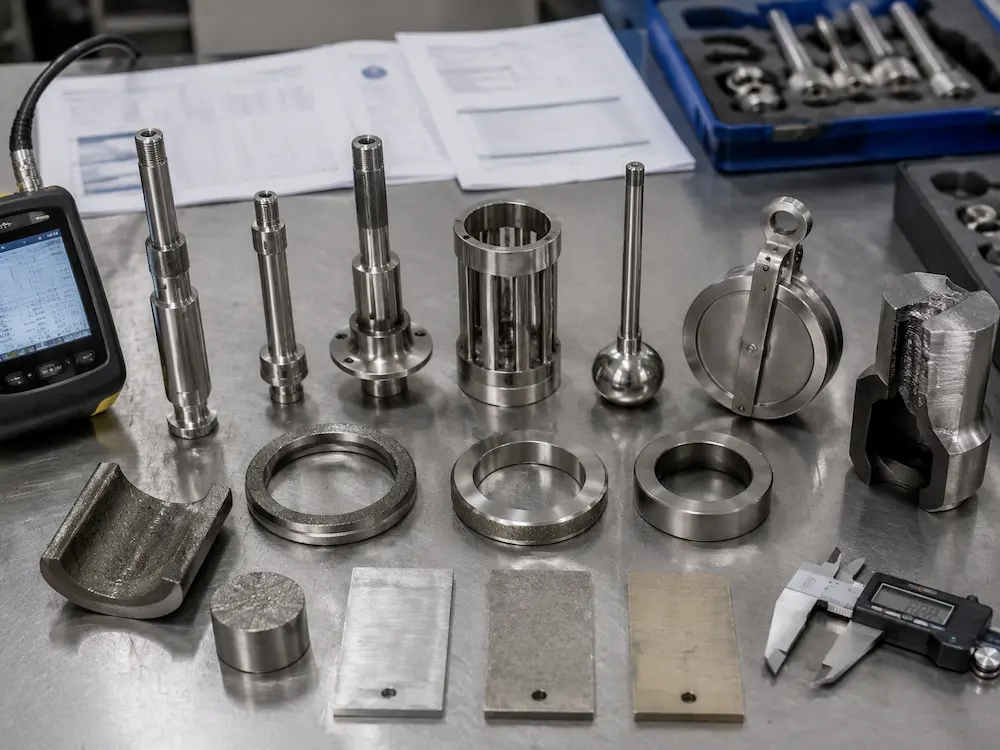
Valve Trim Materials: 13Cr, 304, 316, Stellite, Monel and Inconel Selection Guide
Learn how to choose valve trim materials including 13Cr, 304, 316, Stellite, Monel, Inconel, duplex, hardfacing and special alloys by medium, pressure, temperature, corrosion, erosion and throttling service.
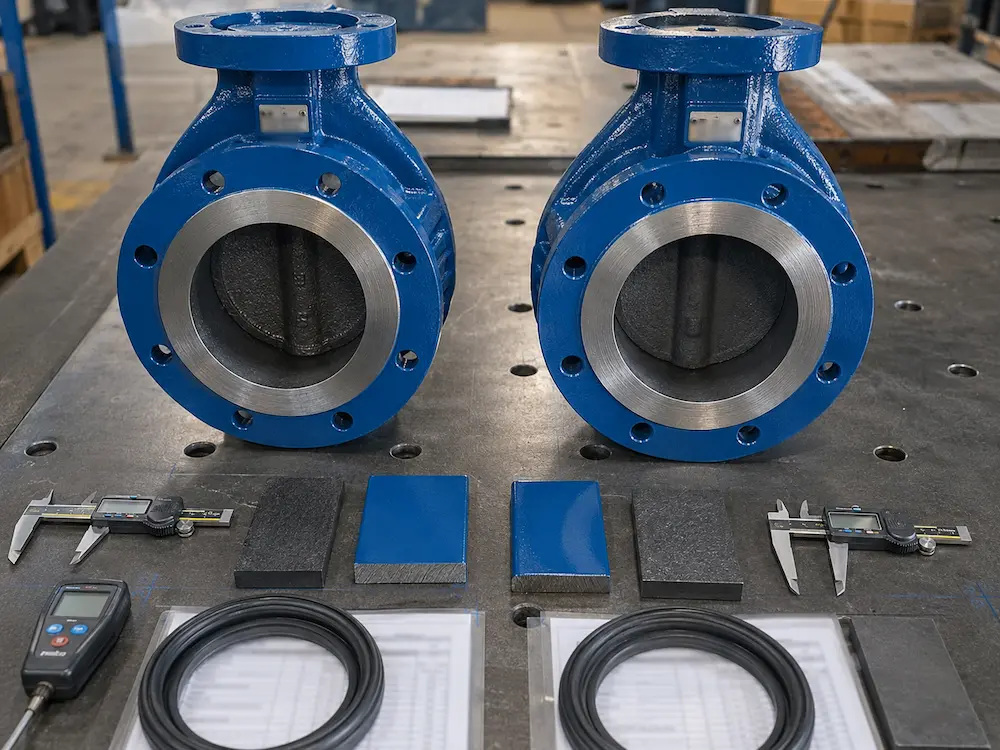
Cast Iron vs Ductile Iron Valve Material: What Is the Difference?
Compare cast iron and ductile iron valve materials by strength, toughness, pressure rating, water service, wastewater use, corrosion protection, cost, and selection requirements.
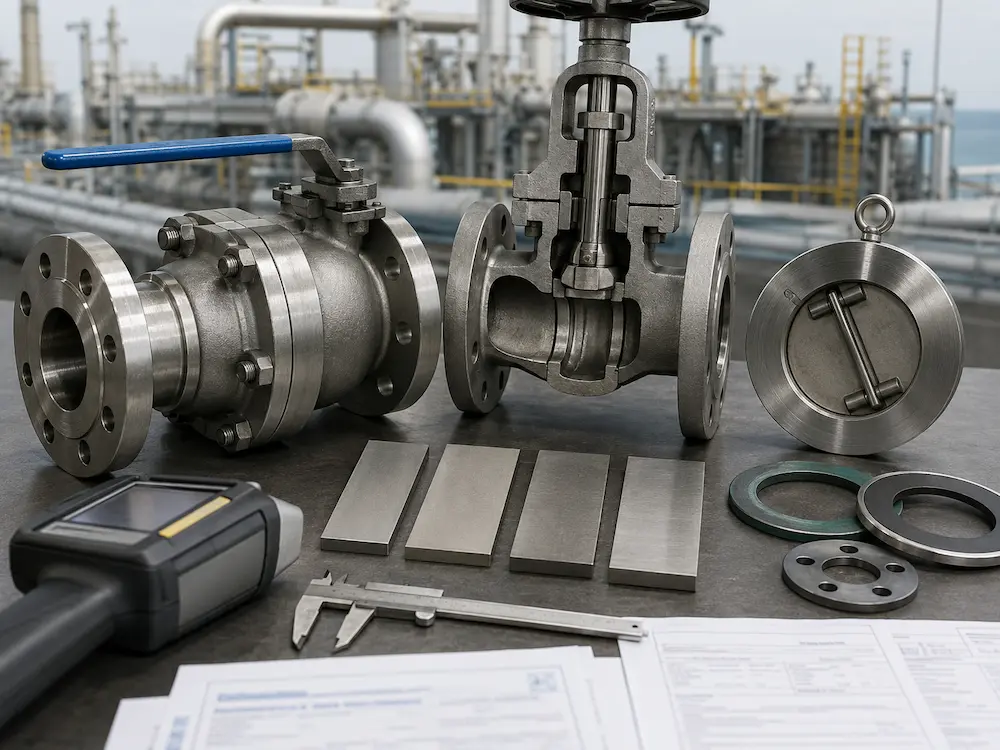
Duplex Stainless Steel Valves for Seawater and Corrosive Service
Learn when to choose duplex stainless steel valves for seawater, chloride-containing water, offshore, desalination, chemical, and corrosive industrial service.