
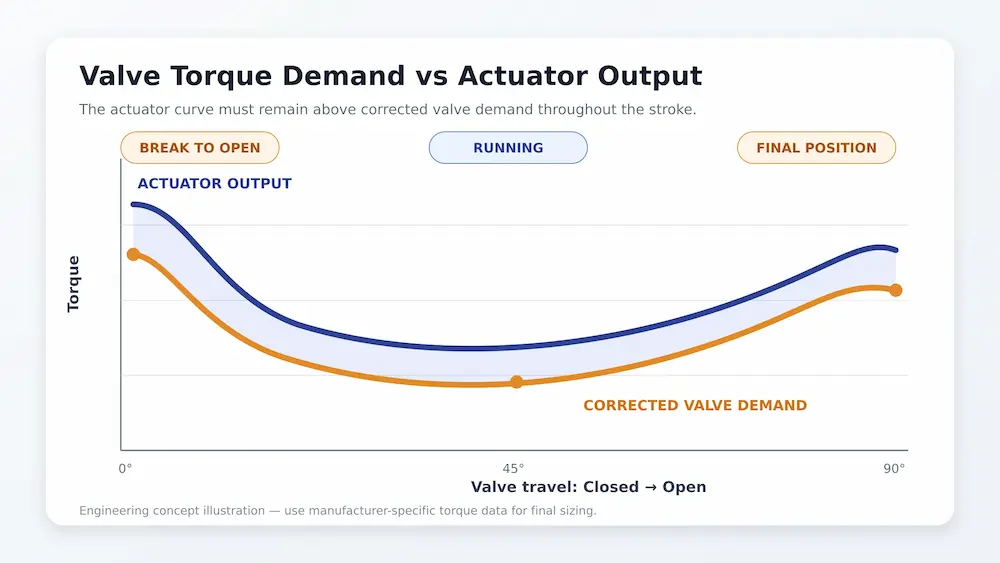
Valve Actuator Torque Sizing: Break Torque, Running Torque and Safety Factor
Learn how to size valve actuators using break torque, running torque, seating torque, safety factor, minimum air pressure, spring-return output, electric actuator limits and MAST.
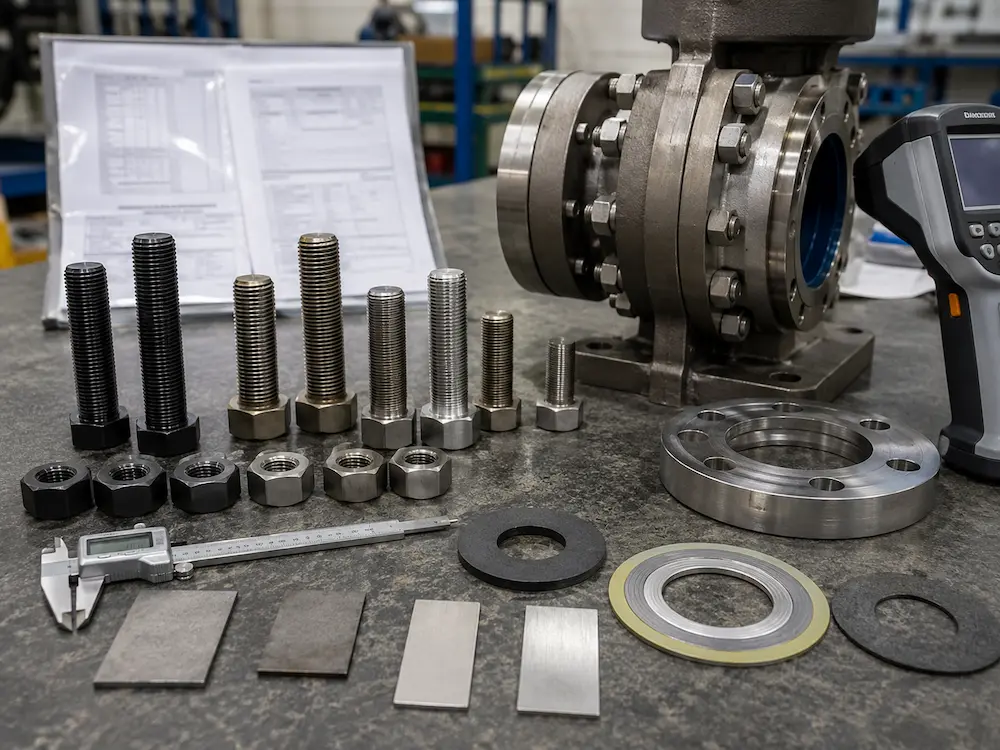
Valve Bolting Materials Guide: ASTM A193 B7, B8, B8M, L7 and A194 Nuts
Learn how to choose valve bolting materials including ASTM A193 B7, B8, B8M, L7 and ASTM A194 nuts by pressure, temperature, corrosion, flange type, gasket load and project requirements.
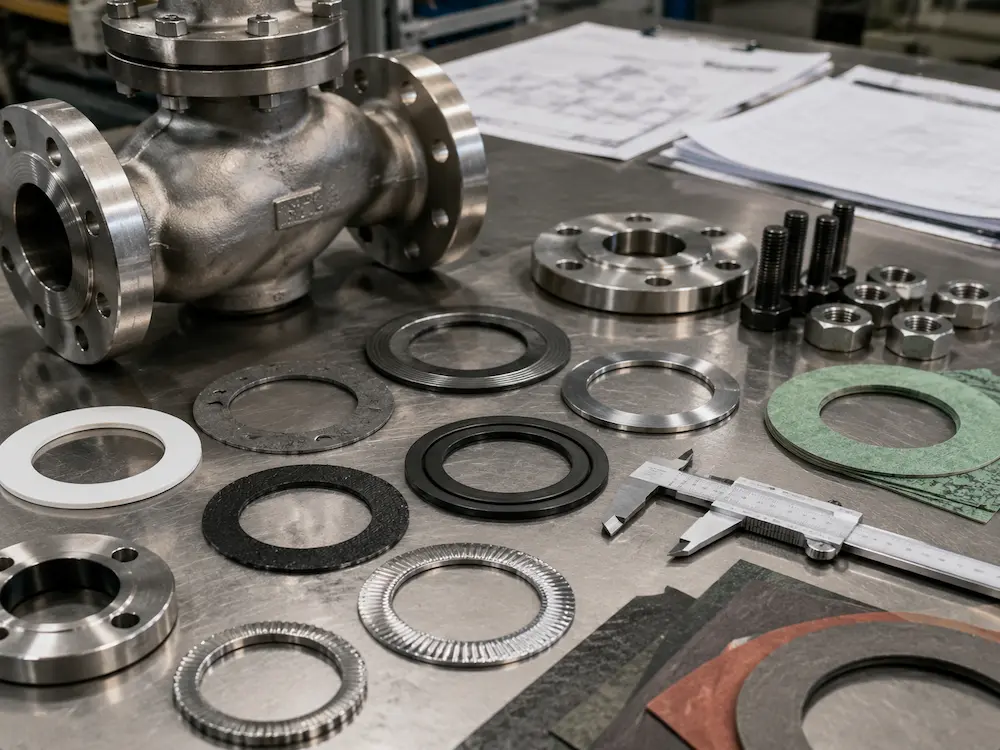
Valve Gasket Selection Guide: PTFE, Graphite, Spiral Wound and RTJ Gaskets
Learn how to choose valve gaskets including PTFE, graphite, rubber, spiral wound, RTJ, non-asbestos and kammprofile gaskets by medium, pressure, temperature, flange type, leakage risk and project requirements.
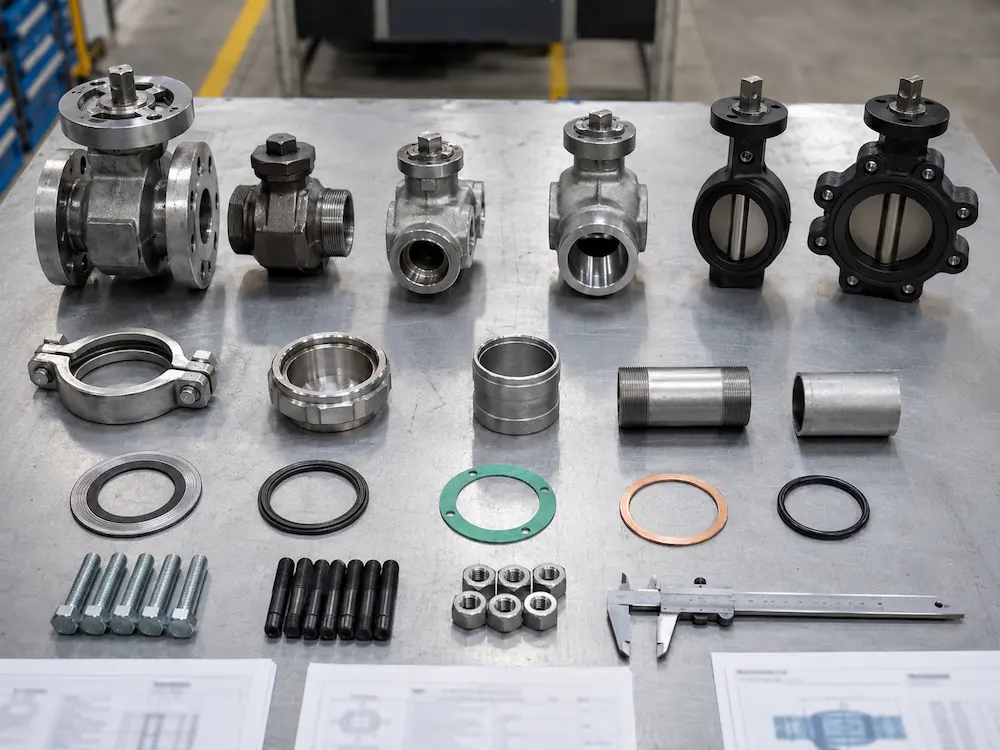
Valve End Connection Types: Flanged, Threaded, Socket Weld, Butt Weld, Wafer and Lug
Learn how to choose valve end connection types including flanged, threaded, socket weld, butt weld, wafer, lug, clamp and grooved connections by pressure, size, maintenance, welding, installation and project requirements.
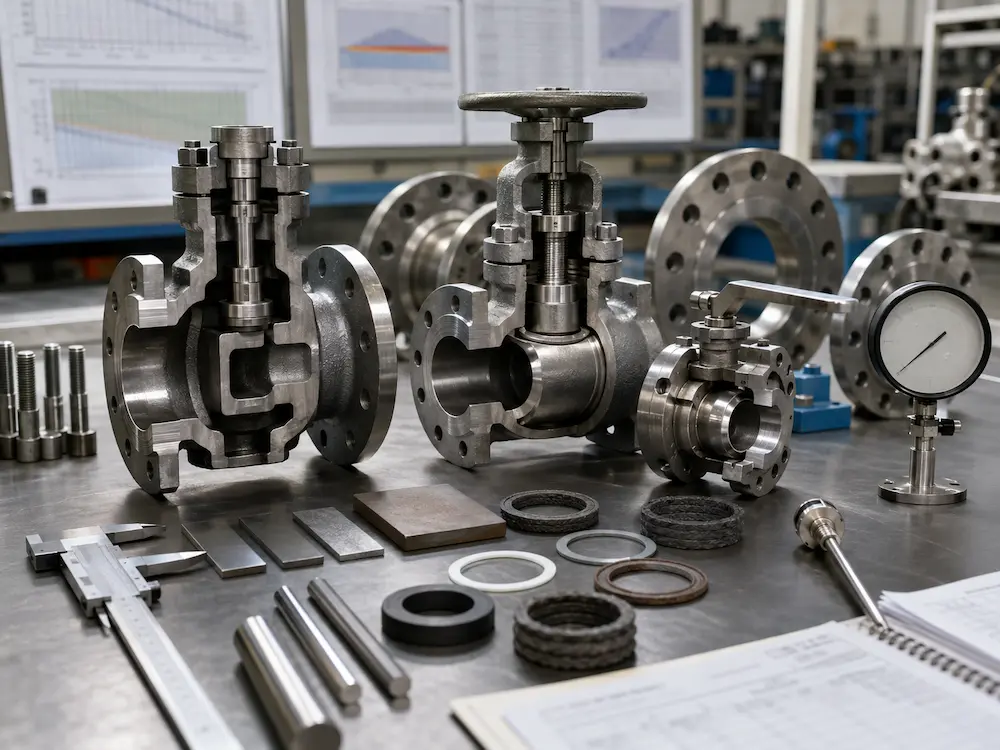
Valve Pressure-Temperature Rating Guide: Why Pressure Class Changes with Temperature
Learn how valve pressure-temperature ratings work, why pressure class changes with temperature, and how material, valve standard, flange rating, seat material and project conditions affect valve selection.
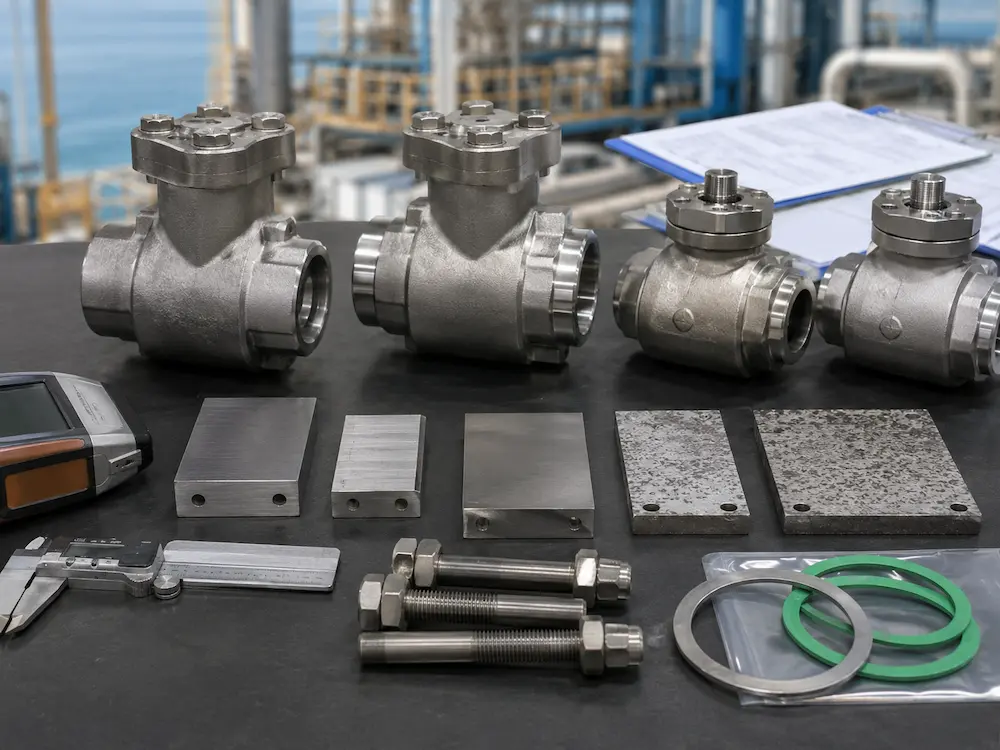
F51 vs F53 Valve Material: Duplex and Super Duplex Forged Steel Selection Guide
Compare ASTM A182 F51 and F53 valve materials by duplex and super duplex grade, seawater resistance, chloride corrosion, offshore service, strength, cost, MTC and PMI requirements.