Quick Overview
In hazardous environments, where safety and reliability are paramount, ball valves play a critical role in controlling the flow of fluids and gases. These valves are used across various industries, including oil and gas, chemical processing, and pharmaceuticals. This article explores how ball valves work in hazardous locations, their unique features, and why they are essential for maintaining safety and operational efficiency.
Opening Scenario
Imagine an oil refinery operating under high pressure and temperature conditions, handling flammable gases and corrosive chemicals. In such environments, the need for reliable and durable valves is crucial to prevent accidents and maintain process efficiency. Ball valves are often the preferred choice in these locations due to their robust design, reliability, and safety features. But how exactly do these valves function in hazardous conditions, and what makes them the right choice?
Pain Points
In hazardous locations, operators face several challenges when selecting and using valves, especially in critical systems:
1. Safety Risks
The risk of leaks or valve failure in hazardous environments can lead to dangerous situations such as fires, explosions, or the release of harmful substances. Ensuring that valves can withstand these extreme conditions is critical for maintaining safety.
2. Corrosion and Wear
In industries like chemicals or oil and gas, valves are exposed to aggressive substances, which can lead to corrosion and wear. Over time, this can degrade the valve’s performance and lifespan, making it essential to choose the right materials and valve types.
3. Flow Control Challenges
In hazardous environments, precise flow control is essential to ensure processes run smoothly and safely. Inconsistent or inadequate flow regulation can lead to pressure buildups, system failures, and unsafe working conditions.
Solutions
To tackle these challenges and optimise performance, it’s important to understand how ball valves are designed to handle hazardous conditions. Here are three solutions that make ball valves an ideal choice for these environments:
1. Design for Safety and Durability
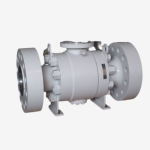
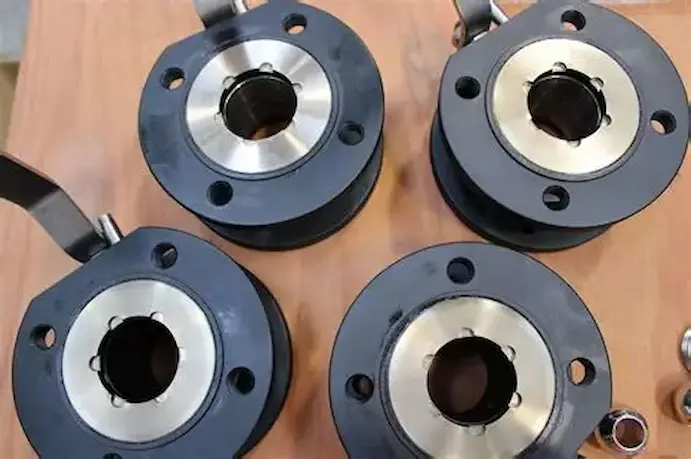
Ball valves are designed with a solid, robust construction that can withstand high pressures, temperatures, and corrosive environments. The valve body is often made from stainless steel, duplex steel, or alloy materials, ensuring resistance to corrosion, erosion, and extreme wear. These materials provide a longer lifespan and reliable performance even in hazardous locations.
At Vcore Valve, our ball valve solutions are designed to meet industry standards and ensure performance in demanding applications, from oil refineries to chemical plants.
2. Fire-Safe Design and Compliance
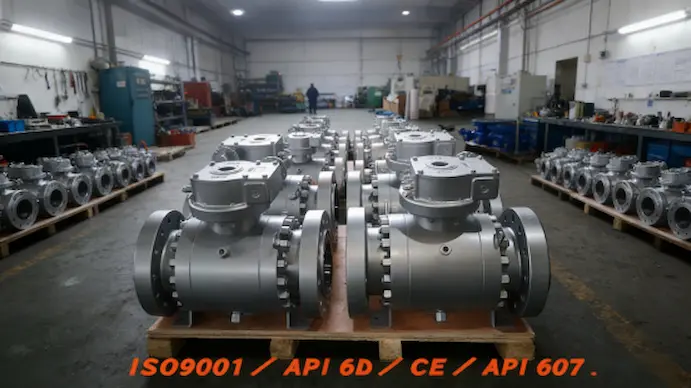
In hazardous areas where there is a risk of fire, fire-safe ball valves are an essential safety feature. These valves are designed with a secondary sealing mechanism to prevent leaks in the event of a fire, helping to avoid the spread of flammable materials. Compliance with standards such as API 607 ensures that these valves provide the necessary protection.
3. Precise Flow Control with Automation
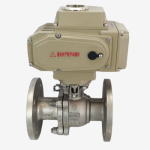
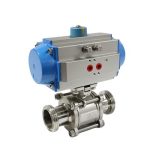
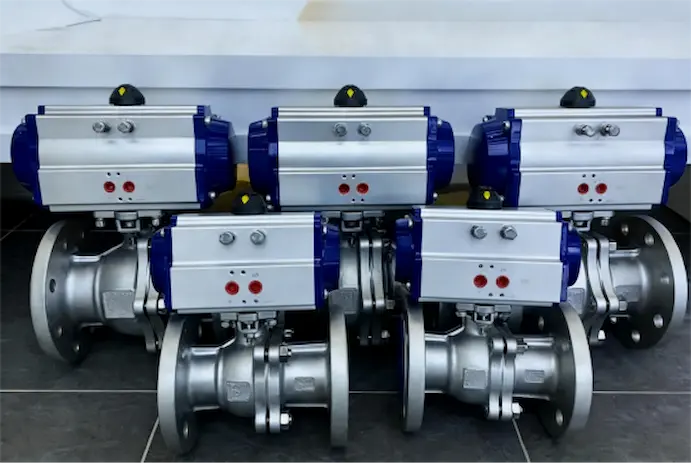
Automation systems and actuators can be integrated with ball valves to ensure precise flow control. Automated ball valves adjust the valve’s position in real-time based on process requirements, improving safety and operational efficiency. This is particularly important in environments where human intervention is limited, such as offshore oil rigs or hazardous chemical plants.
Case Study
In a large chemical manufacturing facility, the plant faced frequent safety issues related to valve failure in their multiphase flow systems. By replacing standard valves with ball valves specifically designed for hazardous locations, including fire-safe and corrosion-resistant features, the plant significantly reduced the risk of leaks and maintained a steady, controlled flow. This change not only improved safety but also decreased maintenance costs by 30%.
Data Analysis
| Valve Type | Advantages | Disadvantages | Best Use Case |
|---|---|---|---|
| Ball Valves | Durable, reliable, quick shutoff, simple design | Not ideal for fine flow regulation | Isolation, quick shutoff, high-pressure applications |
| Gate Valves | Good for full flow isolation | Slow operation, not ideal for flow regulation | Large pipeline isolation, high flow applications |
| Globe Valves | Precise flow control | Expensive, requires maintenance | Pressure regulation, throttling applications |
This table shows the advantages and disadvantages of ball valves compared to other types of valves commonly used in hazardous locations, helping you choose the right valve for your system.
Trends
1. Increasing Adoption of Fire-Safe Valve Technologies
As safety regulations become stricter, the demand for fire-safe valves is growing. More industries are opting for fire-safe ball valves that comply with the latest safety standards to protect workers and facilities in case of a fire or explosion.
2. Smart Valve Technologies
The integration of smart valve technologies in hazardous locations is becoming a major trend. These valves come with sensors that provide real-time data on pressure, temperature, and valve position, enabling operators to monitor and control the system remotely, which reduces the need for manual intervention.
3. Advanced Materials for Corrosion Resistance
As industries face more corrosive environments, there is an increased use of advanced materials for ball valves, such as super duplex stainless steel and coatings that resist corrosion, abrasion, and chemical reactions. This ensures longer valve life and better performance.
Usage Advice
When choosing ball valves for hazardous locations, consider the following:
1. Select the Right Material
The material of the valve is crucial in hazardous locations, as the valve needs to resist corrosion and wear. Stainless steel, duplex alloys, and specialized coatings provide excellent protection against harsh chemicals and high pressures.
2. Ensure Fire-Safe Compliance
For areas where fire risk is high, ensure that ball valves are fire-safe and comply with relevant standards like API 607 to minimize risk in case of fire or heat exposure.
3. Implement Automation for Precise Control
In hazardous environments where precision is key, automated ball valves allow for real-time adjustments to flow and pressure, helping to maintain stable and safe operating conditions.
Conclusion
Ball valves are a reliable and efficient solution for controlling flow in hazardous locations. Their robust design, fire-safe features, and ability to handle high-pressure and corrosive environments make them ideal for industries such as oil and gas, chemicals, and pharmaceuticals. By integrating smart technologies, automating the system, and choosing the right materials, you can significantly improve safety, reliability, and efficiency in hazardous locations.
At Vcore Valve, we offer ball valve solutions tailored to meet the needs of hazardous locations. Whether you need fire-safe valves, corrosion-resistant materials, or automated control, our products provide unmatched performance and safety.
FAQs
1. Why are ball valves preferred in hazardous locations?
Ball valves are preferred due to their robust design, quick shutoff capability, and resistance to corrosion, making them ideal for high-pressure, hazardous environments.
2. What are fire-safe ball valves?
Fire-safe ball valves are designed with secondary sealing mechanisms to prevent leaks in case of fire, ensuring safety in environments with fire hazards.
3. How do automated ball valves improve safety?
Automated ball valves allow for real-time monitoring and control of flow, ensuring precise adjustments and reducing the risk of human error in hazardous environments.
4. What materials are used in ball valves for hazardous locations?
Materials like stainless steel, duplex alloys, and coatings are used to resist corrosion, erosion, and high temperatures in hazardous locations.
5. Can ball valves be used for fine flow control?
While ball valves are excellent for isolation and shutoff, they are not ideal for fine flow regulation. For precise flow control, globe valves are recommended.
Reference
-
Fire-Safe Valve Technologies – Valve World Magazine
-
Advanced Materials for Corrosion Resistance – Industrial Valve Solutions
-
Smart Valve Technologies – Automation Journal