Quick Overview
On/off valves and modulating valves are both used in fluid control systems, but they serve different purposes. On/off valves are designed to either fully open or fully close the flow, while modulating valves provide variable control over flow rates. This article explores their differences, applications, and how to select the right valve for your needs.
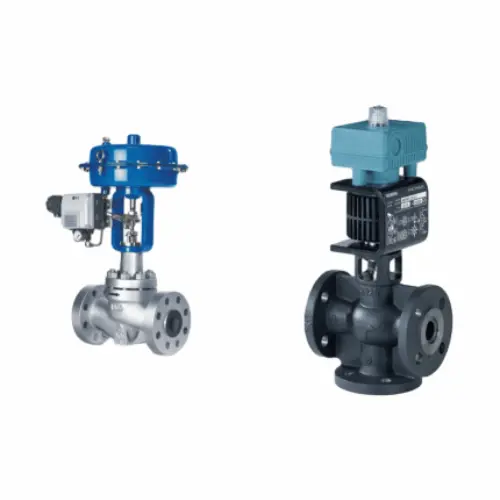
Opening Scenario
Imagine managing a heating system where temperature control is crucial. You may need to choose between an on/off valve and a modulating valve. While the on/off valve would quickly shut off or start the flow, a modulating valve would allow you to precisely control the flow rate to maintain a stable temperature. Understanding when to use each valve type is essential for ensuring optimal system performance.
Pain Points
Deciding between on/off valves and modulating valves can be a challenge, especially when systems require different levels of precision and control. Here are common pain points when selecting the right valve:
1. Need for Precision Control
When systems require precise control over flow rates, on/off valves may not be sufficient. Modulating valves are designed for more accurate flow regulation, which is often needed in HVAC, water treatment, and other industrial systems.
2. Energy Efficiency
In systems where energy consumption is a concern, using an on/off valve may lead to inefficiencies. Modulating valves, on the other hand, offer more efficient control, allowing the system to adjust the flow rate based on demand and reduce energy consumption.
3. System Complexity
Choosing the wrong valve type can complicate system operations. While on/off valves are simpler and more cost-effective, modulating valves require more advanced control mechanisms but offer better performance in systems where fine adjustments are necessary.
Solutions
To address these challenges, it is crucial to understand the differences between on/off valves and modulating valves and when to use each. Here are the solutions to help you make an informed decision:
1. On/Off Valves: Simple, Cost-Effective Flow Control
On/off valves are designed for straightforward flow control, fully opening or closing the system. They are ideal for applications where a binary state (fully open or closed) is sufficient. These valves are often used in water, gas, and other simple flow control systems.
At Vcore Valve, we offer a wide range of on/off valves that provide reliable, cost-effective solutions for systems that don’t require precise flow modulation. These valves are suitable for applications in water treatment, oil pipelines, and industrial systems.
2. Modulating Valves: Precision Flow Control
Modulating valves provide precise control over flow rates, making them ideal for applications where the flow needs to be adjusted gradually and continuously. These valves are used in more complex systems such as heating, cooling, and fluid management, where accurate flow control is essential to maintain system stability.
Vcore Valve provides modulating valves with advanced actuators and controllers, offering optimal flow regulation and system efficiency. These valves are perfect for systems where precise control over the flow is critical for performance.
3. Choosing the Right Valve for Your System
When deciding between an on/off valve and a modulating valve, consider the following factors:
-
For simple on/off control, on/off valves are cost-effective and sufficient.
-
For precise, continuous control over flow, modulating valves are the best choice.
At Vcore Valve, we offer both on/off valves and modulating valves to meet the needs of various applications, ensuring that you have the right solution for your system’s requirements.
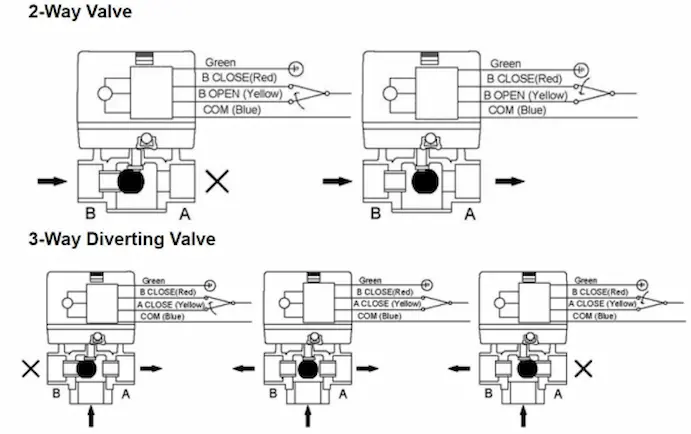
Case Study
A large HVAC system for a commercial building was facing energy inefficiencies due to the use of on/off valves, which caused fluctuations in temperature and energy waste. After switching to modulating valves, the system was able to maintain more stable temperatures, reduce energy consumption, and improve overall efficiency. The precision control provided by the modulating valves allowed the building to maintain a comfortable environment while reducing operating costs.
Data Analysis
| Valve Type | Flow Control | Precision Level | Energy Efficiency | Pressure Range | Sealing Performance | Best Use Case |
|---|---|---|---|---|---|---|
| On/Off Valve | Binary (fully open/close) | Low | Low (inefficient at partial flow) | Low to Medium Pressure (up to 40 bar) | Moderate (works best fully open or closed) | Water pipelines, gas flow, simple systems |
| Modulating Valve | Variable flow control | High | High (adjusts based on demand) | Medium to High Pressure (up to 100 bar) | High (precise sealing for flow regulation) | HVAC, fluid control, chemical processing systems |
| Ball Valve | On/off or modulating control | Medium | Moderate (used for precise flow control) | Medium Pressure (up to 80 bar) | Moderate (simple sealing) | High-flow applications, control in oil and gas systems |
| Globe Valve | Fine flow control | High | Moderate (gradual flow control) | Medium to High Pressure (up to 80 bar) | High (excellent sealing) | Flow control in steam and thermal systems |
| Gate Valve | Binary (fully open/close) | Low | Low (minimal flow resistance) | High Pressure (up to 100 bar or more) | Moderate (effective when fully open or closed) | Water treatment, chemical processing, oil and gas pipelines |
This table compares the core features, precision, energy efficiency, and best use cases of on/off valves and modulating valves, helping you select the right valve for your system.
Trends
1. Shift Toward Energy-Efficient Control Systems
As industries focus more on reducing energy consumption, the demand for modulating valves has increased. These valves allow for fine-tuned control that helps reduce energy waste, making them an attractive option for industries aiming to improve energy efficiency.
2. Integration of Smart Valve Technologies
The rise of automation and IoT technology is leading to the development of smart valves that provide real-time control and monitoring. These valves can be integrated with modulating valves to optimize performance and provide data-driven insights for system improvements.
3. Improved Valve Actuators for Precise Control
New advancements in actuator technology are making modulating valves more responsive and precise. These improvements allow for smoother transitions in flow control, providing better regulation for systems with varying demand.
Usage Advice
When selecting a valve, consider the following:
1. System Requirements
For systems that need simple on/off control, on/off valves are the best choice. If your system requires continuous, precise adjustments, then modulating valves are the better option.
2. Energy Efficiency Considerations
Modulating valves are ideal for applications where energy efficiency is important, as they adjust flow based on demand, reducing unnecessary energy consumption.
3. Maintenance Needs
On/off valves are simpler and require less maintenance, making them a more cost-effective option for systems with minimal complexity. Modulating valves, while offering better performance, may require more maintenance due to their complexity and advanced control systems.

Conclusion
Choosing between on/off valves and modulating valves depends on the requirements of your system. If you need simple flow control, on/off valves provide an efficient and cost-effective solution. However, if your system requires precise flow regulation and high energy efficiency, modulating valves are the better choice.
At Vcore Valve, we offer a variety of on/off valves and modulating valves designed to meet the needs of your specific applications. Whether you require precise flow control or simple on/off functionality, we have the right valve for your system.
FAQs
1. What is the difference between an on/off valve and a modulating valve?
On/off valves provide simple flow control with a binary state (fully open or closed), while modulating valves offer precise control over flow rates in continuous and variable applications.
2. When should I use a modulating valve?
Modulating valves are ideal for systems where precise flow control is necessary, such as in HVAC, chemical processing, and fluid control systems.
3. Are modulating valves more expensive than on/off valves?
Yes, modulating valves tend to be more expensive due to their advanced design and precision control features.
4. Can an on/off valve be used in place of a modulating valve?
While on/off valves can be used for simple flow control, they are not suitable for applications that require precise regulation of flow, such as temperature control in HVAC systems.
5. How do modulating valves improve energy efficiency?
Modulating valves adjust flow rates based on system demand, which reduces unnecessary energy consumption and improves overall efficiency.
Reference
-
Valve Technologies for Industrial Applications – Valve World Magazine
-
Optimizing Flow Control with Modulating Valves – Industrial Flow Control Journal
-
On/Off Valve Solutions for Basic Flow Control – Valve Solutions Guide