Valve sticking problems can slow production, damage actuators and create unsafe operating conditions. A valve may feel hard to turn, fail to close fully, move in jerks or stop responding to an actuator signal. The right fix depends on the cause, so troubleshooting should start with symptoms, service conditions and inspection evidence.

1. Identify Whether the Problem Is Internal or External
First decide whether the valve itself is sticking or the actuator, gearbox, handle or linkage is causing the problem. Disconnecting the actuator during maintenance can help confirm manual torque, but only follow site safety procedures and depressurize the line when required.
For a broader troubleshooting overview, see our analysis of valve problems article.
2. Check for Debris in the Seat or Cavity
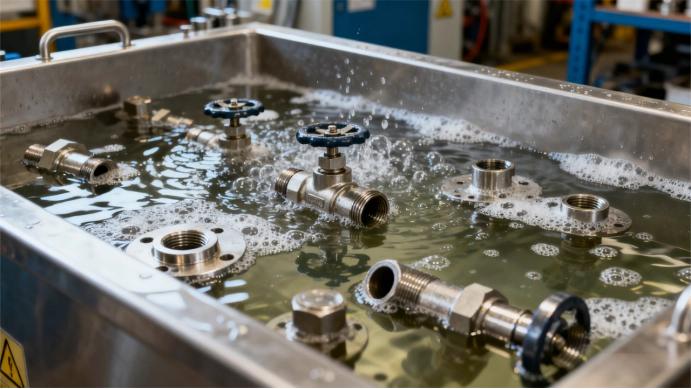
Welding slag, rust, sand, scale and gasket fragments can jam seats, balls, discs and stems. This is common after new pipeline construction or after maintenance work. If debris is suspected, inspect strainers, flush the line and check whether the valve seat has been scratched or permanently damaged.
3. Review Corrosion and Media Compatibility
Corrosion can roughen sealing surfaces, increase stem friction and cause deposits that prevent smooth movement. Chlorides, acids, wet gas, seawater and aggressive cleaning chemicals should be reviewed carefully. For corrosion practice context, AMPP provides useful industry resources.
4. Inspect Packing Compression and Stem Condition
Over-tightened packing can make a valve difficult to operate. Under-tightened packing can leak and then be tightened repeatedly until the stem movement becomes poor. Inspect the stem for scoring, bending, corrosion and deposits. Packing adjustment should follow the valve manual and site safety rules.
5. Confirm Actuator Sizing and Air or Power Supply
An actuator may be too small for the real differential pressure or media condition. Pneumatic actuators also need stable air pressure, clean instrument air and correct solenoid operation. Electric actuators need correct torque settings, limit switch adjustment and power supply. If the valve sticks only under pressure, actuator sizing should be reviewed again.
For modulating valves, jerky movement can also create repeated control-loop oscillation. Read our Control Valve Hunting Troubleshooting Guide to distinguish mechanical stiction from positioner, instrument-air, sizing and PID control problems.
6. Use Lubrication Only When It Fits the Valve Design
Some valves have lubrication points, while others should not be lubricated in the flow path. Using the wrong grease can contaminate media, damage soft parts or attract dirt. Always confirm lubricant compatibility with the valve design, media, temperature and sealing materials.
7. Decide Whether Cleaning, Repair or Replacement Makes Sense
If sticking is caused by light debris, cleaning may solve the problem. If seats, stems, discs or body surfaces are damaged, repair parts or replacement may be more reliable. Our top signs your valve needs immediate replacement article can help buyers decide when continued repair is risky.
8. Prevent Sticking With Better Maintenance Records
Record operating torque, cycle frequency, leaks, cleaning events, actuator faults and process changes. Trend data helps identify whether sticking is getting worse. Preventive maintenance also improves service life; see how to make industrial valves last longer for related maintenance practices.
Symptom-to-Action Troubleshooting Table
| Observed symptom | Likely cause | Best next action |
|---|---|---|
| Hard to operate after new installation | Pipe stress, debris or incorrect alignment | Check supports, flange alignment and flush the line. |
| Valve sticks only under pressure | High differential pressure or actuator undersizing | Review torque data and actuator safety factor. |
| Jerky movement with leakage at stem | Packing friction or stem damage | Inspect packing compression, stem surface and gland condition. |
| Repeated sticking in corrosive media | Wrong material or deposits | Review media compatibility and consider upgraded material. |
| Valve cannot close fully | Seat damage or solids trapped in sealing area | Inspect seat/disc/ball and decide repair or replacement. |
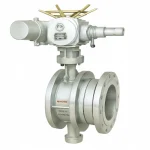
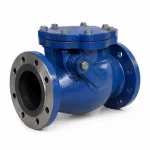
If replacement is more reliable than repair, match the new valve to the failure mode. For fast shut-off, review ball valves. For large low-pressure utility lines, review butterfly valves. For flow direction protection, review check valves. Photos of the failed valve, nameplate and installation position make it much easier for us to recommend a better replacement.
9. RFQ Checklist for Replacement or Repair
- Valve type, size, class, connection and material
- Media, pressure, temperature and whether solids are present
- Sticking symptom: hard to open, hard to close, jerky motion or no movement
- Manual or actuated operation, actuator model and air/power supply
- Photos of the nameplate, installation position and damaged parts
- Required certificates and expected service life
If a valve keeps sticking after cleaning and adjustment, send us the operating data and photos. We can help judge whether repair is practical or whether a different material, seat design or actuator package would be more dependable for the next order.
FAQ
What is the most common cause of valve sticking?
Common causes include debris, corrosion, over-tightened packing, damaged seats, poor lubrication and actuator sizing or supply problems.
Can lubrication fix every sticking valve?
No. Lubrication only helps when it matches the valve design and the cause is friction. It will not fix severe corrosion, damaged seats or wrong material selection.
When should a sticking valve be replaced?
Replacement should be considered when sealing surfaces are damaged, repair cost is high, sticking returns quickly or the valve creates safety or production risk.