Quick Summary: Valves for seawater applications should be selected by chloride concentration, temperature, oxygen content, flow velocity, stagnant zones, deposits, pressure, valve function and maintenance access. Common options include rubber-lined butterfly valves, rubber-lined check valves, duplex stainless steel valves, super duplex valves, aluminum bronze valves, bronze valves, titanium valves and selected stainless steel valves after corrosion review. 316 stainless steel may be used in some marine atmosphere, splash-zone or limited seawater-related service, but it is not automatically suitable for all seawater service, especially continuous, warm, stagnant or high-chloride seawater. Buyers should confirm the complete wetted material package, including body, trim, disc, ball, wedge, shaft, stem, fasteners, seats, seals, internal lining, external coating, corrosion allowance and required test documents before requesting a quotation.
Seawater is not just ordinary water with salt added. In valve selection, it brings chloride corrosion, crevice areas around seats and fasteners, galvanic couples between different metals, biological deposits, marine atmosphere exposure and pump-system problems such as water hammer. The best valve for a seawater application therefore depends on service conditions, not on one material name or one valve type.
This guide explains how engineers and buyers can compare seawater valve types and materials for marine pipelines, desalination plants, cooling water systems, offshore utility lines and coastal water treatment projects. For related water treatment valve packages, see our Water Treatment Valve Solutions.
Why Seawater Valve Selection Is Difficult
Seawater contains chlorides, dissolved oxygen and other ions that can attack valve materials in different ways. A material that works in clean freshwater may fail earlier in seawater if stagnant pockets, deposits, warm temperature or high salinity create localized corrosion.
The main risks include pitting corrosion, crevice corrosion and galvanic corrosion. Pitting can start on exposed metal surfaces, crevice corrosion can occur around gaskets, seats, flange faces and threaded areas, and galvanic corrosion can appear when incompatible metals are connected in the same electrolyte. Warm seawater and intermittent flow usually increase the selection risk.
For this reason, seawater valve selection must review the whole valve assembly. Body material alone is not enough. The disc, ball, wedge, trim, shaft, stem, hinge pin, fasteners, seat, seal, internal lining, external coating and coating repair procedure all affect service reliability.
Common Seawater Valve Applications
| Application | Common Valve Types | Key Selection Concern |
|---|---|---|
| Seawater intake pipeline | Butterfly valve, gate valve, check valve | Large diameter, corrosion protection, low pressure drop and maintenance access |
| Desalination plant | Butterfly valve, ball valve, check valve, control valve | Chloride corrosion, chemical dosing, pressure, material compatibility and cleaning conditions |
| Cooling water system | Butterfly valve, check valve, gate valve | Flow rate, pump discharge conditions, corrosion risk and water hammer control |
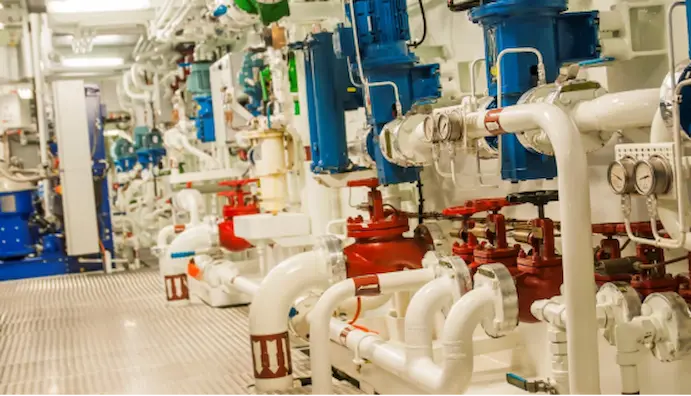
| Marine or shipboard pipeline | Bronze, aluminum bronze, stainless steel or lined valves depending on specification | Compact structure, corrosion resistance, external marine atmosphere and class approval if required |
| Offshore utility seawater system | Duplex, super duplex, aluminum bronze or lined valves | Chloride exposure, coating durability, fastener material and project material standard |
| Brackish water or coastal water treatment | Rubber-lined valve, coated valve or stainless steel valve after corrosion review | Actual chloride level, treatment chemicals, flow condition and coating or lining quality |
Best Valve Types for Seawater Service
The following valve types are commonly considered for seawater service, but the final selection still depends on pressure, size, flow condition, corrosion allowance, operation frequency and project specifications.
| Valve Type | Typical Use in Seawater Systems | Selection Notes |
|---|---|---|
| Butterfly valve, including rubber-lined designs | Large seawater or brackish water isolation lines | Liner, disc, shaft, seat and external coating must be compatible with seawater and operating temperature. |
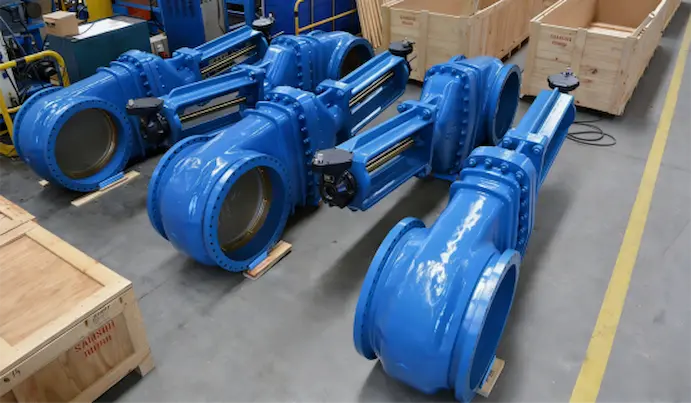
| Rubber-lined valve | Selected seawater, brackish water, wastewater or corrosive water pipelines | The lining protects the body from direct seawater contact, but lining damage, disc material, shaft material and coating details still matter. |
| Check valve | Pump discharge and reverse-flow protection | Confirm corrosion resistance, pressure drop, closing behavior, hinge or spring material and water hammer risk. |
| Ball valve | Small to medium isolation, dosing or utility seawater-related lines | Review body material, seat material, stem material, cavity corrosion risk and chloride compatibility. |
| Gate valve | Full-bore isolation in selected seawater pipelines | Gate valves are used for isolation, not continuous throttling. Confirm body, wedge, seat, stem and coating requirements. |
| Control valve | Flow or pressure control in seawater-related systems | Trim corrosion, erosion, cavitation, noise and actuator environment should be reviewed together. |
| Plug valve | Selected utility or chemical service connected to seawater systems | Confirm lining or alloy material, operating torque, seal compatibility and maintenance access. |
Seawater Valve Material Selection Guide
Material selection for seawater valves should include all wetted and exposed parts. A valve body may be corrosion-resistant while the shaft, stem, fasteners or seat-retaining parts become the weak point. For more detail on trim decisions, see our Valve Trim Materials Selection Guide.
| Material / Structure | Typical Use | Key Caution |
|---|---|---|
| Ductile iron with rubber lining or epoxy coating | Water treatment and selected seawater pipelines | Coating and lining quality are critical. Exposed metal should be avoided, including edges, bolt areas and repaired surfaces. |
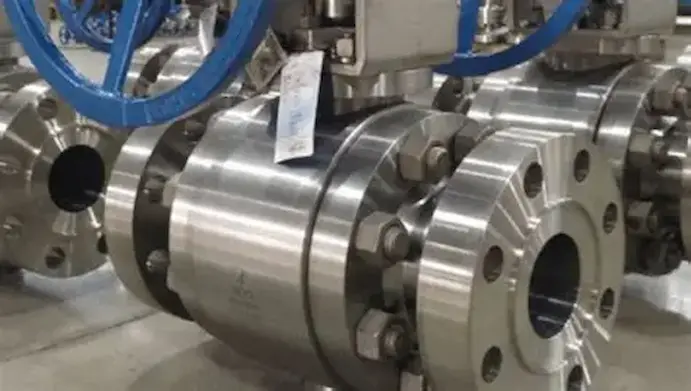
| 316 stainless steel | Limited marine atmosphere, splash-zone or selected seawater-related service | Not automatically suitable for continuous, warm, stagnant or high-chloride seawater because pitting, crevice corrosion or stress corrosion cracking may occur. |
| Duplex stainless steel | More demanding chloride service | Confirm grade, temperature, chloride level, welding requirements and project material standard. |
| Super duplex stainless steel | Severe seawater, offshore or high-chloride service | Higher cost and longer procurement may apply. Grade and test requirements should be specified clearly. |
| Aluminum bronze / nickel aluminum bronze | Marine and seawater applications | Check galvanic compatibility, pressure class, standard requirements and mating materials. |
| Bronze | Selected marine or lower-pressure water service | Confirm pressure, temperature, fluid chemistry and project specification before selection. |
| Titanium | Highly corrosion-resistant seawater service | Usually project-specific because of cost, lead time and specification requirements. |
| Rubber-lined construction | Protecting the valve body from direct seawater contact | Lining damage, disc/shaft material, edge protection, seat design and external coating must be checked. |
A broader material comparison is available in our Valve Material Selection Guide.
How to Select Valves for Seawater Applications
A practical seawater valve material review should start with the fluid, then the valve function, and only then the material grade. This avoids treating one corrosion-resistant material as a universal answer for every marine, desalination or cooling water system.
Key Factors for Seawater Valve Selection
| Selection Factor | Why It Matters | Buyer Should Confirm |
|---|---|---|
| Seawater or brackish water composition | Actual chemistry changes corrosion behavior. | Whether the fluid is natural seawater, brackish water, treated seawater or mixed chemical service. |
| Chloride concentration | Chlorides increase pitting and crevice corrosion risk. | Chloride level when available, or project seawater specification. |
| Temperature | Warm seawater can make stainless steel selection more difficult. | Normal and maximum operating temperature. |
| Flow velocity and stagnant operation | High velocity can increase erosion; stagnant zones can increase localized corrosion. | Continuous or intermittent operation, dead legs, low-flow periods and deposits. |
| Pressure rating | Valve pressure class affects body design, seat load and material availability. | PN/Class rating, design pressure and test pressure requirement. |
| Valve function | Isolation, control and backflow prevention require different valve designs. | Whether the valve is for isolation, throttling, control, pump discharge or reverse-flow protection. |
| Valve type | Butterfly, check, ball and gate valves handle seawater duties differently. | Pipe size, operation frequency, pressure drop, leakage requirement and installation orientation. |
| Body, disc, ball, wedge and trim material | Wetted metal parts can corrode differently from the body. | Material grades for every wetted component, not only the valve body. |
| Stem, shaft and fastener material | Small parts can become failure points in chloride environments. | Stem/shaft grade, hinge pin grade, bolting material and galvanic compatibility. |
| Seat and seal material | Elastomer compatibility affects shutoff, swelling and service life. | EPDM, PTFE or other seat/seal material against temperature, chemicals and operation. |
| Internal lining and external coating | Lining protects wetted surfaces; coating protects the valve in marine atmosphere. | Lining compound, coating system, holiday testing if required, repair procedure and coating thickness. |
| Galvanic compatibility | Mixed metals in seawater can accelerate corrosion. | Mating pipe material, flange material, fasteners, electrical continuity and isolation requirements. |
| Maintenance access | Remote, buried, offshore or underwater locations change risk tolerance. | Access for inspection, actuator service, seat replacement and coating repair. |
| Standards and documents | Marine or project standards may define material, test and documentation requirements. | Applicable standard, material certificate, pressure test, inspection document and packing requirement. |
Is 316 Stainless Steel Suitable for Seawater Valves?
316 stainless steel is condition-dependent in seawater valve service. It may be selected for some marine atmosphere, splash-zone or limited seawater-related applications, especially where exposure is not continuous and the project specification allows it. It should not be treated as a universal seawater valve material.
In continuous seawater, warm seawater, stagnant seawater or high-chloride service, 316 stainless steel may face pitting corrosion, crevice corrosion or stress corrosion cracking risk. In those conditions, duplex stainless steel, super duplex stainless steel, titanium, aluminum bronze, bronze or lined construction may be required depending on the project specification and corrosion review.
Are Rubber-Lined Valves Suitable for Seawater?
Rubber-lined valves may be useful for selected seawater, brackish water, wastewater or corrosive water pipelines because the lining helps protect the valve body from direct seawater contact. They are often considered when large-size isolation valves need corrosion protection without using a full alloy body.
The lining is only one part of the selection. The disc, shaft, stem, hinge, fasteners, seat design and external coating still need corrosion review. Liner material such as EPDM or another rubber compound must be checked against temperature, chemicals, flow velocity and operating conditions. Rubber-lined valves are not automatically suitable for high-temperature, high-pressure or abrasive severe service without review. For a related article, see Rubber-Lined Valves for Chemical and Slurry Applications.
Seawater Pump Discharge and Check Valve Selection
Check valves are commonly used on seawater pump discharge lines to prevent reverse flow and protect pumps. In this position, corrosion resistance is only one requirement. The buyer should also review pressure drop, flow velocity, valve closing speed, water hammer risk, installation orientation and access for maintenance.
For large seawater pump discharge lines, the check valve design and internal materials should be selected together with the pump curve and pipeline layout. A valve that closes too slowly may allow reverse flow, while a valve that closes too abruptly may increase water hammer. The hinge pin, spring, disc, shaft, seat and coating should be checked for chloride exposure.
Information Buyers Should Provide Before Quotation
For seawater valve quotations, incomplete material and service information can lead to incorrect material selection, corrosion risk, wrong trim selection or unsuitable sealing materials. Buyers can speed up technical review by providing the following information:
- Valve type, size, DN/NPS and quantity
- Pressure rating, PN/Class, design pressure and operating pressure
- Seawater, brackish water, treated seawater or mixed chemical service
- Chloride concentration, temperature and flow rate if available
- Installation location: intake, pump discharge, cooling water, desalination, marine pipeline or offshore utility line
- Continuous or intermittent service and stagnant condition risk
- Valve function: isolation, throttling, control or backflow prevention
- Body, trim, disc, shaft, stem, seat, seal and fastener material requirements
- Internal lining, external coating and corrosion allowance requirements
- Flange or connection standard, actuator or gearbox requirement
- Applicable marine or project standard
- Material certificate, pressure test, inspection and packing requirements
If your project has seawater, brackish water or marine atmosphere exposure, send the working conditions and material requirements through our contact page. Vcore Valve can help review valve type, material combination, lining, coating and documentation requirements before quotation.
FAQ
What type of valve is best for seawater applications?
The best valve type depends on size, pressure, function, chloride exposure and maintenance access. Butterfly valves are common for large isolation lines, check valves are used for reverse-flow protection, ball valves may suit small or medium utility lines, and gate valves may be used for full-bore isolation.
Is 316 stainless steel suitable for seawater valves?
316 stainless steel may be used in some marine atmosphere or limited seawater-related service, but it is not automatically suitable for continuous, warm, stagnant or high-chloride seawater. Pitting, crevice corrosion and stress corrosion cracking risk should be reviewed.
Are rubber-lined valves suitable for seawater?
Rubber-lined valves may be suitable for selected seawater or brackish water pipelines because the lining protects the body from direct seawater contact. The disc, shaft, stem, fasteners, liner compound and external coating still need corrosion review.
What materials are commonly used for seawater valves?
Common options include ductile iron with rubber lining or epoxy coating, aluminum bronze, nickel aluminum bronze, bronze, duplex stainless steel, super duplex stainless steel, titanium and selected stainless steel grades after corrosion review.
Which valve is used for seawater pump discharge?
Check valves are commonly used on seawater pump discharge lines to prevent reverse flow. Selection should consider corrosion resistance, pressure drop, closing behavior, water hammer risk, installation orientation and internal component materials.
How do I prevent corrosion in seawater valves?
Corrosion risk is reduced by selecting suitable wetted materials, compatible trim, proper seat and seal materials, internal lining or coating, external marine coating, galvanic isolation where needed and complete inspection or maintenance access.
What information is needed for a seawater valve quotation?
Provide valve type, size, pressure rating, fluid condition, chloride level if available, temperature, pressure, flow rate, installation location, valve function, material requirements, lining or coating requirements, standards, certificates and test requirements.