Quick Overview
Air release valves are essential components in piping systems, ensuring that air pockets do not build up, which can lead to inefficient flow and system damage. This article explores how air release valves work, their importance in maintaining system efficiency, and the best practices for using them in various applications.
Opening Scenario
Imagine a high-pressure water pipeline designed to transport water from a reservoir to a processing plant. Without air release valves, air could accumulate at high points in the pipeline, causing blockages, reducing flow, and potentially damaging equipment. The solution? Air release valves that help maintain smooth flow and system integrity by releasing trapped air.
Pain Points
Managing air in piping systems presents several challenges that can impact system performance and safety:
1. Air Buildup and Pressure Surges
When air accumulates in a pipeline, it can cause pressure surges that may damage pipes, valves, and other components. These pressure spikes can also lead to inefficiencies, causing interruptions in system operations.
2. Flow Restrictions
Air trapped in the system can restrict flow, reducing the efficiency of fluid transport. In large-scale systems, even a small amount of air can significantly impact the system’s overall performance.
3. Increased Maintenance Costs
If air is not effectively released from piping systems, it can lead to mechanical failure and the need for more frequent maintenance. This results in higher operational costs, as well as costly downtime for repairs.
Solutions
To tackle these challenges, air release valves are critical in ensuring efficient pipeline operation. Here’s how they address the pain points:
1. Air Release Valves: The Essential Solution for Air Control
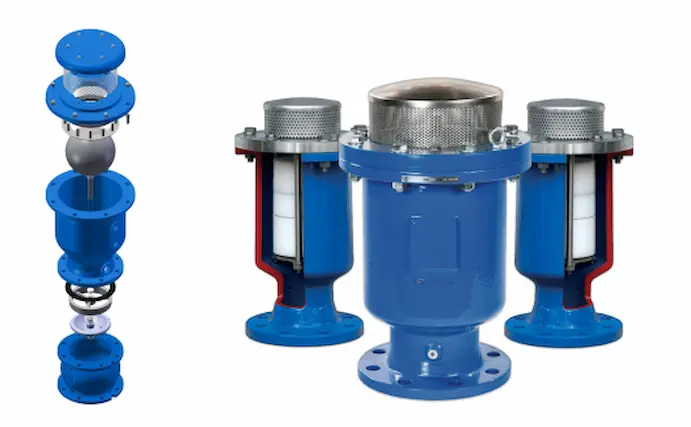
Air release valves are designed to automatically expel air from pipelines without disrupting the flow of the fluid. They allow air to escape at high points in the pipeline, preventing air pockets from forming. This helps to maintain continuous, uninterrupted flow.
At Vcore Valve, we offer air release valves that are designed for high reliability and long-term operation in various industrial applications, from water treatment plants to oil pipelines.
2. Improving System Efficiency
By preventing air buildup, air release valves improve system efficiency, reduce the risk of pressure surges, and enhance the overall performance of piping systems. With proper valve installation, you can ensure a consistent flow of fluid without disruptions.
3. Automatic and Low-Maintenance Operation
Air release valves are designed for automatic operation, requiring minimal maintenance. They open and close automatically to release air, reducing the need for manual intervention. This helps lower maintenance costs and improves system reliability over time.
Case Study
A municipal water treatment plant was experiencing frequent pressure surges and inefficiencies due to air buildup in its pipeline system. After installing air release valves at key points along the pipeline, the plant saw a significant reduction in pressure fluctuations and an improvement in water flow. This not only reduced maintenance costs but also ensured more stable system performance.
Data Analysis
| Valve Type | Functionality | Advantages | Best Use Case |
|---|---|---|---|
| Air Release Valves | Automatic air removal from pipelines | Prevents pressure surges, improves flow | Water treatment, oil pipelines, industrial fluid systems |
| Check Valves | Prevent backflow and maintain pressure | Protects system components from reverse flow | Water treatment, chemical plants, gas pipelines |
| Ball Valves | Provides on/off control of fluid flow | Simple design, reliable operation | Isolation in pipelines, gas systems |
This table highlights the functionality and advantages of air release valves compared to other types of valves, helping you make an informed decision on the right valve for your application.
Trends
1. Growing Demand for Automated Valve Systems
As industries move towards automation, there is a growing trend to integrate smart sensors into air release valves. These sensors can monitor air levels in pipelines in real-time, ensuring that the valves open and close only when necessary, further improving system efficiency.
2. Increase in Demand for Durable, High-Performance Valves
With the increasing complexity of industrial systems, there is a rising demand for air release valves that can withstand harsh conditions, including high pressures and temperatures. Innovations in valve materials and coatings are making valves more durable and resistant to wear.
3. Focus on Sustainability and Energy Efficiency
As industries strive for more sustainable operations, there is an increasing focus on energy-efficient valves. By reducing the need for frequent maintenance and energy-consuming manual interventions, air release valves contribute to more eco-friendly systems.
Usage Advice
When choosing air release valves for your system, consider the following factors:
1. Valve Size and Capacity
The size of the air release valve should match the size and capacity of your pipeline. Larger systems require valves with higher air release capacities to handle greater volumes of air.
2. Material Selection
Ensure that the materials used in the air release valve are compatible with the fluid being transported. For instance, stainless steel or cast iron is often used for water and sewage systems, while brass or bronze might be used in other applications.
3. Installation and Maintenance
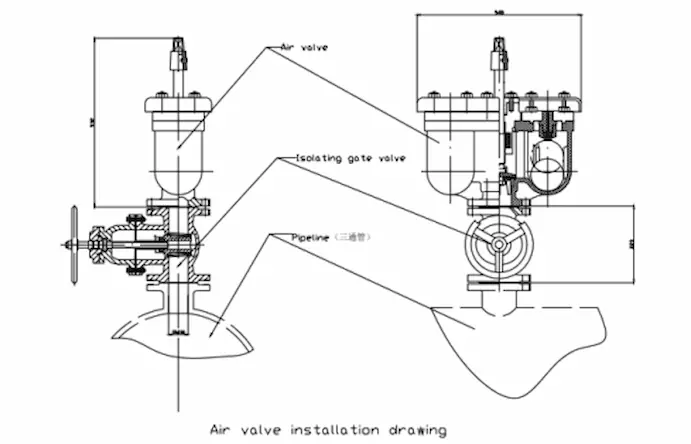
Proper installation is crucial for optimal valve performance. Make sure that air release valves are installed at the correct locations in the pipeline, typically at high points where air is most likely to accumulate. Regular maintenance checks will also help keep the valves functioning properly.
Conclusion
Air release valves are essential components in piping systems, preventing air accumulation that can lead to pressure surges, flow restrictions, and increased maintenance costs. By choosing the right valve for your application and ensuring proper installation and maintenance, you can significantly improve system performance and reduce operational downtime.
At Vcore Valve, we offer a range of air release valves designed to enhance the efficiency and reliability of your piping systems. Whether you’re working in water treatment, oil pipelines, or industrial fluid systems, our air release valves provide the solutions you need for optimal performance.
FAQs
1. What is the role of air release valves in a pipeline system?
Air release valves expel trapped air from pipelines, preventing pressure surges and ensuring uninterrupted fluid flow.
2. Where should air release valves be installed?
Air release valves should be installed at high points in the pipeline where air naturally accumulates.
3. How do air release valves improve system efficiency?
By releasing trapped air, air release valves prevent pressure buildup, reduce flow restrictions, and ensure continuous fluid flow.
4. Are air release valves automatic?
Yes, air release valves are designed to operate automatically, requiring minimal maintenance and manual intervention.
5. How often should air release valves be maintained?
Air release valves should be inspected periodically to ensure they are functioning properly, particularly in high-flow or high-pressure systems.
Reference
-
Valve Solutions for Water Treatment Systems – Valve World Magazine
-
Improving Pipeline Efficiency with Air Release Valves – Industrial Process Journal
-
Smart Valve Technologies in Industrial Pipelines – Valve Automation Solutions